What is Istanbul known for?
Short answer
Istanbul is a historic transcontinental metropolis bridging Europe and Asia across the Bosphorus Strait. It is renowned for its Byzantine and Ottoman architectural masterpieces, vibrant bazaars, and a unique culinary heritage. As the only city spanning two continents, it serves as a critical global hub for culture, trade, and tourism.
On this page
What are the most famous landmarks in Istanbul?
Istanbul’s skyline is defined by centuries of imperial history, most notably from the Byzantine and Ottoman eras. The Hagia Sophia, originally built as a cathedral in 537 CE and later converted into a mosque, remains the city’s most iconic structure. Nearby, the Sultan Ahmed Mosque, widely known as the Blue Mosque, is celebrated for its six minarets and intricate interior tiles. These structures represent the pinnacle of architectural evolution in the region.
Visitors should also prioritize the Topkapı Palace, which served as the primary residence of Ottoman sultans for nearly 400 years. The palace complex houses an extensive collection of imperial treasures, including the 86-carat Spoonmaker’s Diamond. The Basilica Cistern, an underground water reservoir constructed in the 6th century, offers a hauntingly beautiful subterranean experience with its illuminated columns and Medusa-head carvings.
- Hagia Sophia: Famous for its massive dome and gold mosaics.
- Blue Mosque: Renowned for its blue Iznik tilework.
- Topkapı Palace: Features opulent courtyards and the Harem section.
- Basilica Cistern: An ancient Roman marvel located beneath the city streets.
How to navigate Istanbul like a local?
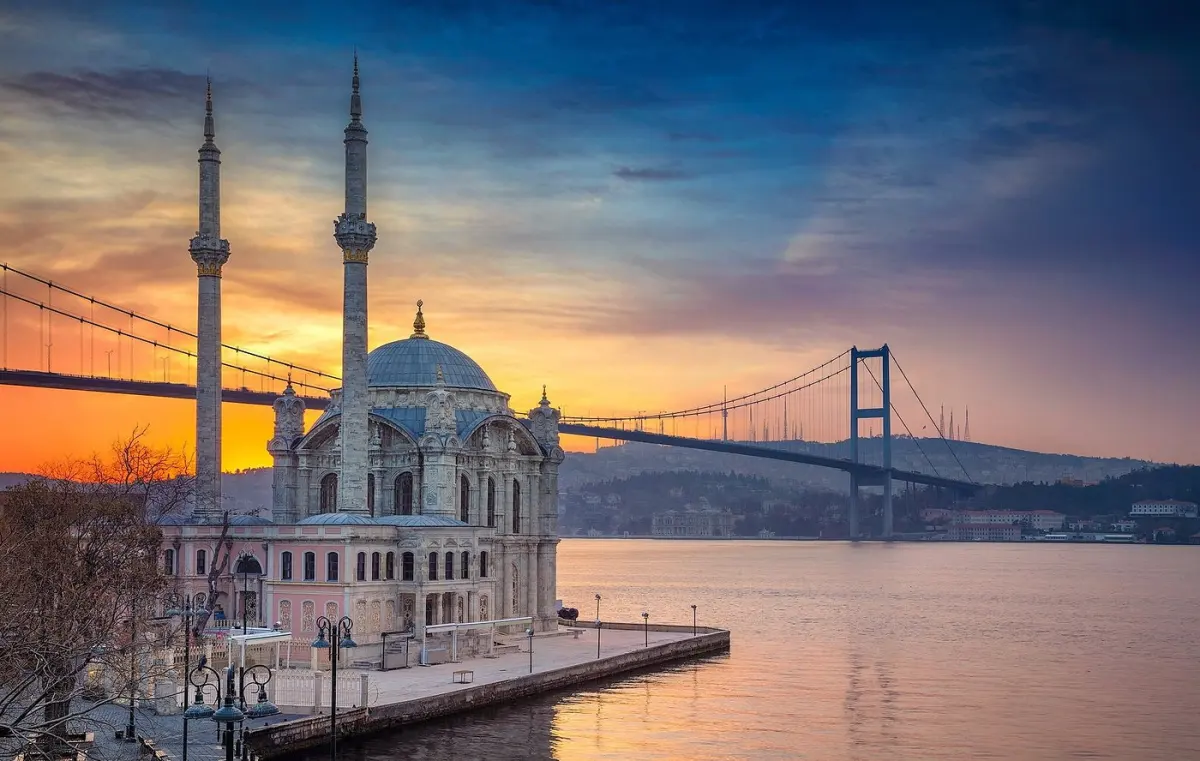
Navigating Istanbul requires an understanding of its complex geography and public transit network. The city is divided by the Bosphorus, with the historic peninsula on the European side and the residential districts on the Asian side. The most efficient way to travel between these continents is by using the extensive ferry system, which is both affordable and scenic.
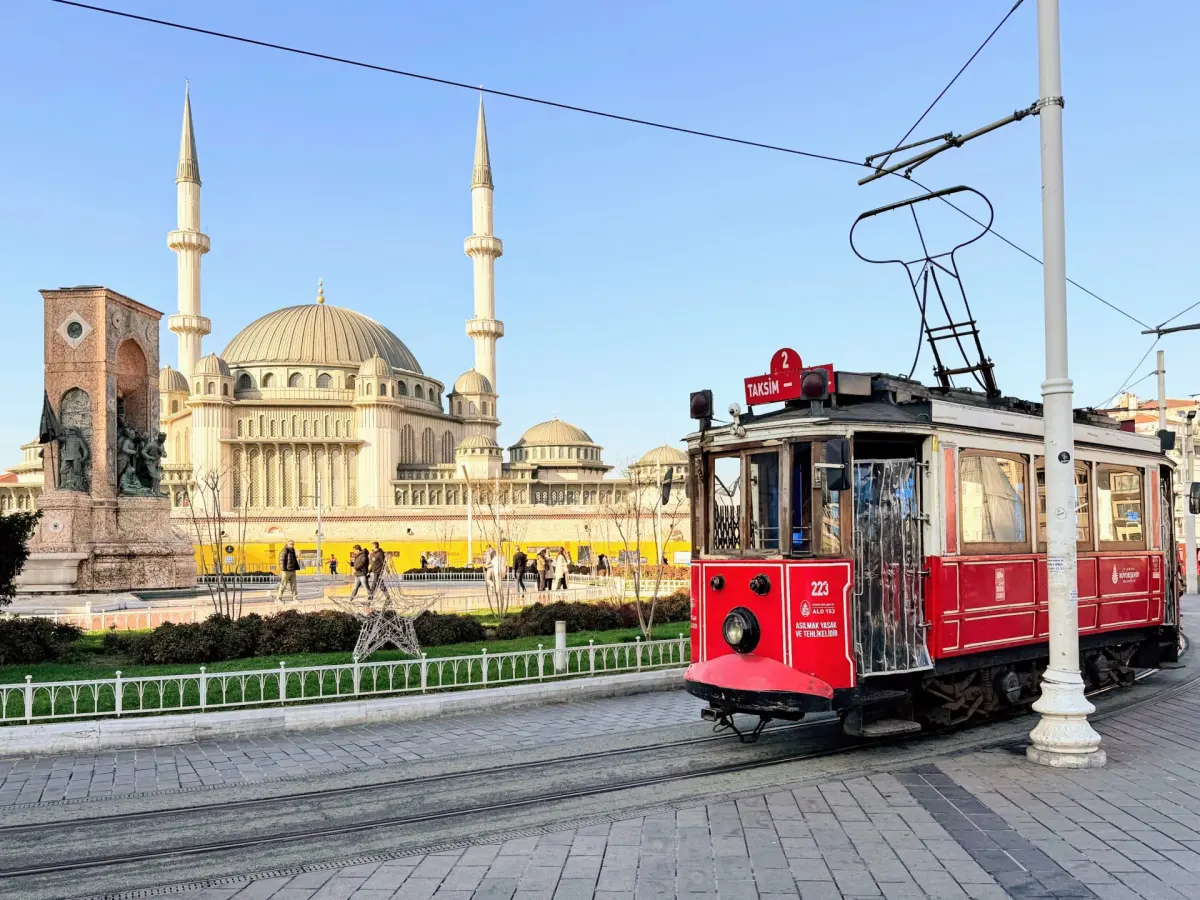
For ground travel, the Istanbulkart is an essential prepaid card that works on all public transport, including trams, metros, buses, and ferries. Avoid using taxis during peak hours, as Istanbul’s traffic is notoriously dense and can lead to significant delays. Instead, utilize the modern tram line (T1) which connects most major tourist sites, or the Marmaray tunnel that runs beneath the Bosphorus.
- Purchase an Istanbulkart at any major metro station or kiosk.
- Load credit onto the card using machines found at transit stops.
- Use the "Moovit" or "Google Maps" apps for real-time transit schedules.
- Always tap your card when entering and exiting station platforms.
Best neighborhoods to explore for beginners?
Sultanahmet is the primary starting point for most travelers, as it contains the highest density of historical monuments. However, those seeking a more contemporary atmosphere should head to Beyoğlu. This district includes the bustling Istiklal Avenue, a pedestrian street lined with shops, cafes, and historic cinemas that leads directly to the iconic Galata Tower.
Across the water, the Kadıköy district on the Asian side offers a more relaxed, authentic experience. It is known for its sprawling food markets, independent bookstores, and vibrant nightlife. Karaköy, located at the mouth of the Golden Horn, has transformed into a trendy hub for art galleries and boutique coffee shops. Spending time in these diverse neighborhoods provides a balanced view of Istanbul’s past and present.
- Sultanahmet: The heart of the Old City and historical sites.
- Beyoğlu: The center of modern culture, dining, and shopping.
- Kadıköy: A lively, local-focused area with excellent street food.
- Karaköy: A hip, revitalized waterfront district near the Galata Bridge.
Why is Istanbul’s food scene unique?
Istanbul’s culinary identity is a fusion of Central Asian, Middle Eastern, and Balkan influences. The city is famous for its street food culture, which is both accessible and high-quality. Simit, a circular bread encrusted with sesame seeds, is the most common snack found at street carts throughout the city. Additionally, the city is world-renowned for its Turkish delight, baklava, and strong, dark Turkish coffee.
Dining in Istanbul is a social ritual. Many locals frequent "meyhanes," which are traditional taverns serving meze—a wide variety of small, flavorful appetizers—accompanied by rakı, an anise-flavored spirit. When dining out, do not be afraid to try local fish dishes, particularly near the Galata Bridge where vendors sell "balık ekmek," or grilled fish sandwiches. The freshness of the local produce, combined with centuries-old recipes, makes the city a premier destination for food enthusiasts.
Common mistakes when visiting Istanbul?
A frequent error is attempting to see the entire city in just two days. Istanbul is massive, and traffic can consume hours of your time. It is better to focus on one district per day to minimize travel fatigue. Another common oversight involves dress codes; when visiting mosques, women must cover their hair and both men and women should ensure their shoulders and knees are covered.
Additionally, be cautious when shopping in the Grand Bazaar. While it is a legendary destination, it is also a tourist trap if you do not negotiate prices. Always compare prices at different stalls before making a purchase. Avoid accepting unsolicited help from strangers offering "special tours" or "hidden gems," as these are often scams designed to lead you to overpriced shops. By staying aware of your surroundings and planning your itinerary in advance, you can ensure a smooth and enjoyable visit to this historic city.
Key facts
- Istanbul is the only city in the world that spans two continents, Europe and Asia, separated by the Bosphorus Strait.
- The Hagia Sophia, originally built as a cathedral in 537 CE, has served as a church, a mosque, and a museum throughout its history.
- The Grand Bazaar is one of the oldest and largest covered markets globally, housing over 4,000 shops across 61 streets.
- Visitors should use the "Istanbulkart" for seamless travel on the city's integrated network of trams, ferries, metros, and buses.
- When visiting mosques, dress modestly by covering shoulders and knees; women must also cover their hair with a headscarf.
- Avoid taking unlicensed taxis; always ensure the meter is running or use ride-hailing apps to prevent overcharging.
The bottom line
Istanbul serves as a captivating bridge between Eastern and Western cultures, offering a unique blend of Byzantine and Ottoman history. By balancing its ancient architectural marvels with a vibrant, modern urban energy, the city provides an unparalleled travel experience. Whether you are navigating the bustling spice markets or crossing the Bosphorus by ferry, Istanbul remains a essential destination for those seeking deep historical roots and contemporary charm.
People also ask
Is it better to stay on the European or Asian side of Istanbul?
Most first-time visitors prefer the European side, specifically districts like Sultanahmet or Beyoğlu, to be near major historical landmarks. The Asian side offers a more local, relaxed atmosphere with excellent dining, but it requires a ferry ride to reach the primary tourist sites.
What is the best time of year to visit Istanbul?
Spring (April to May) and autumn (September to October) offer the most pleasant weather for walking tours. Summers can be quite hot and humid, while winters are often cold and rainy, though they offer the benefit of fewer crowds.
Do I need a visa to enter Turkey?
Many nationalities can obtain an e-Visa online before departure, while others may be exempt depending on their home country. Always check the official Republic of Turkey e-Visa website well in advance to confirm your specific requirements.
Is it safe to drink tap water in Istanbul?
While the municipal water is treated, it is common practice for locals and tourists to drink bottled or filtered water. Most hotels provide complimentary bottled water, and it is widely available at small kiosks throughout the city.
How should I handle tipping in Turkish restaurants?
Tipping is not strictly mandatory, but it is customary to leave around 10 percent for good service in sit-down restaurants. Ensure you check the bill to see if a service charge has already been included before adding extra.
What is the most iconic food to try in the city?
You should sample street foods like simit (sesame-crusted bread rings), balık ekmek (fish sandwiches), and authentic Turkish delight. For a sit-down meal, seek out traditional meyhanes to enjoy meze platters alongside local grilled meats.
This answer was created with the help of AI research tools and reference sources. Spotted an error? Let us know — we correct mistakes quickly. See our editorial policy.
![18 Important Things To Know Before Visiting Buenos Aires [2026 Update]](/img/ac/what-is-buenos-aires-known-for-1.webp)