How long do chipmunks live?
Short answer
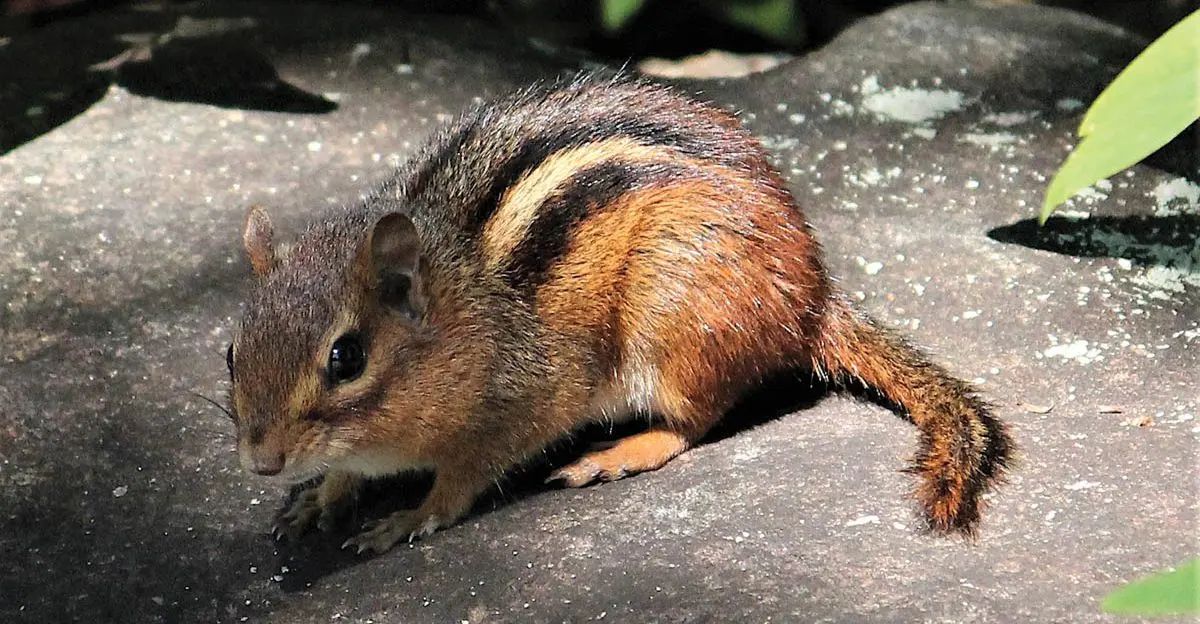
In the wild, chipmunks typically live for two to three years. While they are capable of surviving up to five years, high predation rates and environmental stressors often shorten their lifespans. In protected environments, such as captivity, some individuals may live for eight years or longer with proper care and nutrition.
On this page
How long do chipmunks live in the wild?
Most chipmunks in their natural habitat rarely reach their full biological potential due to the constant threat of predators. Common hunters of these small rodents include hawks, owls, foxes, snakes, and domestic cats. Because they spend much of their time foraging on the ground, they are highly vulnerable to these threats. Consequently, the average life expectancy for a wild chipmunk is often closer to two years.
Environmental factors also play a significant role in their survival rates. Harsh winters, lack of food availability, and the spread of parasites can drastically reduce the population in a given area. While chipmunks are clever at storing food in their underground burrows to survive the cold, a particularly long or severe winter can lead to starvation. These combined pressures ensure that only a small percentage of chipmunks live to see their fourth or fifth year in the wild.
What factors affect chipmunk lifespan?
Several variables dictate whether a chipmunk thrives or perishes early in its life. Genetics, habitat quality, and the availability of high-energy food sources like nuts and seeds are primary determinants. A chipmunk living in a dense forest with plenty of cover is statistically more likely to survive than one living in an exposed suburban yard.
Beyond external threats, the health of the individual is paramount. Chipmunks are susceptible to various diseases and infestations that can weaken their immune systems. Stress, often caused by human encroachment or habitat fragmentation, further contributes to a shorter lifespan. To better understand these influences, consider the following factors that impact their longevity:
- Predation pressure from local wildlife and pets.
- Quality and variety of available food sources.
- Severity of winter temperatures and length of the hibernation period.
- Exposure to environmental toxins or pesticides in residential areas.
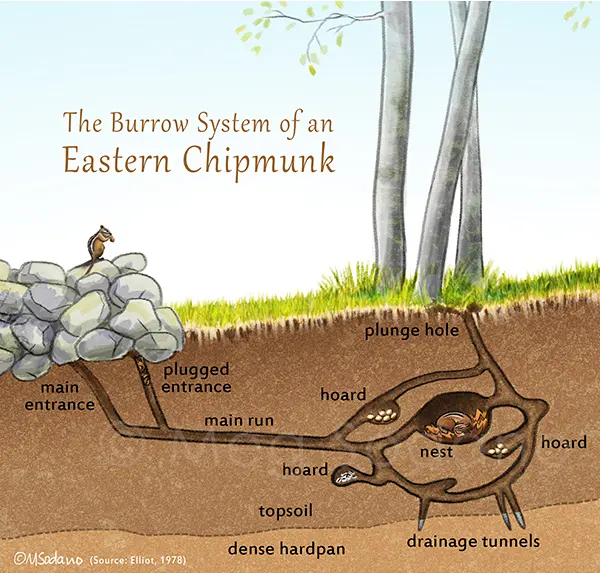
- The structural integrity and depth of their burrow systems.
How do chipmunks survive the winter?
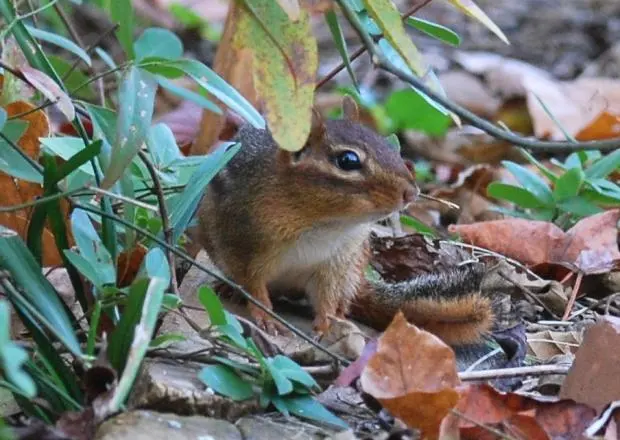
Chipmunks do not truly hibernate in the way bears do. Instead, they enter a state of torpor, where their body temperature drops and their heart rate slows significantly to conserve energy. They wake up periodically throughout the winter to eat from their cached food supplies. This cycle of waking and sleeping requires them to have a substantial store of nuts, seeds, and grains prepared before the first frost arrives.
The success of this strategy is vital for their survival. If a chipmunk fails to gather enough food during the autumn months, it will likely not survive until spring. During these colder months, they remain deep underground, which protects them from freezing temperatures and most predators. However, if their burrow is disturbed by heavy machinery or digging animals, they become exposed to the elements, which almost always results in a fatal outcome for the rodent.
How to care for chipmunks in captivity?
If you are caring for an injured or rescued chipmunk, providing a specialized environment is essential for extending its life. Captive chipmunks require a large, secure enclosure that allows for climbing and burrowing behaviors. They are highly active animals that need significant space to exercise, or they will quickly develop health issues related to inactivity and obesity.
Proper nutrition is the most critical aspect of captive care. You must provide a diverse diet to prevent nutritional deficiencies. Follow these steps to ensure the health of a captive chipmunk:
- Provide a high-quality rodent block designed for squirrels or chipmunks as a base.
- Supplement their diet with fresh vegetables and a variety of nuts, such as acorns, walnuts, and sunflower seeds.
- Ensure constant access to clean, fresh water via a drip bottle or shallow dish.
- Clean the cage weekly to prevent the buildup of ammonia and bacteria.
- Offer natural materials like branches and tunnels to satisfy their instinctual need to chew and hide.
Common mistakes when observing chipmunks
Many people make the mistake of feeding chipmunks human food, which is detrimental to their long-term health. Processed snacks, sugary treats, and salty foods can lead to severe digestive issues and metabolic disorders. Furthermore, encouraging chipmunks to approach humans for food creates a dangerous dependency. This behavior makes them less cautious around predators and vehicles, significantly increasing the likelihood of an accidental death.
Another common error is attempting to keep a wild chipmunk as a pet. Wild chipmunks are not domesticated; they are high-strung, territorial, and prone to biting when stressed. Attempting to confine a wild adult typically results in extreme psychological distress, which can lead to a rapid decline in health. If you find a chipmunk that appears to be in distress, the best course of action is to contact a licensed wildlife rehabilitator rather than attempting to intervene yourself. By respecting their wild nature and keeping a respectful distance, you allow them the best possible chance to live out their natural lifespan in their own environment.
Key facts
- Chipmunks typically live for two to three years in the wild.
- Captive chipmunks can live up to eight years due to protection from predators and consistent food.
- High mortality rates in the wild are primarily caused by predators like hawks, foxes, snakes, and domestic cats.
- Winter survival is a major factor in lifespan, as chipmunks rely on stored food caches to survive the cold.
- Avoid using rodenticides near your home, as these poisons are a leading cause of accidental death for local chipmunk populations.
- Providing a safe, sheltered environment with access to clean water can help support the health of chipmunks in your garden.
The bottom line
While chipmunks are energetic and common sights in many gardens, their lives are remarkably brief. In the wild, most survive only a few years due to constant predation and the harsh demands of winter. By providing a habitat free from toxic chemicals and offering natural food sources, you can help these small mammals thrive, though their natural lifespan remains limited by their place in the food chain.
People also ask
Do chipmunks hibernate during the winter?
Chipmunks do not enter true hibernation like bears, but they do enter a state of torpor. They wake up periodically to eat from their stored food supplies before returning to sleep.
What do chipmunks eat to stay healthy?
Their diet consists mainly of seeds, nuts, berries, and grains. They also consume insects, bird eggs, and small fungi, which provide essential proteins and nutrients.
How many babies does a chipmunk have?
A female chipmunk typically has one or two litters per year, with an average of four to five pups per litter. These young reach independence in about six to eight weeks.
Why do chipmunks dig holes in my yard?
They dig complex burrow systems to store food, raise their young, and escape predators. These burrows can extend several feet underground and feature multiple escape exits.
Are chipmunks considered pests?
While they are generally harmless, they can become pests if they burrow under foundations or steal large amounts of birdseed. Managing their population is best done through exclusion rather than extermination.
How can I tell how old a chipmunk is?
It is difficult to determine the exact age of a wild chipmunk by sight alone. Generally, younger chipmunks are smaller and more active, while older ones may appear slightly slower or have thinner fur.
This answer was created with the help of AI research tools and reference sources. Spotted an error? Let us know — we correct mistakes quickly. See our editorial policy.