What is a baby hawk called?
Short answer
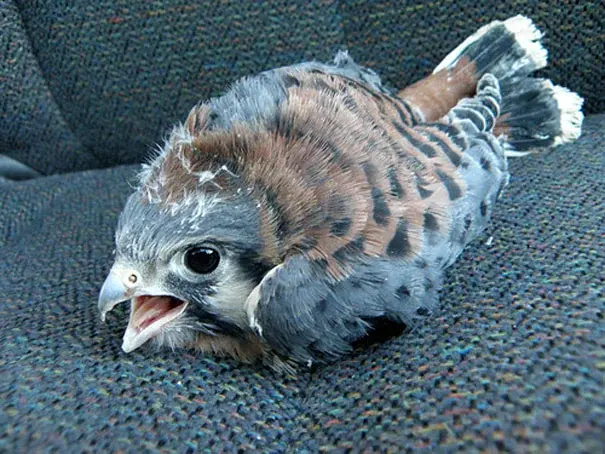
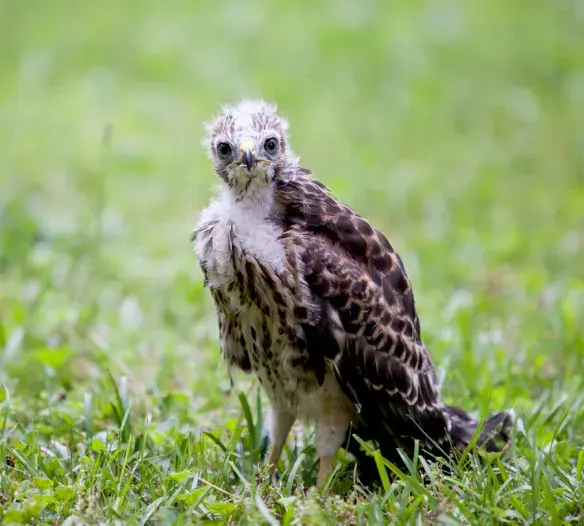
A baby hawk is called an eyas. This term specifically refers to a young hawk that is still in the nest and unable to fly. Once the bird matures and begins to leave the nest, it is referred to as a fledgling. These terms are standard in both ornithology and falconry.
On this page
What is a baby hawk called?
The term "eyas" is derived from the Middle English word "ey," meaning egg, and has been used for centuries by falconers to describe a nestling raptor. While the general public might use the term "chick" or "baby hawk," professionals distinguish between different stages of development. An eyas is entirely dependent on its parents for food and protection, remaining in the nest until it develops the necessary plumage and muscle strength for flight.
Beyond the term eyas, researchers often categorize young hawks based on their specific physical milestones. A nestling is a bird that has not yet left the nest, while a fledgling is a bird that has left the nest but is still being fed by its parents. Once the bird reaches independence and begins to hunt on its own, it is classified as a juvenile. Understanding these distinctions helps bird watchers and researchers track the growth and survival rates of local hawk populations accurately.
How do hawks raise their young?
Hawks are dedicated parents that invest significant energy into the nesting process. Both the male and female typically participate in building the nest, which is often constructed of sticks and lined with softer materials like bark or pine needles. Once the eggs are laid, the female usually performs the majority of the incubation, while the male focuses on hunting to provide food for the female and, eventually, the growing eyases.
The feeding process is highly structured to ensure the survival of the brood. The parents perform the following roles:
- The male delivers prey to the nest, often decapitating or plucking it first.
- The female tears the prey into small, manageable pieces for the young.
- The eyases compete for food, with the strongest often receiving the most, a natural behavior that ensures the survival of the fittest in the wild.
This period of intense care lasts for several weeks until the young hawks are ready to fledge.
How long does it take for a hawk to fly?
The time it takes for an eyas to become a fledgling varies depending on the species, but most hawks follow a similar timeline. Generally, large hawks like the red-tailed hawk spend between 40 and 50 days in the nest before their first flight. Smaller species, such as the sharp-shinned hawk, may fledge in as little as 25 to 30 days. During this time, the eyas practices flapping its wings while standing at the edge of the nest to build strength.
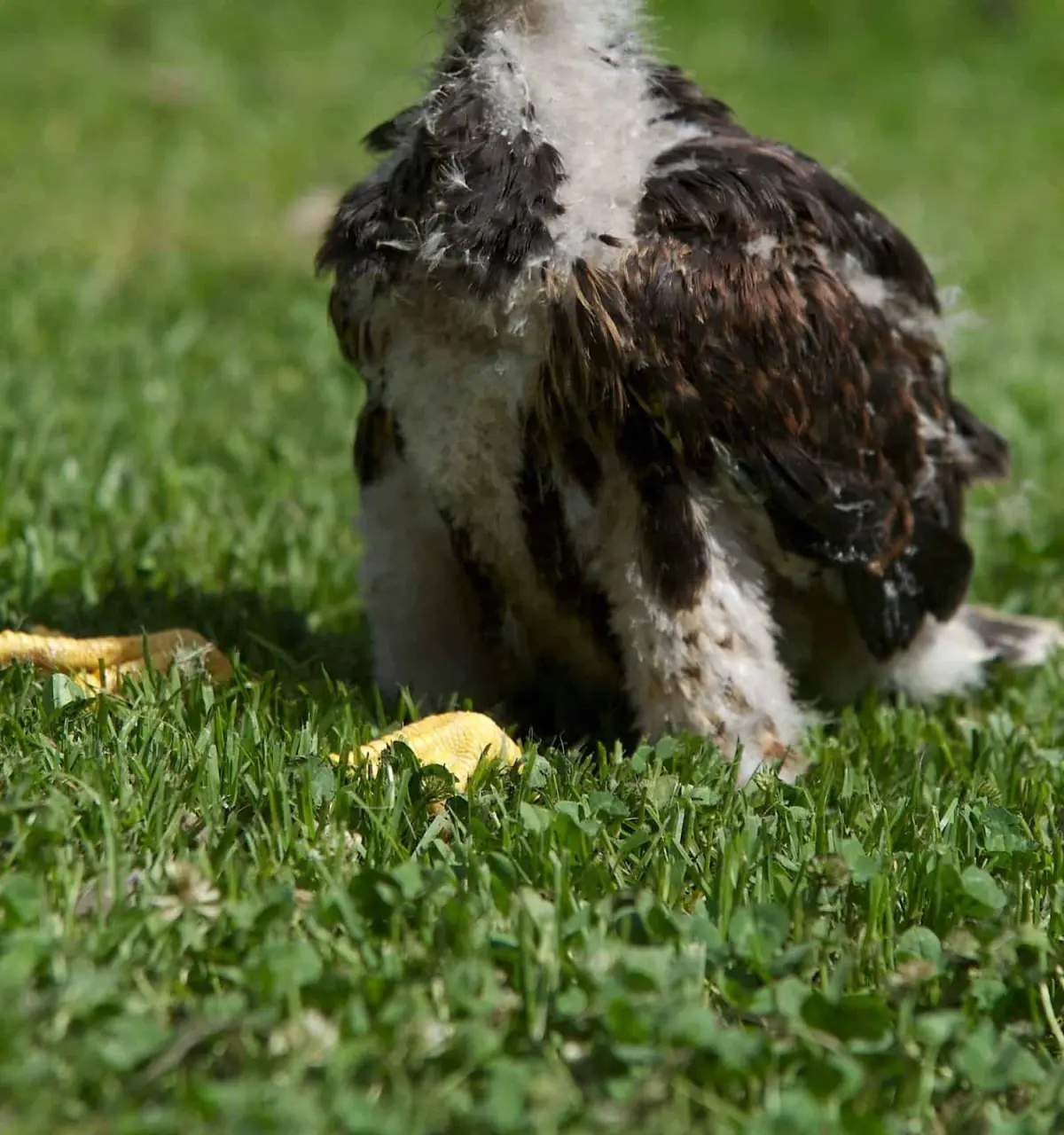
When the young hawk finally takes its first flight, it is a clumsy and tentative process. It often lands on nearby branches or even the ground, where it remains vulnerable to predators. The parents continue to monitor the fledgling closely, bringing food to the ground or low branches until the young bird gains the confidence and coordination to hunt independently. This transition period is critical for the long-term survival of the young raptor.
Common mistakes when observing hawks
Many amateur bird watchers make the mistake of assuming a young hawk on the ground is abandoned or injured. In reality, it is common for fledglings to spend several days on the ground or in low brush while they learn to fly. If you see a young hawk that appears healthy, has no visible blood, and is alert, it is likely being watched by its parents from a nearby tree. Approaching or "rescuing" these birds often does more harm than good.
To observe hawks safely and ethically, follow these guidelines:
- Maintain a significant distance to avoid causing stress to the parents or the eyas.
- Never attempt to feed a young hawk, as this can lead to human imprinting, which prevents the bird from learning natural hunting behaviors.
- Keep pets leashed in areas where fledglings are known to be active to prevent accidental injury.
- Avoid using flash photography, as it can startle the birds and cause them to fall from the nest or branches prematurely.
Why do hawks nest in specific locations?
Hawks choose nesting sites that offer both security and proximity to abundant food sources. They prefer tall trees, cliffs, or even man-made structures like utility poles that provide a clear view of the surrounding territory. By elevating their nests, parents can easily spot potential predators or threats, ensuring the safety of their eyases. The height also provides a convenient launch pad for the young when they are ready to begin their first flight attempts.
Environmental factors such as wind patterns and sun exposure also influence site selection. A well-placed nest protects the eyases from extreme weather while allowing the parents to enter and exit the nest quickly. As urban areas expand, some hawks have adapted to nesting in suburban neighborhoods, provided there are enough large trees and open spaces for hunting small mammals and birds. Observing these nesting habits provides a fascinating glimpse into the adaptability of these apex predators as they raise their young in diverse landscapes.
Key facts
- A baby hawk is most commonly and accurately called an eyas.
- The term eyas specifically refers to a young hawk that is still in the nest and unable to fly.
- Hawks are also referred to as raptors or birds of prey, and their young are sometimes colloquially called chicks.
- A hawk's nest is known as an eyrie or a nest, where the young remain for several weeks after hatching.
- Once an eyas begins to leave the nest but remains dependent on its parents, it is often referred to as a brancher.
- If you find a young hawk on the ground, do not immediately assume it is abandoned; it may simply be a fledgling practicing its flight.
The bottom line
The term for a baby hawk is an eyas, a word derived from Middle English that specifically denotes a raptor still residing in its nest. Understanding the developmental stages from eyas to brancher is essential for wildlife enthusiasts. If you encounter a young hawk, prioritize observation over interference, as parents are usually nearby. Always consult professional wildlife experts if you suspect a bird is truly in distress.
People also ask
How long do hawks stay in the nest?
Most hawks remain in the nest for about 6 to 8 weeks depending on the species. During this time, both parents work to provide food and protection until the eyas is ready to fledge.
What should I do if I find an injured baby hawk?
Do not attempt to feed or care for the bird yourself, as this is often illegal and harmful. Contact a licensed wildlife rehabilitator or a local animal control agency immediately for professional assistance.
How can I tell if a baby hawk is actually abandoned?
If the bird is fully feathered and hopping around, it is likely a fledgling learning to fly. Observe from a distance for several hours to see if the parents return with food before intervening.
Do both male and female hawks care for the young?
Yes, both parents typically share the responsibilities of nesting and feeding. The female often stays with the young while the male hunts, though roles may shift as the eyas grows larger.
What do baby hawks eat?
Parents feed their young a diet of small mammals, reptiles, or other birds. As the eyas matures, the parents bring larger prey items to the nest to help the young develop their hunting skills.
Are hawks dangerous to humans?
While hawks are powerful predators, they generally avoid humans and will only attack if they feel their nest or young are directly threatened. It is best to keep a respectful distance from any active hawk nest.
This answer was created with the help of AI research tools and reference sources. Spotted an error? Let us know — we correct mistakes quickly. See our editorial policy.