What is Switzerland known for?
Short answer
Switzerland is internationally renowned for its political neutrality, high-quality manufacturing, and breathtaking Alpine geography. It maintains a global reputation for precision engineering, particularly in watchmaking and banking. Furthermore, the country is celebrated for its exceptional standard of living, efficient public transportation systems, and iconic culinary exports like chocolate and artisanal cheeses.
On this page
Why is Switzerland famous for watches?
Switzerland has been the global epicenter of horology since the 16th century, when French Huguenot refugees brought their watchmaking skills to Geneva. Today, the nation produces some of the most expensive and accurate timepieces in the world, characterized by the "Swiss Made" label. This designation is strictly regulated by law, requiring that at least 60 percent of a watch's production costs occur within Switzerland and that the movement is Swiss-assembled and inspected.
The industry thrives on a combination of centuries-old craftsmanship and modern industrial precision. Major brands such as Rolex, Patek Philippe, and Omega define the market, often utilizing mechanical movements that require no batteries. These watches are viewed as long-term investments rather than mere accessories. Collectors value the intricate complications, such as tourbillons and perpetual calendars, which demonstrate the pinnacle of mechanical engineering.
How does the Swiss banking system work?
Switzerland is synonymous with private banking and wealth management, a reputation built on stability, discretion, and a robust legal framework. The Swiss banking sector accounts for approximately 10 percent of the nation's GDP. While the era of absolute banking secrecy has largely ended due to international tax transparency agreements, the country remains a primary hub for global assets because of its political stability and the strength of the Swiss franc.
Banking in Switzerland is characterized by:
- A high degree of capitalization, ensuring that banks remain solvent even during global economic downturns.
- A focus on fiduciary services, where banks act as trusted managers for high-net-worth individuals and institutional clients.
- Strict regulatory oversight by the Swiss Financial Market Supervisory Authority (FINMA).
Despite these strengths, potential clients should be aware that Swiss banks often charge significant maintenance fees and require high minimum deposits.
Best ways to travel by train in Switzerland
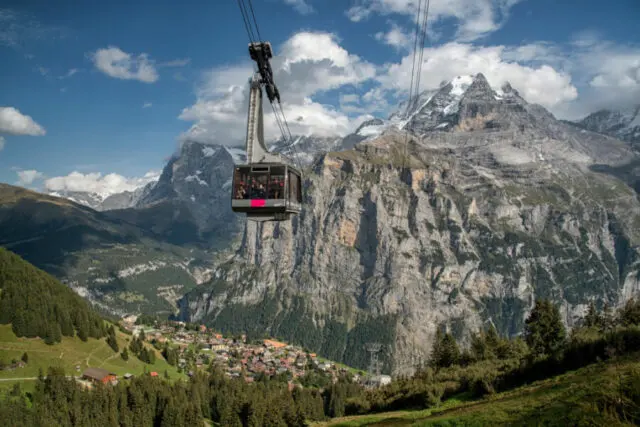
The Swiss Federal Railways (SBB) operates one of the most efficient and punctual rail networks in the world. Traveling by train is the preferred method for exploring the country, as the system connects remote mountain villages with major urban centers like Zurich, Geneva, and Bern. The network is fully integrated with buses, boats, and cable cars, allowing for seamless transitions between different modes of transport.
To navigate the system effectively, follow these steps:
- Download the SBB Mobile app to check real-time schedules and purchase digital tickets.
- Consider purchasing a Swiss Travel Pass, which offers unlimited travel across the entire network for a set number of days.
- Validate your ticket before boarding if you are not using a digital version to avoid hefty fines.
A common mistake is assuming that all scenic routes are included in standard tickets. While most are, some premium panoramic trains, such as the Glacier Express, require seat reservations and supplemental fees.
What to know about Swiss chocolate and cheese
Switzerland consistently ranks as the world’s top consumer of chocolate per capita, with an average citizen eating nearly 9 kilograms annually. The country’s contribution to the industry includes the invention of milk chocolate by Daniel Peter in 1875 and the development of the conching process by Rodolphe Lindt. These innovations transformed chocolate from a gritty, bitter substance into the smooth, creamy product recognized globally today.
Cheese production is equally significant, deeply rooted in Alpine traditions. The country produces over 450 varieties, with Gruyère and Emmentaler being the most famous exports. These cheeses are often produced using raw cow's milk and traditional copper vats. When purchasing authentic Swiss cheese, look for the AOP (Appellation d'Origine Protégée) seal, which guarantees the product was made in its region of origin using traditional methods. Avoid purchasing mass-produced "Swiss-style" cheese found in international supermarkets, as these lack the depth of flavor and texture found in authentic, mountain-aged varieties.
Common mistakes when visiting Switzerland
Visitors often underestimate the cost of living in Switzerland, which is among the highest in the world. Dining out, accommodation, and even basic groceries can be significantly more expensive than in neighboring countries. To manage costs, travelers should look for "Lunch Specials" in restaurants and utilize local supermarkets like Coop or Migros for picnic supplies. Another frequent oversight is failing to prepare for the weather, which can change rapidly in the Alps regardless of the season.
To ensure a smooth trip, keep these tips in mind:
- Always carry a reusable water bottle, as the public fountains throughout Swiss cities provide pristine, drinkable water for free.
- Remember that most shops and businesses close on Sundays, making it difficult to buy supplies if you have not planned ahead.
- Respect local quiet hours, particularly in residential areas and apartment buildings, as the Swiss place a high value on public order and tranquility.
By adhering to these cultural norms, visitors can better integrate into the orderly and respectful environment that defines the Swiss way of life.
Key facts
- Switzerland has four official languages: German, French, Italian, and Romansh.
- The country is home to the world’s longest rail tunnel, the Gotthard Base Tunnel, stretching 57 kilometers.
- Switzerland is not a member of the European Union, though it maintains close economic ties through bilateral agreements.
- The nation is famous for its high-quality chocolate, with the average Swiss person consuming about 10 kilograms annually.
- The Swiss Armed Forces maintain a unique militia system where most male citizens serve mandatory military service.
- When visiting, always validate your train ticket before boarding regional trains to avoid heavy on-the-spot fines.
The bottom line
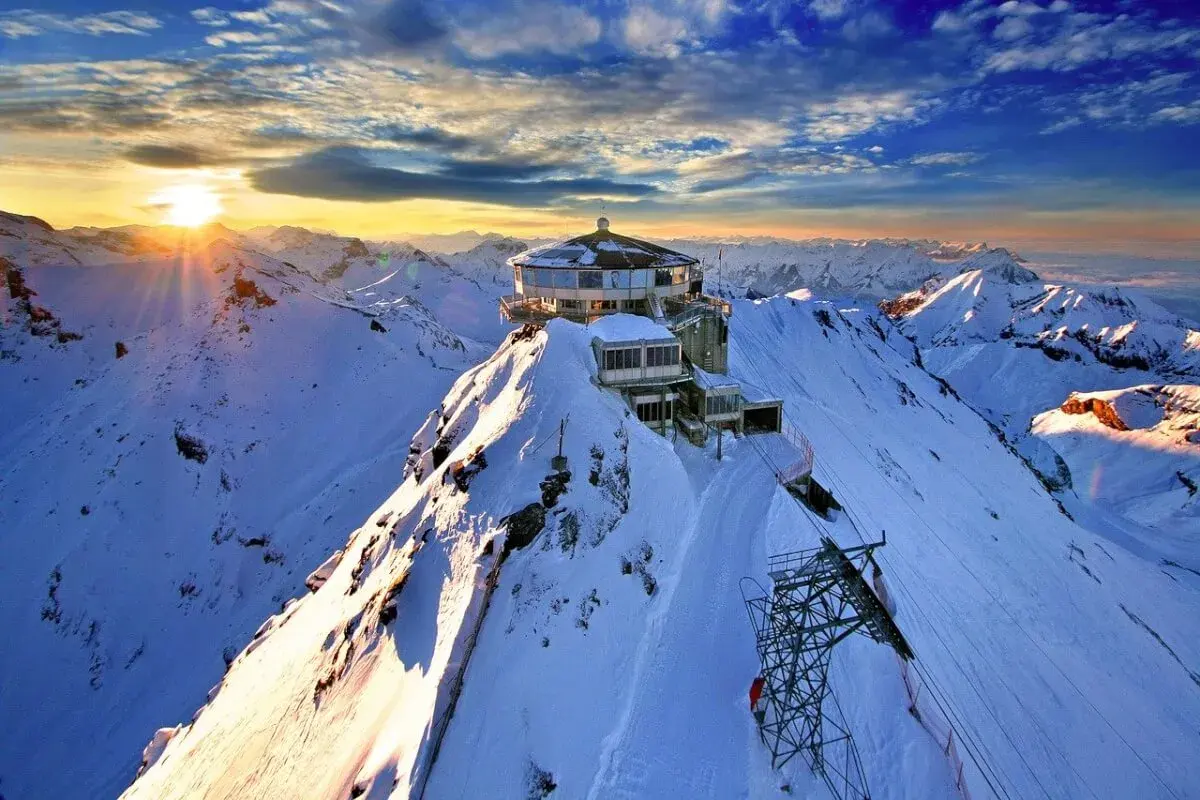
Switzerland is defined by its stunning Alpine geography, political neutrality, and precision-engineered infrastructure. Beyond its famous chocolate and luxury watches, the nation offers a high standard of living and a robust public transport system that makes travel seamless. Whether you are exploring historic cities or mountainous regions, Switzerland provides a unique blend of cultural diversity and natural beauty that remains a top destination for international travelers.
People also ask
Is Switzerland an expensive country to visit?
Yes, Switzerland is consistently ranked among the most expensive countries in the world. Travelers should budget significantly more for dining, accommodation, and transportation compared to neighboring European nations.
What is the best way to travel around Switzerland?
The Swiss Federal Railways (SBB) offers an incredibly efficient and punctual train network that reaches almost every corner of the country. Purchasing a Swiss Travel Pass is often the most cost-effective way for tourists to access trains, buses, and boats.
Do I need to tip in Swiss restaurants?
Tipping is not mandatory in Switzerland because service charges are already included in the bill by law. It is common practice to round up the total to the nearest franc or leave a small tip of 5-10% for exceptional service.
What is the primary currency used in Switzerland?
The currency is the Swiss franc (CHF), not the Euro. While some shops in tourist areas may accept Euros, you will receive change in Swiss francs, often at an unfavorable exchange rate.
Is it safe to drink tap water in Switzerland?
The tap water in Switzerland is of exceptional quality and is safe to drink everywhere. You can fill your reusable bottle at any of the thousands of public fountains found in cities and mountain villages.
What are the emergency numbers in Switzerland?
Dial 117 for police, 118 for the fire department, and 144 for ambulance services. The general European emergency number 112 also works throughout the country.
This answer was created with the help of AI research tools and reference sources. Spotted an error? Let us know — we correct mistakes quickly. See our editorial policy.