What is the largest animal in the world?
Short answer
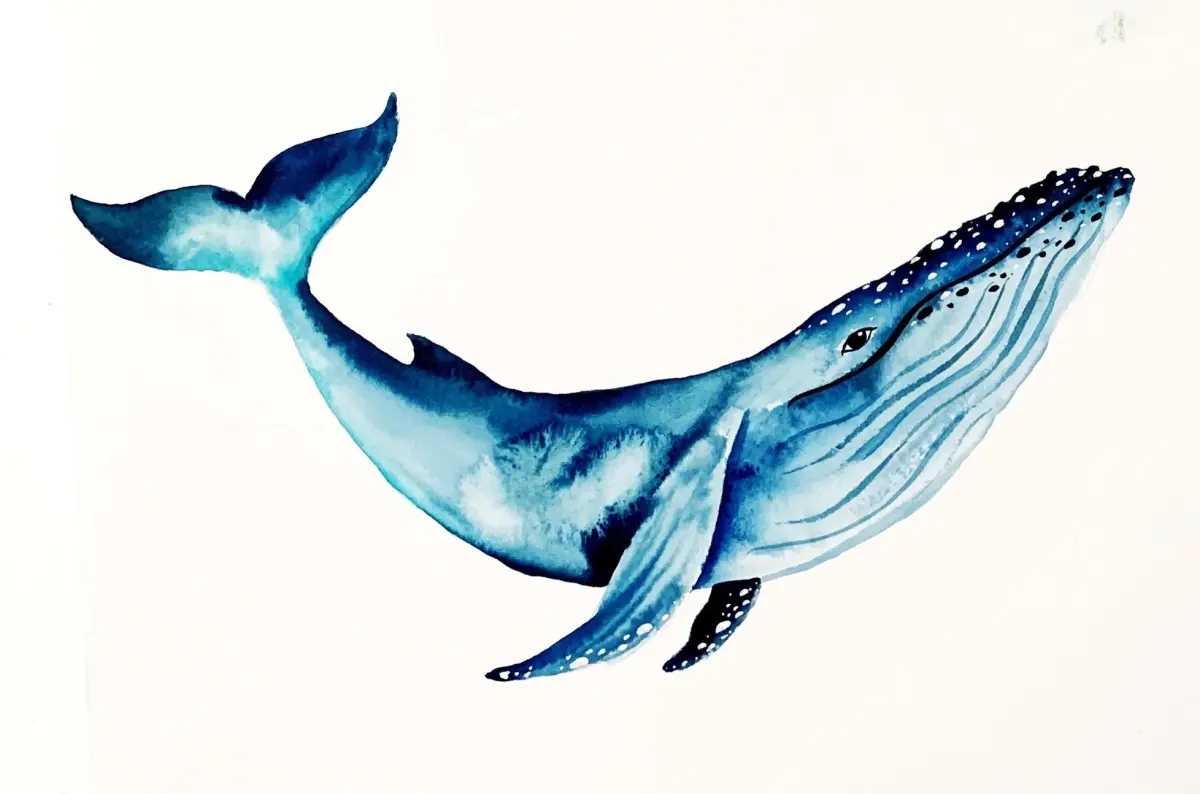
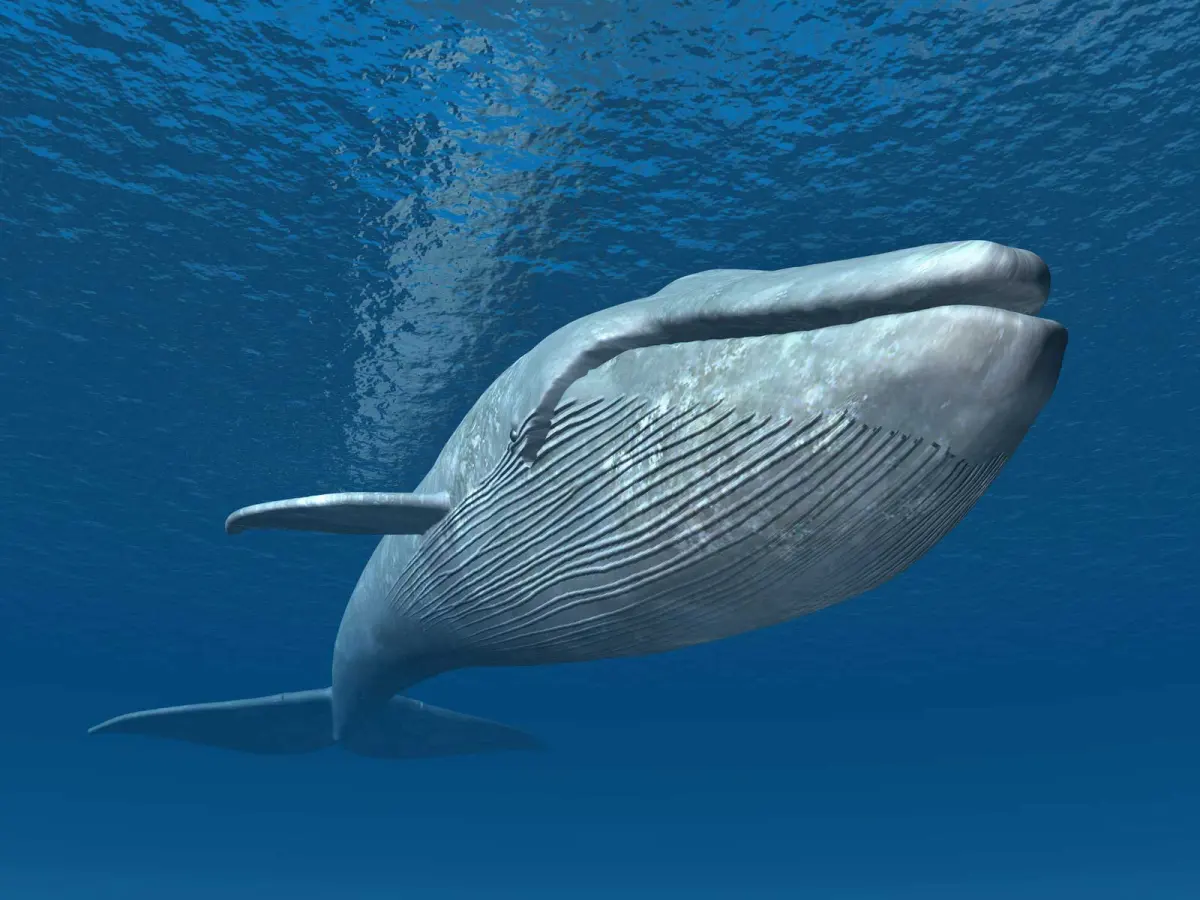
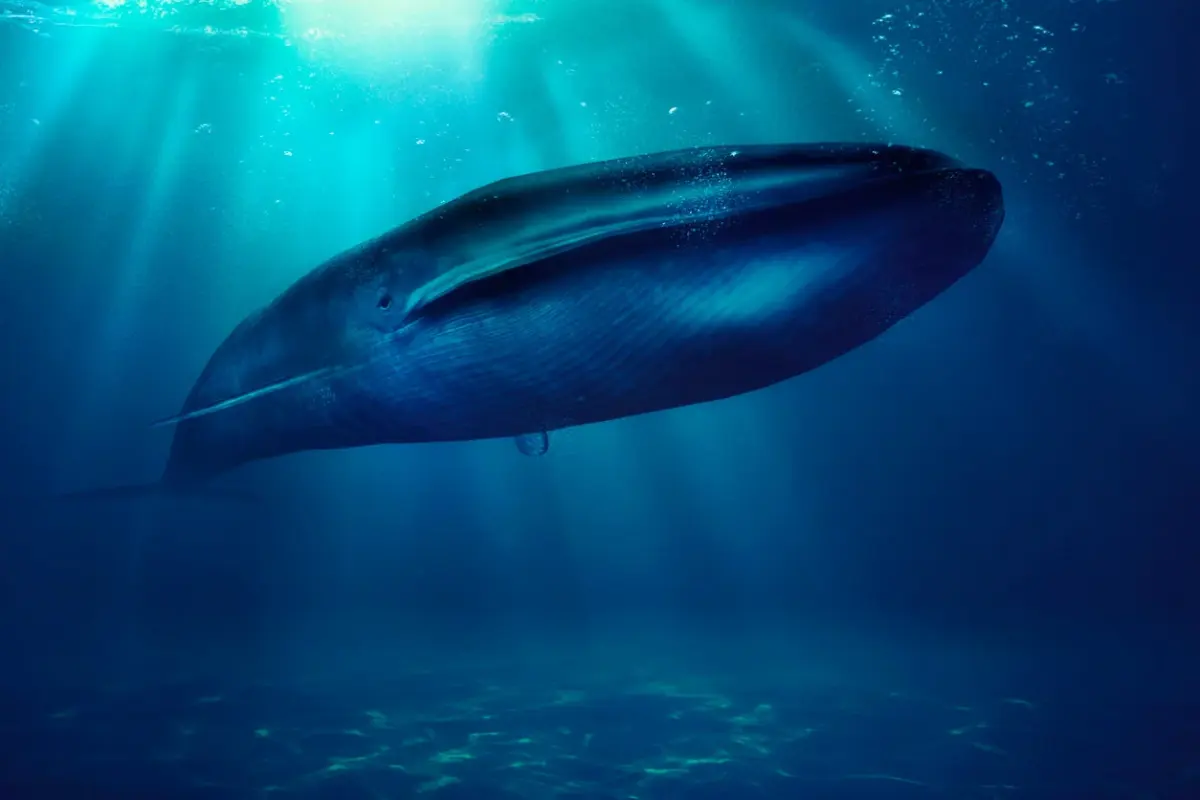
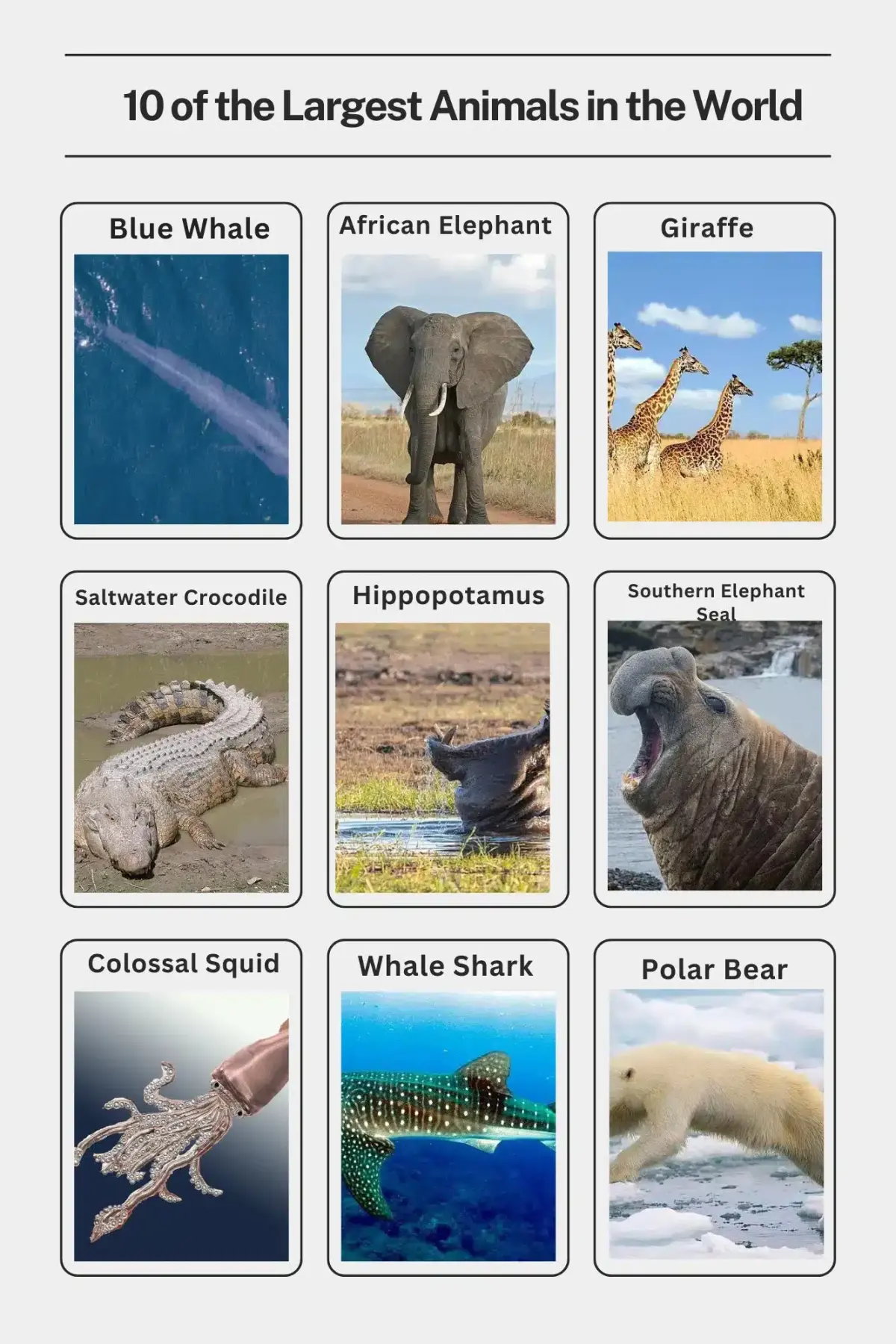
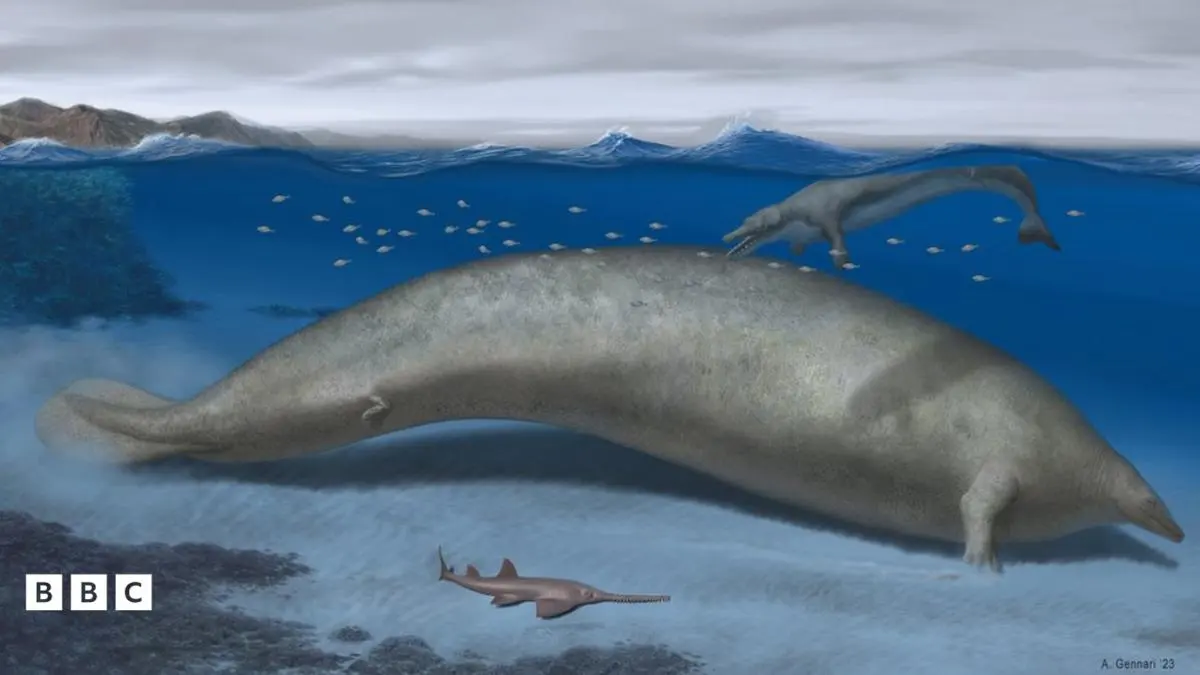
The blue whale (Balaenoptera musculus) is the largest animal to have ever lived on Earth. These massive marine mammals can reach lengths of up to 100 feet (30 meters) and weigh as much as 200 tons (181 metric tonnes). They significantly surpass even the largest known dinosaurs in total body mass.
On this page
How big is a blue whale exactly?
The sheer scale of a blue whale is difficult to comprehend without direct comparison. An adult blue whale’s tongue alone can weigh as much as an entire elephant, and its heart is roughly the size of a bumper car. These mammals are so large that their blood vessels are wide enough for a human to swim through, though such a feat is impossible in reality. Their physical dimensions allow them to dominate the oceans, where the buoyancy of water supports their immense weight.
To put their size into perspective, consider these specific measurements:
- Length: Typically ranges from 80 to 100 feet.
- Weight: Usually between 100 and 200 tons.
- Tongue: Weighs approximately 2.7 tons.
- Heart: Weighs about 400 pounds.
- Calves: Born at roughly 23 feet long and 2.5 tons.
Such dimensions make them the undisputed champions of the animal kingdom, far exceeding the size of any terrestrial creature that has walked the planet.
What do blue whales eat to maintain their size?
Despite their enormous size, blue whales survive on a diet consisting almost exclusively of tiny, shrimp-like crustaceans called krill. Because they are filter feeders, they do not have teeth; instead, they possess baleen plates made of keratin. A single blue whale can consume up to 4 tons of krill in a single day during peak feeding season. This highly efficient feeding strategy allows them to accumulate the massive energy reserves necessary to sustain their biological functions and migration patterns.
The feeding process is a marvel of marine engineering:
- The whale lunges into a dense swarm of krill with its mouth wide open.
- It takes in a massive volume of water, expanding its pleated throat grooves.
- The whale closes its mouth and uses its massive tongue to force the water out through the baleen plates.
- The trapped krill are then swallowed whole, providing the protein required to maintain their gargantuan body mass.
Where can you see blue whales in the wild?
Blue whales are found in every ocean across the globe, with the exception of the Arctic. They are migratory animals, often spending their summers in cold, nutrient-rich polar waters to feed, and moving toward warmer equatorial waters during the winter to breed and give birth. Because they travel long distances, spotting them requires knowledge of their seasonal movements and specific maritime habitats. Coastal areas with deep-water upwellings are often the best places to observe these creatures.
If you are planning a whale-watching excursion, keep these factors in mind:
- Research the peak migration months for your chosen destination.
- Choose reputable tour operators that adhere to strict marine mammal protection guidelines.
- Be prepared for long hours at sea, as sightings are never guaranteed.
- Use binoculars to spot the whale's distinct, tall blow, which can reach 30 feet in height.
- Respect the animal's space by maintaining a legal and safe distance to avoid causing stress.
Why are blue whales endangered?
The blue whale population was decimated during the 20th century due to commercial whaling. Before industrial hunting began, there were hundreds of thousands of blue whales roaming the oceans; today, their numbers are estimated to be between 10,000 and 25,000. While international protections have been in place since 1966, the species faces ongoing threats. These include ship strikes, entanglement in fishing gear, and the impacts of climate change on krill distribution, which directly affects their food supply.
Conservation efforts are critical to ensuring the survival of this species. Scientists monitor their populations using acoustic tracking and satellite tagging to better understand their behavior and habitat usage. Protecting their migration corridors and reducing ocean noise pollution are essential steps in helping the species recover. Public awareness and support for marine sanctuaries play a vital role in mitigating the human-induced risks that continue to hinder the growth of blue whale populations worldwide.
Common mistakes when learning about blue whales
A frequent error is assuming that all whales are the same size or that "whale" refers to a single species. Many people confuse the blue whale with the humpback or sperm whale, which are significantly smaller. Another common misconception is that blue whales are aggressive; in reality, they are gentle giants that pose no threat to humans. Furthermore, people often underestimate the importance of krill, mistakenly believing that such large animals must hunt larger prey like fish or seals.
When researching or observing these animals, avoid these pitfalls:
- Do not mistake the whale's blow for a fountain; it is actually a spray of pressurized air and water vapor.
- Avoid assuming that a whale's size makes it slow; they can reach speeds of over 30 miles per hour when threatened or migrating.
- Do not rely on outdated data, as our understanding of their population numbers and migratory routes evolves with new technology.
- Never attempt to approach a whale in a private vessel, as this is illegal in many jurisdictions and dangerous for both the boat and the animal.
By focusing on accurate, science-based information, you can gain a much deeper appreciation for the biology and ecological significance of the largest animal on Earth.
Key facts
- The blue whale (Balaenoptera musculus) is the largest animal known to have ever existed on Earth.
- Adults typically reach lengths of 80 to 100 feet and can weigh as much as 200 tons.
- A blue whale’s tongue alone can weigh as much as a whole elephant.
- These marine mammals consume up to 4 tons of tiny shrimplike krill every single day.
- Their hearts are roughly the size of a bumper car, and their blood vessels are wide enough for a human to swim through.
- When observing whales in the wild, always maintain a significant distance to avoid disturbing their natural feeding and migration behaviors.
The bottom line
The blue whale stands unrivaled as the largest creature in history, dwarfing even the biggest dinosaurs. Reaching immense sizes through a diet of tiny krill, these gentle giants play a vital role in marine ecosystems. By understanding their biology and respecting their need for undisturbed habitats, we can better appreciate the sheer scale and biological complexity of these magnificent animals that roam our vast oceans.
People also ask
How long do blue whales live?
Blue whales have an average lifespan of 80 to 90 years in the wild. Scientists determine their age by counting the layers of wax plugs found in their ears, which accumulate over time.
Read the full answer →Do blue whales have teeth?
No, blue whales are baleen whales, meaning they have plates made of keratin instead of teeth. They use these fringed plates to filter massive amounts of water to trap krill.
How loud is a blue whale?
Blue whales are among the loudest animals on the planet, producing low-frequency pulses that can reach 188 decibels. These sounds can travel hundreds of miles through the ocean to communicate with other whales.
Are blue whales dangerous to humans?
Blue whales are not aggressive toward humans and generally avoid contact with boats. Because they feed exclusively on tiny krill, they have no interest in hunting larger prey.
Why are blue whales so large?
Their massive size is an evolutionary advantage that helps them conserve heat in cold ocean waters and store energy for long migrations. Being large also protects them from most predators, with the exception of occasional orca attacks.
Can you see blue whales from the shore?
While they occasionally travel near coastlines, blue whales are primarily deep-ocean dwellers. To see them reliably, you typically need to book a specialized whale-watching excursion that travels into deeper offshore waters.
This answer was created with the help of AI research tools and reference sources. Spotted an error? Let us know — we correct mistakes quickly. See our editorial policy.