How do you make scrambled eggs?
Short answer
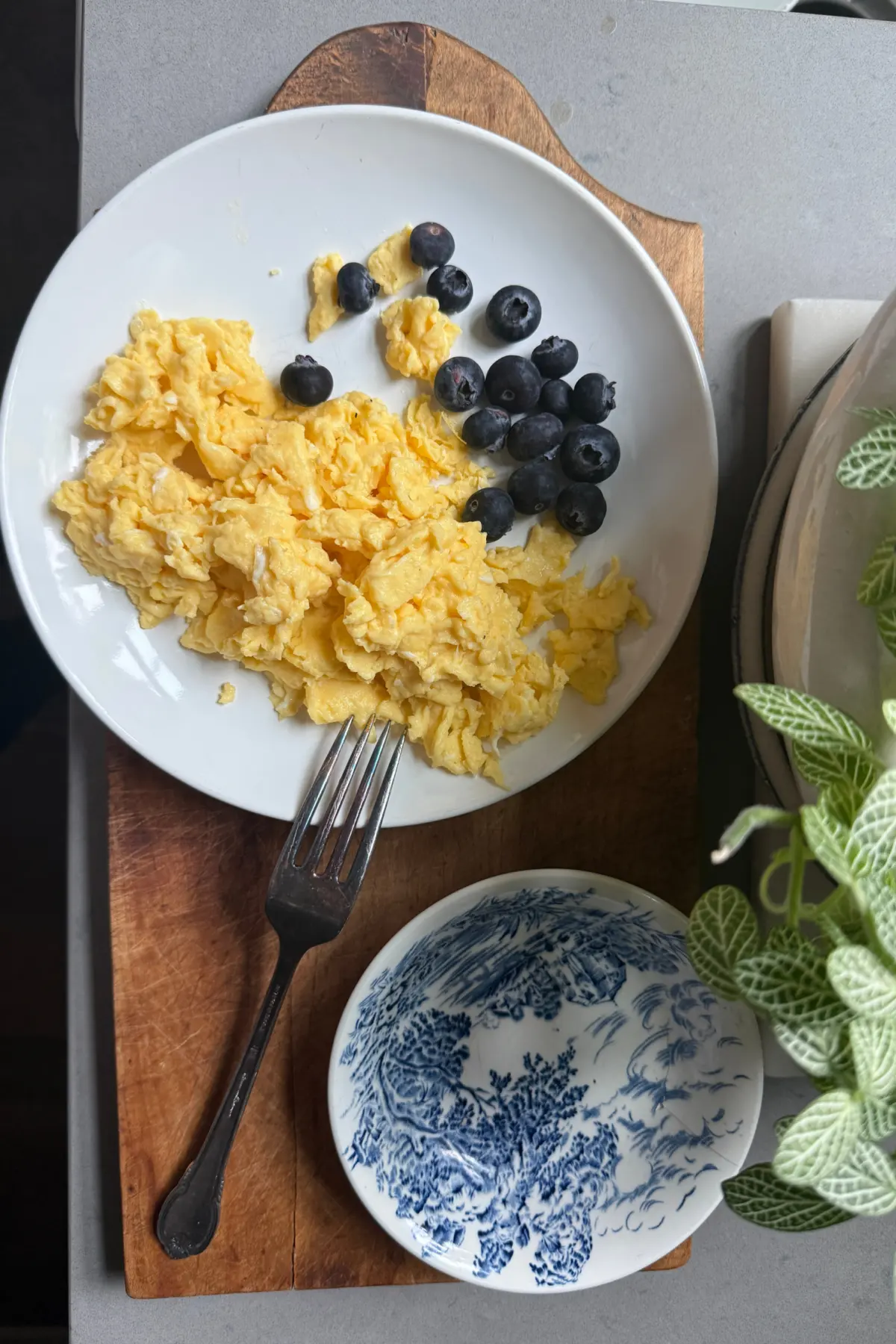
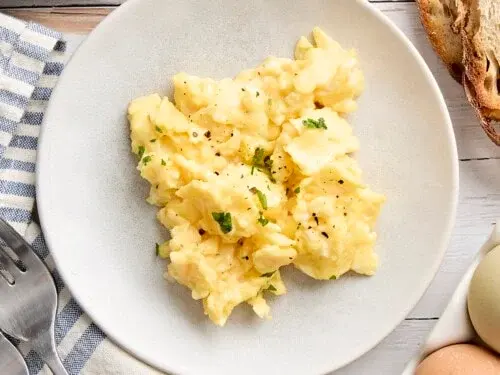
Scrambled eggs are made by whisking eggs with a pinch of salt and cooking them gently in a buttered pan over low to medium heat. By stirring constantly with a spatula, you create soft, creamy curds. Remove the pan from the heat while the eggs are still slightly wet to finish.
On this page
How to make perfect scrambled eggs
Making excellent scrambled eggs requires patience and control over heat. Start by cracking two or three large eggs into a bowl and whisking them vigorously with a fork until the yolks and whites are fully combined and no streaks remain. Adding a pinch of salt before cooking helps tenderize the proteins, preventing the eggs from becoming rubbery.
Heat a nonstick skillet over medium-low heat and add a half-tablespoon of unsalted butter. Once the butter is melted and foaming but not brown, pour in the egg mixture. Let the eggs sit undisturbed for about twenty seconds until the edges begin to set, then use a heat-resistant silicone spatula to gently push the cooked portions toward the center. Continue this folding motion until the eggs form soft, moist curds. Remove the pan from the heat while the eggs still appear slightly runny, as the residual heat will finish the cooking process on the plate.
How long does it take to cook scrambled eggs
The total time required to prepare scrambled eggs is typically between three and five minutes. The actual cooking time depends heavily on the heat level and the desired texture. A faster, high-heat method produces large, fluffy curds in under two minutes, while a slow-cooked, French-style approach can take up to ten minutes to achieve a custard-like consistency.
- Prepare your ingredients and whisk the eggs thoroughly.
- Melt butter in the pan over medium-low heat.
- Pour in the eggs and wait for the initial set.
- Fold the eggs continuously for two to three minutes.
- Remove from heat when the eggs look slightly underdone.
- Serve immediately on a warm plate to maintain the texture.
Most home cooks find that medium-low heat provides the best balance between speed and quality. If you are preparing eggs for a crowd, keep in mind that the eggs will continue to firm up even after they are plated, so pull them off the stove slightly earlier than you think necessary.
Best equipment for scrambled eggs
The most important tool for this dish is a high-quality nonstick skillet. The smooth surface prevents the proteins from bonding to the metal, allowing you to create delicate curds without tearing them. An eight-inch skillet is ideal for a two-to-three-egg portion, as it provides enough surface area for even cooking without spreading the eggs too thin.
You should also use a silicone spatula rather than a metal spoon or whisk. Silicone is flexible enough to hug the curved edges of the pan, ensuring that no egg is left behind or overcooked on the sides. A whisk is excellent for the initial beating of the eggs, but once the cooking begins, the spatula is your primary instrument for texture control. Avoid using cast iron unless it is perfectly seasoned, as the porous surface can cause the eggs to stick and become difficult to clean.
Why do scrambled eggs turn watery
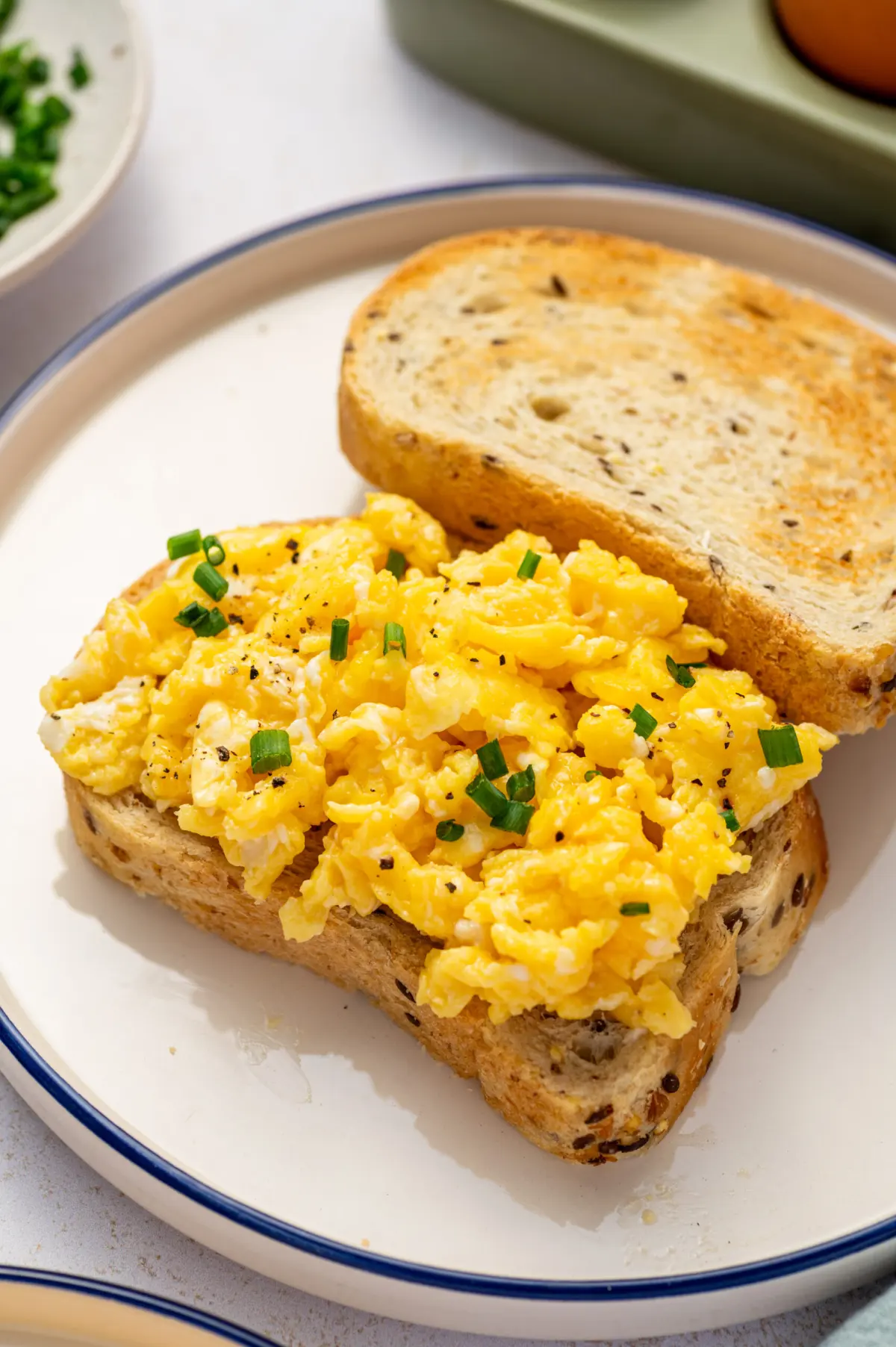
Watery or "weeping" eggs are usually the result of overcooking or improper salt timing. When eggs are cooked for too long or at a temperature that is too high, the protein network tightens and squeezes out the liquid trapped within the structure. This separation of water from the protein solids creates a pool of liquid on the plate.
- Avoid adding milk or cream, as these can dilute the egg flavor and increase the risk of separation.
- Do not salt the eggs too far in advance, as this can draw out moisture before the cooking begins.
- Use a lower heat setting to keep the protein structure relaxed and creamy.
- Always serve the eggs immediately, as they lose heat and moisture quickly once they are taken off the stove.
If you notice liquid forming in your pan, it is a sign that the heat was too high or you waited too long to remove the eggs from the burner.
Common mistakes when making scrambled eggs
One of the most frequent errors is over-whisking the eggs, which incorporates too much air and can lead to a dry, foamy texture. Another mistake is using high heat, which causes the outside of the eggs to toughen before the inside has a chance to set. This results in a dish that is simultaneously burnt on the bottom and raw in the middle.
- Adding cold eggs directly from the refrigerator to a hot pan can cause the butter to brown too quickly.
- Neglecting to stir the eggs constantly keeps the curds from forming evenly.
- Using a pan that is too large for the number of eggs causes the mixture to spread out and cook unevenly.
- Waiting until the eggs look completely dry in the pan ensures they will be overcooked by the time they reach the table.
By avoiding these pitfalls and focusing on gentle, consistent movement, you can achieve a professional-quality result every time you cook. Consistency is the key to mastering this fundamental dish.
Key facts
- Use a ratio of one tablespoon of whole milk or heavy cream per large egg for maximum fluffiness.
- Whisk the eggs thoroughly in a bowl until the yolks and whites are completely combined and no streaks remain.
- Cook eggs over low to medium-low heat to prevent the proteins from tightening too quickly and becoming rubbery.
- Use a nonstick skillet to ensure easy cleanup and prevent the eggs from sticking to the pan surface.
- Remove the pan from the heat while the eggs still look slightly wet, as residual heat will finish the cooking process.
- Season with salt only after the eggs are cooked, as adding salt too early can draw out moisture and toughen the texture.
The bottom line
Mastering scrambled eggs requires patience, low heat, and consistent movement. By whisking thoroughly, choosing the right fat, and pulling the eggs off the heat just before they appear fully dry, you ensure a tender, velvety result. Avoid the common mistake of overcooking, as eggs continue to firm up after leaving the pan. With these simple techniques, you can achieve a professional-quality breakfast in minutes.
People also ask
Should I use butter or oil for scrambled eggs?
Butter is generally preferred because it adds a rich, creamy flavor that complements the eggs. Oil is a functional alternative, but it lacks the depth of flavor provided by dairy fats.
Why do my scrambled eggs turn grey or green?
This discoloration occurs due to overcooking or the use of an iron skillet. High heat causes the sulfur in the egg whites to react with the iron in the yolk, creating a harmless but unappealing color.
Can I scramble eggs in a microwave?
You can cook eggs in a microwave by whisking them in a greased mug and heating in 30-second intervals. While fast, this method often results in a less uniform texture compared to stovetop cooking.
How do I make scrambled eggs extra fluffy?
Incorporating a small amount of liquid like water or cream helps create steam during cooking. Additionally, whisking the eggs vigorously before they hit the pan introduces air, which expands to create a lighter structure.
Is it necessary to use a whisk?
A fork is perfectly acceptable for scrambling eggs if you do not have a whisk. The goal is simply to break the membranes of the yolks and whites to ensure a uniform color.
How long do scrambled eggs stay fresh in the refrigerator?
Cooked eggs should be stored in an airtight container and consumed within three to four days. Always reheat them thoroughly to an internal temperature of 165°F (74°C) to ensure food safety.
This answer was created with the help of AI research tools and reference sources. Spotted an error? Let us know — we correct mistakes quickly. See our editorial policy.