What is a cell?
Short answer
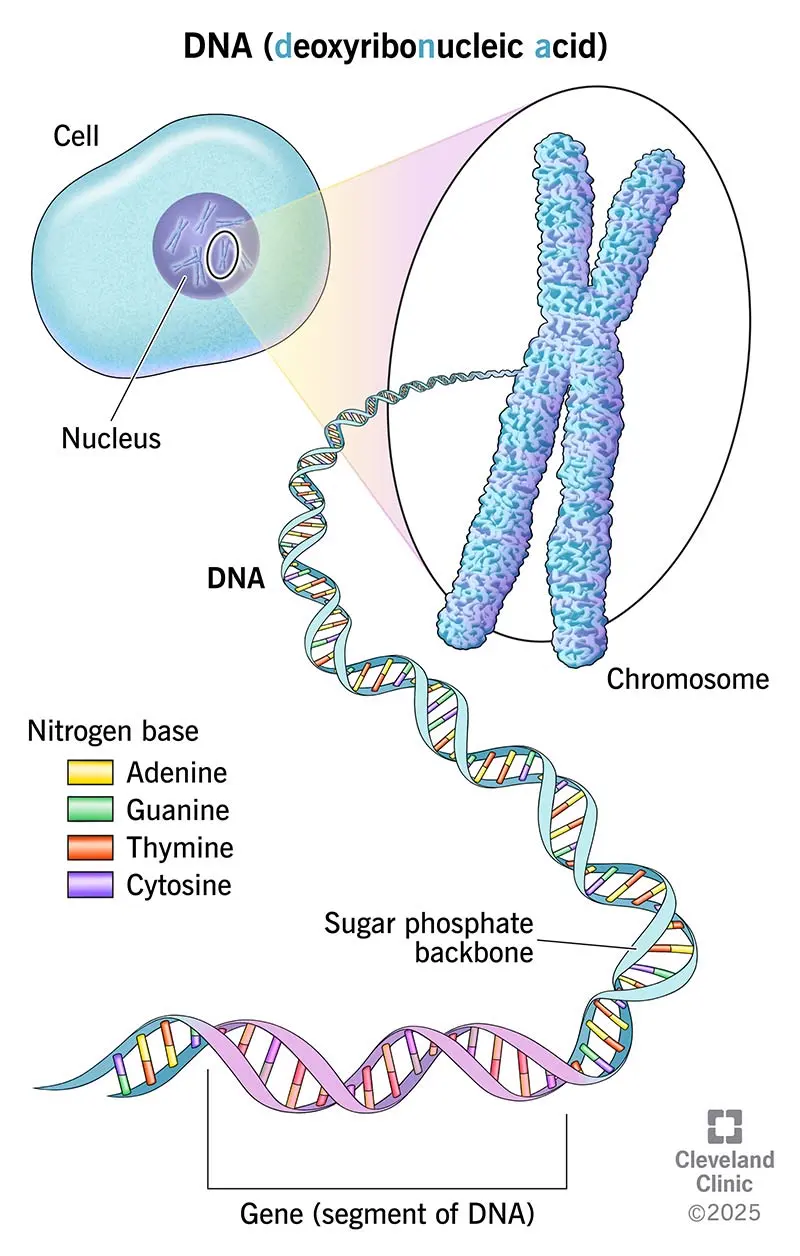
A cell is the fundamental structural and functional unit of all living organisms. Often described as the building block of life, it contains the genetic material and molecular machinery necessary for survival, growth, and reproduction. Cells may exist as independent single-celled organisms or function collectively to form complex multicellular life forms.
On this page
What are the different types of cells?
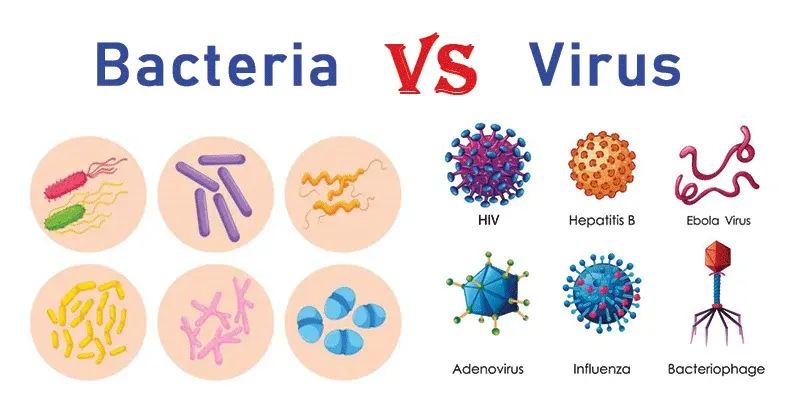
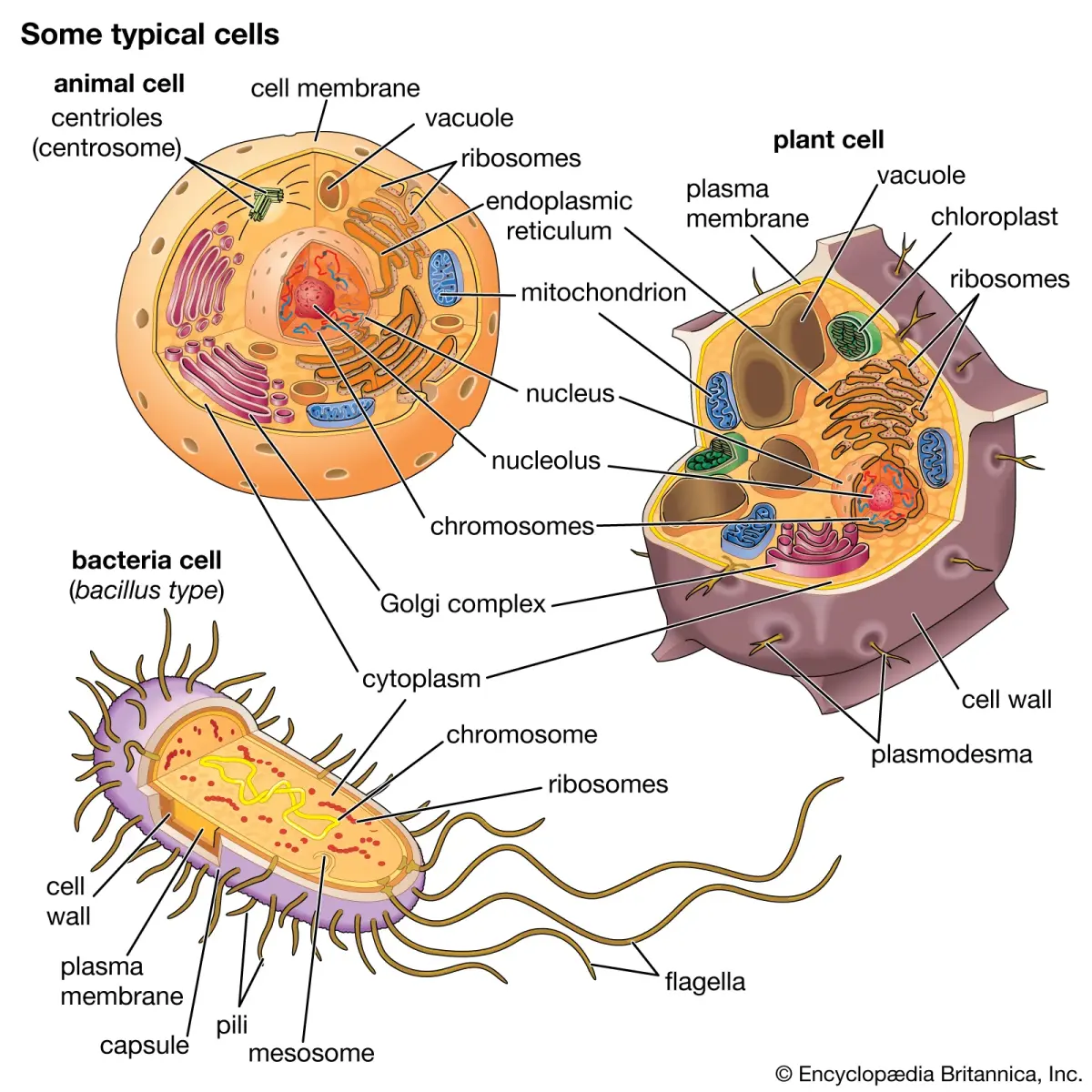
Biologists categorize all living cells into two primary groups based on their internal complexity: prokaryotic and eukaryotic cells. Prokaryotic cells, such as bacteria and archaea, are generally smaller and lack a membrane-bound nucleus. Their genetic material floats freely within the cytoplasm in a region called the nucleoid, and they typically lack specialized organelles. These organisms are almost always unicellular and represent some of the oldest life forms on Earth.
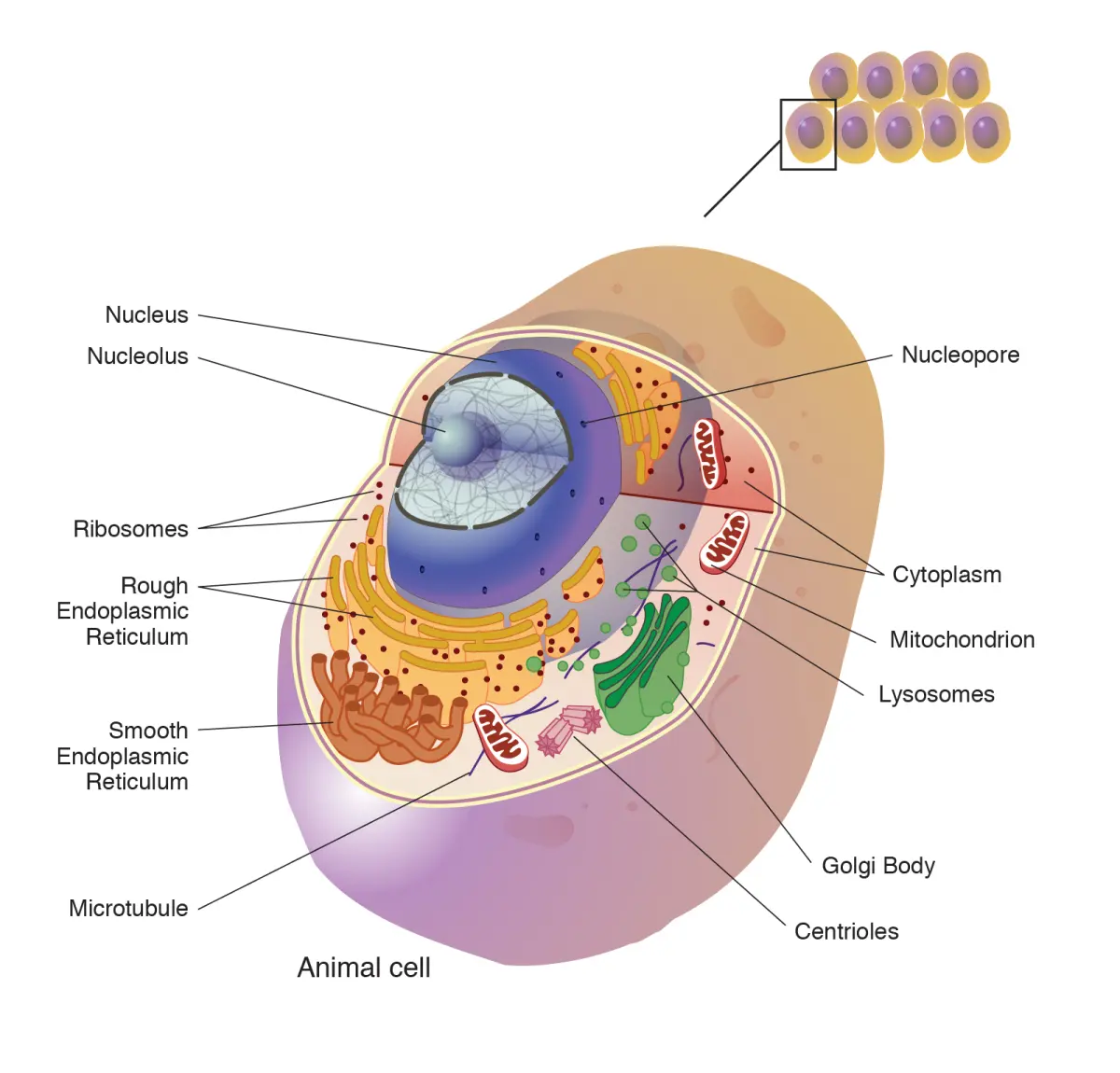
Eukaryotic cells are significantly more complex and contain a distinct, membrane-enclosed nucleus that houses DNA. These cells also feature various membrane-bound organelles, such as mitochondria for energy production and the endoplasmic reticulum for protein synthesis. Eukaryotic cells make up all plants, animals, fungi, and protists. They can exist as single-celled organisms like yeast or as part of massive, multicellular structures like a human body, which contains trillions of specialized eukaryotic cells.
- Prokaryotic: Simple structure, no nucleus, small size, includes bacteria.
- Eukaryotic: Complex structure, contains nucleus, organelles present, includes plants and animals.
How do cells function to keep us alive?
Cells perform a vast array of chemical reactions collectively known as metabolism to maintain life. They must constantly import nutrients, convert those nutrients into usable energy, and export waste products to prevent toxicity. Energy production primarily occurs through cellular respiration, where mitochondria break down glucose to produce adenosine triphosphate (ATP), the primary energy currency of the cell. This process allows the cell to power essential tasks like muscle contraction, nerve signaling, and chemical synthesis.
Beyond energy production, cells are masters of communication and replication. They receive signals from their environment or neighboring cells via surface receptors, triggering specific responses like growth or movement. When a cell needs to multiply, it undergoes a tightly regulated process called mitosis. During this cycle, the cell replicates its DNA and divides into two genetically identical daughter cells. This mechanism is vital for development, tissue repair, and the replacement of aging or damaged cells throughout an organism's lifespan.
- Nutrient intake: Cells absorb molecules from their surroundings.
- Energy conversion: Mitochondria transform glucose into ATP.
- Protein synthesis: Ribosomes build proteins based on genetic instructions.
- Waste disposal: Lysosomes and vacuoles break down and export cellular debris.
Why do cells have different shapes and sizes?
Cellular structure is almost always dictated by the specific role the cell must play within an organism. This concept, known as "form follows function," explains why a nerve cell looks vastly different from a red blood cell. Nerve cells, or neurons, possess long, thin extensions called axons that allow them to transmit electrical signals across long distances in the body. In contrast, red blood cells are shaped like small, flexible biconcave discs, which maximizes their surface area for oxygen transport and allows them to squeeze through narrow capillaries.
Plant cells exhibit even more distinct structural adaptations. They possess rigid cell walls made of cellulose, which provide the necessary support for plants to grow upright against gravity. They also contain large central vacuoles that store water and maintain internal pressure, known as turgor pressure, which keeps the plant firm. These specialized shapes ensure that cells can perform their specific duties efficiently, whether that involves structural support, signal transmission, or the transport of vital gases throughout the organism.
Common mistakes when studying cell biology?
A frequent error for beginners is assuming that all cells look like the simplified, circular diagrams found in introductory textbooks. In reality, cells are highly dynamic and irregularly shaped, often packed tightly together in tissues. Students often fail to account for the three-dimensional nature of cells, mistakenly viewing them as flat, two-dimensional objects. Visualizing a cell as a complex, crowded factory rather than a static drawing is essential for understanding how organelles interact and move within the cytoplasm.
Another common pitfall is misunderstanding the role of the cell membrane. Many assume it is merely a passive barrier, but it is actually a highly selective, active gatekeeper. It utilizes complex protein channels and pumps to regulate exactly what enters and exits the cell. Ignoring the importance of this membrane transport can lead to a fundamental misunderstanding of how cells maintain homeostasis. Always remember that the cell is a busy, bustling environment where constant regulation is required to prevent the system from collapsing.
How to observe cells under a microscope?
Observing cells requires careful preparation, as most cells are transparent and difficult to see without assistance. To view plant cells, such as those from an onion skin, you can peel a very thin layer and place it on a glass slide with a drop of water. Using a stain like iodine helps highlight the cell walls and nuclei, making them stand out against the background. For animal cells, such as those from the inside of a cheek, a gentle scrape with a toothpick provides a sample that can be stained with methylene blue.
When using a microscope, start with the lowest magnification to locate your sample before switching to higher powers. Always adjust the focus slowly to avoid crushing the slide or damaging the lens. If you cannot see anything, ensure that the light source is properly aligned and the diaphragm is adjusted to provide the right amount of contrast. Remember that magnification is only half the battle; without proper staining and lighting, the intricate internal details of the cell will remain hidden from view.
Key facts
- Cells are the fundamental structural and functional units of all living organisms, often described as the "building blocks of life."
- The human body contains an estimated 30 to 37 trillion cells, organized into specialized tissues and organs.
- Robert Hooke first discovered and named cells in 1665 after observing cork tissue under a primitive microscope.
- Prokaryotic cells, such as bacteria, lack a defined nucleus, while eukaryotic cells, like those in plants and animals, contain membrane-bound organelles.
- Cells reproduce through division, a process known as mitosis in somatic cells or meiosis in reproductive cells.
- To study cells at home, use a compound light microscope with at least 400x magnification and prepare thin, translucent samples to ensure light can pass through.
The bottom line
Cells are the essential, microscopic units that sustain all life on Earth, operating as complex factories that manage energy, genetic information, and replication. Whether forming a single-celled bacterium or a complex human being, these structures dictate the health and function of every organism. Understanding cellular biology provides the fundamental key to unlocking how life grows, repairs itself, and eventually evolves across the natural world.
People also ask
How do cells get energy to function?
Cells generate energy primarily through a process called cellular respiration, which occurs within structures known as mitochondria. By breaking down glucose in the presence of oxygen, cells produce adenosine triphosphate (ATP), the chemical fuel that powers biological activities.
What is the difference between plant and animal cells?
While both are eukaryotic, plant cells possess a rigid cell wall made of cellulose and large central vacuoles for structural support. They also contain chloroplasts, which allow them to perform photosynthesis to create their own food.
Do all cells in the human body look the same?
No, cells are highly specialized based on their function within the body. For example, red blood cells are disc-shaped to maximize oxygen transport, while neurons have long, branching extensions to transmit electrical signals across distances.
How long do cells live?
Cell lifespans vary drastically depending on their type and location. Skin cells may only live for a few weeks, while some nerve cells in the brain are designed to last for an entire human lifetime.
What is the largest cell in the world?
The ostrich egg is widely considered the largest single animal cell. It contains a massive yolk that provides all the necessary nutrients for the developing embryo.
What happens when cells stop working correctly?
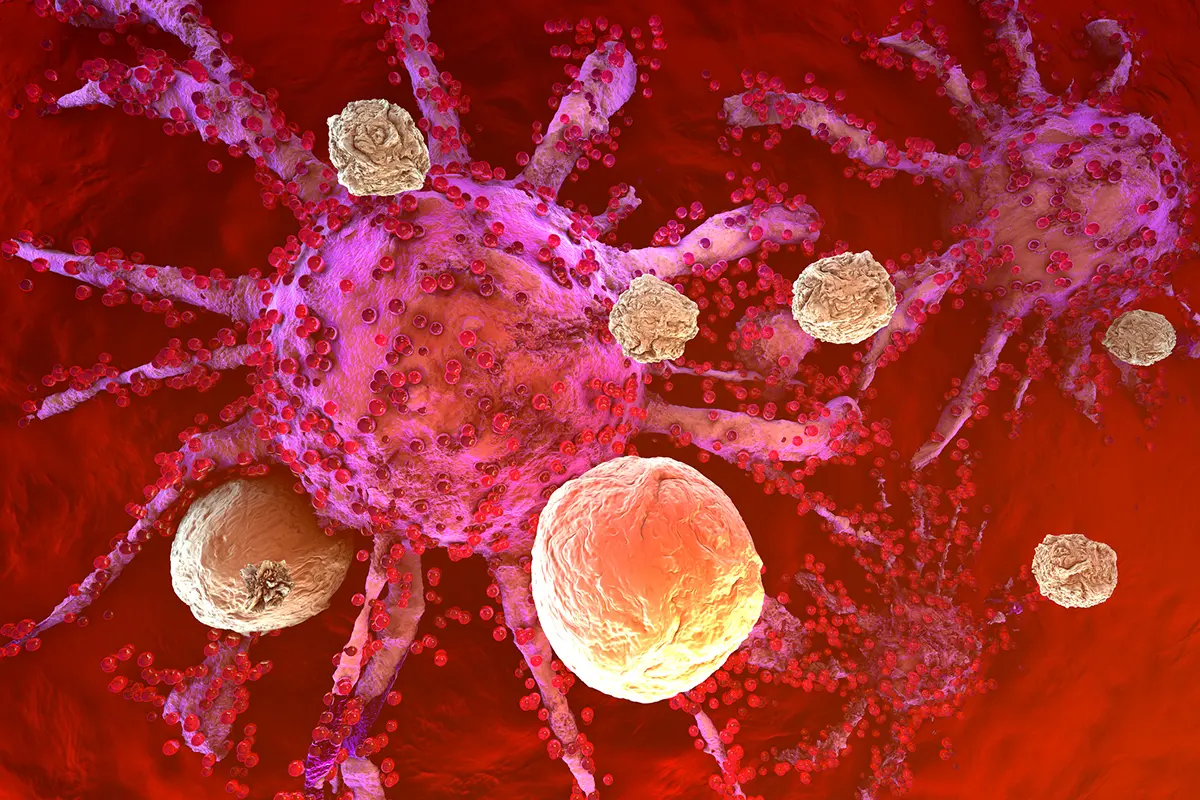
When cellular processes are disrupted or DNA is damaged, cells may malfunction, die prematurely, or divide uncontrollably. Uncontrolled cell division is the biological basis for cancer, where cells ignore signals to stop growing.
This answer was created with the help of AI research tools and reference sources. Spotted an error? Let us know — we correct mistakes quickly. See our editorial policy.