How long do scorpions live?
Short answer
Scorpions typically live between three and eight years in the wild, though some species can survive for up to 15 years in captivity. Their lifespan depends heavily on the specific species, environmental conditions, and the availability of food. Generally, larger species tend to have longer lifespans than smaller, more fragile varieties.

On this page
How long do scorpions live on average?
Most scorpion species follow a lifespan trajectory of three to eight years when living in their natural habitats. This duration is influenced by the species' metabolic rate, predation risks, and the harshness of their desert or tropical environments. While some smaller species may complete their life cycle in just a few years, larger, more robust scorpions often persist for nearly a decade.
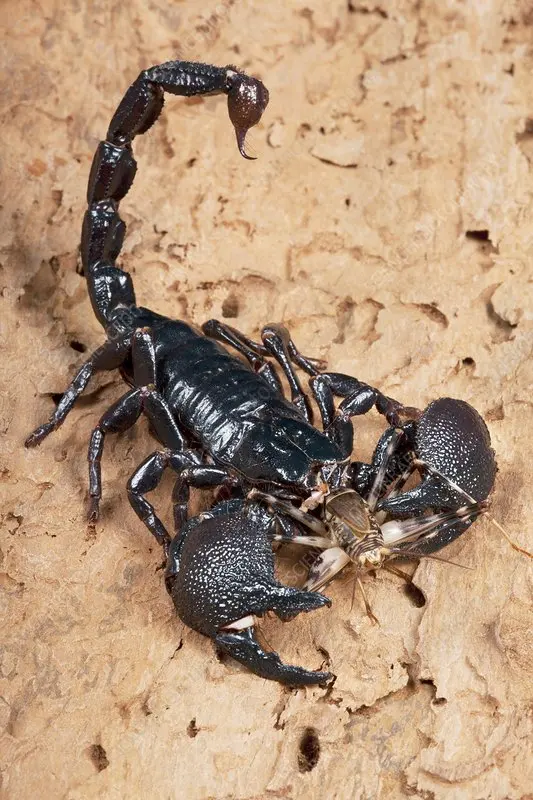
In controlled environments like laboratories or private collections, scorpions often exceed their wild life expectancy. Without the constant threat of predators such as birds, snakes, or mammals, and with a consistent, supplemental food supply, they can live significantly longer. Some documented cases of the Giant Desert Hairy Scorpion have shown individuals surviving for 15 years or more. Their growth is slow and methodical, requiring multiple molts before reaching full sexual maturity, which contributes to their overall longevity.
What factors affect scorpion lifespan?
Several biological and environmental variables dictate how long an individual scorpion will survive. Temperature plays a critical role, as scorpions are ectothermic and rely on their surroundings to regulate body heat. Extreme cold can slow their metabolism to a point of dormancy, while extreme heat may force them to seek shelter, limiting their foraging time and nutritional intake.
- Food availability: Frequent access to insects and spiders promotes steady growth.
- Predation: High levels of local predators shorten the average lifespan significantly.
- Climate stability: Consistent temperatures allow for more predictable molting cycles.
- Species genetics: Larger species generally possess slower metabolisms, leading to longer lives.
Lack of proper moisture is another major factor. While scorpions are famous for surviving in arid deserts, they still require a baseline level of humidity to successfully complete the molting process. If a scorpion cannot shed its exoskeleton properly due to dehydration, it often dies shortly thereafter.
How do scorpions grow and develop?
Scorpions undergo a process called ecdysis, or molting, to grow. Because their exoskeleton does not stretch, they must shed their old shell to accommodate their increasing body size. This process is physically exhausting and dangerous, as the scorpion is soft-bodied and vulnerable to predators until its new shell hardens.
- The scorpion finds a safe, secluded crevice to hide during the vulnerable molting phase.
- It splits its old cuticle along the sides and back, slowly pulling its body out.
- The scorpion remains in a soft state for several hours or days while the new shell cures.
- Once hardened, the scorpion emerges to resume hunting and normal activity.
A scorpion will typically molt five to seven times before reaching adulthood. The time between these molts varies by species, but it generally takes several months to a year for a juvenile to reach full maturity.

Best practices for keeping scorpions as pets
For those interested in maintaining scorpions in captivity, longevity depends on recreating their natural habitat with precision. Beginners should focus on species like the Chilean Rose Hair or the Emperor Scorpion, which are known for being hardy and relatively long-lived. Providing a stable environment is the most important step in ensuring your scorpion reaches its full potential age.
- Maintain a consistent temperature gradient within the enclosure.
- Provide a substrate that holds moisture well, such as coconut fiber or peat moss.
- Ensure the enclosure has adequate ventilation to prevent mold growth.
- Offer prey items that are appropriately sized to avoid injury during feeding.
Avoid handling your scorpion frequently, as this causes significant stress and can lead to an early death. Scorpions are display animals, not pets for interaction, and they thrive best when left undisturbed in a quiet, dark environment.
Common mistakes when caring for scorpions
The most frequent error keepers make is overfeeding, which can lead to obesity and shortened lifespans. While it is tempting to provide food daily, most adult scorpions only need to be fed once every week or two. Overfeeding can cause the scorpion to grow too quickly, leading to complications during the molting process, which is the most common cause of premature mortality.
Another common mistake is failing to provide a proper water source. Even desert species require a shallow dish of water or occasional misting to maintain hydration levels. Keepers often assume that because scorpions live in deserts, they do not need water, but this misconception leads to chronic dehydration. Furthermore, using chemical pesticides near the enclosure is a fatal error, as scorpions are extremely sensitive to toxins. Always ensure the enclosure is kept clean and free of chemical residues to allow the animal to live out its full, natural life span.
Key facts
- Most scorpion species live between 3 and 8 years in the wild.
- Some larger species, such as the desert hairy scorpion, can live up to 10 to 15 years.
- Scorpions reach sexual maturity between 1 and 3 years of age.
- Captive scorpions often live longer than wild counterparts due to consistent food and lack of predators.
- You should avoid handling scorpions without proper training, as all species possess venomous stingers.
- Keep a scorpion enclosure dry and warm, as excessive humidity often leads to fatal fungal infections.
The bottom line
Scorpions are resilient arachnids that typically live for several years, with larger species occasionally reaching over a decade of life. Whether observing them in nature or keeping them as pets, understanding their specific needs for warmth, minimal moisture, and solitary living is essential. By avoiding overfeeding and handling, you can ensure these fascinating creatures thrive while maintaining a safe environment for both the owner and the animal.
People also ask
Do all scorpions have a deadly sting?
No, only about 25 of the nearly 2,500 known scorpion species possess venom potent enough to be lethal to humans. Most stings cause localized pain, swelling, and itching similar to a bee sting.
What do scorpions eat in captivity?
They primarily consume live insects such as crickets, mealworms, and roaches. You should offer prey that is no larger than the scorpion's head to ensure safe consumption.
How often should I feed a pet scorpion?
Adult scorpions typically only require feeding once every one to two weeks. Overfeeding is a common mistake that can lead to obesity and health complications.
Do scorpions need water to drink?
Yes, they require a shallow water dish to prevent dehydration. Use a small, heavy bowl that the scorpion cannot tip over or drown in.
Can scorpions live together in the same tank?
Most scorpion species are solitary and territorial, meaning they should be housed individually. Keeping multiple scorpions together often leads to cannibalism, especially if food is scarce.
How can I tell if my scorpion is molting?
A scorpion preparing to molt will often stop eating and may appear lethargic or sluggish. During this fragile process, do not disturb the animal or attempt to feed it until the new exoskeleton has fully hardened.
This answer was created with the help of AI research tools and reference sources. Spotted an error? Let us know — we correct mistakes quickly. See our editorial policy.