Who is Athena?
Short answer
Athena is the ancient Greek goddess of wisdom, strategic warfare, and handicraft. Born fully grown and armored from the forehead of her father, Zeus, she served as the patron deity of Athens. She represents intellectual prowess, civilization, and disciplined justice, standing in stark contrast to the chaotic, brutal nature of war.
On this page
Who was Athena in Greek mythology?
Athena occupies a central role in the Greek pantheon as one of the twelve Olympians. Her origin story is unique; she was born from the head of Zeus after he swallowed her mother, Metis, who was the embodiment of wisdom and cunning. Hephaestus, the god of fire, reportedly split Zeus's skull with an axe to facilitate her birth, allowing her to emerge fully grown and clad in golden armor. This miraculous arrival established her status as the favored daughter of the king of the gods.
Unlike Ares, who represented the bloodlust and violence of battle, Athena embodied the strategic and tactical aspects of warfare. She was a protector of heroes, frequently offering counsel and divine intervention to figures such as Odysseus, Perseus, and Heracles. Her influence extended beyond the battlefield into the realms of domestic and industrial arts. She was widely credited with the invention of the plow, the rake, and the art of spinning and weaving, making her a goddess of both the mind and the hands.
How did Athena become the patron of Athens?
The city of Athens derives its name from the goddess, a result of a famous contest between her and Poseidon. The people of the city needed a patron deity, so the two gods competed by offering gifts to the citizens. Poseidon struck the Acropolis with his trident, creating a saltwater spring, but the water was salty and difficult to use. Athena, in contrast, planted an olive tree, which provided wood, oil, and food to the populace.
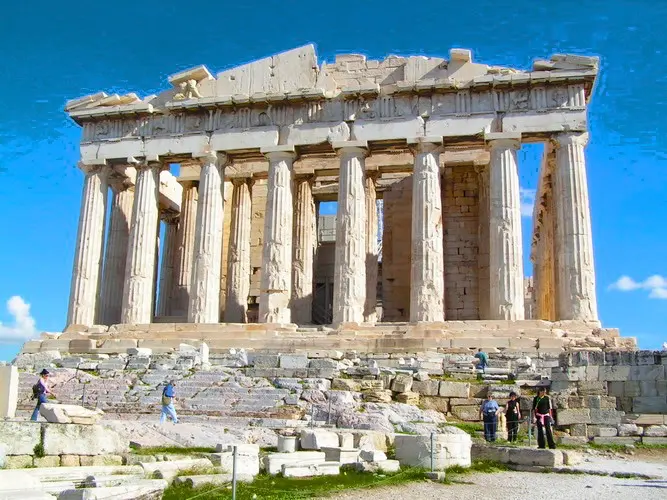
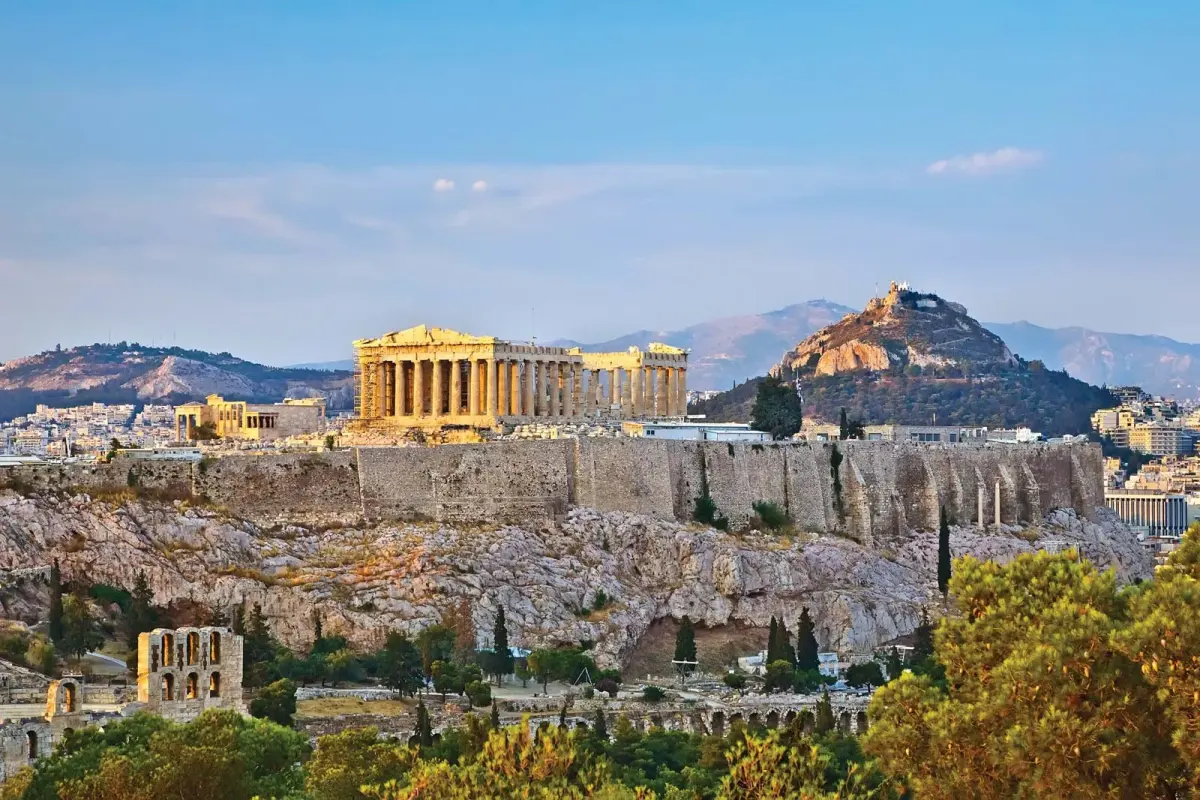
The citizens judged Athena's gift to be more practical and beneficial for their future prosperity. Consequently, they chose her as their protector, and the city was named in her honor. To celebrate this victory, the Athenians constructed the Parthenon, a magnificent temple on the Acropolis dedicated to her. The following items remain the most iconic symbols associated with her patronage:
- The olive tree, representing peace and economic sustenance.
- The owl, a symbol of wisdom and vigilance.
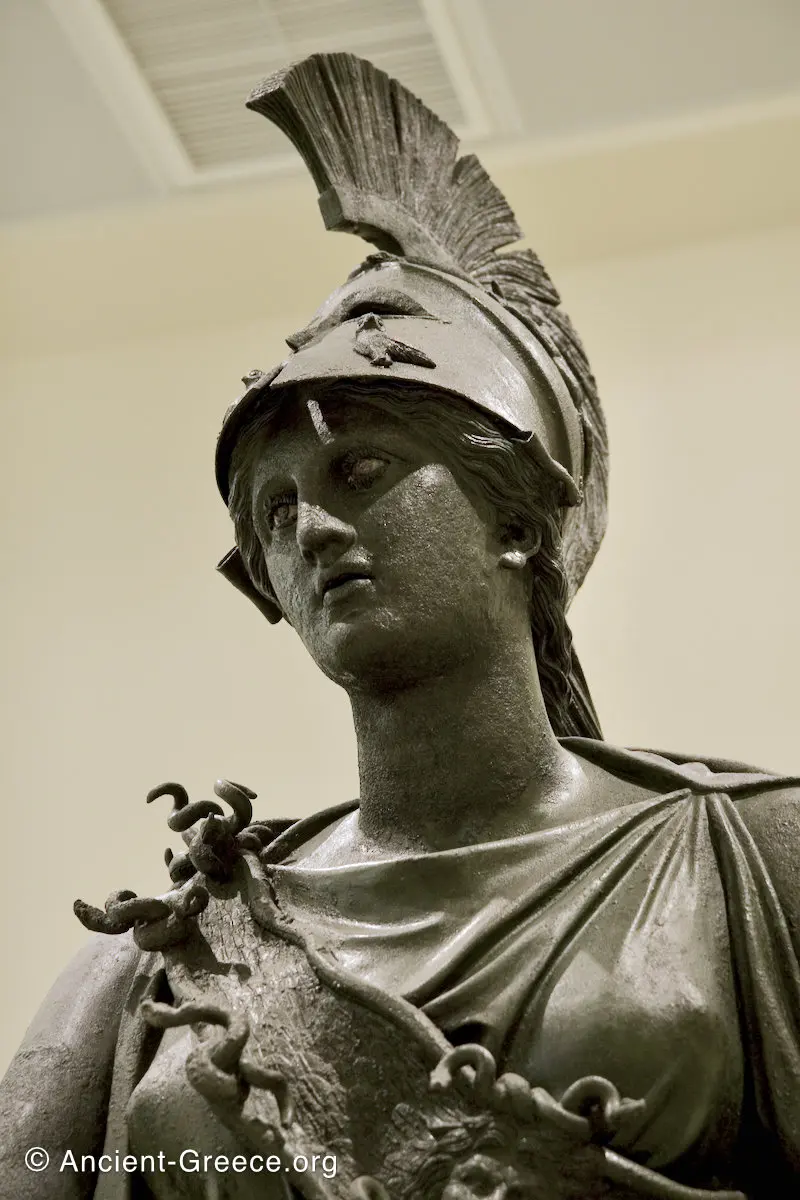
- The Aegis, a protective shield or cloak bearing the head of the Gorgon Medusa.
- The spear, signifying her role as a defender of the city.
Why is Athena associated with wisdom?
Athena's association with wisdom stems from her mother, Metis, whose name literally translates to "counsel" or "cunning intelligence." She represents a specific type of knowledge known as metis, which involves the ability to solve complex problems through foresight and strategy rather than brute force. While other deities might act on impulse, Athena is characterized by her composure, analytical thinking, and calculated decision-making. This intellectual superiority made her the primary advisor to both gods and mortals.
Her wisdom was not merely theoretical; it was applied to the governance of cities and the administration of justice. She was seen as the guardian of the law and the patron of the assembly, ensuring that debates remained orderly and that decisions were made with foresight. This made her an essential figure for political leaders and philosophers alike. By prioritizing logic over emotion, she became the archetype for the civilized mind, guiding humanity toward progress and away from the destructive tendencies of unchecked passion.
Common mistakes when studying Athena
A frequent error is confusing Athena with other war deities or assuming she is merely a goddess of war. While she possesses armor and weapons, her primary domain is the defense of civilization and the application of strategy. Another common mistake is viewing her as a motherly or nurturing figure. Unlike Demeter or Hera, Athena is defined by her independence and her status as a perpetual virgin. She does not have a traditional family life or a spouse, which allows her to remain entirely focused on her duties as a protector of heroes and cities.
To better understand her role, keep these distinctions in mind:
- Do not conflate her strategic warfare with the chaotic violence of Ares.
- Remember that her weaving skills are symbolic of the complex patterns of fate and civilization.
- Recognize that her virginity is a symbol of her autonomy and unyielding commitment to her own principles.
- Avoid interpreting her myths through a modern lens that ignores the ancient Greek value of civic duty.
Best ways to learn about Athena today
For those interested in exploring her legacy, visiting archaeological sites remains the most immersive approach. The Parthenon in Athens, Greece, serves as the most significant monument to her influence, offering a physical connection to the ancient world. If travel is not possible, studying the Homeric epics provides the most detailed look at how she interacted with humanity. The Iliad and the Odyssey contain numerous passages where she influences the outcome of events through her divine wisdom.
- Read the Odyssey to see how Athena mentors Telemachus and Odysseus.
- Visit museum collections that feature classical Greek pottery, which often depicts her with her owl or spear.
- Study the history of the Panathenaic Festival, an ancient event held every four years to honor her.
- Compare her attributes with other deities to understand how the Greeks balanced different aspects of human experience.
By focusing on these primary sources and historical contexts, you can develop a nuanced understanding of why she remains one of the most enduring figures in Western mythology. Her legacy continues to shape our cultural concepts of intellect, strategy, and the defense of democratic ideals in the modern era.
Key facts
- Athena is the Greek goddess of wisdom, handicraft, and strategic warfare.
- She is famously said to have sprung fully grown and armored from the forehead of her father, Zeus.
- Her primary symbols include the owl, representing wisdom, and the olive tree, which she gifted to the city of Athens.
- Unlike Ares, who represents the brutal, bloody aspects of war, Athena governs the disciplined, tactical side of combat.
- The Parthenon, located on the Acropolis in Athens, was built as a grand temple dedicated to her honor.
- When researching her myths, avoid confusing her with the Roman goddess Minerva, who shares many traits but originated from a different cultural context.
The bottom line
Athena stands as a central figure in Greek mythology, embodying the ideal balance between intellectual wisdom and practical action. As the patron of crafts and strategic defense, she represents the power of rational thought over raw emotion. Her legacy persists today as an enduring symbol of civilization, foresight, and the importance of using one's skills to protect and improve the community at large.
People also ask
What is the relationship between Athena and Athens?
According to mythology, Athena won the city's patronage by gifting the citizens an olive tree, which provided food, oil, and wood. The city was named in her honor, and she remained its primary protector throughout antiquity.
Did Athena ever marry or have children?
Athena is considered one of the three virgin goddesses of the Greek pantheon and never married or had biological children. She was known for her independence and devotion to her duties rather than romantic pursuits.
What role did Athena play in the Trojan War?
She acted as a divine mentor and protector to Greek heroes like Odysseus and Achilles. She frequently intervened in the conflict to provide tactical advice and physical protection to those she favored.
Why is the owl associated with Athena?
The owl represents the ability to see clearly in the dark, symbolizing wisdom and the pursuit of truth. It serves as a reminder that true knowledge requires the ability to perceive what others might miss.
How is Athena typically depicted in art?
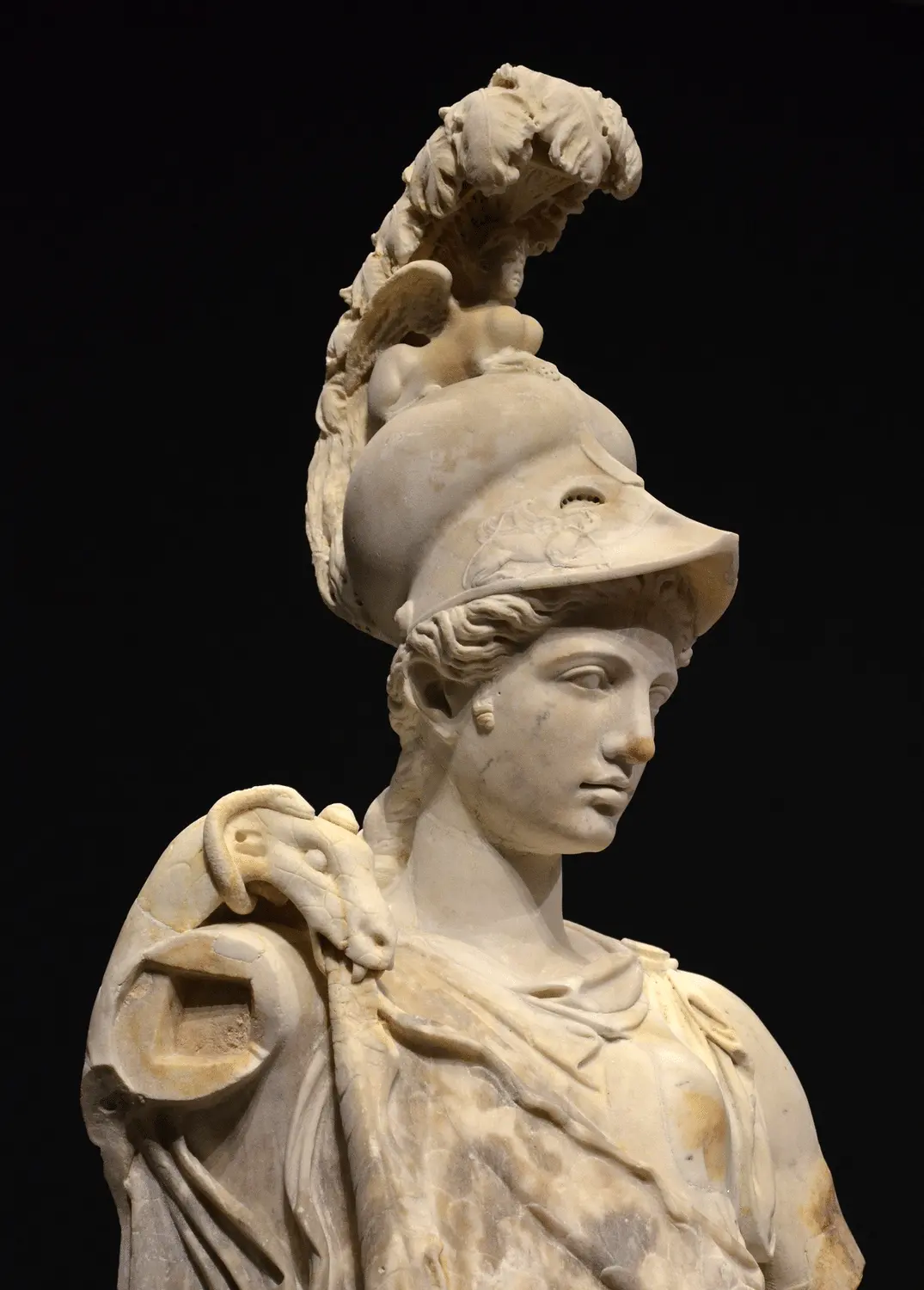
She is almost always shown wearing a helmet, carrying a spear, and holding the Aegis, a protective shield or cloak bearing the head of Medusa. These items emphasize her role as a warrior and a defender of order.
Was Athena worshiped outside of Athens?
Yes, she was a major deity throughout the Greek world, with significant temples and cults in cities like Sparta, Corinth, and Troy. Her influence extended across the Mediterranean wherever Greek culture and trade flourished.
This answer was created with the help of AI research tools and reference sources. Spotted an error? Let us know — we correct mistakes quickly. See our editorial policy.