What is Osaka known for?
Short answer
Osaka is Japan’s culinary capital, famously known as the "Nation’s Kitchen." It is a vibrant metropolis celebrated for its bold street food culture, historic landmarks like Osaka Castle, and the neon-drenched entertainment district of Dotonbori. The city offers a more relaxed, outgoing atmosphere compared to the formal pace of Tokyo.
On this page
What is the best food to try in Osaka?
Osaka’s reputation as a food destination is built on the concept of kuidaore, which translates to "eat until you drop." The city’s culinary identity is defined by savory, inexpensive street food that prioritizes flavor and texture over high-end refinement. Visitors should prioritize local specialties that reflect the city's historical role as a merchant hub where ingredients from across Japan converged.
The most iconic dishes to sample include:
- Takoyaki: Ball-shaped snacks filled with minced octopus, pickled ginger, and green onion, topped with savory sauce.
- Okonomiyaki: A thick, savory pancake grilled with cabbage, meat, or seafood, often prepared directly in front of the diner.
- Kushikatsu: Skewered meat and vegetables that are breaded, deep-fried, and served with a communal dipping sauce.
- Kitsune Udon: Thick wheat noodles served in a dashi broth topped with a piece of sweet, deep-fried tofu.
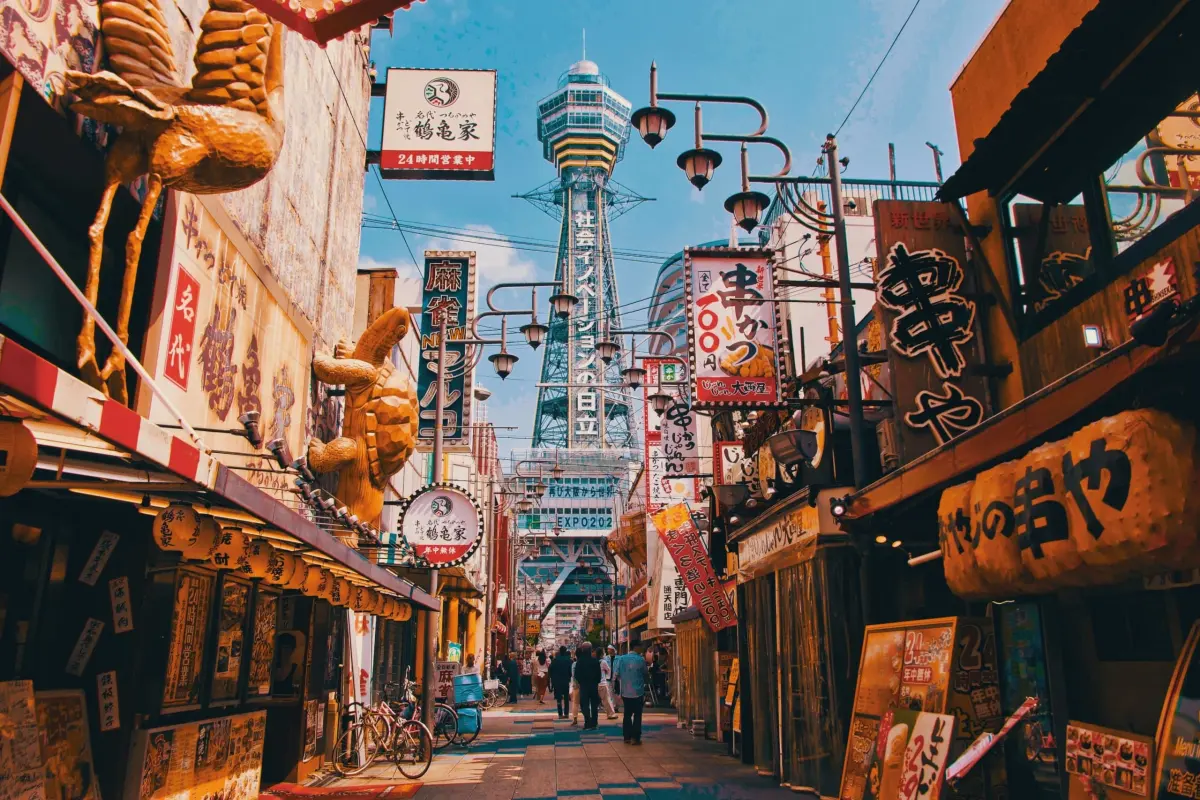
When dining, look for small, crowded stalls in the Dotonbori or Shinsekai neighborhoods. These areas offer the most authentic experience, as they cater to locals who value quick, affordable, and high-quality meals. Avoid chains found in major malls, as they often lack the distinct character and traditional preparation methods found in family-run establishments.
How to explore the Dotonbori district
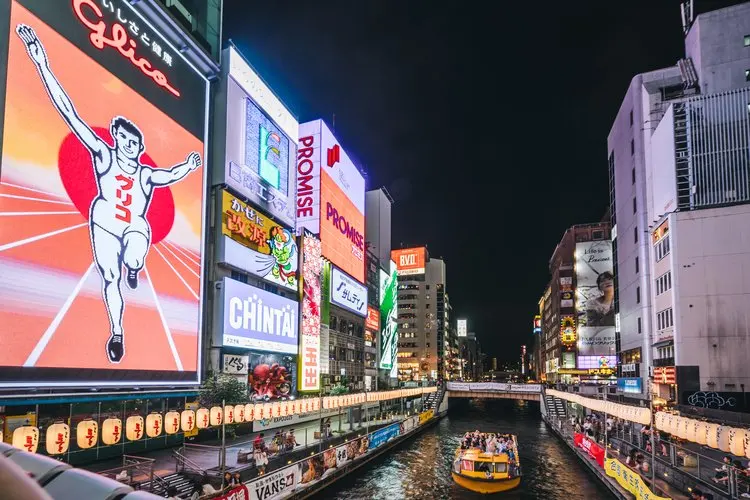
Dotonbori is the heart of Osaka’s nightlife and the city’s most famous tourist destination. Running parallel to the Dotonbori Canal, the area is characterized by massive, glowing neon signs, including the famous Glico Running Man, which has stood as a symbol of the city since 1935. It is a sensory-heavy environment that truly comes alive after sunset, making it the ideal spot for evening walks and photography.
To make the most of a visit to Dotonbori, follow these steps:
- Start at the Ebisubashi Bridge to capture photos of the Glico sign and the canal views.
- Walk through the narrow side streets, known as roji, to find hidden bars and smaller eateries.
- Take a Tombori River Cruise to see the neon lights from the water level.
- Visit the Don Quijote Ferris wheel, which is uniquely shaped like an oval rather than a traditional circle.
Common mistakes include trying to visit every food stall in one trip or ignoring the quieter alleys. The main thoroughfare is often extremely crowded, so stepping into the side streets provides a more manageable and equally delicious experience. Remember that many shops close by midnight, so plan your late-night snacking accordingly.
Why visit Osaka Castle and historical sites
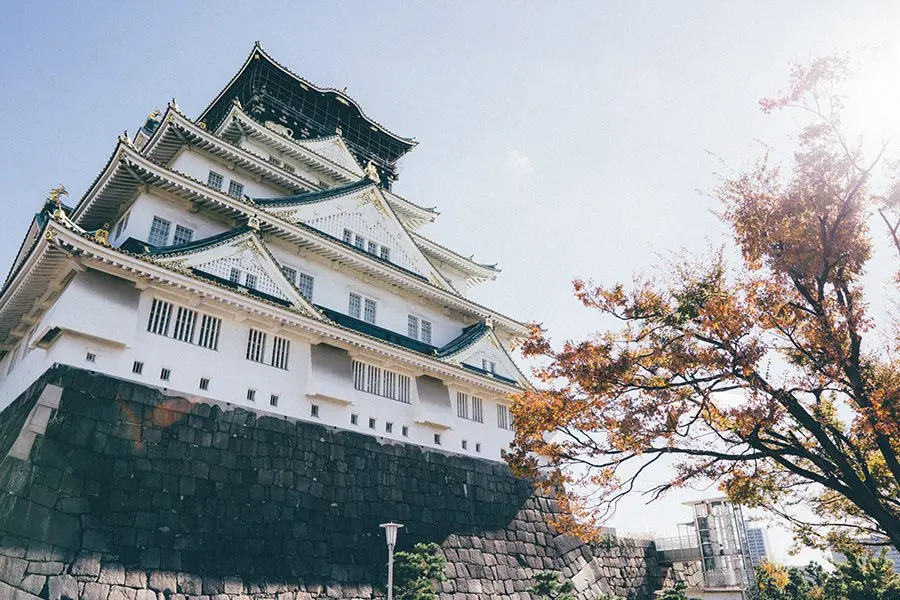
Osaka Castle serves as the city’s most significant historical landmark, representing the unification of Japan during the late 16th century. Originally built by Toyotomi Hideyoshi in 1583, the current structure is a concrete reconstruction that houses an impressive museum detailing the castle’s turbulent history. The surrounding park is expansive, featuring massive stone walls, deep moats, and thousands of cherry trees that bloom brilliantly in early April.
Beyond the castle, the Shitennoji Temple offers a glimpse into Japan’s religious heritage as one of the oldest state-administered temples in the country. Founded in 593 by Prince Shotoku, the temple complex features a five-story pagoda and a beautiful garden. These sites provide a necessary contrast to the frenetic energy of the city center, offering quiet spaces for reflection and a deeper understanding of the region's feudal past.
When visiting these sites, wear comfortable walking shoes, as the grounds are vast and require significant travel on foot. Avoid visiting during major national holidays like Golden Week, as the crowds can make it difficult to appreciate the architecture. Instead, aim for early weekday mornings to enjoy the serene atmosphere of the castle grounds before the tour buses arrive.
Best day trips from Osaka
Osaka’s central location in the Kansai region makes it the perfect base for exploring neighboring cities. Within an hour, travelers can reach Kyoto, Nara, or Kobe by train. This allows visitors to enjoy the nightlife of Osaka while spending their days exploring the ancient temples of Kyoto or the friendly deer population in Nara Park.
Popular day trip destinations include:
- Kyoto: A 30-minute train ride leads to thousands of shrines, temples, and traditional tea houses.
- Nara: Located 45 minutes away, it is famous for the Great Buddha statue at Todai-ji Temple and free-roaming deer.
- Kobe: A 25-minute trip brings you to a sophisticated port city known for its scenic waterfront and high-quality beef.
- Mount Koya: A two-hour journey takes you to the center of Shingon Buddhism, featuring beautiful mountain temples and forest cemeteries.
A common mistake is trying to visit too many cities in a single day. Each of these locations warrants at least a full day of exploration to truly appreciate their unique cultural offerings. Use the efficient JR or private rail lines, and consider purchasing a regional rail pass if you plan to visit more than two cities during your stay.
How to navigate Osaka like a local
Navigating Osaka is straightforward thanks to an extensive public transportation network, including subways, private rail lines, and buses. The city is divided into two main hubs: the northern district of Umeda and the southern district of Namba. Most tourist attractions and dining spots are concentrated in these areas, connected by the Midosuji subway line, which acts as the city's primary north-south artery.
To navigate efficiently, keep these tips in mind:
- Purchase an IC card, such as ICOCA or Suica, to tap through ticket gates seamlessly without buying individual paper tickets.
- Use Google Maps to track real-time train schedules, as the network can be complex for first-time visitors.
- Be mindful of the "standing side" on escalators; in Osaka, people generally stand on the right, which is the opposite of Tokyo.
- Do not rely solely on taxis, as they are expensive and traffic can be heavy during peak hours.
A common mistake is getting lost in the massive underground shopping malls beneath Umeda Station. These subterranean labyrinths are vast and can be confusing; if you feel disoriented, head to the street level to reorient yourself using landmarks like high-rise buildings or major intersections. Always carry a portable battery for your phone, as you will likely use it frequently for navigation and translation.
Key facts
- Osaka is widely known as "Japan's Kitchen" due to its historical role as a merchant hub for rice and its modern reputation for exceptional street food.
- Dotonbori is the city’s most iconic district, famous for its neon Glico Running Man sign and dense concentration of restaurants.
- Osaka Castle, originally built in 1583 by Toyotomi Hideyoshi, remains the city's most significant historical landmark and a popular site for cherry blossom viewing.
- The city is home to Universal Studios Japan, which features the world’s first Super Nintendo World, attracting millions of visitors annually.
- When ordering takoyaki (octopus balls), wait a few minutes before eating; the center is extremely hot and a common cause of minor burns for tourists.
- Avoid using the subway during morning rush hours (7:30–9:00 AM) if you have large luggage, as trains become severely overcrowded.
The bottom line
Osaka stands out as Japan’s most vibrant and approachable metropolis, defined by its outgoing culture and world-class culinary scene. While it offers deep historical roots through sites like Osaka Castle, the true spirit of the city is found in the bustling neon-lit alleys of Dotonbori. By prioritizing local food experiences and utilizing the efficient rail network, travelers can easily capture the energetic essence of this unique destination.
People also ask
What is the best way to travel from Tokyo to Osaka?
The most efficient method is the Tokaido Shinkansen bullet train, which takes approximately 2.5 hours. You can purchase tickets at major stations or via the SmartEX app to save time.
Is Osaka more affordable than Tokyo?
Generally, yes. Accommodation, food, and entertainment costs in Osaka are often 10% to 20% lower than in Tokyo, making it an excellent choice for budget-conscious travelers.
What is the signature dish I must try in Osaka?
You should try okonomiyaki, a savory pancake filled with cabbage, meat, or seafood. Many restaurants allow you to cook your own at a table-top griddle for an authentic experience.
How many days should I spend in Osaka?
Three days is ideal to cover the main city attractions and enjoy the food scene. If you plan to take day trips to nearby Kyoto or Nara, consider adding two extra days.
Is it easy to navigate Osaka without speaking Japanese?
Yes, most major train stations and tourist sites provide signage in English, Chinese, and Korean. Using a translation app and having your destination address saved on your phone is recommended.
When is the best time of year to visit Osaka?
Spring (late March to early April) for cherry blossoms or autumn (November) for vibrant fall foliage are the most popular times. These seasons offer pleasant temperatures for walking between districts.
This answer was created with the help of AI research tools and reference sources. Spotted an error? Let us know — we correct mistakes quickly. See our editorial policy.