What is Athens known for?
Short answer
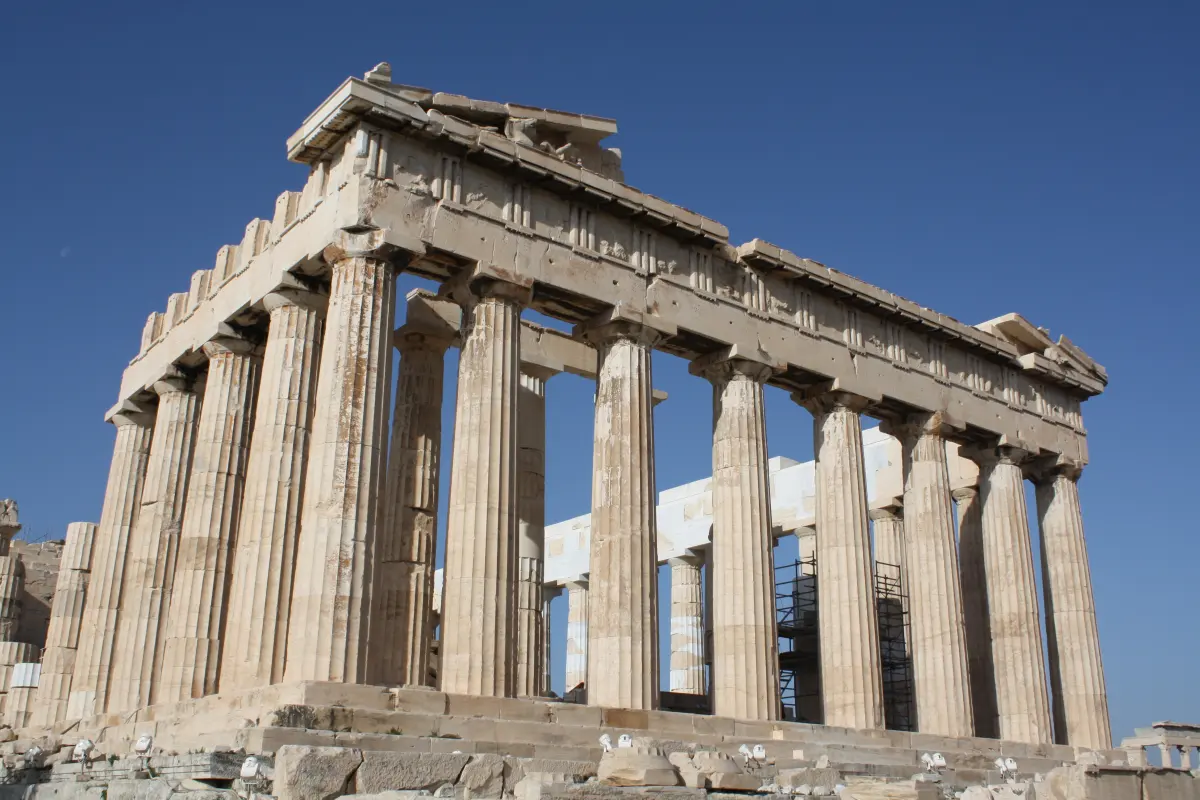
Athens is globally renowned as the cradle of Western civilization and the birthplace of democracy. It serves as a living museum, anchored by the iconic 5th-century BCE Acropolis and the Parthenon. Today, it is a vibrant, modern metropolis that seamlessly blends ancient archaeological wonders with a bustling, contemporary Mediterranean urban culture.
On this page
Why is Athens famous for history
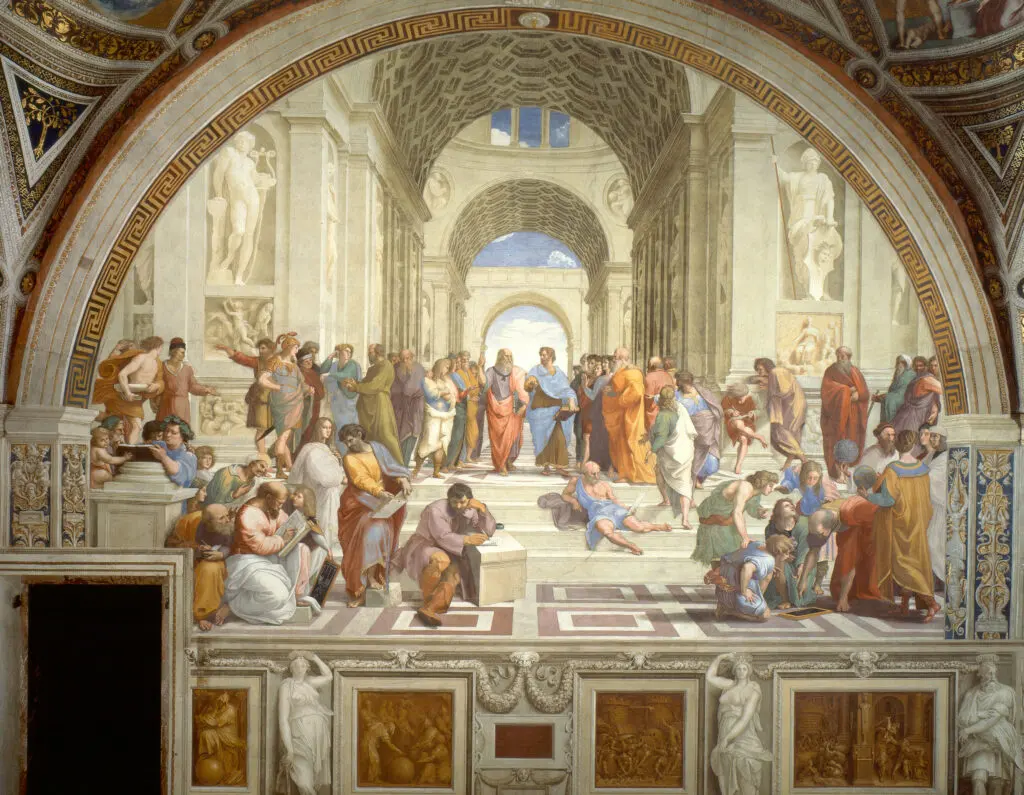
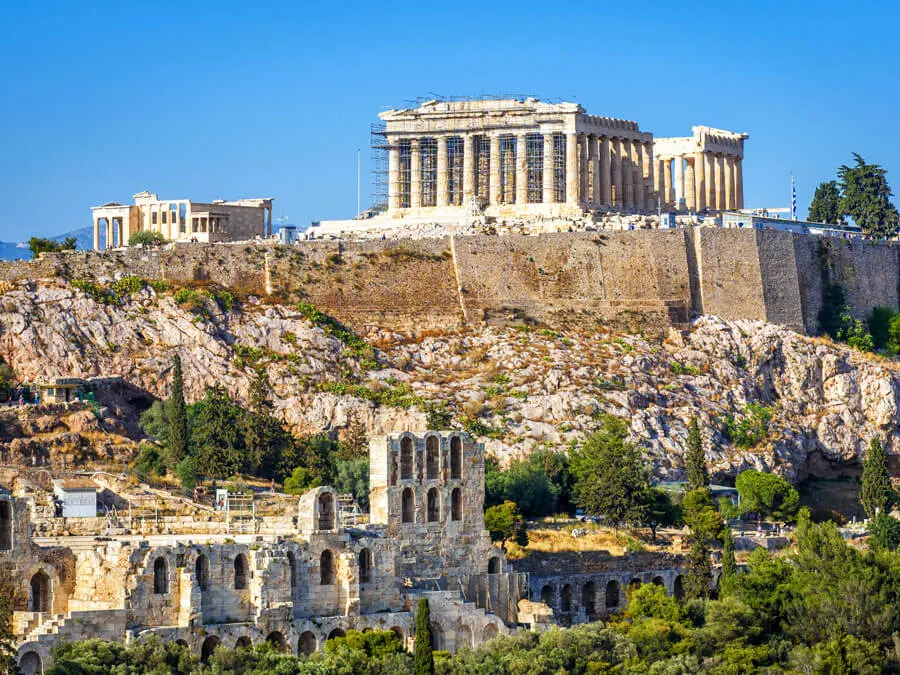
Athens is synonymous with the Golden Age of Greece, a period during the 5th century BCE when the city produced unprecedented advancements in philosophy, drama, and political theory. Figures like Socrates, Plato, and Aristotle walked these streets, laying the intellectual foundations for Western thought. The city’s historical significance is physically manifested in its architecture, most notably the Acropolis, a rocky citadel that houses the Parthenon, the Erechtheion, and the Temple of Athena Nike. These structures remain the world’s most recognizable symbols of Classical architecture and democratic ideals.
Beyond the Acropolis, the city is home to the Ancient Agora, which served as the heart of public life in antiquity. This marketplace was the center of commerce, administration, and social gathering, where citizens debated the laws that would define the first democratic systems. Visitors can explore these ruins to understand how the concept of "demos," or rule by the people, was first practiced. The preservation of these sites, alongside the world-class Acropolis Museum, allows historians and tourists alike to trace the evolution of human governance and artistic expression over three millennia.
Best sites to see in Athens
For those planning a visit, the city offers a dense concentration of historical landmarks that are best experienced on foot. While the Acropolis is the primary draw, the surrounding archaeological park provides a comprehensive look at the city's layers of history. To maximize your time, consider visiting these key locations:
- The Acropolis: The iconic hilltop citadel featuring the Parthenon.
- The Ancient Agora: The former political and commercial center of the city.
- The Temple of Olympian Zeus: A massive, partially ruined temple dedicated to the king of the gods.
- The Panathenaic Stadium: The only stadium in the world built entirely of marble, which hosted the first modern Olympic Games in 1896.
- The Roman Agora: A site featuring the Tower of the Winds, an ancient octagonal clock tower.
When exploring these sites, it is helpful to purchase a combined ticket. This pass grants entry to the major archaeological sites over a period of five days, providing significant savings and flexibility. Always check the official opening hours, as they often change between the summer peak season and the winter months.
How to navigate Athens like a local
Navigating Athens requires a mix of walking and public transportation. The city center is highly walkable, particularly the historic districts of Plaka and Monastiraki, where narrow, winding streets are closed to heavy traffic. However, for longer distances, the Athens Metro is the most efficient way to travel. It is clean, safe, and connects the major tourist hubs with the outer residential neighborhoods and the port of Piraeus.
- Purchase a multi-day transport pass at any metro station to save on individual ticket costs.
- Use the metro to reach the Acropolis, Syntagma Square, and the National Archaeological Museum.
- Be cautious of pickpockets in crowded areas like Monastiraki Square and on the busy metro lines.
- Use ride-sharing apps if you are traveling late at night or to areas not well-served by the metro.
- Wear comfortable, sturdy shoes, as the city’s ancient stone paths and sidewalks can be uneven and slippery.
By relying on the metro and your own feet, you avoid the notorious traffic congestion that often plagues the city center during rush hours.
Common mistakes when visiting Athens
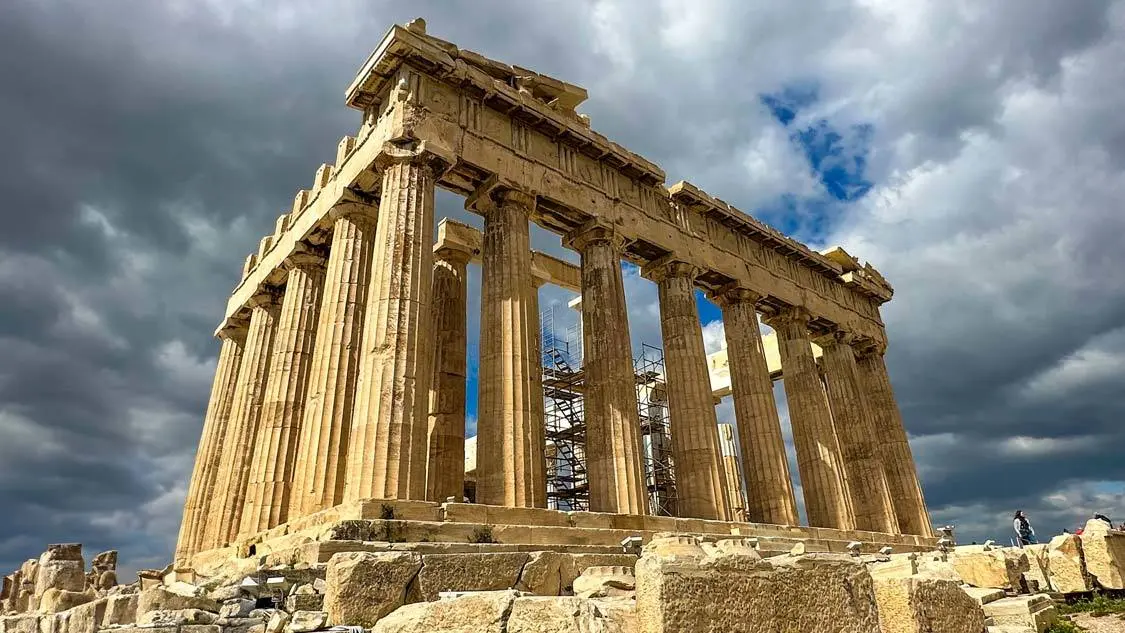
Many travelers arrive in Athens unprepared for the intensity of the summer heat. Between June and August, temperatures frequently exceed 35°C (95°F), making midday sightseeing on the exposed, marble-heavy Acropolis extremely taxing. A common mistake is attempting to climb the hill during the hottest part of the day without adequate water or sun protection. Always aim to arrive at the gates exactly when they open in the morning to beat both the heat and the large cruise ship crowds.
Another frequent error is underestimating the time required to appreciate the National Archaeological Museum. Many tourists treat it as a quick stop, but it houses the most significant collection of Greek antiquities in the world, including the Mask of Agamemnon. Rushing through the galleries means missing the context of the artifacts that define the city's identity. Additionally, avoid eating at restaurants directly adjacent to major tourist sites, as these often charge inflated prices for mediocre food. Instead, venture two or three blocks into the residential streets of Psiri or Koukaki to find authentic tavernas.
What to eat and drink in Athens
Athens offers a culinary scene that balances traditional Greek staples with modern Mediterranean innovation. The city is famous for its street food culture, particularly the souvlaki and gyros, which are affordable, filling, and found on nearly every corner. For a more formal experience, look for a traditional taverna where you can sample mezedes, a variety of small plates designed for sharing. Common dishes include moussaka, spanakopita, and fresh Greek salads topped with high-quality feta cheese and local olive oil.
The coffee culture is equally central to Athenian life. Locals spend hours at cafes, often enjoying a freddo espresso or a traditional Greek coffee. In the evenings, the city’s nightlife shifts to rooftop bars, many of which offer spectacular, illuminated views of the Parthenon. Whether you are sipping a glass of Assyrtiko wine or enjoying a strong spirit like ouzo, the social atmosphere of the city’s dining establishments is an essential part of the Athenian experience. Always remember to pace yourself, as dinner in Greece often begins late and continues well into the night.
Key facts
- Athens is widely recognized as the cradle of Western civilization and the birthplace of democracy, which emerged in the city around the 5th century BCE.
- The Acropolis, a UNESCO World Heritage site, houses the Parthenon, a temple dedicated to the goddess Athena that was completed in 438 BCE.
- The city hosted the first modern Olympic Games in 1896 and again in 2004, cementing its role in international sports history.
- When visiting the Acropolis, arrive at 8:00 AM to avoid the intense midday sun and the largest crowds of tour groups.
- A common mistake is neglecting to validate public transport tickets; failing to do so on buses or trams can result in heavy on-the-spot fines.
- The Plaka district is the oldest neighborhood in Athens, characterized by its labyrinthine streets, neoclassical architecture, and proximity to major archaeological sites.
The bottom line
Athens offers an unparalleled journey through history, blending ancient architectural marvels with a vibrant, modern urban culture. By focusing on the iconic Acropolis, exploring the historic Plaka district, and utilizing the efficient public transport system, visitors can experience the essence of this legendary capital. Whether you are seeking deep historical insights or authentic Mediterranean cuisine, Athens remains a foundational destination for any global traveler.
People also ask
What is the best time of year to visit Athens?
The ideal time to visit is during the shoulder seasons of April to June or September to October. During these months, the weather is pleasantly warm, and you can avoid the extreme heat and massive tourist influx of July and August.
Is it necessary to rent a car in Athens?
No, renting a car is generally discouraged due to heavy traffic and limited parking in the city center. The Athens Metro is efficient, clean, and connects all major tourist attractions, making public transit the most practical choice.
What are the must-try traditional foods in Athens?
You should sample souvlaki, moussaka, and spanakopita at local tavernas. For a quick snack, try a koulouri, which is a circular bread ring covered in sesame seeds sold by street vendors.
How many days are needed to see the main sights?
Three full days are sufficient to cover the primary historical landmarks, including the Acropolis, the Ancient Agora, and the National Archaeological Museum. This timeframe allows for a balanced pace without rushing through the city's rich heritage.
Do I need to speak Greek to get around?
English is widely spoken in hotels, restaurants, and tourist areas, so you will not face significant language barriers. Learning a few basic phrases like "efcharistó" (thank you) is appreciated by locals but not strictly necessary for navigation.
Is Athens considered a safe city for tourists?
Athens is generally safe, though pickpocketing can occur in crowded areas like Syntagma Square or on the Metro. Keep your belongings secure in busy locations and remain aware of your surroundings at all times.
This answer was created with the help of AI research tools and reference sources. Spotted an error? Let us know — we correct mistakes quickly. See our editorial policy.