What is Dublin known for?
Short answer
Dublin is globally renowned for its profound literary heritage, vibrant pub culture, and rich medieval history. As Ireland’s capital, it serves as a center for European technology and commerce. Visitors are drawn to its iconic Georgian architecture, the historic Trinity College, and a warm, welcoming atmosphere rooted in centuries of storytelling tradition.
On this page
What are the most famous literary landmarks in Dublin?
Dublin holds the prestigious title of a UNESCO City of Literature, a recognition earned through its deep connections to world-class writers. The city has produced four Nobel Prize winners in literature: William Butler Yeats, George Bernard Shaw, Samuel Beckett, and Seamus Heaney. Their influence is woven into the city's identity, with museums and monuments dedicated to their lives and works scattered throughout the urban landscape.
The most iconic destination for literature enthusiasts is the Old Library at Trinity College Dublin. This historic building houses the Book of Kells, a 9th-century illuminated manuscript that is considered one of Ireland’s greatest cultural treasures. Visitors can explore the Long Room, which contains over 200,000 of the library’s oldest books. Beyond Trinity, the Dublin Writers Museum and the James Joyce Centre offer deep dives into the lives of the city's most celebrated literary figures.
- The Book of Kells: A masterpiece of medieval art and calligraphy.
- The Long Room: A spectacular library hall featuring marble busts of great thinkers.
- Sweny’s Pharmacy: A historic shop mentioned in James Joyce’s Ulysses.
- Marsh’s Library: An unchanged 18th-century library that remains open to the public.
How do I experience the traditional Dublin pub culture?
Pub culture is the social heartbeat of Dublin, serving as a communal living room for locals and visitors alike. Unlike many international bar scenes, Irish pubs are historically centered on conversation, storytelling, and live traditional music. While the city has modernized, many historic pubs maintain their original Victorian interiors, complete with snugs, mahogany bars, and stained glass.
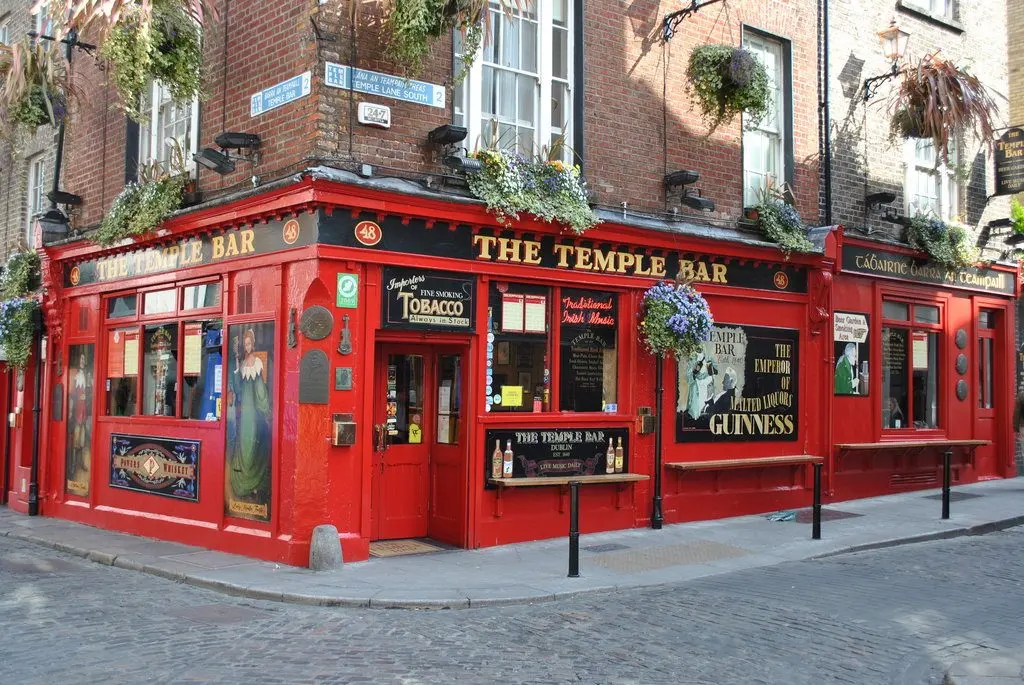
To enjoy this culture authentically, avoid the most crowded tourist traps in the Temple Bar area during peak weekend hours. Instead, seek out pubs that host "trad sessions," where musicians gather informally to play fiddles, tin whistles, and bodhráns. Ordering a pint of Guinness is a standard ritual, but be aware that a proper pour takes time. Patience is considered a virtue in Dublin pubs, and rushing the bartender is generally frowned upon by locals.
- Find a pub with a "trad session" schedule posted online.
- Order a drink and find a comfortable seat near the music.
- Observe the flow of conversation, which is often more important than the television.
- Respect the musicians by keeping noise levels low while they are performing.

Why is Dublin famous for its Georgian architecture?
Dublin is celebrated for its remarkably preserved Georgian core, characterized by symmetrical red-brick townhouses and ornate doorways. These structures date primarily from the 18th century, when the city underwent a massive expansion under the Wide Streets Commission. The architecture reflects a period of significant wealth and urban planning, resulting in wide boulevards and expansive garden squares that define the city's aesthetic today.
Merrion Square and Fitzwilliam Square are the best examples of this design, featuring rows of houses with colorful front doors and fanlights. These neighborhoods remain highly sought after and provide a stark, elegant contrast to the modern office blocks found in the Silicon Docks area. Walking through these streets offers a glimpse into the aristocratic past of the city, where the height of a window or the detail of a door knocker often signaled the social status of the residents.
What are the best historical sites for beginners?
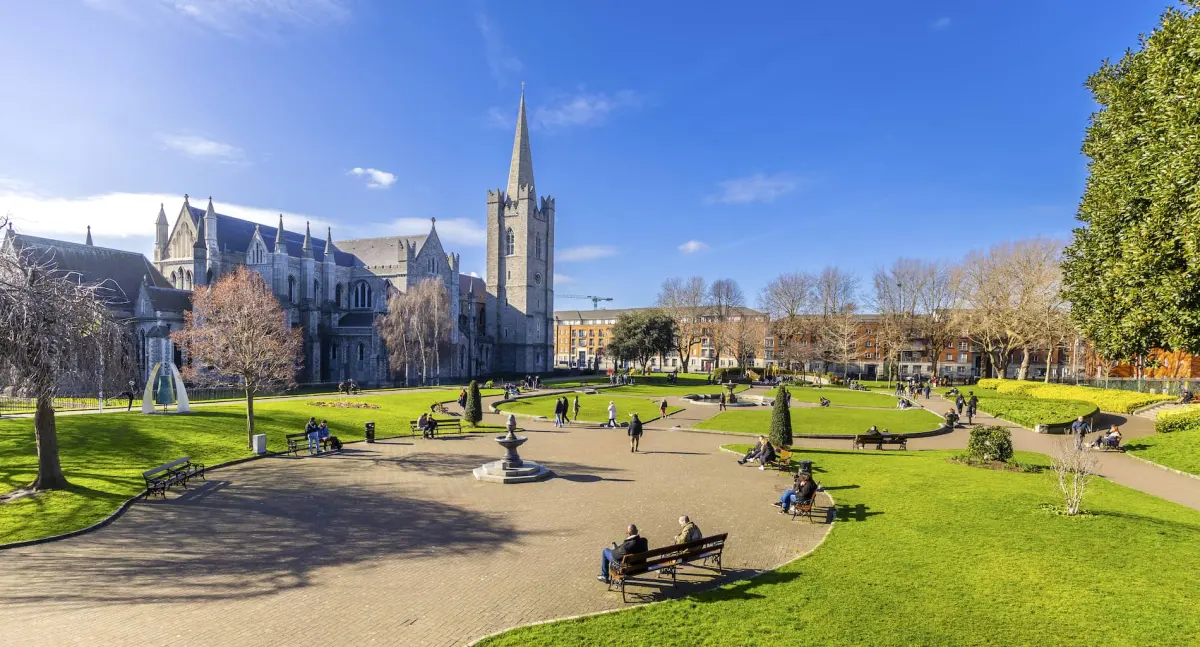
For those new to Dublin, the city’s history is best understood through its two most prominent cathedrals and its namesake castle. Dublin Castle, built in the 13th century, served as the seat of British rule in Ireland for 700 years. Today, it functions as a government complex, but visitors can tour the State Apartments and the medieval undercroft, which reveals the foundations of the original Viking settlement.
St. Patrick’s Cathedral and Christ Church Cathedral are equally essential stops for history lovers. Christ Church is the older of the two, founded around 1030, and contains a fascinating medieval crypt. St. Patrick’s, known for its association with Jonathan Swift, offers a stunning example of Gothic architecture. These sites are located within walking distance of each other, making them ideal for a half-day walking tour of the city’s medieval foundations.
- Dublin Castle: Explore the seat of power and the Viking excavation site.
- Christ Church Cathedral: Visit the crypt to see the mummified cat and rat.
- St. Patrick’s Cathedral: View the resting place of Jonathan Swift.
- Kilmainham Gaol: A former prison that offers a sobering look at the struggle for independence.
Common mistakes when visiting Dublin?
The most frequent error visitors make is underestimating the unpredictability of Irish weather. Even in the summer, Dublin experiences frequent rain showers and rapid temperature shifts. Packing a lightweight, waterproof jacket is essential, as carrying an umbrella is often impractical due to high winds. Relying solely on taxis is another common mistake, as the city center is highly compact and best explored on foot.
Another oversight involves failing to book tickets for popular attractions in advance. During the summer months, the Book of Kells and Kilmainham Gaol often sell out weeks ahead of time. Do not assume you can walk up to these sites and purchase entry on the day of your visit. Finally, remember that Dublin is a living city, not just a museum. Engaging with locals in a respectful manner will provide a far richer experience than simply following a guidebook’s list of landmarks.
Key facts
- Dublin was founded as a Viking settlement in the 9th century and became the capital of Ireland in 1922.
- The city is a UNESCO City of Literature, home to world-renowned writers including James Joyce, Oscar Wilde, and W.B. Yeats.
- Trinity College Dublin houses the Book of Kells, an illuminated manuscript created by Celtic monks around 800 AD.
- Temple Bar is the city's primary cultural quarter, known for its cobblestone streets and high concentration of traditional pubs.
- The Guinness Storehouse is Ireland's most popular tourist attraction, offering a seven-story experience centered on the history of the famous stout.
- When visiting, always carry an umbrella or raincoat, as Dublin weather is famously unpredictable and prone to frequent light showers.
The bottom line
Dublin offers a compelling blend of ancient history, literary prestige, and vibrant modern culture. Whether you are exploring the medieval grounds of Trinity College, sampling a pint of stout at the Guinness Storehouse, or walking the lively streets of Temple Bar, the city provides a welcoming atmosphere. It remains a must-visit destination for travelers seeking a deep connection to European history and world-class storytelling traditions.
People also ask
Is Dublin an expensive city to visit?
Dublin is generally considered one of the more expensive cities in Europe, particularly regarding accommodation and dining. To save money, look for free museums like the National Gallery of Ireland and utilize public transport rather than taxis.
What is the best way to get around Dublin?
The city center is highly walkable, making it easy to reach major landmarks on foot. For longer distances, use the Dublin Bus network, the Luas tram system, or the DART train for coastal trips.
When is the best time of year to visit Dublin?
Late spring and early autumn offer the best balance of manageable crowds and mild weather. While summer features long daylight hours, it is also the peak season for tourism and higher prices.
Do I need to learn Irish to visit Dublin?
English is the primary language spoken throughout the city, so you will have no trouble communicating. While road signs are bilingual, locals appreciate a simple "go raibh maith agat" (thank you) as a polite gesture.
What is the tipping culture in Ireland?
Tipping is appreciated but not mandatory in pubs or casual cafes. In restaurants, a tip of 10% to 12% is standard if a service charge has not already been included in the bill.
Are there any specific cultural etiquette rules to follow?
Irish people value friendliness and humor, often engaging in "banter" or lighthearted teasing. Avoid loud, aggressive behavior in pubs, as the social atmosphere is typically relaxed and conversational.
This answer was created with the help of AI research tools and reference sources. Spotted an error? Let us know — we correct mistakes quickly. See our editorial policy.