What is Paris known for?
Short answer
Paris is globally renowned as a premier center for art, fashion, gastronomy, and culture. Known as the "City of Light," it hosts iconic landmarks like the Eiffel Tower and the Louvre Museum. Its historic architecture, romantic atmosphere, and influential role in global history make it one of the world's most visited destinations.
On this page
What are the most famous landmarks in Paris?
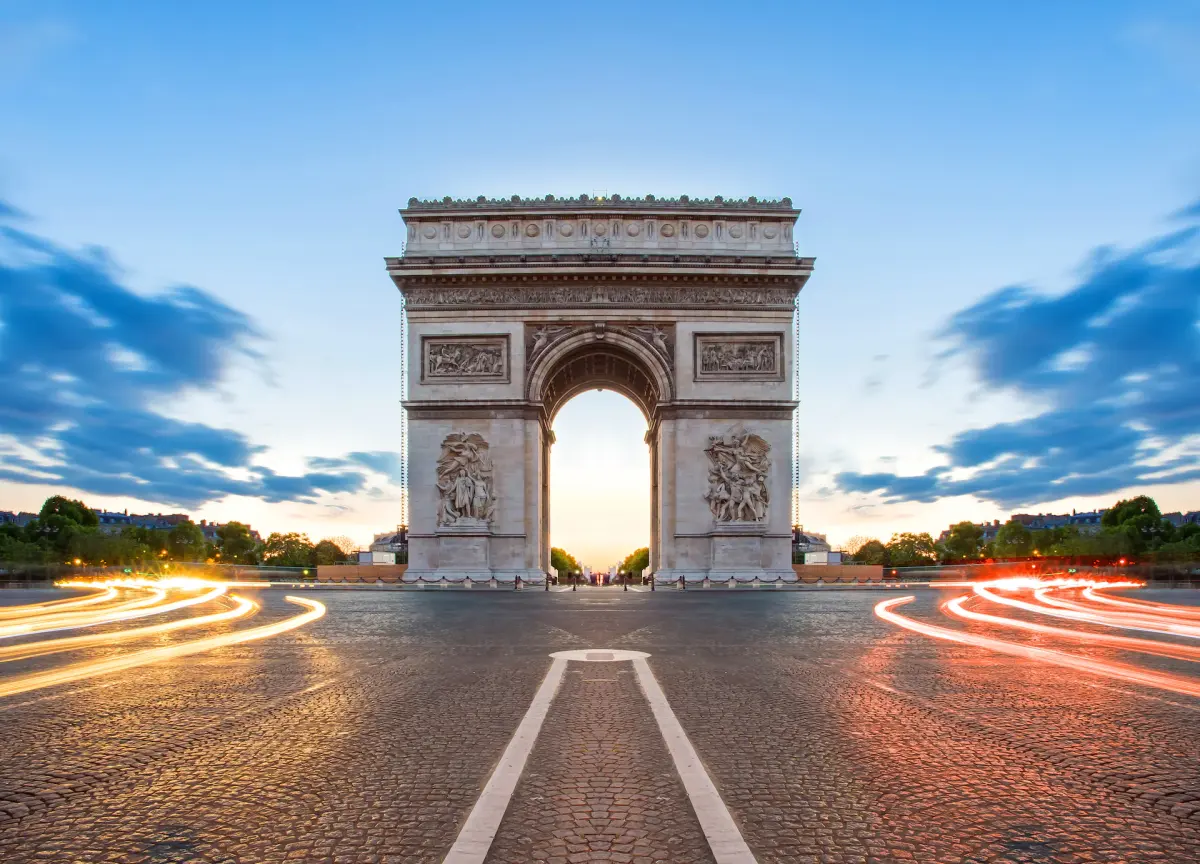
Paris is defined by its skyline and historic monuments that draw millions of visitors annually. The Eiffel Tower, completed in 1889 for the World’s Fair, remains the city’s most recognizable symbol. Originally criticized by local artists, it now stands as a marvel of iron engineering. Other essential landmarks include the Arc de Triomphe, which honors those who fought for France, and the Sacré-Cœur Basilica, perched atop the bohemian Montmartre district.
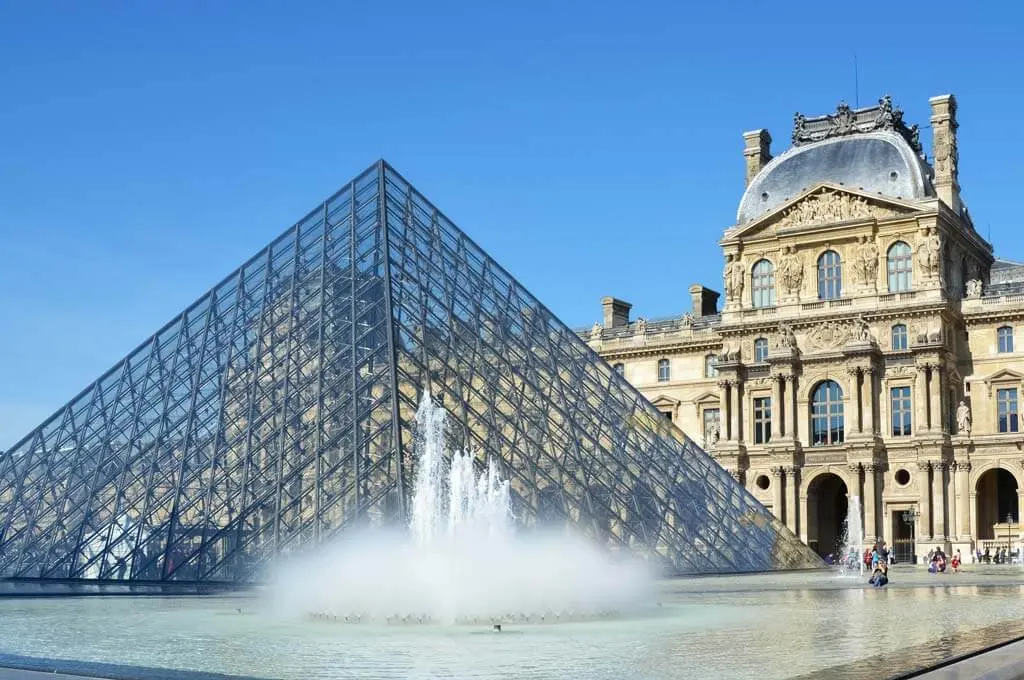
The city’s religious and cultural heritage is equally significant. Notre-Dame Cathedral, a masterpiece of French Gothic architecture, continues its restoration following the 2019 fire. Museums are central to the Parisian experience, housing some of the world's most important collections. To navigate these sites efficiently, consider the following:
- Purchase tickets online in advance to skip long queues at the Louvre or Musée d'Orsay.
- Use the Paris Museum Pass if you plan to visit more than three major sites.
- Wear comfortable walking shoes, as the city is best explored on foot.
How do I experience Parisian food and culture?
Dining in Paris is a cornerstone of the local lifestyle, ranging from casual boulangeries to Michelin-starred restaurants. The city is famous for its bread, particularly the traditional baguette, which is protected by strict legal standards regarding its ingredients. Patisseries offer delicate treats like macarons and éclairs, while neighborhood bistros serve classic dishes such as steak frites, onion soup, and confit de canard.
Beyond the plate, Paris is a global hub for high fashion and luxury retail. The "Golden Triangle," formed by the Avenue Montaigne, Avenue George V, and the Champs-Élysées, houses the world’s most prestigious fashion houses. For a more authentic cultural experience, visit local markets like Marché d'Aligre. To fully enjoy the culinary scene, follow these simple guidelines:
- Greet staff with "Bonjour" when entering any shop or restaurant.
- Avoid restaurants located directly next to major tourist monuments, as they are often overpriced.
- Embrace the "terrace culture" by sitting at a café for an hour with a single espresso.
What is the best way to get around Paris?
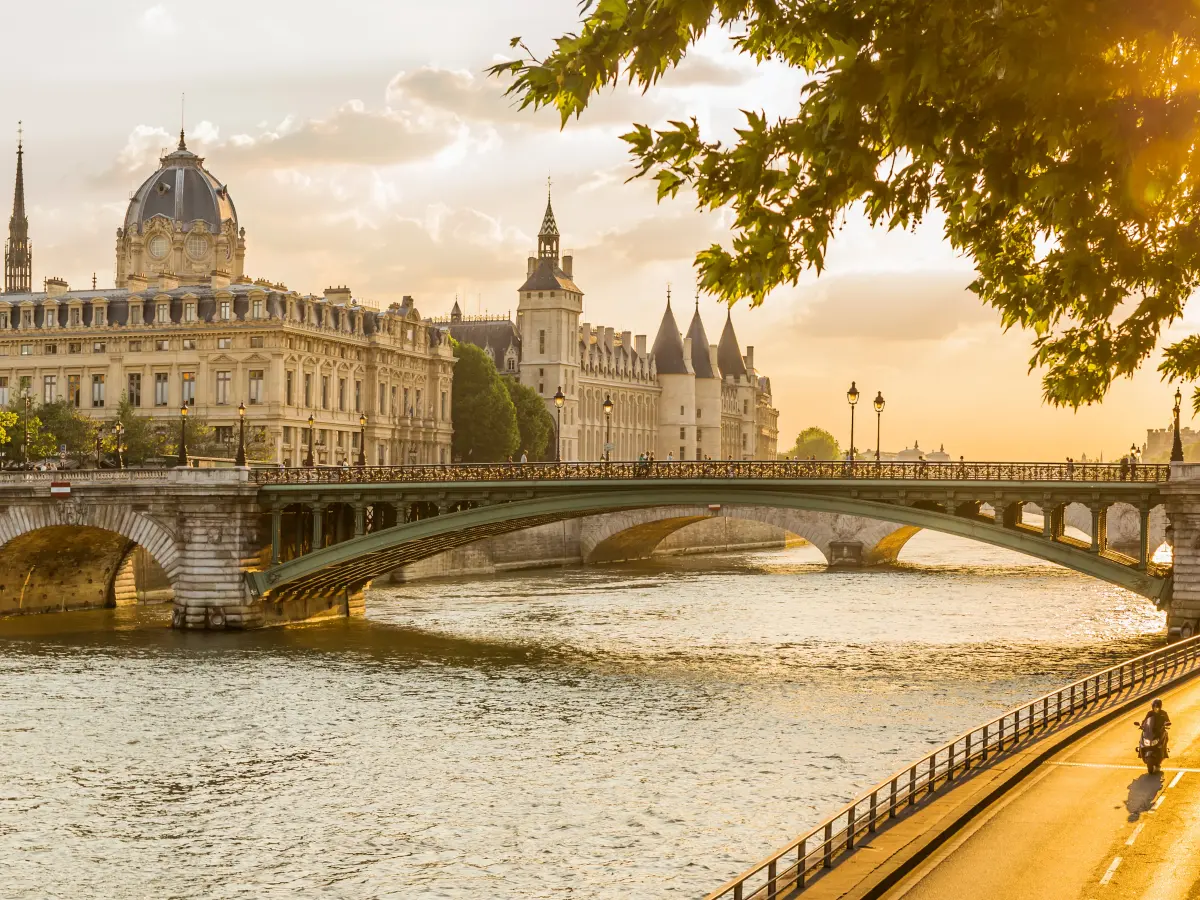
Navigating Paris is straightforward thanks to an extensive public transportation network. The Métro, which opened in 1900, consists of 16 lines that connect almost every corner of the city. It is generally the fastest way to travel, with trains running frequently from early morning until after midnight. For those who prefer scenery, the bus network offers a better view of the architecture and street life.
Walking is often the most rewarding way to discover the city’s hidden passages and charming side streets. Paris is divided into 20 administrative districts, known as arrondissements, which spiral outward from the center like a snail shell. When using public transit, remember to keep your validated ticket until you exit the station, as inspectors frequently check for proof of payment. Avoid taking unlicensed taxis; always use official taxi stands or verified ride-sharing applications to ensure fair pricing and safety.
Common mistakes when visiting Paris?
Many travelers fall into traps that can diminish their experience of the city. One major mistake is trying to see too many monuments in a single day. Paris is meant to be savored, and rushing between sites often leads to exhaustion. Another common error is assuming that everyone speaks English fluently. While many Parisians do, learning basic French phrases like "pardon" and "s'il vous plaît" is considered polite and significantly improves your interactions.
Tipping culture is another area of confusion for visitors. Service is already included in the price of your meal, so large tips are not expected or required. Leaving a few extra coins for exceptional service is appreciated, but it is not mandatory. Furthermore, be cautious of pickpockets in crowded tourist areas, especially around the Eiffel Tower and on the RER B train line. Keep your belongings secure and remain aware of your surroundings at all times to ensure a smooth trip.
Why is Paris called the City of Light?
The nickname "City of Light" has two distinct origins. Historically, it refers to the city’s role during the Age of Enlightenment in the 18th century, when Paris became a center for philosophy, science, and political thought. Later, in the 19th century, the name took on a literal meaning when Paris became one of the first European cities to install gas street lighting. This innovation transformed the urban environment, making the streets safer and more vibrant at night.
Today, the title remains relevant due to the spectacular illumination of monuments like the Eiffel Tower, which sparkles on the hour after sunset. The city’s commitment to architectural lighting ensures that its beauty is preserved even after dark. Whether you are walking along the banks of the Seine or exploring the illuminated courtyards of the Louvre, the visual appeal of Paris is a testament to its enduring status as a beacon of European culture and history.
Key facts
- Paris is home to the Louvre, the world's largest art museum, which houses over 35,000 objects including the Mona Lisa.
- The Eiffel Tower, completed in 1889 for the World's Fair, stands 330 meters tall and remains the city's most recognizable landmark.
- Paris is divided into 20 administrative districts called arrondissements, which spiral outward from the city center like a snail shell.
- The city’s Metro system is highly efficient, featuring 16 lines and over 300 stations that put most major attractions within a short walk.
- When dining, always greet staff with "Bonjour" upon entering a shop or restaurant; failing to do so is considered impolite in French culture.
- Avoid eating at restaurants directly facing major tourist sites, as these often offer lower-quality food at inflated prices compared to side-street bistros.
The bottom line
Paris remains a global center for art, fashion, and gastronomy, defined by its historic architecture and vibrant street life. By navigating the city’s efficient Metro, respecting local social customs, and exploring beyond the primary tourist corridors, visitors can experience the authentic charm of the French capital. Whether visiting world-class museums or enjoying a quiet café, Paris offers a unique blend of cultural depth and timeless elegance.
People also ask
What is the best time of year to visit Paris?
Spring (April to June) and autumn (September to November) offer the most pleasant weather for walking. Summer can be crowded and hot, while winter is colder but features fewer tourists and festive holiday markets.
Do I need to speak French to get around?
While many Parisians speak English, learning basic phrases like "s'il vous plaît" (please) and "merci" (thank you) is highly appreciated. Most service staff in tourist areas communicate well in English, but a polite attempt at French goes a long way.
How should I handle tipping in Paris?
Tipping is not mandatory because service charges are already included in the bill by law. However, leaving a few extra euros for exceptional service at a sit-down restaurant is a common and appreciated gesture.
Is it safe to travel in Paris?
Paris is generally safe, but pickpocketing is common in crowded areas like the Eiffel Tower, Montmartre, and on the Metro. Keep your belongings secure, use cross-body bags, and remain vigilant in busy tourist hubs.
What is the most iconic food to try in Paris?
You should sample fresh baguettes from a local "boulangerie," buttery croissants, and classic bistro dishes like steak frites or onion soup. For dessert, macarons from famous shops like Ladurée or Pierre Hermé are quintessential Parisian treats.
How do I use the public transportation system?
Purchase a Navigo Easy pass or individual tickets at any Metro station kiosk. Validate your ticket at the turnstile when entering, and keep it until you exit, as you may need it to pass through gates at certain stations.
This answer was created with the help of AI research tools and reference sources. Spotted an error? Let us know — we correct mistakes quickly. See our editorial policy.