What is Berlin known for?
Short answer
Berlin is globally recognized for its complex 20th-century history, vibrant contemporary arts scene, and influential nightlife. As Germany’s capital, it serves as a center for politics, media, and technology. The city is defined by its resilience, blending iconic Cold War landmarks with a diverse, experimental culture that attracts millions of visitors annually.
On this page
Why is Berlin famous for its history?
Berlin stands as a living museum of the 20th century, shaped profoundly by the rise and fall of the Third Reich and the subsequent division of the Cold War. The city’s identity is inextricably linked to the Berlin Wall, which stood from 1961 to 1989 as a physical and ideological barrier between East and West. Today, remnants of this history are preserved at sites like the East Side Gallery, where artists have transformed a long stretch of the wall into an open-air mural collection.
Visitors often seek out the Topography of Terror, an outdoor and indoor history museum located on the site of the former Gestapo headquarters. Other essential historical landmarks include:
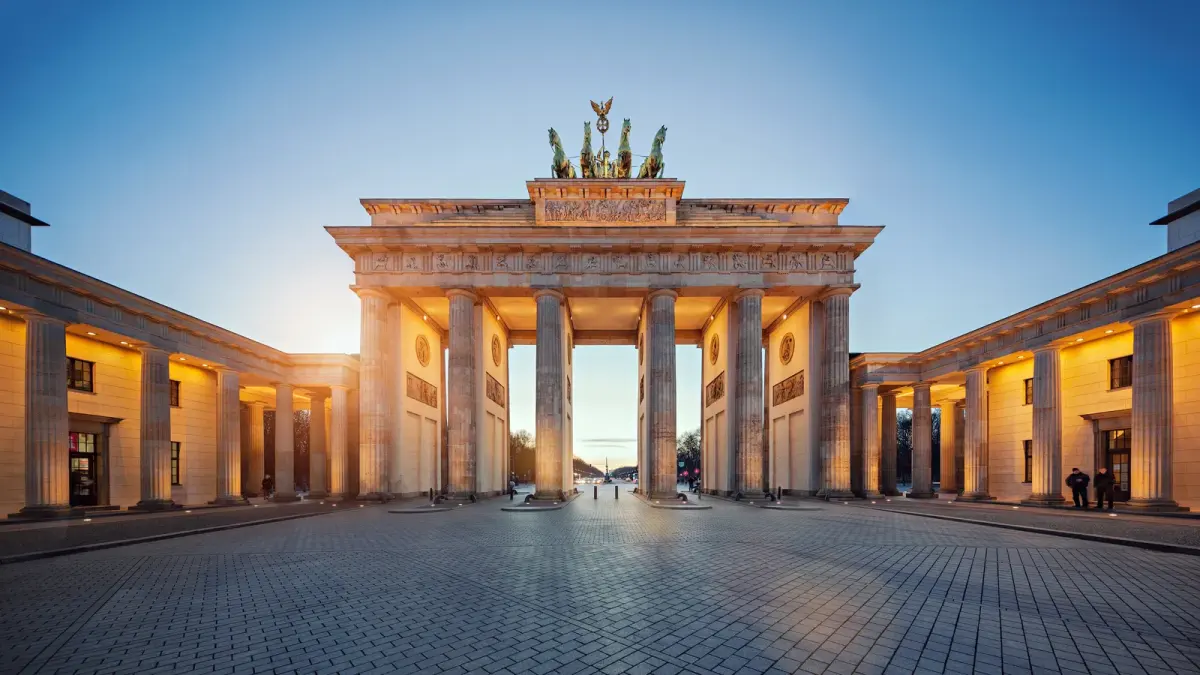
- The Brandenburg Gate, a symbol of German unity.
- The Memorial to the Murdered Jews of Europe, consisting of 2,711 concrete slabs.
- Checkpoint Charlie, the most famous crossing point between East and West Berlin.
- The Reichstag building, which features a glass dome offering views over the city.
How to explore the art and culture scene?
Berlin is frequently cited as one of the world’s most important hubs for contemporary art and subculture. The city’s low cost of living in the decades following reunification allowed thousands of artists to establish studios, galleries, and independent exhibition spaces. This creative influx transformed neighborhoods like Kreuzberg and Neukölln into epicenters of innovation, where traditional museum culture meets avant-garde street art and experimental performance.
The city’s cultural offerings are vast, but navigating them requires a bit of planning to avoid missing the highlights. Consider these steps to maximize your experience:
- Visit Museum Island, a UNESCO World Heritage site housing five world-class museums.
- Explore the galleries in the Auguststraße area for a look at the contemporary scene.
- Walk through the RAW-Gelände in Friedrichshain to see industrial spaces converted into art venues.
- Check local listings for "Gallery Weekend," which typically occurs in late spring.
What is the nightlife in Berlin like?
Berlin’s nightlife is legendary, characterized by its marathon-length club sessions and a culture of extreme inclusivity and freedom. The city is the global home of techno, with clubs like Berghain, Tresor, and Watergate setting international standards for electronic music. Unlike in many other major cities, clubs in Berlin often remain open from Friday night until Monday morning, fostering a unique social environment where time feels secondary to the music.
Common mistakes when attempting to experience Berlin nightlife include:
- Arriving at popular clubs in large, loud groups, which often leads to being denied entry by door staff.
- Wearing overly formal or "dressy" clothing, as many clubs prefer a casual, dark, or individualistic aesthetic.
- Expecting a standard bar atmosphere; many venues prioritize the music and the dance floor over conversation.
- Failing to research the specific DJ lineup or theme of the night, as musical styles change significantly between venues.
Where to find the best green spaces?
Despite its urban density, Berlin is remarkably green, with forests, lakes, and parks accounting for nearly 20 percent of the city’s total area. The Tiergarten, located in the heart of the city, is one of the largest urban parks in Germany, serving as a central lung for the capital. During the warmer months, residents flock to the Landwehr Canal or the shores of Wannsee lake to swim, picnic, and socialize, highlighting the city's focus on public leisure.
The city’s layout encourages outdoor activity, and residents frequently utilize the following areas for recreation:
- Tempelhofer Feld, a former airport turned into a massive public park for cycling and kite-flying.
- Viktoriapark in Kreuzberg, which features a waterfall and panoramic views of the city.
- Grunewald forest, which offers extensive hiking trails and a historic hunting lodge.
- Treptower Park, home to the massive Soviet War Memorial and extensive riverfront paths.
How to get around Berlin efficiently?
Berlin features one of the most comprehensive public transportation networks in the world, consisting of the U-Bahn (subway), S-Bahn (suburban trains), trams, and buses. The system is designed to be highly reliable, allowing visitors to reach almost any corner of the city without the need for a car. Most residents rely on a combination of these trains and bicycles to navigate the flat, expansive urban landscape.
To navigate the city like a local, keep these practical tips in mind:
- Purchase a "Berlin WelcomeCard" or a daily transit pass to avoid buying individual tickets.
- Always validate your paper ticket in the small machines on the platform before boarding.
- Use apps like BVG Fahrinfo to track real-time departures and service disruptions.
- Rent a bicycle for a day, but ensure you follow traffic laws and use designated bike lanes.
Avoid taking taxis for long distances, as the public transit network is significantly faster and more cost-effective for crossing the city’s large districts.
Key facts
- Berlin is home to three UNESCO World Heritage sites: Museum Island, the Palaces and Parks of Potsdam and Berlin, and the Berlin Modernism Housing Estates.
- The city features over 170 museums, including the Pergamon Museum, which houses monumental ancient structures like the Ishtar Gate of Babylon.
- The Berlin Wall, which divided the city from 1961 to 1989, is commemorated by the East Side Gallery, a 1.3-kilometer stretch covered in murals.
- Berlin has more bridges than Venice, with over 1,700 structures spanning its extensive network of rivers, canals, and lakes.
- Public transit is highly efficient; use the "BVG Fahrinfo" app to navigate the U-Bahn, S-Bahn, trams, and buses seamlessly.
- Avoid the mistake of only using cash; while Germany is becoming more digital, many smaller cafes and shops still do not accept credit cards.
The bottom line
Berlin is a city defined by its complex history, vibrant creative energy, and diverse urban landscape. From the somber remnants of the Cold War to its world-class museums and legendary nightlife, it offers a unique blend of reflection and innovation. Whether you are exploring historical landmarks or enjoying the city's vast green spaces, Berlin provides an accessible, culturally rich experience for every type of traveler.
People also ask
Is Berlin an expensive city to visit?
Berlin remains one of the most affordable major capitals in Western Europe. While prices for accommodation have risen, visitors can find high-quality street food like currywurst or doner kebabs for under 8 euros.
What is the best time of year to visit?
Late spring and early autumn are ideal, as the city’s numerous parks and beer gardens are in full swing. Winters are cold and gray, though the festive Christmas markets provide a unique cultural experience in December.
Do I need to speak German to get around?
Most residents in central districts speak excellent English, making it easy for tourists to navigate. Learning basic phrases like "danke" (thank you) and "bitte" (please) is polite and appreciated by locals.
What is the significance of the Brandenburg Gate?
Originally built in the 18th century as a symbol of peace, it became a symbol of national division during the Cold War. Today, it stands as the primary emblem of German unity and freedom.
How should I dress for a night out in Berlin?
Berlin is famous for its relaxed, often edgy fashion sense. While some upscale clubs have strict dress codes, most venues prefer casual, comfortable, or alternative attire over formal wear.
Is it safe to cycle in the city?
Berlin is very bike-friendly, with extensive dedicated lanes and flat terrain. Always follow traffic lights and use hand signals, as local police strictly enforce cycling regulations to ensure safety.
This answer was created with the help of AI research tools and reference sources. Spotted an error? Let us know — we correct mistakes quickly. See our editorial policy.