Who is Loki?
Short answer
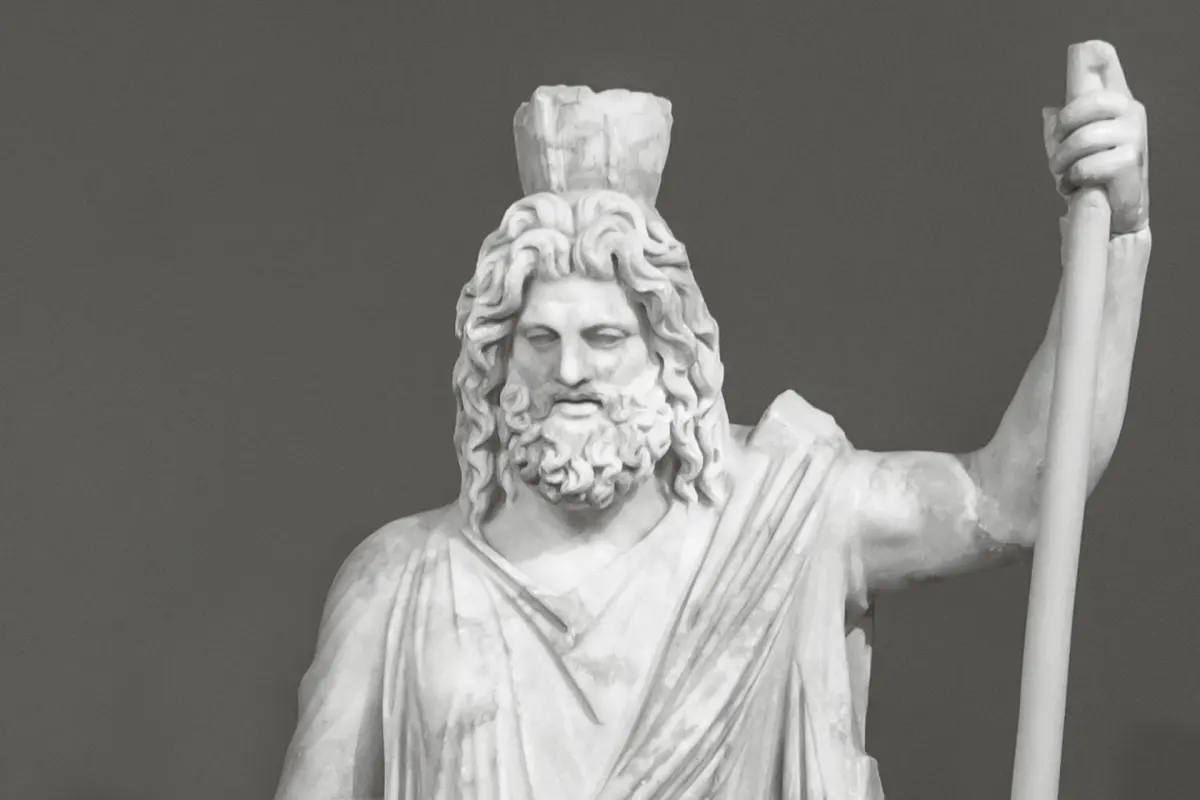
Loki is a complex figure in Norse mythology, known as the trickster god. He is the son of the jötunn Fárbauti and Laufey, often acting as a catalyst for both divine chaos and necessary resolution. Though he frequently aids the gods of Asgard, his eventual betrayal triggers the cataclysmic events of Ragnarök.
On this page
Who is Loki in Norse mythology?
Loki is a shape-shifting deity who occupies a precarious position within the Norse pantheon. While he is not technically an Æsir—the primary group of gods including Odin and Thor—he is often considered a blood brother to Odin and a frequent companion on divine adventures. His nature is fundamentally dualistic; he is a source of both ingenious solutions to impossible problems and malicious deception that threatens the stability of the cosmos.
Unlike the other gods, Loki is defined by his fluidity. He possesses the ability to transform into various animals, such as a salmon, a mare, or a seal, and often changes his gender to suit his schemes. This lack of fixed identity makes him an unpredictable force. He is the father of three monstrous children—the wolf Fenrir, the serpent Jörmungandr, and the death goddess Hel—who are destined to play pivotal roles in the destruction of the world.
How did Loki interact with the gods?
Loki’s relationship with the gods of Asgard is characterized by a cycle of provocation and restitution. He often creates crises through his impulsive or spiteful actions, only to be pressured by the other gods to resolve the mess he made. This dynamic is best exemplified by the theft of Sif’s golden hair, which Loki orchestrated as a prank. When Thor threatened to crush him, Loki was forced to travel to the dwarves to commission a replacement.
The following list highlights his most significant contributions to the gods' inventory:
- Mjölnir: Thor’s iconic hammer, forged by the dwarf brothers Brokkr and Sindri.
- Gungnir: Odin’s infallible spear, which never misses its mark.
- Draupnir: A golden ring that multiplies itself every ninth night.
- Skidbladnir: A magical ship belonging to Freyr that can be folded into a pocket.
- Gullinbursti: A golden-bristled boar that pulls Freyr’s chariot.
Why is Loki associated with Ragnarök?
The transition from a mischievous trickster to a malevolent force culminates in the death of Baldr, the most beloved of the gods. Loki orchestrated the murder by manipulating the blind god Hödr into throwing a mistletoe dart, the only substance capable of harming Baldr. This act of cold-blooded cruelty marked the point of no return for the gods, leading to Loki’s imprisonment and torture beneath the earth.
As the prophecy of Ragnarök dictates, Loki will eventually break free from his bonds to lead the forces of chaos against the gods. He will captain the ship Naglfar, made from the fingernails of the dead, and fight alongside his monstrous offspring during the final battle. His role is that of the ultimate antagonist, whose resentment and desire for destruction bring about the end of the current world order and the death of many major deities.
Common mistakes when studying Loki
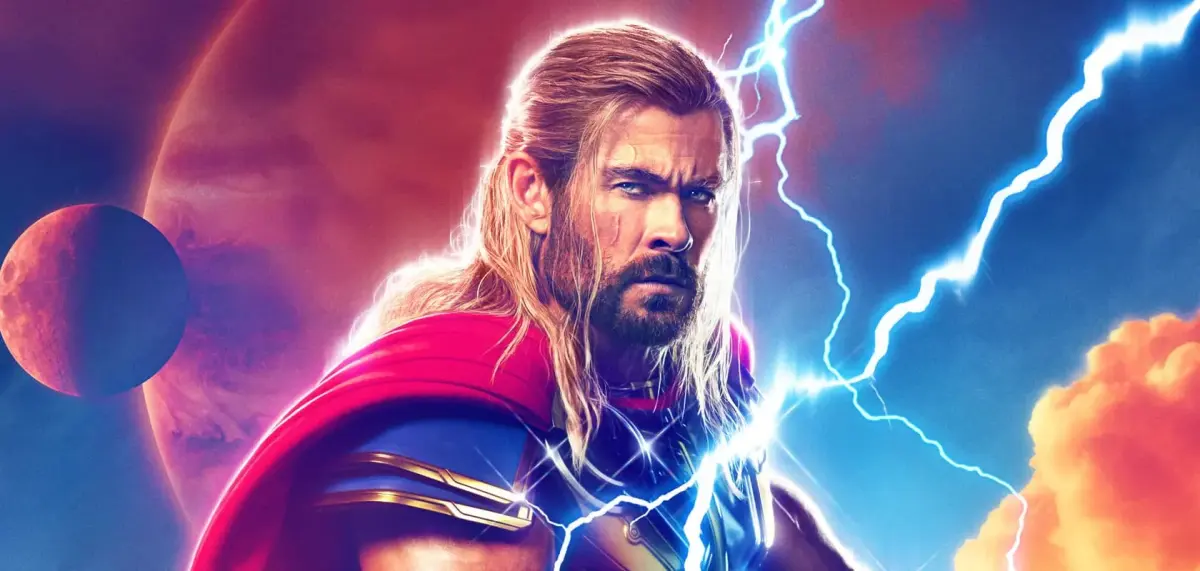
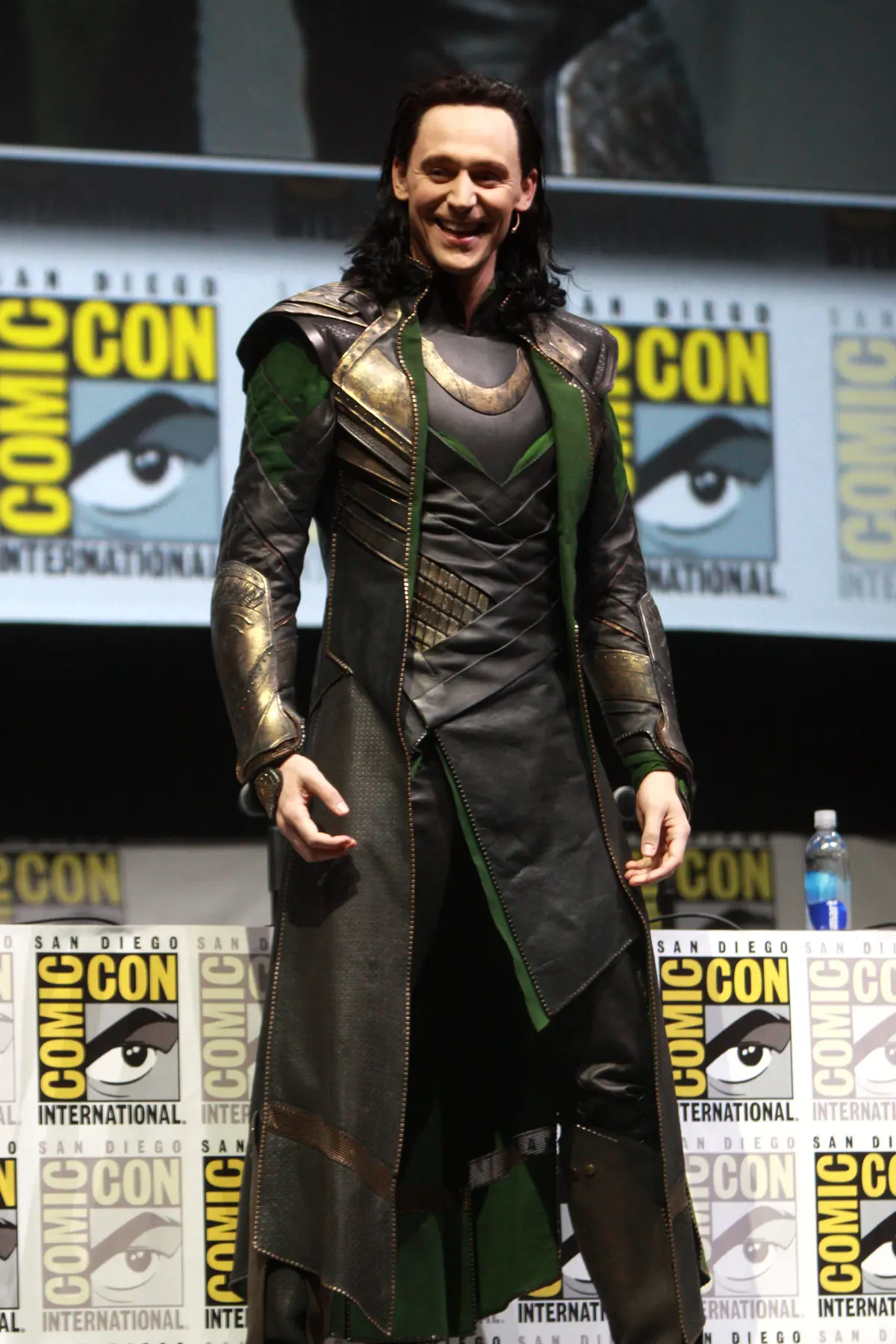
Many modern readers confuse the mythological Loki with the character popularized by contemporary comic books and film franchises. While the cinematic version often emphasizes a redemption arc or a misunderstood anti-hero, the original mythological figure is far more ambiguous and frequently malicious. It is a mistake to view him through a strictly moral lens; he represents the necessary, albeit dangerous, element of change and disorder in a rigid society.
To better understand his role, avoid these common pitfalls:
- Assuming he is a villain in every story; he acts as an ally to the gods in many early myths.
- Ignoring his role as a provider of divine tools; he is responsible for the gods' most powerful weapons.
- Overlooking his parentage; his status as a jötunn explains his inherent opposition to the established order of the Æsir.
- Conflating him with the Christian concept of a devil; he is a trickster figure, not a personification of absolute evil.
How to explore Norse mythology further
If you are interested in deepening your knowledge of Loki and the world of the Vikings, the best approach is to examine the primary literary sources. The two most important texts are the Poetic Edda, a collection of anonymous poems, and the Prose Edda, written by the 13th-century Icelandic scholar Snorri Sturluson. These works provide the foundation for everything known about Norse cosmology, the gods, and the inevitable cycle of creation and destruction.
When reading these texts, keep a notebook to track the lineage of the gods and the specific feats of each character. Because these stories were passed down through oral tradition before being transcribed, there are often variations in the accounts. Focusing on the core themes of each myth will help you synthesize the information effectively. By engaging directly with these ancient narratives, you can appreciate the nuance of Loki’s character and his essential, albeit destructive, function within the framework of Norse mythology, providing a complete picture of his legacy.
Key facts
- Loki is a major figure in Norse mythology, known as the trickster god who often causes chaos for both gods and humans.
- He is the son of the giants Fárbauti and Laufey, though he is counted among the Aesir gods because of his blood brotherhood with Odin.
- Loki is a shapeshifter capable of transforming into various animals, including a mare, a salmon, a seal, and a fly.
- He is the biological parent of three monstrous children: the wolf Fenrir, the serpent Jörmungandr, and the queen of the underworld, Hel.
- His most infamous act is the orchestration of the death of Baldr, the beloved god of light, using a mistletoe dart.
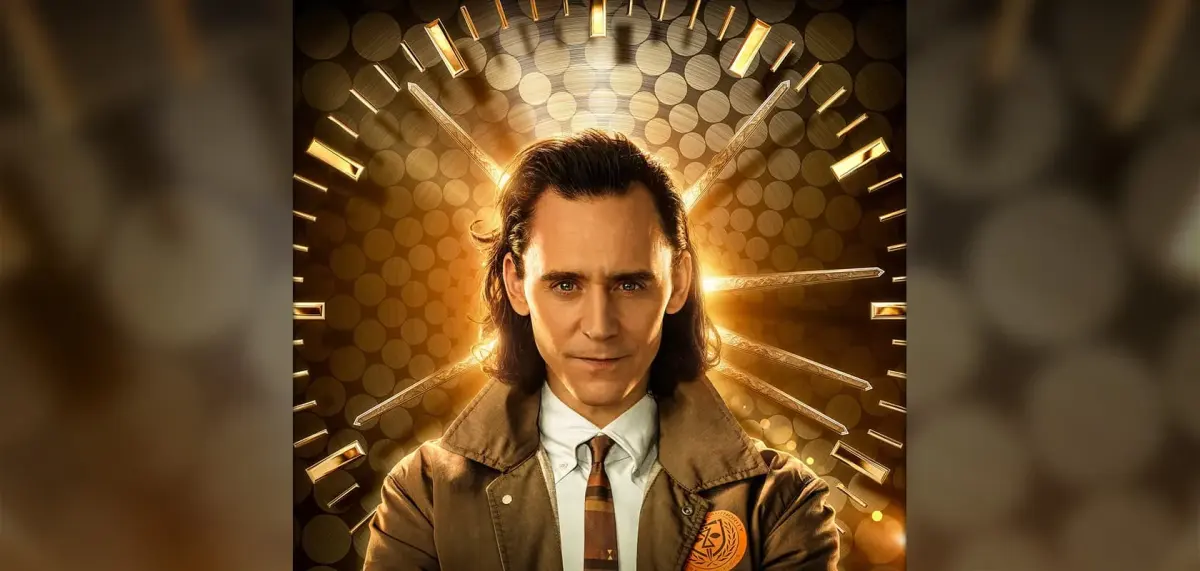
- In modern popular culture, Loki is widely recognized as a central character in Marvel Comics and the Marvel Cinematic Universe, portrayed as a complex anti-hero.
The bottom line
Loki remains one of the most compelling figures in ancient mythology, bridging the gap between divine order and chaotic destruction. While his ancient roots portray him as a dangerous, unpredictable trickster, his modern evolution has transformed him into a nuanced character of redemption and complexity. Understanding Loki requires looking past the simple labels of hero or villain to appreciate his role as a catalyst for change.
People also ask
Is Loki the brother of Thor?
In traditional Norse mythology, Loki is not Thor's brother; he is the blood brother of Odin. The depiction of Loki as Thor’s adoptive brother is a narrative invention created specifically for the Marvel film franchise.
What happens to Loki during Ragnarök?
According to Norse myths, Loki breaks free from his imprisonment to lead the forces of chaos against the gods during Ragnarök. He eventually fights the god Heimdall, and the two kill each other in the final battle.
Why was Loki punished by the gods?
The gods punished Loki for his role in the death of Baldr. They bound him to three rocks using the entrails of his son, while a venomous snake dripped poison onto his face, causing him immense pain.
Is Loki considered a villain or a hero?
Loki does not fit neatly into modern categories of good or evil. He is a morally ambiguous trickster who occasionally helps the gods solve problems but frequently creates the very disasters he then resolves.
Does Loki have a wife?
Yes, Loki is married to a goddess named Sigyn. She remained loyal to him throughout his imprisonment, holding a bowl to catch the snake's venom to protect him from the burning liquid.
What are Loki's primary powers?
Beyond his shapeshifting abilities, Loki is a master of illusion, deception, and magic. He is highly intelligent and uses his silver tongue to manipulate others, often escaping dangerous situations through his wit.
This answer was created with the help of AI research tools and reference sources. Spotted an error? Let us know — we correct mistakes quickly. See our editorial policy.