Where do giraffes live?
Short answer
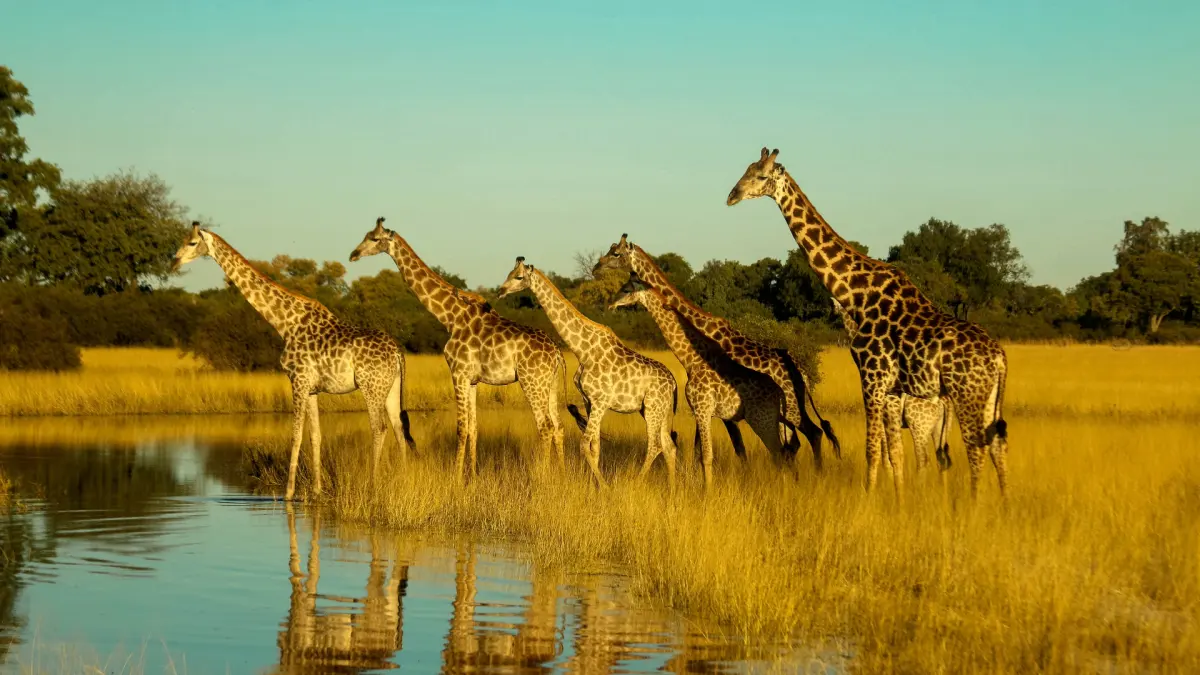
Giraffes live exclusively in sub-Saharan Africa, primarily inhabiting savannas, grasslands, and open woodlands. They are most commonly found in countries such as Kenya, Tanzania, Botswana, Namibia, and South Africa. These animals prefer areas with abundant acacia trees, which serve as their primary food source, while avoiding dense, impenetrable rainforests or arid deserts.
On this page
Where do giraffes live in the wild?
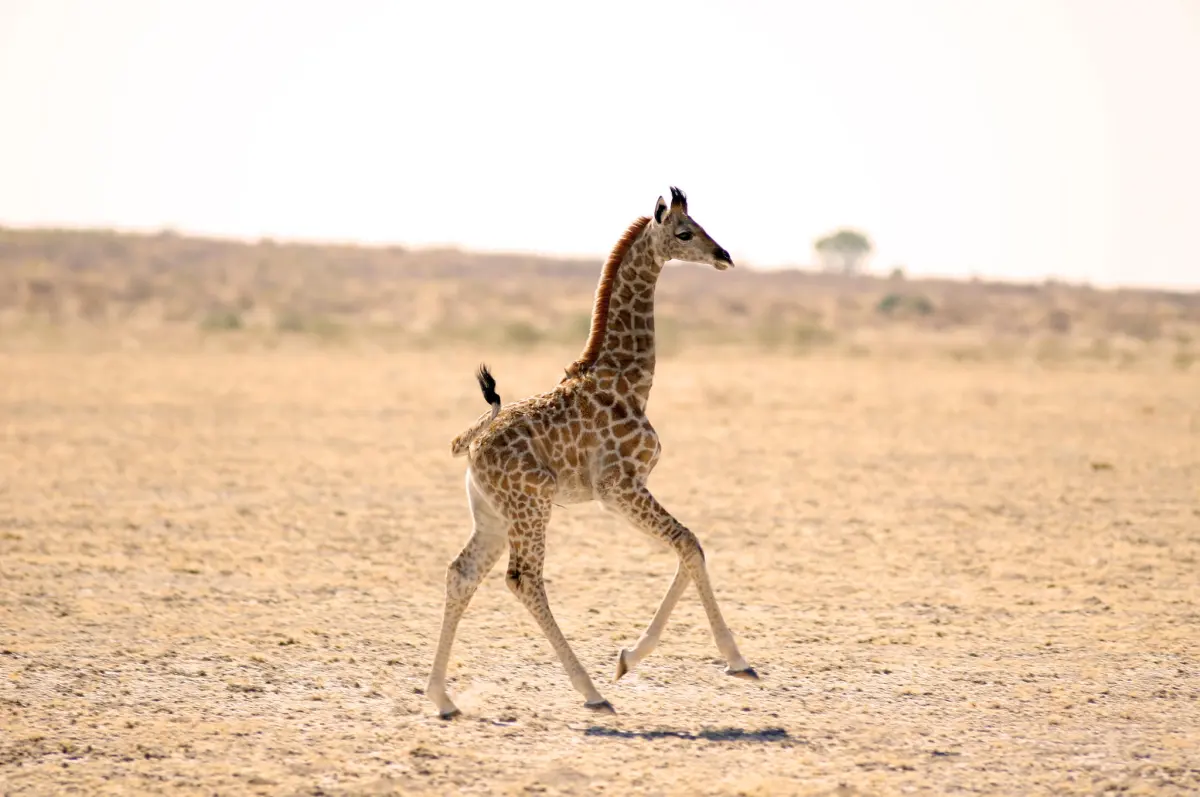
Giraffes are native to the African continent, ranging across a variety of environments south of the Sahara Desert. Their distribution is not uniform; instead, they exist in fragmented populations across eastern, southern, and western Africa. While they were once widespread across the continent, habitat loss and human encroachment have restricted their range to protected national parks, private game reserves, and specific rural regions where they can roam relatively undisturbed.
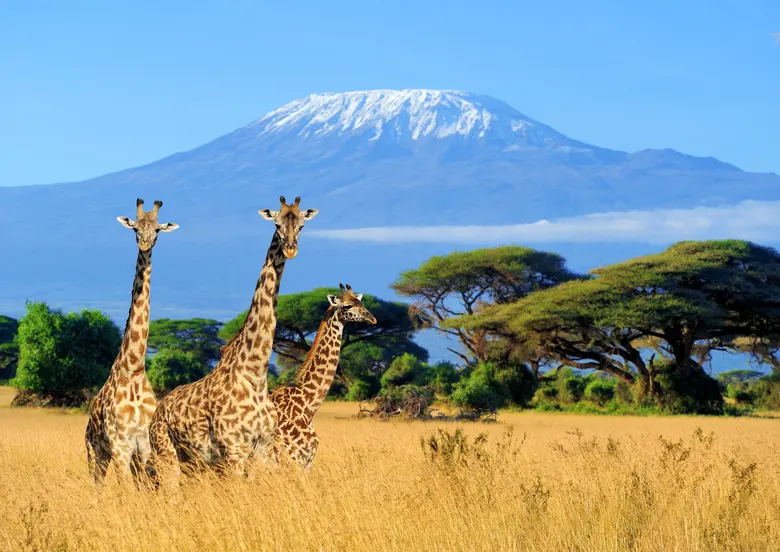
These animals are highly adaptable but show a clear preference for habitats that provide both food and visibility. They thrive in regions characterized by scattered trees and shrubs, which allow them to spot predators from a distance while browsing on foliage. You will typically find them in the following types of ecosystems:
- Savannas: Open plains with intermittent tree cover.
- Dry woodlands: Areas dominated by acacia and mopane trees.
- Scrublands: Regions with dense brush that provide essential nutrients.
- Riverine forests: Linear patches of vegetation along water sources.
Which countries have the most giraffes?
The highest concentrations of wild giraffes are found in East and Southern Africa. Tanzania and Kenya are renowned for their large populations, particularly within iconic landscapes like the Serengeti and the Maasai Mara. In Southern Africa, Botswana, Namibia, Zimbabwe, and South Africa maintain significant numbers, often within well-managed conservation areas that prioritize the protection of megafauna.
The distribution of giraffes is often tied to the specific subspecies present in a region. For example, the Southern giraffe is common in South Africa and Botswana, while the Reticulated giraffe is primarily found in northern Kenya. If you are planning to observe them in their natural habitat, consider these top destinations:
- Serengeti National Park, Tanzania: Offers vast, open plains ideal for viewing large herds.
- Etosha National Park, Namibia: Features unique arid landscapes where giraffes gather at watering holes.
- Kruger National Park, South Africa: Provides a diverse ecosystem with high densities of wildlife.
- Maasai Mara National Reserve, Kenya: Famous for its high population of Reticulated giraffes.
Why do giraffes choose these specific habitats?
Giraffes select their habitats based on the availability of their preferred diet. They are specialized browsers, meaning they feed primarily on the leaves, fruits, and flowers of woody plants. The acacia tree is their most important food source, providing the necessary nutrients and hydration to sustain their massive bodies. Because they can reach heights of up to 18 feet, they occupy a niche that few other herbivores can access.
Beyond food, these animals require access to open space to maintain their safety. Their primary defense mechanism is their keen eyesight, which allows them to detect predators like lions or hyenas from several miles away. By living in open savannas, they can utilize their speed and height to avoid being cornered. They avoid thick, dense forests because the lack of visibility makes them vulnerable to ambush, and the tangled vegetation hinders their movement.
Common mistakes when tracking giraffes
Many visitors mistakenly assume that giraffes can be found anywhere in Africa, leading to disappointment when traveling to regions where they are not native. Another common error is expecting to see them in tropical rainforests or high-altitude mountain ranges. Giraffes are not adapted to these environments; they lack the necessary food sources and the terrain is often too difficult for their long, spindly legs to navigate safely.
Travelers also often underestimate the importance of seasonal migration patterns. While giraffes are not migratory in the same way as wildebeest, they do move across large home ranges to follow the availability of fresh vegetation. To increase your chances of a successful sighting, follow these practical tips:
- Research the specific subspecies native to the region you are visiting.
- Consult with local guides who track the movement of herds based on recent rainfall.
- Avoid visiting during the peak of the rainy season when roads may be impassable.
- Respect the animal's space by maintaining a distance of at least 20 to 30 meters.
How to support giraffe conservation efforts
The total population of wild giraffes has declined significantly over the last few decades due to habitat fragmentation, poaching, and civil unrest. Supporting conservation is vital to ensuring these animals continue to roam the African plains. Many organizations work directly with local communities to protect corridors that connect isolated giraffe populations, allowing for genetic diversity and healthier herd dynamics.
You can contribute to these efforts by choosing eco-friendly safari operators that prioritize animal welfare and habitat preservation. Many of these operators donate a portion of their profits to anti-poaching units and community education programs. By participating in responsible tourism, you help provide an economic incentive for local populations to protect giraffes rather than viewing them as a threat to crops or land. Always ensure your travel choices align with sustainable practices to protect these magnificent creatures for future generations to observe in the wild.
Key facts
- Giraffes are native to the African continent and live primarily in savannas, grasslands, and open woodlands.
- They are currently found in fragmented populations across 15 countries, including Kenya, Tanzania, Botswana, and Namibia.
- Giraffes avoid dense rainforests and regions with extremely steep, mountainous terrain that hinders their movement.
- These animals prefer areas with abundant acacia trees, which serve as their primary food source.
- Most wild giraffes reside within protected national parks and wildlife reserves to minimize human-wildlife conflict.
- When visiting African parks, stay inside your vehicle at all times, as giraffes can become defensive if they feel cornered.
The bottom line
Giraffes are iconic inhabitants of the African savanna, thriving in open woodlands where acacia trees are plentiful. While their range has become fragmented due to habitat loss, they remain protected within various national parks across the continent. To see them in their natural environment, travelers should focus on established wildlife reserves in East and Southern Africa, always prioritizing safety and respecting the animal's space in the wild.
People also ask
Do giraffes live in the Sahara Desert?
Giraffes generally do not live in the heart of the Sahara Desert because it lacks the necessary vegetation for their diet. However, they can be found in arid, semi-desert regions of Namibia and Niger where scattered trees provide enough sustenance.
Are giraffes found in the wild outside of Africa?
No, wild giraffes are endemic to Africa and do not exist in the wild on any other continent. Any giraffes seen in other parts of the world are exclusively located in zoos, safari parks, or private conservation facilities.
Do giraffes migrate across long distances?
Giraffes do not perform long-distance seasonal migrations like wildebeest or zebra. Instead, they maintain home ranges that fluctuate in size depending on the availability of food and water in their immediate environment.
Can giraffes survive in high-altitude areas?
Giraffes are typically found in lowland areas, but some populations, such as those in Kenya, inhabit elevated plateaus. They generally avoid high-altitude mountain ranges where the climate is too cold and the vegetation is sparse.
Why do giraffes prefer open savanna environments?
Open savannas provide excellent visibility, allowing giraffes to spot predators like lions from a great distance. This environment also supports the growth of their preferred acacia trees, which they reach easily with their long necks.
Are all giraffes the same species?
Recent genetic studies suggest there are four distinct species of giraffe, each adapted to different regions across Africa. These species include the Northern, Southern, Reticulated, and Masai giraffes, all occupying specific geographic ranges.
This answer was created with the help of AI research tools and reference sources. Spotted an error? Let us know — we correct mistakes quickly. See our editorial policy.