Where do clownfish live?
Short answer
Clownfish inhabit the warm, shallow waters of the Indian and Pacific Oceans, including the Great Barrier Reef and the Red Sea. They live exclusively in symbiotic relationships with specific species of sea anemones. These fish are most commonly found in sheltered lagoons or seaward reefs at depths under 50 feet.
On this page
Where do clownfish live in the wild?
Clownfish are primarily found in the tropical waters of the Indo-Pacific region. Their geographic range spans from the eastern coast of Africa to the islands of French Polynesia. They thrive in environments where water temperatures remain consistently between 75 and 80 degrees Fahrenheit. Because they are relatively poor swimmers, they rarely venture into open water, preferring the protection of coral reefs.
Within these vast oceans, clownfish occupy very specific niches. They are almost never found outside the protective reach of their host anemones. These anemones provide a safe haven from predators, as the stinging tentacles of the host deter most fish. You will typically find them in the following environments:
- Sheltered lagoons with minimal wave action.
- Shallow seaward reefs where sunlight penetrates to the seafloor.
- Areas with high concentrations of anemone colonies, such as the Great Barrier Reef.
How do clownfish choose their home?
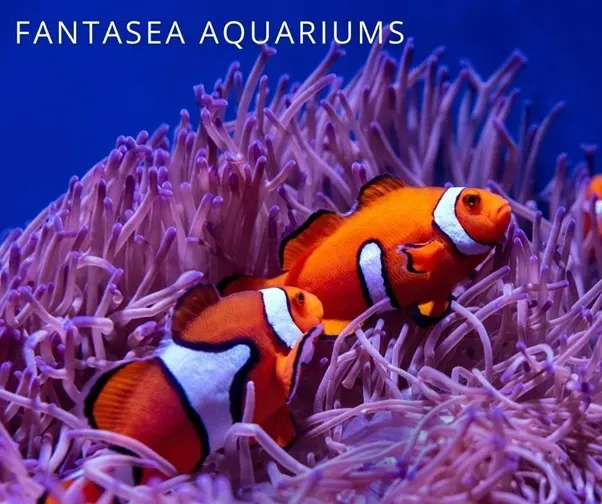
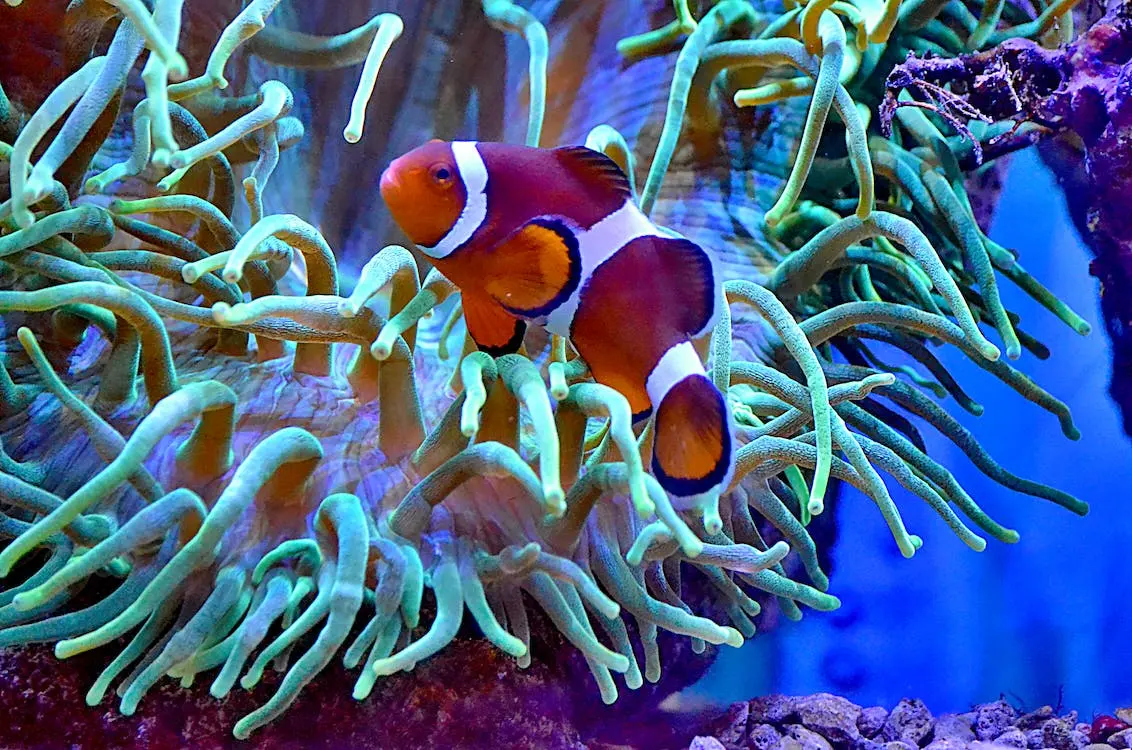
The relationship between a clownfish and its host anemone is a classic example of mutualism. The clownfish gains protection from the anemone’s stinging cells, to which it is immune due to a specialized mucus coating. In return, the clownfish cleans the anemone of parasites, provides nutrients through its waste, and may even chase away butterflyfish that attempt to eat the anemone’s tentacles.
Not every clownfish can live in every anemone. There are over 1,000 species of anemones, but only about 10 species are known to host clownfish. The pairing is often highly specific, meaning certain species of clownfish will only inhabit certain species of anemones. When searching for a home, a clownfish performs a "dance" to acclimate itself to the host's sting. This process involves:
- Gently brushing against the tentacles with its fins.
- Gradually increasing contact until the fish is fully coated in the anemone's protective mucus.
- Establishing a permanent residence within the host's stinging canopy.
Why do clownfish stay in one spot?
Clownfish are remarkably sedentary creatures. Once a pair establishes a territory within an anemone, they rarely travel more than a few meters from it throughout their entire lives. This behavior is primarily a survival strategy. Because they lack the speed and agility of many other reef fish, the anemone serves as their only reliable defense against larger predators like groupers or eels.
This territorial nature also plays a role in their social structure. A single anemone usually hosts a small group consisting of a dominant breeding pair and several smaller, non-breeding juveniles. If the dominant female dies, the largest male will undergo a biological transformation to become the new female. This strict hierarchy ensures that the group remains stable within the limited space of their host. Their commitment to a single location makes them easy to observe for divers, provided one approaches the reef with caution and respect for the delicate ecosystem.
Common mistakes when looking for clownfish
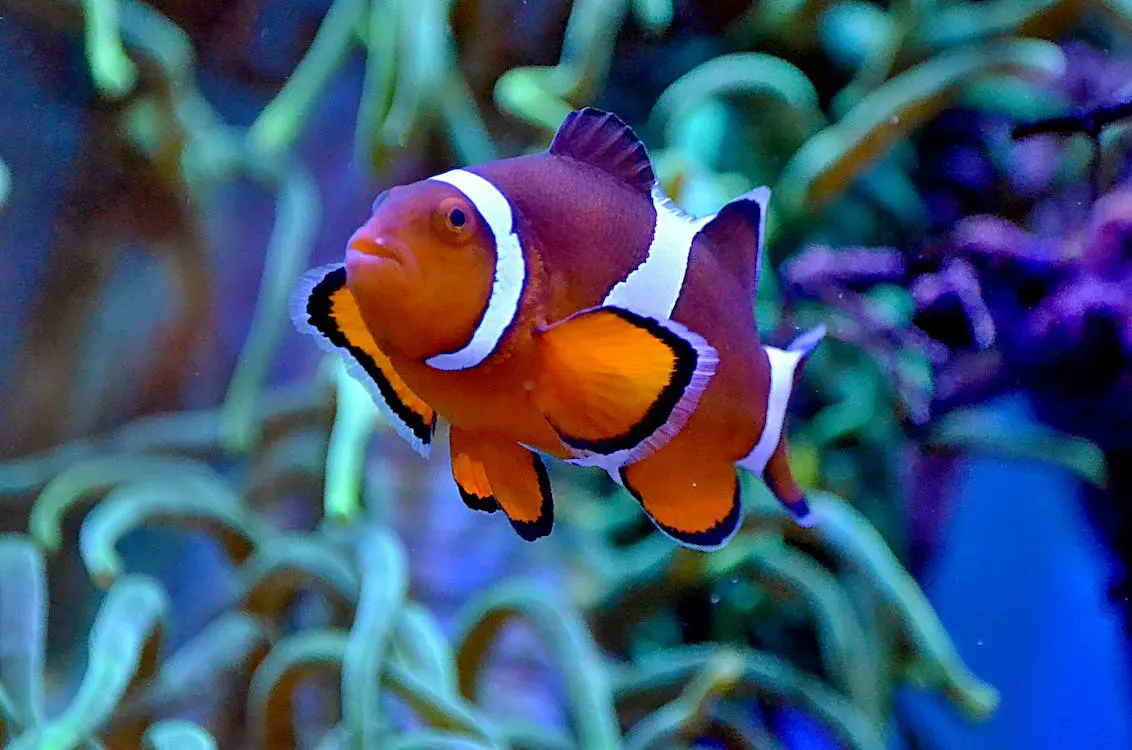
Many amateur snorkelers and divers make the mistake of searching for clownfish in the wrong types of coral formations. They often look in deep, dark crevices or areas with strong currents, where clownfish are unlikely to survive. Another frequent error is assuming that all bright orange fish with white stripes are the same species; in reality, there are 30 recognized species of clownfish that vary significantly in color and pattern.
When attempting to spot these fish, avoid these common pitfalls:
- Touching the anemone, which can damage the host and cause the fish to flee.
- Using flash photography, which may startle the fish and cause them to hide deep within the tentacles.
- Searching in polluted or murky water, as clownfish require clear, high-quality saltwater to thrive.
- Assuming the fish will always be visible, as they often retreat into the center of the anemone when they feel threatened by large shadows or movement.
How to identify clownfish habitats
Identifying a potential clownfish home requires looking for specific environmental cues. Look for areas with high biodiversity where coral cover is dense and water clarity is high. Anemones are often found attached to hard substrates, such as rocks or dead coral skeletons, rather than drifting freely in the current. If you see a cluster of sea anemones, there is a high probability that clownfish are nearby.
When you are in the field, keep these identification tips in mind:
- Scan the surface of the reef for the characteristic orange, black, or yellow colors of the fish.
- Watch for the distinct, jerky swimming motion that clownfish use to navigate through tentacles.
- Look for the host anemone's tentacles swaying in the current, as this is where the fish will be concentrated.
- Maintain a distance of several feet to observe their natural behavior without causing them to hide.
By following these guidelines, you can successfully locate these fascinating creatures in their natural, protected, and vibrant underwater homes.
Key facts
- Clownfish live in the warm, shallow waters of the Indian and Pacific Oceans, including the Great Barrier Reef and the Red Sea.
- They form a symbiotic relationship with ten specific species of sea anemones, which provide them with protection from predators.
- A thick layer of mucus on the clownfish's skin prevents them from being stung by the anemone's toxic tentacles.
- These fish are rarely found in the open ocean, preferring the shelter of coral reefs at depths usually between 1 and 15 meters.
- If you keep clownfish in an aquarium, ensure the tank has at least 20 gallons of water and a compatible host anemone.
- Avoid introducing clownfish to a tank without first cycling the water for several weeks to establish a stable biological environment.
The bottom line
Clownfish are specialized marine inhabitants that thrive in the tropical waters of the Indian and Pacific Oceans. By nesting within the stinging tentacles of sea anemones, they secure a safe haven from predators while offering the anemone nutrients in return. Understanding their need for specific reef environments and stable water conditions is essential for anyone interested in observing these fascinating creatures in the wild or in aquariums.
People also ask
Can clownfish survive without an anemone?
While they are safer with an anemone, clownfish can survive in captivity without one if there are other hiding spots like rocks or corals. In the wild, however, they are highly dependent on their host for protection from larger fish.
How many species of clownfish exist?
There are approximately 30 recognized species of clownfish, all belonging to the subfamily Amphiprioninae. They vary in color and pattern, ranging from the iconic orange and white to shades of black, yellow, and maroon.
Do clownfish migrate?
Clownfish do not migrate long distances because they are poor swimmers and rely heavily on their specific reef territory. They spend their entire lives within a small radius of their host anemone.
Are clownfish aggressive toward other fish?
Clownfish can become territorial and aggressive, especially when defending their host anemone. They may chase away other fish that wander too close to their home, regardless of the intruder's size.
How long do clownfish live in the wild?
In their natural habitat, clownfish typically live for 6 to 10 years. Factors such as predation and environmental stability play a significant role in determining their lifespan.
Can clownfish live in freshwater?
No, clownfish are strictly saltwater fish and require a marine environment to survive. Placing them in freshwater will cause them to suffer from osmotic shock and lead to death within minutes.
This answer was created with the help of AI research tools and reference sources. Spotted an error? Let us know — we correct mistakes quickly. See our editorial policy.