What is the difference between a lagoon and a lake?
Short answer
A lake is a large, inland body of standing fresh or salt water surrounded by land. A lagoon is a shallow, coastal body of water separated from a larger ocean or sea by a barrier, such as a sandbar, coral reef, or barrier island. Lagoons are typically connected to the ocean via inlets.
On this page
How to tell a lagoon from a lake
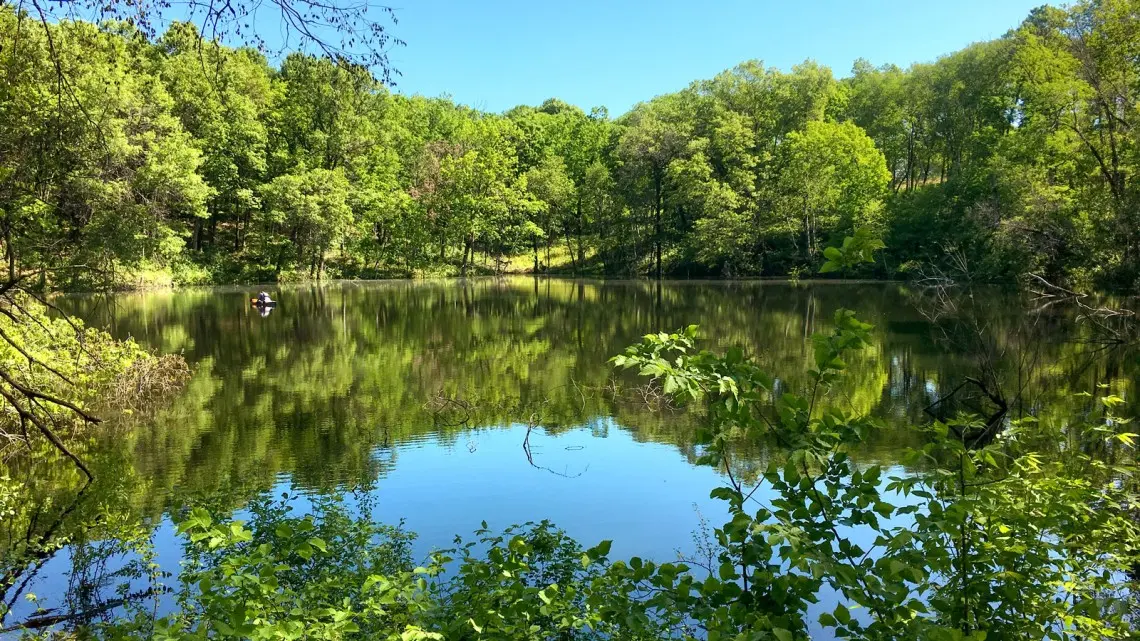
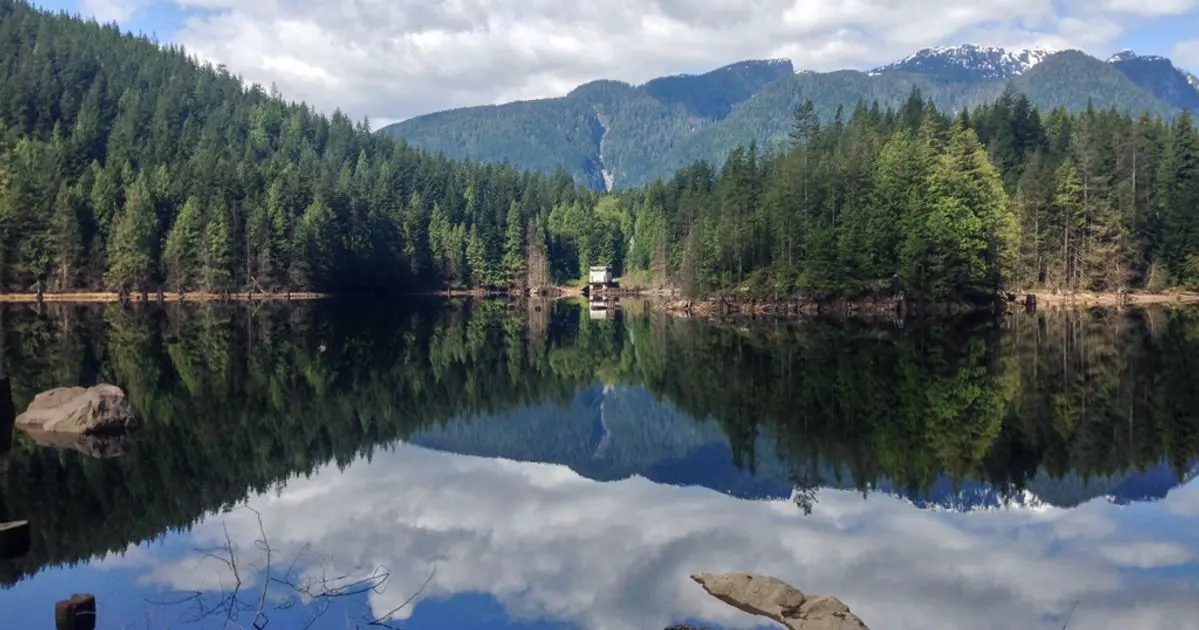
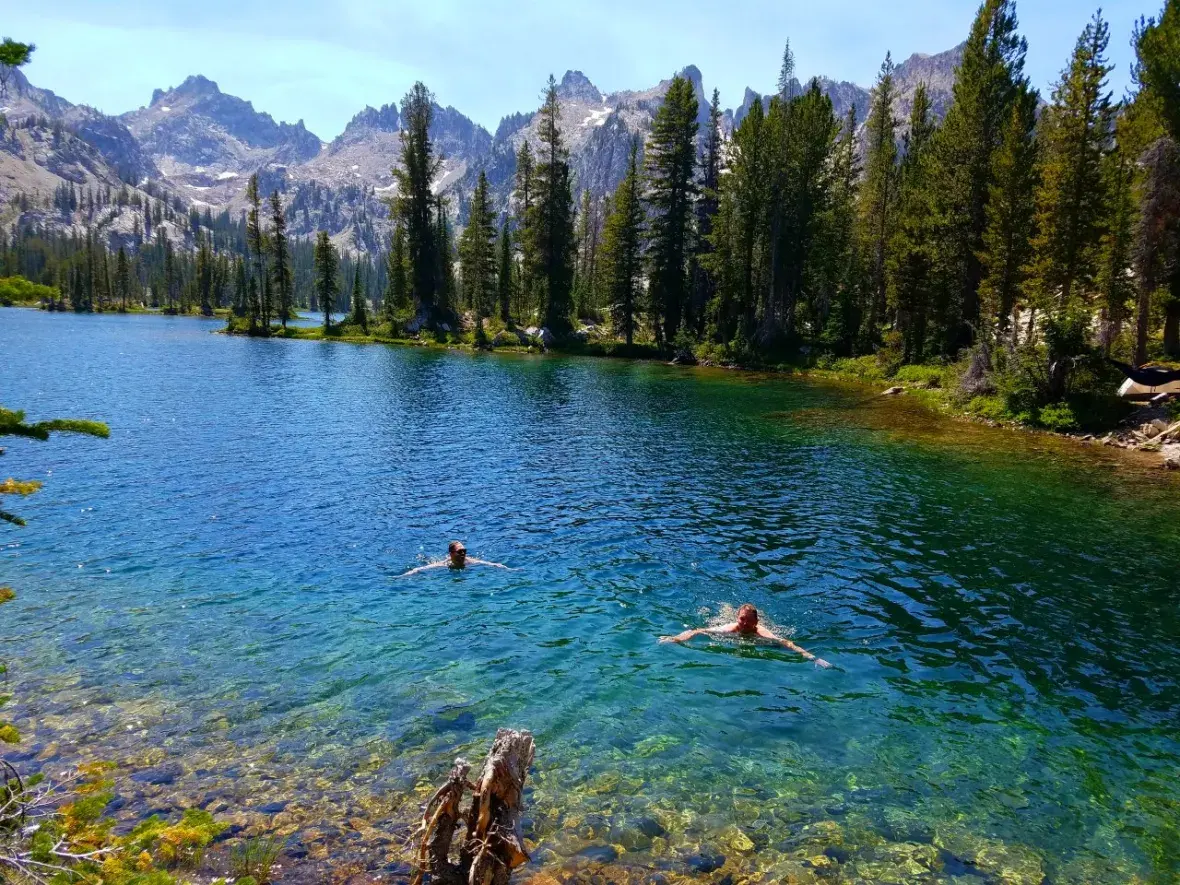
The primary distinction between these two water bodies lies in their proximity to the ocean and their geological formation. Lakes are typically landlocked, meaning they are completely surrounded by land and often fed by rivers, streams, or groundwater. They can be found at any elevation and are usually permanent features of the landscape, though some may dry up seasonally.
Lagoons, by contrast, are coastal features. They are defined by their separation from the open sea by a physical barrier, such as a sandbar or a barrier reef. While a lake is an isolated basin, a lagoon maintains a connection to the sea through narrow channels or tidal inlets. This connection allows seawater to flow in and out, which significantly impacts the water’s chemistry and the life forms that inhabit the area.
- Lakes are generally deeper and have a more stable water level.
- Lagoons are shallow and experience tidal fluctuations.
- Lakes are often freshwater, while lagoons are usually brackish or saline.
- Lagoons act as buffers between the ocean and the mainland.
Why lagoons form along coastlines
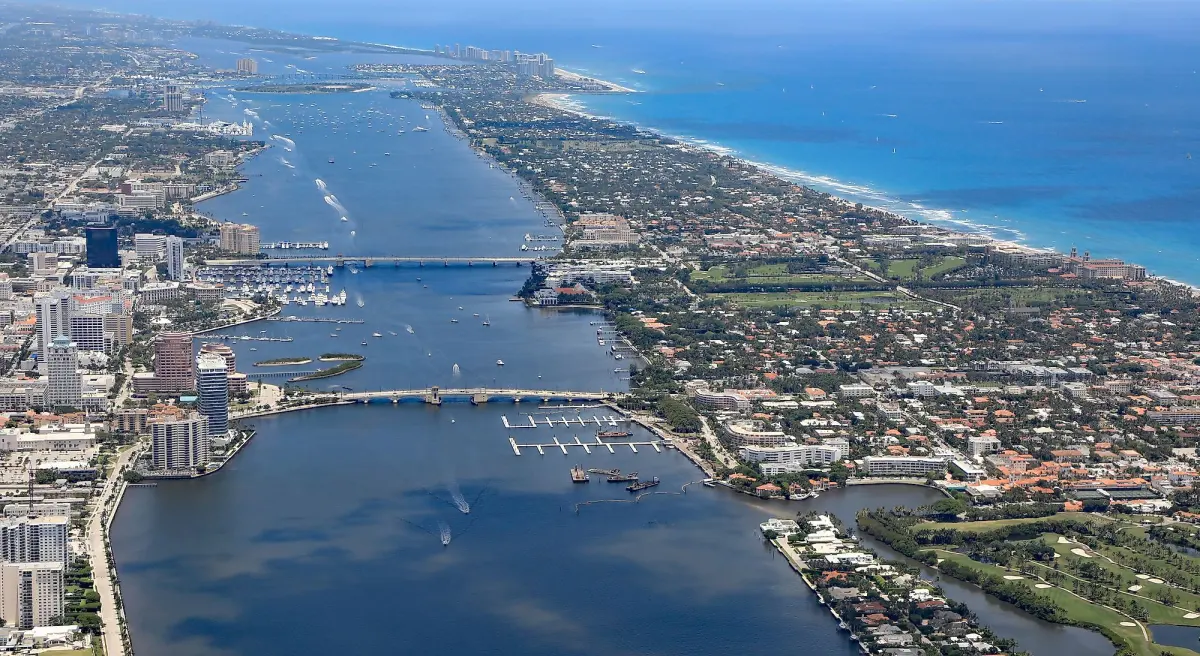
Lagoons are created through specific geological processes that occur along shorelines. When ocean currents move sand or sediment along a coast, this material can eventually form a spit or a barrier island that stretches across a bay or an inlet. Over time, this barrier closes off the area from the open ocean, trapping a portion of seawater behind it.
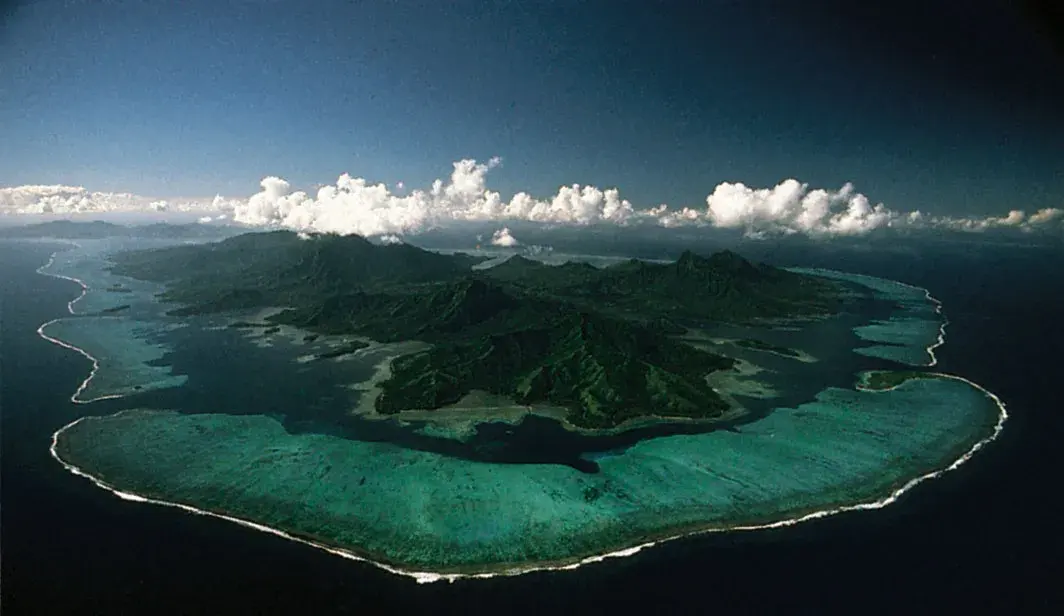
Coral reefs can also form lagoons. As a reef grows upward and outward, it creates a protected, shallow pool of water between the reef crest and the shore. These areas are highly productive environments, serving as nurseries for many marine species. Because they are sheltered from the high energy of open ocean waves, they provide a calm habitat that is distinct from the surrounding sea.
- Sediment is transported by longshore drift along the coast.
- Sandbars or barrier islands emerge, creating a protected basin.
- Tidal inlets remain open, allowing for water exchange.
- The basin stabilizes, forming a distinct coastal lagoon.
Where lakes are found globally
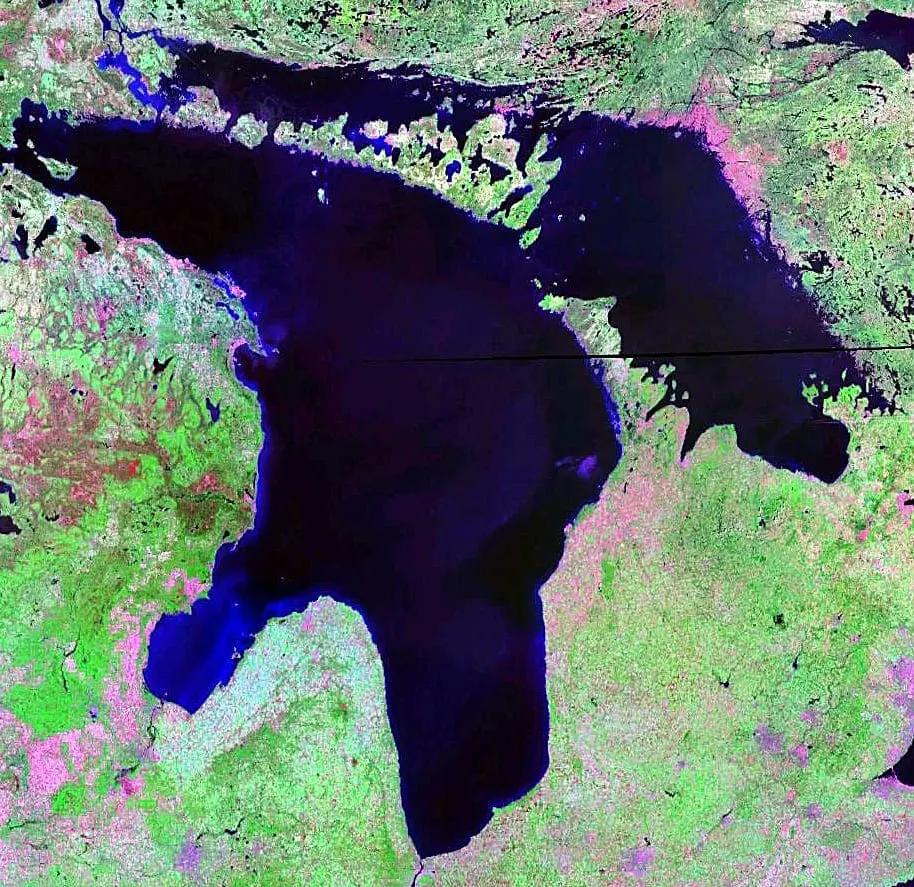
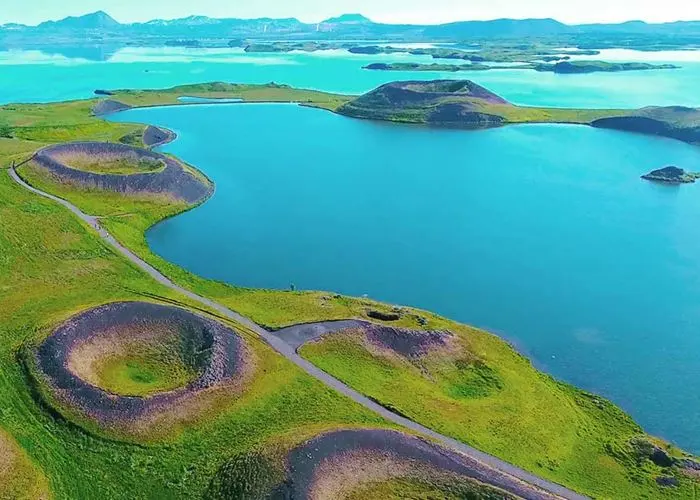
Lakes are found on every continent and vary wildly in size, depth, and chemistry. The world’s largest lake by surface area is the Caspian Sea, though it is technically a saline lake. In contrast, Lake Superior in North America is the largest freshwater lake by surface area. These bodies of water can be formed by glacial erosion, tectonic plate movement, or volcanic activity.
The water in a lake is generally stagnant compared to a river, but it is not truly still. Lakes undergo thermal stratification, where water layers of different temperatures do not mix, which affects oxygen levels and nutrient distribution. Because they are inland, they are primarily influenced by precipitation, evaporation, and the inflow of local river systems rather than the tides of the ocean.
Common mistakes when identifying water bodies
A frequent error is confusing a lagoon with an estuary. While both are coastal, an estuary is the specific area where a river meets the sea, characterized by a significant influx of freshwater that dilutes the salt. A lagoon, however, is defined more by its barrier-protected shape rather than the presence of a river mouth. People often mislabel any small coastal pool as a lagoon, even if it lacks a barrier.
Another mistake is assuming all lakes are freshwater. While many are, some, such as the Great Salt Lake in Utah, are highly saline due to high evaporation rates and a lack of outflow. When observing a body of water, look for the presence of a barrier island or reef. If the water is separated from the sea by a narrow strip of land but remains connected via an inlet, it is a lagoon.
Best ways to study these environments
To understand these ecosystems, researchers analyze the salinity gradients and sediment composition. In a lagoon, the salinity often varies depending on the distance from the tidal inlet and the amount of freshwater runoff from the land. Studying these fluctuations helps scientists understand how climate change and sea-level rise might impact coastal stability and the health of local marine habitats.
For those interested in exploring these areas, it is important to respect the delicate balance of the ecosystem. Lagoons are particularly sensitive to pollution because they have limited water exchange with the open ocean. If you are visiting a lake or a lagoon, ensure you do not disrupt the shoreline vegetation or introduce invasive species. Observing from designated paths and minimizing your footprint will help preserve these unique geological features for future generations to study and enjoy.
Key facts
- A lake is a large body of water surrounded by land, typically containing freshwater.
- A lagoon is a shallow body of water separated from the open ocean by barrier islands, reefs, or sandbars.
- Lakes are primarily fed by rivers, streams, or precipitation, whereas lagoons are connected to the sea through inlets.
- Lagoons are often brackish, meaning they contain a mixture of salt and fresh water.
- You can distinguish them by looking for an ocean connection; if the water body has a direct, tidal link to the sea, it is likely a lagoon.
- When visiting coastal areas, check maps for "barrier islands," as these geological features are the primary indicators of a nearby lagoon.
The bottom line
The fundamental difference lies in their connection to the sea. A lake is an inland basin isolated from the ocean, holding mostly freshwater. Conversely, a lagoon is a coastal feature partially enclosed by sandbars or reefs, maintaining a connection to the ocean through inlets. Understanding this distinction helps in identifying local geography, as lagoons provide unique, protected environments that act as vital transition zones between land and sea.
People also ask
Can a lagoon ever turn into a lake?
Yes, if the connection to the ocean is permanently blocked by sand or sediment, the salt water may eventually be replaced by freshwater from rain or rivers. This process turns the lagoon into a coastal lake over time.
Are all lagoons saltwater?
Most lagoons are brackish because they mix seawater with freshwater runoff. However, some lagoons in extremely dry climates can become hypersaline due to high evaporation rates.
Do lakes have tides?
Generally, no, because lakes are enclosed by land. Only massive bodies of water like the Great Lakes experience very minor "seiches," which are oscillations caused by wind or pressure changes rather than lunar tides.
Are lagoons dangerous to swim in?
Lagoons are often calm and shallow, making them popular for swimming. However, you should always check for local warning signs regarding strong currents near the ocean inlets or the presence of stingrays and jellyfish.
What is the difference between a lagoon and a bay?
A bay is a broad inlet of the sea where the land curves inward, allowing for deep-water access. A lagoon is typically much shallower and is physically separated from the open ocean by a narrow barrier.
Can you find fish in both lakes and lagoons?
Yes, both environments support diverse ecosystems. Lakes host freshwater species like bass and trout, while lagoons serve as nurseries for marine life, including juvenile reef fish and crustaceans.
This answer was created with the help of AI research tools and reference sources. Spotted an error? Let us know — we correct mistakes quickly. See our editorial policy.