What do swans eat?
Short answer
Swans are primarily herbivores that feed on aquatic vegetation, grasses, and grains. They use their long necks to reach submerged plants, roots, and tubers in shallow water. While they occasionally consume small insects or mollusks, their diet consists almost entirely of plant matter found in ponds, lakes, rivers, and nearby meadows.
On this page
What do swans eat in the wild?
In their natural habitats, swans are opportunistic foragers that spend much of their day grazing. Their diet is largely dictated by the season and the availability of local flora. During the warmer months, they focus on aquatic plants such as pondweed, hornwort, and waterweed. They also consume algae and the tender shoots of reeds that grow along the water's edge.
When winter arrives and aquatic plants become scarce, swans shift their feeding habits to land. They graze on grasses, clover, and winter wheat found in fields near their water bodies. This transition is essential for maintaining their energy levels when submerged vegetation is difficult to reach. By diversifying their intake between water and land, swans ensure they receive the necessary nutrients to survive year-round.
How do swans forage for food?
Swans have evolved specific physical traits that make them highly efficient at gathering food. Their most notable feature is their long, flexible neck, which allows them to reach vegetation at depths of up to three feet. By "tipping up"—tilting their bodies forward so their tails point toward the sky—they can graze on the bottom of shallow ponds and lakes.
Their bills are also perfectly adapted for their herbivorous lifestyle. The edges of a swan's bill are serrated, acting like a comb to strain water and mud from the plants they harvest. This mechanism allows them to pull up entire plants, including the nutrient-rich roots and tubers, which are often the most caloric parts of the vegetation.
- Locate shallow areas where vegetation is visible near the surface.
- Extend the neck fully to reach the lakebed or river bottom.
- Use the serrated bill to grasp and pull up stems or roots.
- Shake the vegetation to remove excess silt before swallowing.
What is the best food to feed swans?
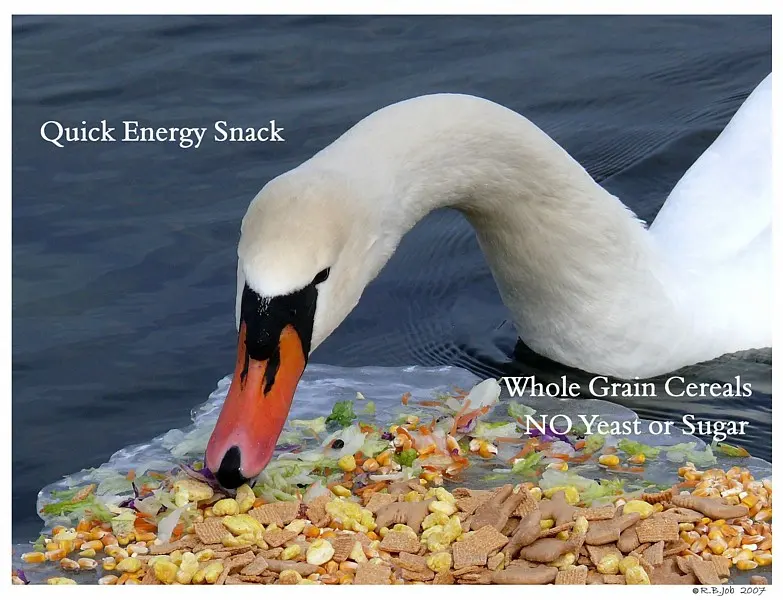
If you choose to feed swans, it is critical to provide items that mimic their natural diet. While many people enjoy feeding wildlife, improper food can lead to health issues or environmental degradation. Providing the right nutrients helps ensure the birds remain healthy and active without becoming overly reliant on human intervention.
- Fresh leafy greens like spinach, kale, or Swiss chard.
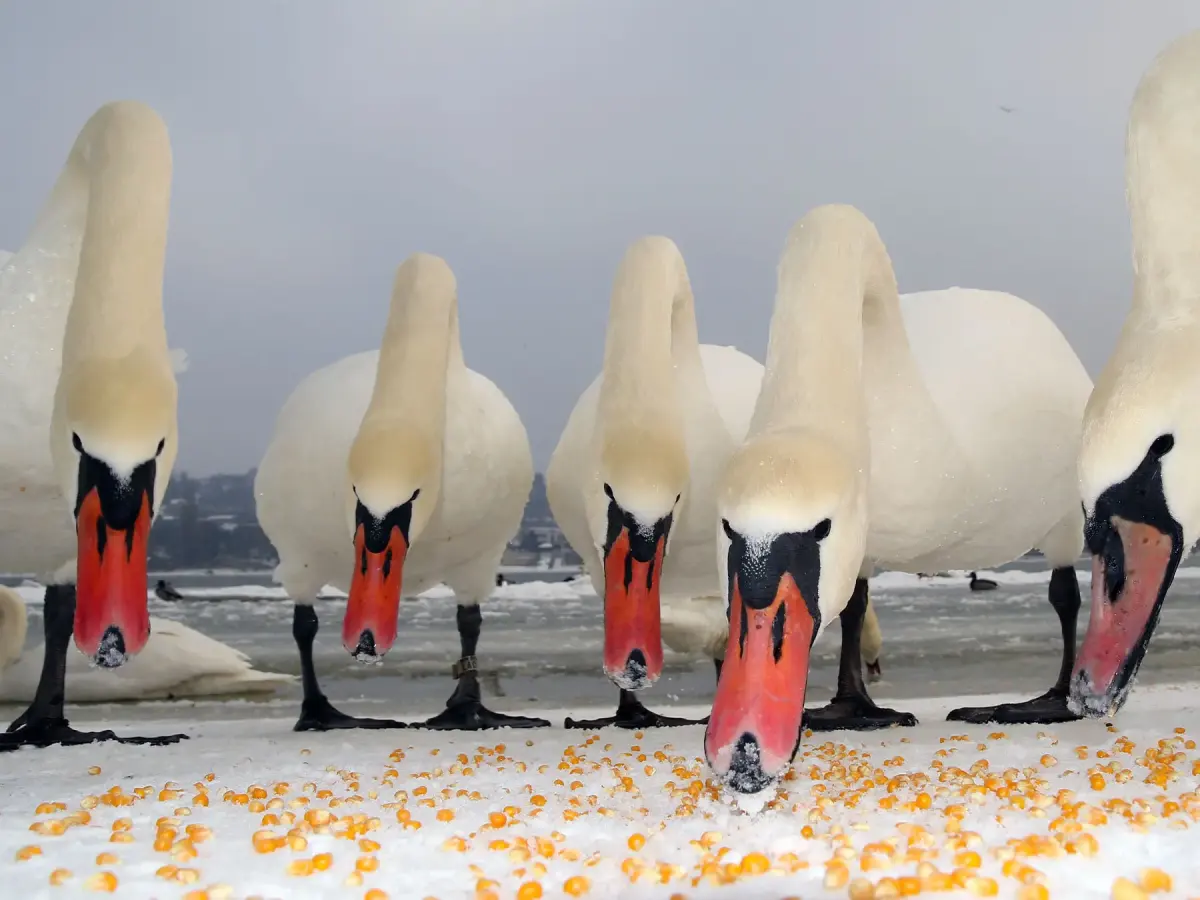
- Frozen peas or corn that have been thawed.
- Grains such as wheat, oats, or barley.
- Lettuce, though iceberg lettuce should be avoided due to its low nutritional value.
These options provide the necessary vitamins and fiber that swans typically derive from wild aquatic plants. Always ensure that any produce is chopped into bite-sized pieces to prevent choking. By offering these specific items, you support the birds' natural digestive processes rather than providing empty calories that offer no long-term health benefits.
Common mistakes when feeding swans
One of the most frequent errors people make is feeding swans bread, crackers, or popcorn. While these items seem harmless, they are "junk food" for waterfowl. Bread lacks essential vitamins and minerals, and its high carbohydrate content can lead to a condition known as "angel wing." This is a permanent deformity in the wing joints caused by rapid growth from an unbalanced diet, which ultimately prevents the bird from flying.
Another mistake is feeding swans in areas where they are not naturally inclined to gather. This can lead to overcrowding, which increases the risk of disease transmission among the flock. Furthermore, feeding swans too close to busy roads or human infrastructure puts them at unnecessary risk of accidents. Always choose a quiet, open space near the water where the birds can retreat safely once they have finished eating.
Why do swans need a healthy diet?
A balanced diet is vital for a swan's ability to maintain its feathers and energy levels. Swans require significant energy to stay warm during cold winters and to facilitate their annual molting process. If their nutritional needs are not met, they may become lethargic or susceptible to parasites and infections that thrive in compromised immune systems.
Furthermore, proper nutrition is essential for the reproductive success of the species. During the nesting season, swans need additional caloric intake to produce eggs and care for their young, known as cygnets. Cygnets grow rapidly and require high-protein vegetation to develop strong bones and healthy plumage. By respecting their natural dietary requirements and avoiding human-processed foods, you contribute to the overall health and longevity of local swan populations, ensuring they remain a vibrant part of the ecosystem for many years to come.
Key facts
- Swans are primarily herbivores that consume aquatic vegetation, grasses, and grains.
- They use their long necks to reach underwater plants like pondweed, eelgrass, and waterweed.
- Adult swans can consume up to 8 pounds of aquatic vegetation per day during the summer.
- Avoid feeding swans bread, as it lacks nutritional value and can cause serious health issues like "angel wing."
- Healthy alternatives for feeding include frozen peas, corn, oats, or specialized waterfowl pellets.
- Swans often graze on land to eat clover, grass, and leftover agricultural crops like wheat or potatoes.
The bottom line
Swans are specialized herbivores that thrive on a diet of aquatic plants, grasses, and grains. While they are fascinating to observe, it is vital to avoid feeding them bread, which causes significant health problems. Instead, offer healthy snacks like corn or peas if you choose to feed them. Respecting their natural diet ensures these graceful birds remain healthy and capable of navigating their environment successfully.
People also ask
Is it safe to feed swans bread?
No, bread is considered junk food for swans and provides no nutritional benefit. It can lead to malnutrition and a wing deformity known as "angel wing," which prevents birds from flying.
Do swans eat fish or insects?
While they are primarily herbivores, swans may occasionally ingest small insects, mollusks, or fish eggs while feeding on aquatic plants. These provide minor amounts of protein but are not their main food source.
How do swans find food in the winter?
During winter, swans rely on stored fat reserves and forage for leftover grains or grasses in fields. If natural sources are frozen, they may move to open water or rely on supplemental feeding from humans.
Do cygnets eat the same food as adult swans?
Young cygnets start by eating small insects and aquatic plants found by their parents. As they grow, they transition to the adult diet of grasses, grains, and submerged vegetation.
Can swans digest aquatic plants easily?
Yes, swans have specialized serrated edges on their bills that act like a saw to cut through tough vegetation. They also possess a gizzard that grinds down fibrous plant material for digestion.
Why do swans tip their bodies forward in the water?
This behavior, known as "upending," allows swans to reach deeper vegetation on the lake bed that is otherwise inaccessible. By tipping, they can graze on roots and tubers located several feet below the surface.
This answer was created with the help of AI research tools and reference sources. Spotted an error? Let us know — we correct mistakes quickly. See our editorial policy.