How long do pandas live?
Short answer
Giant pandas typically live for 15 to 20 years in the wild, while those in human care often reach 30 years or older. The record for the longest-lived giant panda is held by Jia Jia, who reached 38 years of age at Ocean Park in Hong Kong before her death in 2016.
On this page
How long do pandas live in the wild?
In their natural habitat within the mountainous regions of central China, giant pandas face a challenging existence. Most wild pandas live between 15 and 20 years. This shorter lifespan compared to captive counterparts is primarily due to the harsh realities of nature, including limited food availability, territorial competition, and the physical toll of navigating rugged, high-altitude terrain.
While the species is no longer classified as endangered, wild pandas remain vulnerable to environmental changes. Their reliance on a strict bamboo diet means that any disruption to these forests directly impacts their health and longevity. Additionally, young pandas face significant mortality risks during their first year of life, as they are small, vulnerable, and dependent on their mothers for protection against predators like leopards or jackals.
How long do pandas live in captivity?
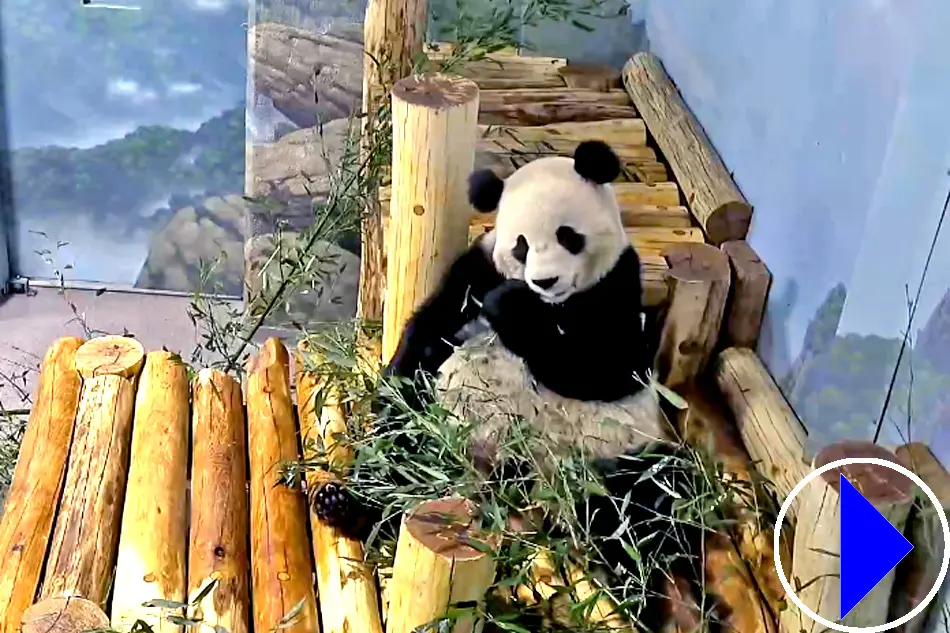
Pandas living in zoos and research facilities often enjoy significantly longer lives due to consistent veterinary care, a steady food supply, and the absence of natural predators. It is not uncommon for captive giant pandas to live into their late 20s or early 30s. The controlled environment eliminates the physical stressors of the wild, allowing these animals to reach ages that would be nearly impossible in nature.
The longevity of captive pandas is a testament to advancements in animal husbandry and nutrition. Modern facilities monitor the health of these bears closely, providing specialized diets and medical interventions that extend their lifespan. Several notable pandas have surpassed the age of 35, proving that with proper management, these animals can thrive well into their senior years.
- Jia Jia: Lived to 38 years old in Hong Kong.
- An An: Lived to 35 years old in Hong Kong.
- Basi: Lived to 37 years old in Fuzhou, China.
- Pan Pan: Lived to 31 years old in Dujiangyan, China.
Why do captive pandas live longer?
The primary reason for the discrepancy in lifespan is the mitigation of environmental risks. In the wild, pandas must forage extensively for bamboo, which is low in nutritional value, requiring them to spend most of their waking hours eating. In captivity, they receive high-quality, supplemental nutrition that ensures they maintain a healthy body weight and immune system throughout their lives.
Medical care also plays a critical role in extending the lives of captive pandas. Veterinarians conduct regular checkups, dental cleanings, and diagnostic screenings that catch potential health issues before they become fatal. By managing age-related conditions such as arthritis or digestive problems, keepers can significantly improve the quality and duration of a panda's life.
- Regular blood panels to monitor organ function.
- Dental examinations to ensure the panda can effectively process tough bamboo fibers.
- Behavioral enrichment programs to reduce stress and encourage natural movement.
- Targeted nutritional supplementation to address specific deficiencies.
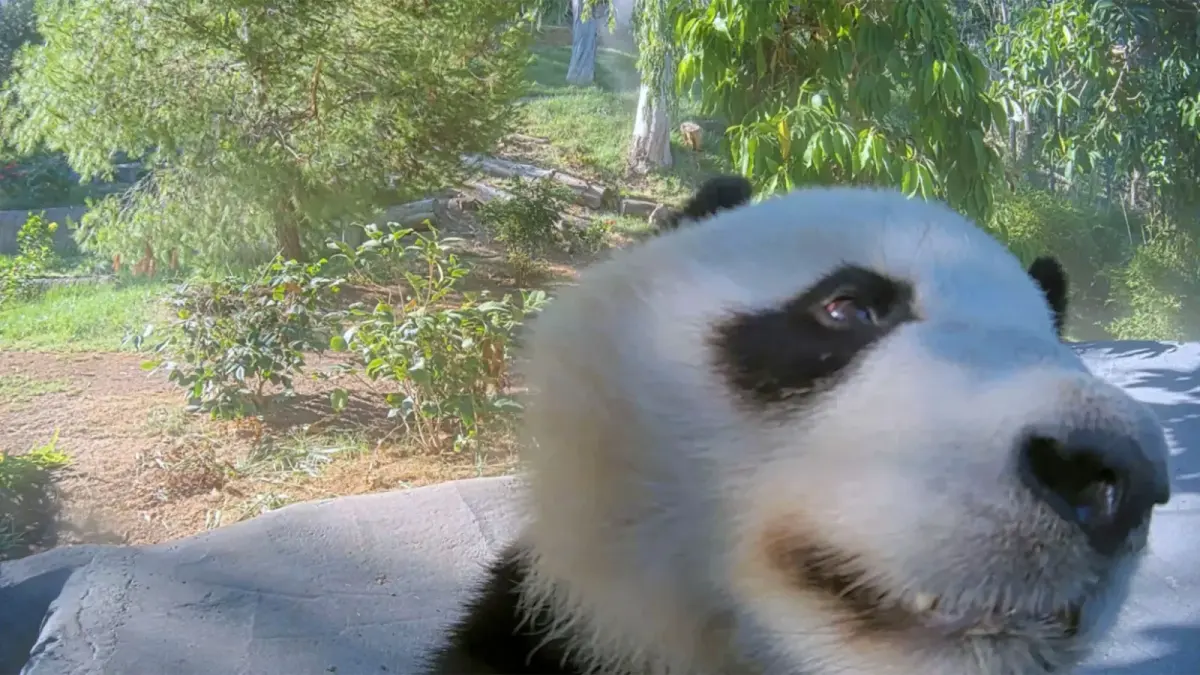
Common mistakes when caring for pandas
One of the most significant errors in panda management is failing to provide adequate environmental enrichment. Pandas are intelligent, solitary animals that require mental stimulation to remain healthy. If a facility treats a panda strictly as a display animal without offering opportunities for climbing, foraging, or exploration, the resulting stress can weaken the animal’s immune system and shorten its lifespan.
Another common mistake is ignoring the specific dietary requirements of the species during different life stages. While bamboo is the staple, a panda's nutritional needs change as it ages or if it is nursing. Providing the wrong species of bamboo or failing to offer a variety of stalks can lead to malnutrition. Furthermore, improper temperature control is a major oversight; pandas are adapted to cool, temperate climates and can quickly suffer from heat exhaustion if their enclosure is not properly ventilated or cooled.
How to support panda longevity
Supporting the longevity of giant pandas requires a dual approach focused on both individual care and habitat conservation. For those interested in the welfare of these animals, supporting reputable conservation organizations is the most effective way to help. These groups fund the protection of bamboo corridors, which are essential for the survival of wild populations, and support research into better captive management techniques.
If you are visiting a facility that houses pandas, observe the environment for signs of high-quality care. Look for clean, spacious enclosures that offer plenty of shade and climbing structures. A healthy panda should be active, have clear eyes, and show an interest in its surroundings. By choosing to visit facilities that prioritize animal welfare and education, you contribute to the global effort to ensure these iconic bears live long, healthy lives. Avoiding facilities that prioritize entertainment over conservation is a simple but vital step for every responsible animal enthusiast.
Key facts
- Giant pandas in the wild typically live between 15 and 20 years.
- Pandas living in human care, such as zoos or breeding centers, often live into their 30s.
- The oldest giant panda on record, Jia Jia, lived to be 38 years old.
- Aging pandas often face health challenges like dental decay, which makes eating bamboo difficult.
- Habitat loss and fragmentation are the primary factors that shorten the lifespan of wild pandas.
- Consistent veterinary monitoring and specialized diets allow captive pandas to live significantly longer than their wild counterparts.
The bottom line
The lifespan of a giant panda is heavily influenced by its environment, with those in human care living nearly twice as long as those in the wild. While wild pandas face threats from habitat loss and nutritional scarcity, captive individuals benefit from advanced veterinary medicine and consistent food supplies. Protecting natural bamboo forests remains the most effective way to ensure wild pandas reach their full natural age.
People also ask
Do male and female pandas have different lifespans?
There is no significant biological difference in the average lifespan between male and female giant pandas. Both sexes are equally susceptible to environmental pressures in the wild and benefit similarly from medical care in captivity.
What is the leading cause of death for wild pandas?
Habitat loss and the resulting lack of food sources are the most common causes of death. When bamboo forests are destroyed, pandas struggle to find enough nutrition to sustain their energy-intensive lifestyle.
How does a panda's diet affect its longevity?
Pandas rely almost exclusively on bamboo, which is low in nutrients and requires constant consumption. If a panda's teeth wear down due to the tough fibers, it cannot process enough food to survive, leading to malnutrition.
At what age is a panda considered a senior
A giant panda is generally considered a senior once it reaches the age of 20. At this stage, they require closer observation for age-related conditions like arthritis, vision loss, and metabolic changes.
Do pandas die of natural causes in the wild?
While some pandas die of old age, many succumb to disease, parasites, or accidents before reaching their maximum potential lifespan. Predators are rarely a threat to adult pandas, but cubs are vulnerable to leopards and jackals.
Can diet supplements extend a panda's life in captivity?
Yes, zookeepers provide high-fiber biscuits and medical supplements to ensure captive pandas receive balanced nutrition. These additions help maintain their health as their natural ability to digest raw bamboo declines with age.
This answer was created with the help of AI research tools and reference sources. Spotted an error? Let us know — we correct mistakes quickly. See our editorial policy.