How long do red pandas live?
Short answer
Red pandas typically live for 8 to 12 years in their natural mountain habitats. Under human care, where they receive consistent veterinary attention, protection from predators, and a steady food supply, they often thrive for 15 years or more. Exceptional individuals have been documented living into their late teens or early twenties.
On this page
How long do red pandas live in the wild?
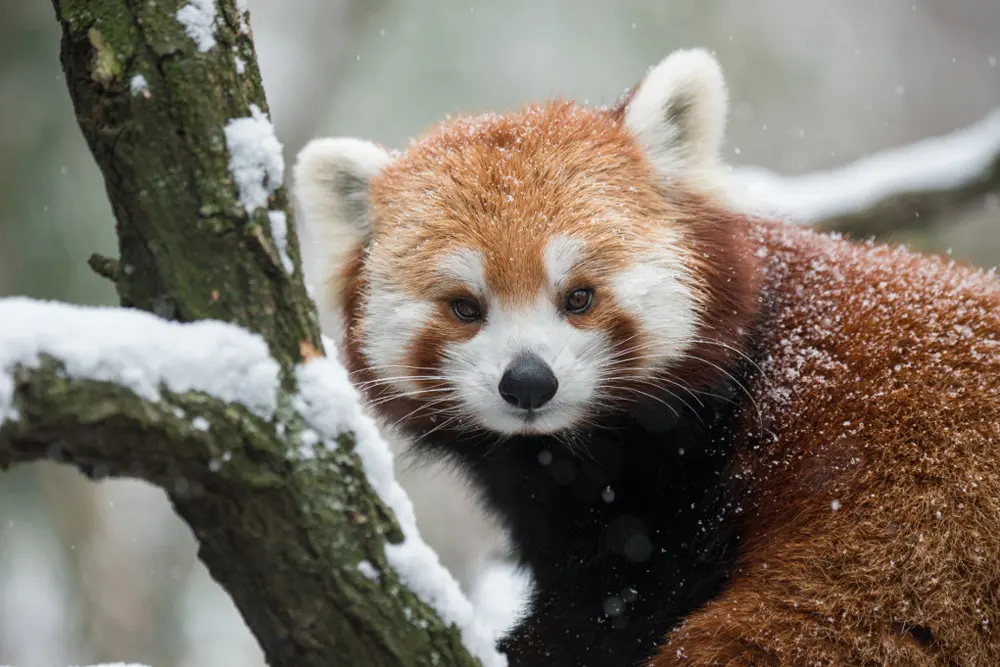
In the wild, red pandas face a much harsher reality than those living in managed environments. Their lifespan is primarily dictated by the availability of bamboo, which constitutes about 95 percent of their diet. Because bamboo is low in nutritional value, these animals must spend a significant portion of their day foraging, leaving them vulnerable to exhaustion and environmental stressors. They inhabit the high-altitude temperate forests of the Himalayas and other mountainous regions in China, Nepal, and India.
Predation and habitat fragmentation also significantly shorten their lives. Common predators such as snow leopards and martens pose a constant threat, especially to younger or less experienced pandas. Furthermore, the loss of nesting trees and bamboo thickets due to human activity forces them into smaller, less hospitable territories. Because of these combined factors, most wild red pandas do not reach the upper limits of their biological potential, with many failing to survive past their first decade.
Why do red pandas live longer in zoos?
Red pandas housed in accredited zoos and conservation centers benefit from a controlled environment that eliminates the primary threats found in the wild. Veterinary professionals provide preventative healthcare, including routine vaccinations and dental checkups, which allow for the early detection of illnesses that would be fatal in the wild. Additionally, these animals are provided with a balanced diet that ensures they receive necessary nutrients without the energy-intensive process of foraging in difficult terrain.
The absence of natural predators is perhaps the most significant factor in their increased longevity. By removing the threat of snow leopards and other carnivores, these animals can conserve energy and avoid injury. Furthermore, keepers monitor their health daily, adjusting their environment to ensure optimal temperature and humidity levels. This level of oversight allows many captive red pandas to live well into their mid-teens, with some reaching 20 years of age.
What factors influence the lifespan of a red panda?
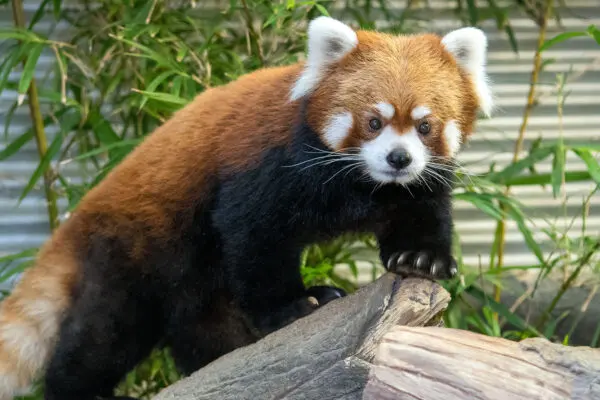
Several biological and environmental variables determine how long an individual red panda will live. Genetics play a foundational role, as some individuals are naturally more resilient to disease or environmental changes than others. Age at sexual maturity is another factor; females typically reach maturity around 18 months, and the physical toll of reproduction can impact their overall health and longevity if not managed properly.
Environmental stability is equally critical for their survival. Factors that influence their health include:
- Access to high-quality, fresh bamboo species like Arundinaria or Bashania.
- Protection from extreme temperature fluctuations, as they are sensitive to heat.
- Freedom from human-induced disturbances such as habitat encroachment or poaching.
- Availability of suitable nesting sites, such as hollow trees or rock crevices, which provide security.
- Exposure to pathogens, which can spread quickly in crowded or poorly maintained environments.
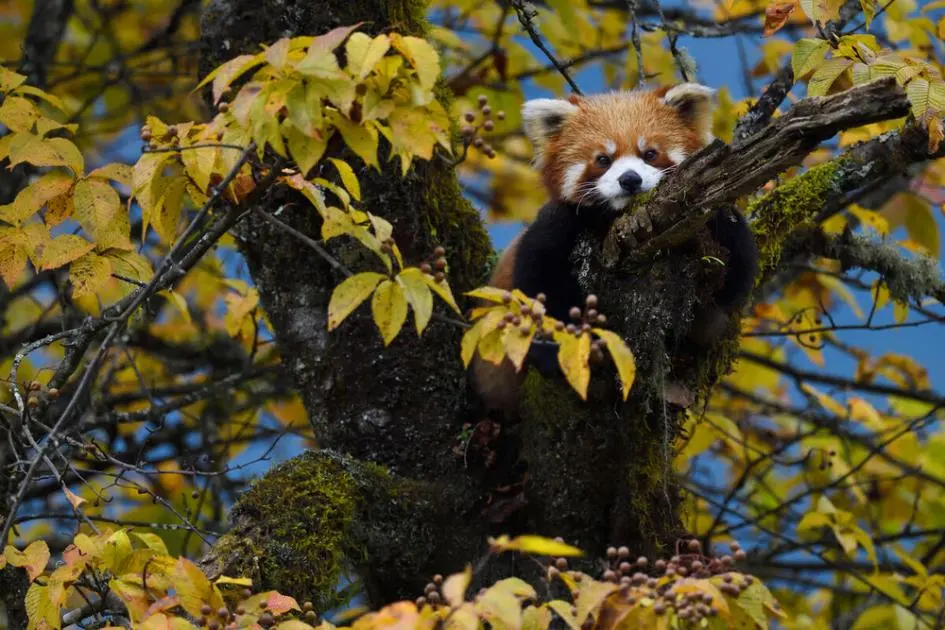
How can conservationists help increase their lifespan?
Conservation efforts are vital for protecting red pandas in their native ranges. Organizations focus on habitat restoration, which involves planting bamboo corridors to connect fragmented forests. By creating these passages, conservationists help red pandas find food and mates without having to cross dangerous open areas. This reduces the risk of accidents and exposure to predators, directly contributing to higher survival rates in the wild.
To support these efforts, conservationists follow specific strategies:
- Conduct population surveys to identify areas where the animals are most at risk.
- Implement community-based education programs to reduce the use of traps and snares.
- Establish protected reserves that strictly limit human activity and logging.
- Monitor health trends in wild populations to identify potential disease outbreaks early.
- Support local economies to reduce the reliance on forest resources that the pandas depend on for survival.
Common mistakes when observing red pandas
When visiting red pandas in zoos, it is important to understand how human behavior can impact their stress levels and overall well-being. A common mistake is banging on glass or shouting to get the animal’s attention. Red pandas are naturally shy and solitary; loud noises cause them significant stress, which can suppress their immune system and lead to long-term health issues. Always maintain a quiet, respectful distance to allow them to behave naturally.
Another frequent error is assuming that red pandas are similar to giant pandas or domestic pets. Many visitors try to feed them or encourage them to come closer, which is dangerous for both the human and the animal. Feeding them human food can cause severe digestive distress, as their systems are highly specialized for bamboo. By respecting their space and following the guidelines set by zookeepers, you help ensure that these animals remain healthy and can live out their full natural lifespan without unnecessary interference or health complications.
Key facts
- Red pandas typically live between 8 and 12 years in the wild.
- In human care, such as zoos, they can live up to 15 years or longer due to consistent food and medical access.
- Their lifespan is limited in nature by habitat loss, predation, and the difficulty of finding sufficient bamboo.
- Captive red pandas require specialized diets and regular veterinary checkups to reach their maximum potential lifespan.
- Avoid feeding captive red pandas human snacks, as their digestive systems are highly sensitive and specialized for bamboo.
- Maintaining a stress-free environment is the most important factor for maximizing longevity in a managed setting.
The bottom line
While red pandas live roughly a decade in their natural mountain habitats, they can survive significantly longer under professional human care. Their longevity is primarily determined by access to their specific bamboo diet and protection from environmental threats. Understanding these biological constraints is essential for conservation efforts, as protecting their forest homes remains the most effective way to ensure these unique animals thrive in the wild.
People also ask
Do red pandas live in groups?
Red pandas are solitary animals that generally only come together during the breeding season. They mark their territories with scent and prefer to spend most of their time alone in the canopy.
What is the primary cause of death for wild red pandas?
Habitat fragmentation and deforestation are the leading threats to their survival. These issues make it difficult for them to find enough bamboo and increase their exposure to predators and disease.
At what age do red pandas reach maturity
Red pandas typically reach sexual maturity at approximately 18 months of age. They usually begin breeding once they reach their second year of life.
Are red pandas considered an endangered species?
Yes, red pandas are classified as endangered by the IUCN. Their populations are declining due to poaching, habitat loss, and accidental trapping.
Do red pandas sleep a lot?
Red pandas are crepuscular, meaning they are most active during the dawn and dusk hours. They spend much of the day sleeping to conserve energy, as their bamboo-based diet is low in calories.
Can red pandas be kept as pets?
No, red pandas are wild animals with complex dietary and environmental needs that cannot be met in a home setting. Keeping them as pets is illegal in most jurisdictions and detrimental to their health.
This answer was created with the help of AI research tools and reference sources. Spotted an error? Let us know — we correct mistakes quickly. See our editorial policy.