Where do red pandas live?
Short answer
Red pandas live exclusively in the high-altitude, temperate forests of the eastern Himalayas and other mountainous regions of southwestern China, Nepal, Bhutan, and northern Myanmar. They inhabit cool, damp environments with dense bamboo understories at elevations ranging from 2,200 to 4,800 meters, typically remaining near reliable water sources throughout the year.
On this page
Where do red pandas live in the wild?
Red pandas inhabit a fragmented range that stretches across the mountainous regions of Asia. Their primary habitats are located in the temperate forests of the Himalayas, extending from Nepal through Bhutan and into the northeastern states of India. They are also found in the high-altitude regions of southwestern China, specifically within the provinces of Sichuan and Yunnan, and parts of northern Myanmar. These animals are highly specialized, requiring specific environmental conditions to survive.
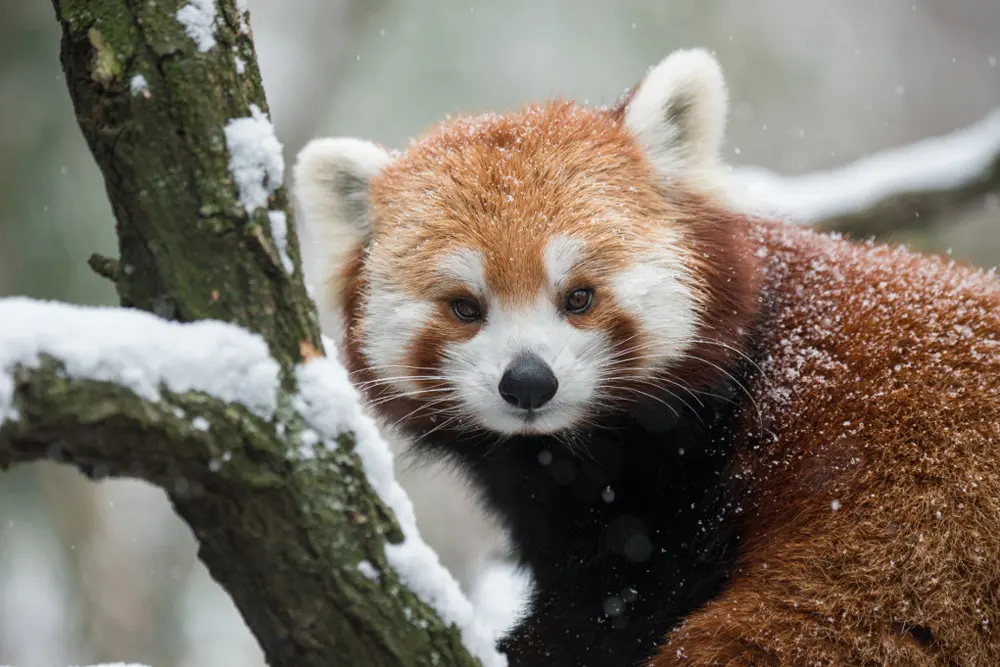
They thrive in areas characterized by cool, temperate climates and consistent rainfall. The presence of a dense bamboo understory is the most critical factor in their habitat selection, as bamboo constitutes the vast majority of their diet. They prefer old-growth coniferous forests that provide ample tree hollows for shelter and protection from predators. Because they are sensitive to heat, they rarely venture into lower elevations where temperatures exceed 25 degrees Celsius, preferring the misty, humid conditions of high-altitude mountain slopes.
How to identify red panda habitat
Identifying a potential red panda habitat requires looking for specific ecological indicators. Researchers and conservationists focus on the presence of mixed deciduous and coniferous forests that offer a canopy layer for cover and a thick, shrubby understory. The most reliable sign of a red panda's presence is the availability of their preferred bamboo species, such as Arundinaria or Bashania. These plants must be abundant enough to support the animal throughout the changing seasons.
If you are exploring these regions, look for these specific environmental markers:
- High-altitude zones between 2,200 and 4,800 meters above sea level.
- Steep, rocky terrain that provides natural drainage and protection.
- Proximity to permanent water sources like mountain streams or springs.
- Old-growth trees with moss-covered branches and deep hollows.
- Dense, undisturbed bamboo thickets that provide both food and concealment.
Why do red pandas live in high altitudes?
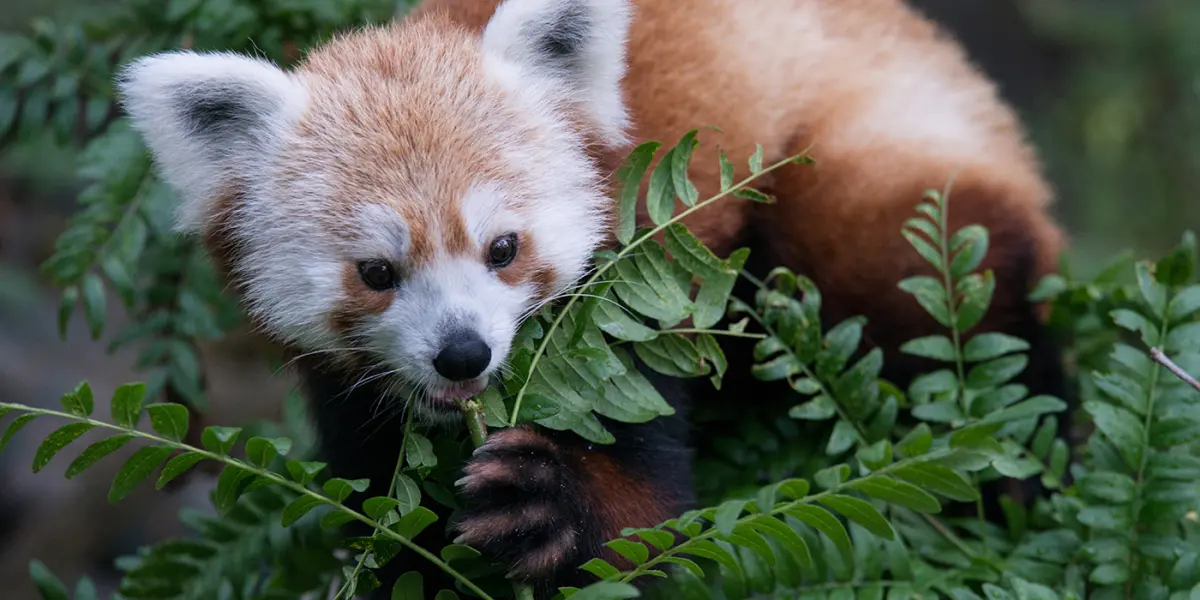
Red pandas have evolved unique physiological adaptations that make them perfectly suited for life in the thin, cold air of the mountains. Their dense, reddish-brown fur provides excellent insulation against the freezing temperatures common at high elevations. Furthermore, they possess a thick layer of fur on the soles of their paws, which acts as both a thermal barrier against snow and an effective grip for navigating slippery, mossy tree branches.
Their metabolic rate is relatively low, which is an energy-saving strategy for an animal that relies on a low-calorie diet of bamboo. By living in cooler regions, they avoid the metabolic stress associated with heat regulation. Additionally, the high-altitude forests provide a degree of isolation from larger predators and human encroachment, though this protection is increasingly compromised. The vertical stratification of these forests allows them to move between different levels of the canopy to regulate their body temperature and find optimal foraging patches.
Common mistakes when looking for red pandas
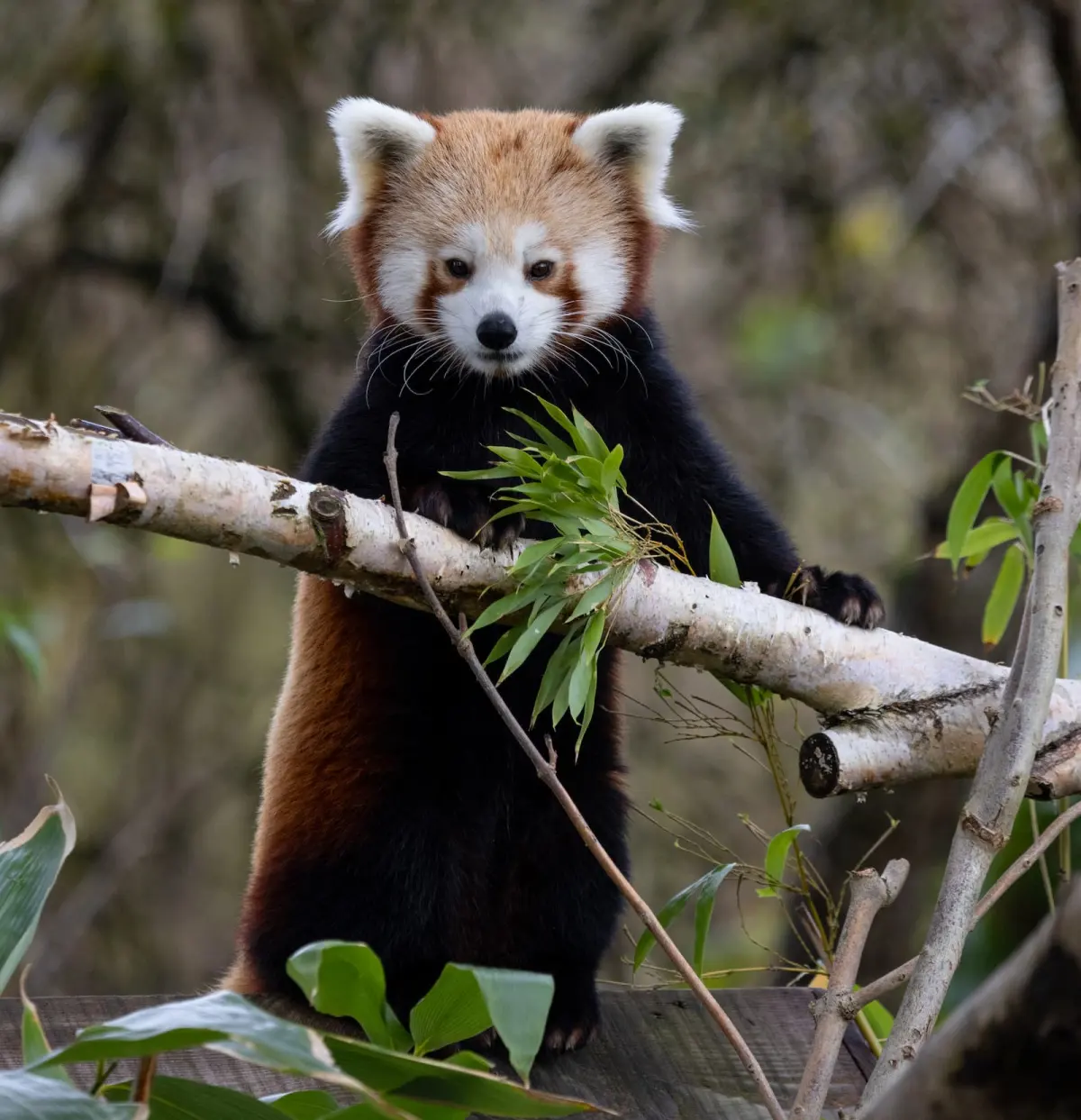
Many amateur naturalists make the mistake of searching for red pandas in the wrong types of forests. A common error is assuming that all bamboo forests are suitable habitats; however, red pandas are highly selective and will only occupy areas with specific species of bamboo that meet their nutritional requirements. Another frequent mistake is searching at the wrong time of day. Red pandas are crepuscular, meaning they are most active during the dawn and dusk hours.
To improve your chances of understanding their distribution, avoid these common pitfalls:
- Searching in tropical or lowland forests where the climate is too warm.
- Assuming they live in open grasslands; they require dense cover to feel secure.
- Ignoring the importance of tree hollows, which are essential for denning and raising young.
- Expecting to see them in highly disturbed areas where human activity and livestock grazing have depleted the bamboo understory.
- Searching during the middle of the day when the animals are typically sleeping in high branches.
How to support red panda conservation
Protecting the red panda requires a focus on habitat preservation rather than just individual animal care. Because their range is fragmented, the most effective conservation strategy involves creating biological corridors that connect isolated forest patches. This allows populations to interbreed and migrate as climate conditions shift. Supporting international organizations that work directly with local communities in Nepal, Bhutan, and China is the most practical way to ensure that these forests remain protected from deforestation and overgrazing.
If you wish to contribute to the survival of the species, follow these guidelines:
- Donate to reputable conservation groups that focus on habitat restoration and reforestation.
- Support sustainable tourism initiatives that provide local communities with economic alternatives to logging or poaching.
- Advocate for policies that limit the expansion of infrastructure, such as roads and power lines, through core forest habitats.
- Educate others about the threats of habitat loss and the importance of maintaining old-growth mountain ecosystems for biodiversity.
- Participate in citizen science projects that help monitor population numbers and track shifts in their range due to global environmental changes.
Key facts
- Red pandas inhabit high-altitude temperate forests with bamboo understories in the Himalayas and other high mountains.
- Their native range spans across parts of Nepal, India, Bhutan, northern Myanmar, and southwestern China.
- They primarily live at elevations between 2,200 and 4,800 meters (7,200 to 15,700 feet) to stay cool.
- These animals require a specific habitat featuring old-growth trees for nesting and dense bamboo thickets for food.
- A common mistake is assuming they live in tropical jungles; they are actually adapted to cold, mountainous climates.
- To protect their habitat, conservationists focus on preventing deforestation and maintaining corridors between fragmented forest patches.
The bottom line
Red pandas are specialized creatures that thrive exclusively in the cool, high-altitude temperate forests of the Himalayas and surrounding mountain ranges. Their survival depends on access to dense bamboo thickets and old-growth trees for protection. Because their habitat is increasingly fragmented by human activity, preserving these mountain ecosystems is essential to preventing the extinction of this unique species in its natural, rugged wild environment.
People also ask
Are red pandas related to giant pandas?
Despite their shared name and diet, red pandas are not closely related to giant pandas. They belong to their own unique taxonomic family, Ailuridae, while giant pandas are members of the bear family.
How much bamboo does a red panda eat daily?
A red panda consumes between 20 and 30 percent of its body weight in bamboo every day. Because bamboo is low in nutrients, they must eat large quantities to maintain their energy levels.
Why are red pandas considered an endangered species?
They are endangered primarily due to habitat loss, fragmentation, and poaching. As human populations expand into mountain forests, the red panda's limited living space continues to shrink.
Do red pandas live in groups or alone?
Red pandas are solitary animals that prefer to live alone except during the breeding season. They mark their territories using scent glands to communicate with other red pandas in the area.
Can red pandas survive in captivity?
Red pandas are kept in many zoos worldwide as part of managed breeding programs. These facilities provide climate-controlled environments that mimic their natural high-altitude homes to ensure their health.
What is the biggest threat to red pandas in the wild?
Habitat destruction caused by logging and agricultural expansion is the most significant threat. When forests are cleared, red pandas lose both their primary food source and the trees they use for shelter.
This answer was created with the help of AI research tools and reference sources. Spotted an error? Let us know — we correct mistakes quickly. See our editorial policy.