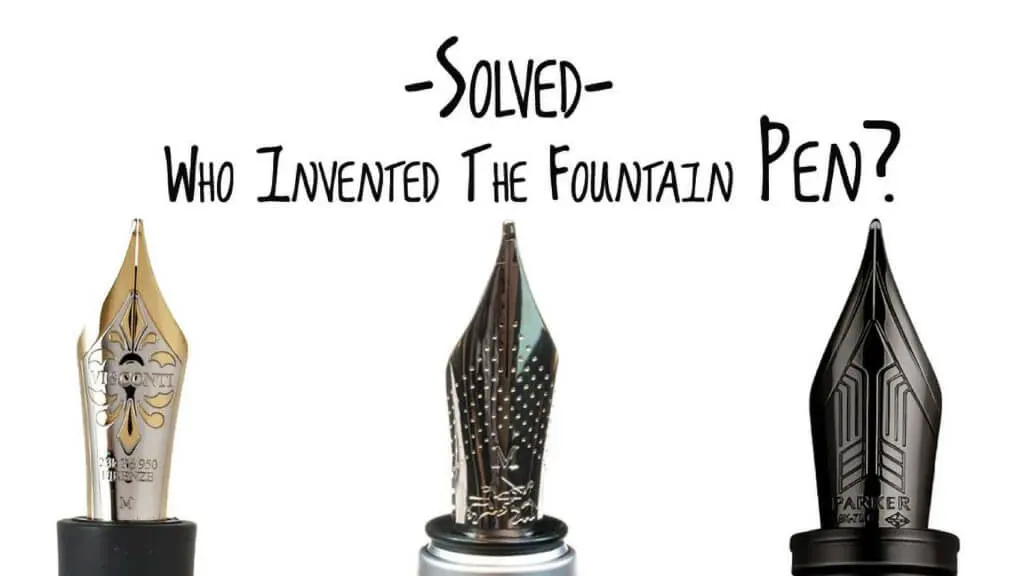
Who invented the fountain pen?
Short answer
The fountain pen was not invented by a single individual but evolved through centuries of incremental design. While early prototypes existed in the 10th century, Lewis Waterman is widely credited with the first truly reliable, practical fountain pen in 1884, introducing a functional feed system that prevented messy, uncontrolled ink flow.
On this page
Who actually invented the fountain pen?
The history of the fountain pen is a long timeline of experimentation rather than a single "eureka" moment. As early as 953, the Fatimid Caliph of Egypt, al-Mu'izz li-Din Allah, requested a pen that would not stain his clothes or hands. He was provided with a reservoir pen that held ink inside the barrel, though the specific mechanics of this device remain undocumented by modern engineering standards.
Throughout the 17th and 18th centuries, inventors like Daniel Schwenter and various French engineers attempted to improve upon the quill by creating internal ink storage. These early models often suffered from inconsistent pressure, causing the ink to either leak uncontrollably or fail to flow at all. It was not until the mid-19th century that the industrial revolution provided the necessary precision tools to mass-produce the internal components required for a stable, commercial writing instrument.
How did Lewis Waterman change the design?
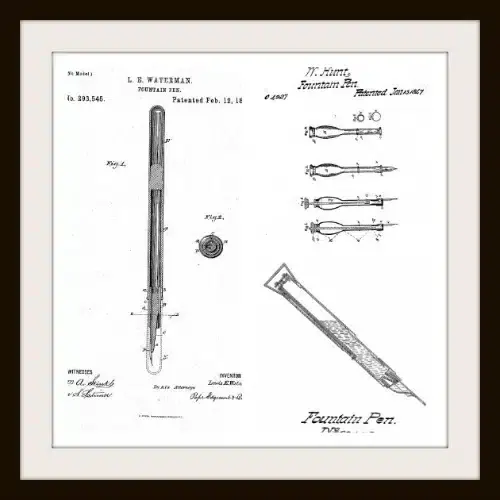
Lewis Edson Waterman, an insurance salesman, revolutionized the industry in 1884 when he patented a three-channel feed mechanism. Before his invention, fountain pens were notoriously unreliable, frequently leaking ink onto documents and clothing due to fluctuations in air pressure and temperature. Waterman realized that the primary failure point was the lack of a consistent way to regulate the flow of ink from the reservoir to the nib.
Waterman’s design utilized the principle of capillary action, allowing air to enter the reservoir as ink exited, which stabilized the flow. This breakthrough transformed the fountain pen from a novelty item into a dependable tool for professionals. His company, the Ideal Pen Company, set the standard for the modern fountain pen, proving that reliability was just as important as the aesthetic quality of the writing instrument itself.
How to choose a fountain pen for beginners
Selecting your first fountain pen requires balancing comfort, ink capacity, and maintenance requirements. Beginners should prioritize pens with reliable feeds and durable steel nibs, which are generally more forgiving than gold nibs. It is helpful to consider the weight and diameter of the barrel, as a pen that feels comfortable for ten minutes might cause hand fatigue during longer writing sessions.
When choosing your first model, keep these factors in mind:
- Nib size: Fine or extra-fine nibs are best for everyday note-taking on standard paper.
- Filling system: Cartridge-converter pens offer the convenience of pre-filled ink cartridges while allowing you to use bottled ink later.
- Material: Resin or plastic bodies are lightweight and durable, making them ideal for daily carry.
- Grip section: Ensure the grip area is ergonomically shaped to prevent slipping during use.
Common mistakes when using a fountain pen
Even with a high-quality pen, users often encounter issues due to improper handling or poor maintenance. The most frequent error is applying too much pressure while writing. Unlike a ballpoint pen, which requires force to rotate the internal sphere, a fountain pen nib should glide across the paper using only its own weight. Pressing down hard can permanently splay the tines of the nib, resulting in a scratchy writing experience or permanent damage.
Another major mistake is allowing ink to dry inside the pen. If you do not plan to use your pen for more than a week, it is best to flush it with water to prevent the ink from clogging the feed. Using the wrong type of ink, such as India ink or calligraphy ink, will also destroy a fountain pen. These inks contain shellac or pigments that dry into a solid, waterproof state, effectively sealing the internal channels of your pen.
How to maintain a fountain pen properly
Regular cleaning is the most effective way to ensure your pen lasts for decades. If you notice the ink flow becoming sluggish or the color fading, it is time for a thorough cleaning. Follow these steps to keep your instrument in top condition:
- Empty the converter or remove the cartridge, then flush the nib and feed with cool, clean water.
- Use a bulb syringe to force water through the nib unit until the output runs completely clear.
- Gently pat the nib dry with a lint-free cloth or paper towel.
- If the pen has not been used for a long time, soak the nib unit in a cup of distilled water for several hours to dissolve stubborn dried ink.
By following this simple routine once every few months, you prevent the buildup of sediment that causes flow issues. Always store your pens in a cool, dry place away from direct sunlight, which can cause the plastic components to warp or the ink to evaporate prematurely. With proper care, a well-made fountain pen can be a lifelong companion that improves with age.
Key facts
- The first patent for a fountain pen was granted to Romanian inventor Petrache Poenaru in 1827.
- Lewis Waterman revolutionized the industry in 1884 by patenting a reliable ink-feed system using capillary action.
- Early pens often leaked because they lacked a mechanism to regulate air pressure and ink flow simultaneously.
- To prevent leaks, always store fountain pens with the nib pointing upward when not in use.
- Use only ink specifically formulated for fountain pens to avoid clogging the delicate internal feed channels.
- Flush your pen with cool, distilled water every few months to remove dried ink residue and maintain smooth flow.
The bottom line
While Petrache Poenaru secured the first early patent, Lewis Waterman is widely credited with making the fountain pen a practical, reliable tool through his innovative feed design. Today, these instruments remain popular for their smooth writing experience and personal expression. By understanding basic maintenance and using quality ink, users can enjoy a timeless writing experience that far surpasses the performance of standard ballpoint pens.
People also ask
Why do fountain pens sometimes skip when writing?
Skipping usually occurs due to dried ink in the nib or oils from your skin on the paper. Clean the pen with water or try using a different paper stock that is less absorbent.
Can I use fountain pens on any type of paper?
Fountain pens perform best on high-quality, smooth paper that is resistant to feathering and bleed-through. Avoid cheap, thin copy paper, as the ink will spread and soak through the fibers.
How do I choose the right nib size?
Nib sizes range from extra-fine to broad, depending on your handwriting style and personal preference. Fine nibs are ideal for small, precise writing, while broad nibs showcase the shading qualities of specialty inks.
What is the difference between a cartridge and a converter?
Cartridges are pre-filled, disposable plastic tubes that offer convenience and portability. A converter is a reusable reservoir that allows you to fill the pen from a bottled ink supply.
Is it difficult to maintain a fountain pen?
Maintenance is simple if you flush the pen with water whenever you change ink colors or if the pen sits unused for weeks. Consistent care prevents clogs and ensures the internal mechanism functions correctly for years.
Why is my fountain pen leaking ink into the cap?
Leaks are often caused by temperature changes, physical shocks, or carrying the pen nib-down. Keep the pen in a stable position and avoid exposing it to extreme heat, which expands the air inside.
This answer was created with the help of AI research tools and reference sources. Spotted an error? Let us know — we correct mistakes quickly. See our editorial policy.