What is the difference between a fineliner and a brush pen?
Short answer
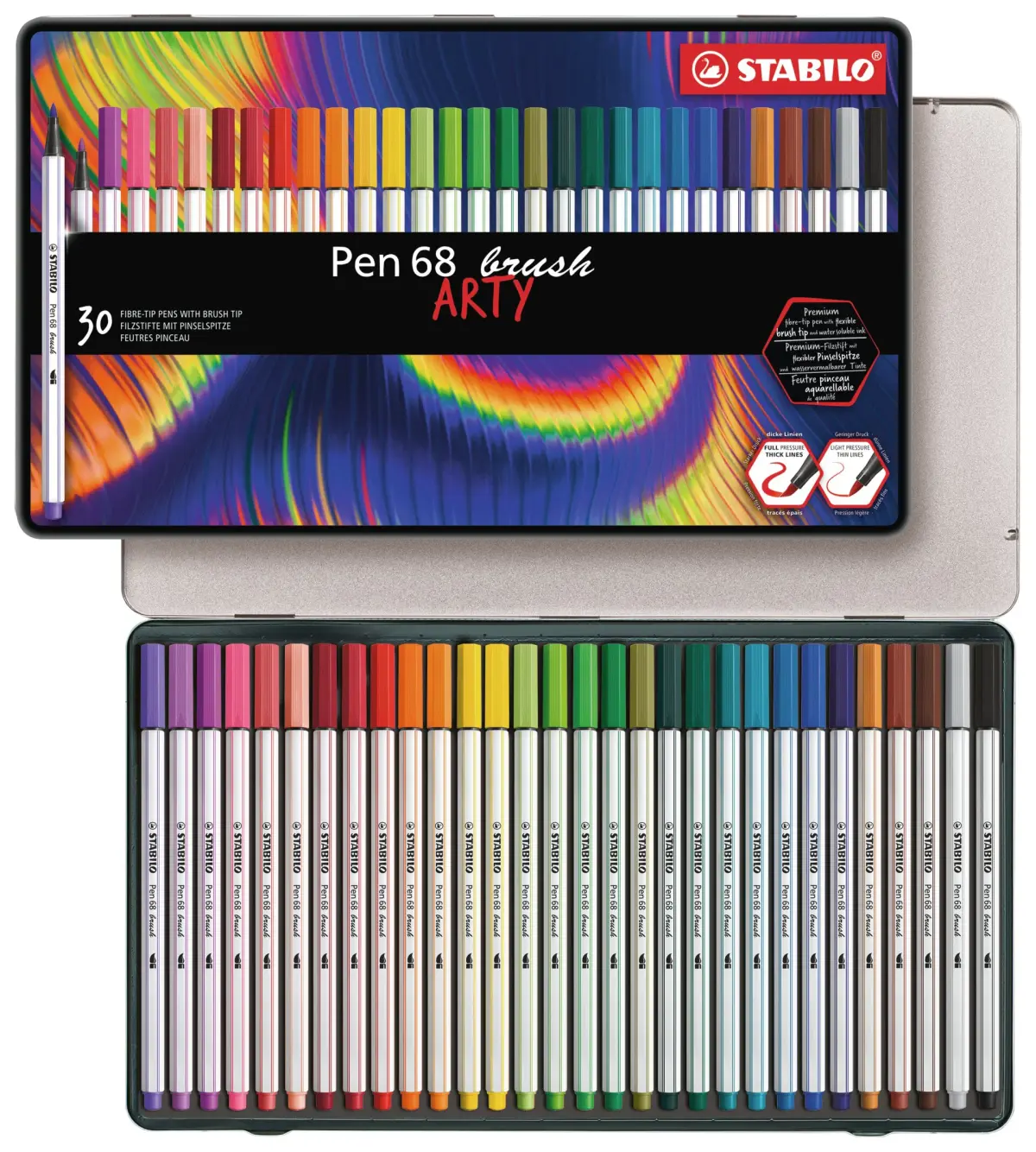
Fineliners feature rigid, needle-like felt or plastic tips designed for consistent, precise line widths, making them ideal for technical drawing and detailed writing. Conversely, brush pens utilize flexible, tapered bristles or felt tips that vary line thickness based on applied pressure, allowing for expressive calligraphy, bold illustrations, and dynamic artistic shading.
On this page
What are the main differences between fineliners and brush pens?
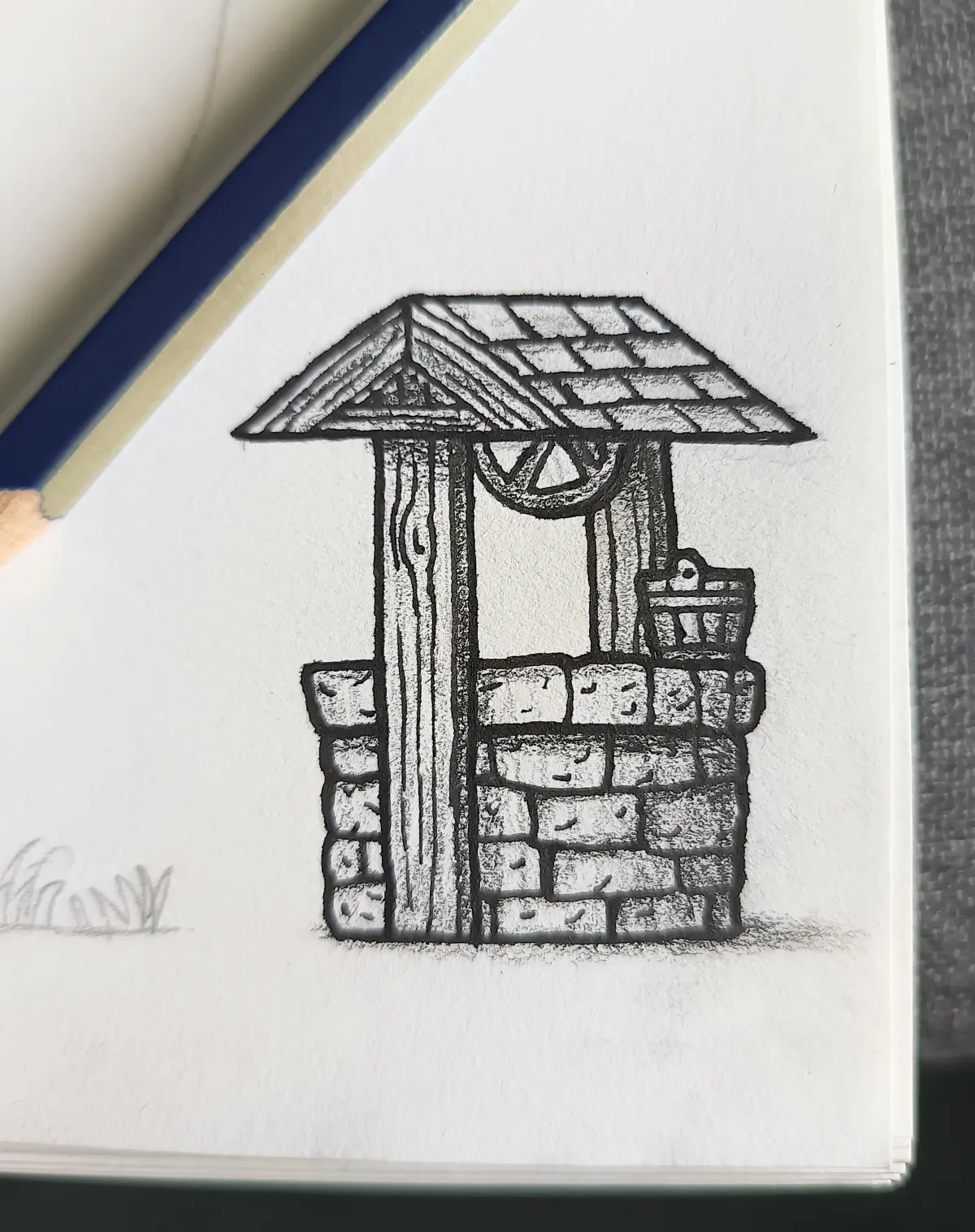
The fundamental distinction lies in the construction and functionality of the nib. Fineliners are engineered for uniformity; they contain a fixed-width tip, often encased in a metal collar to prevent bending. This design ensures that whether you press lightly or firmly, the line remains constant, which is essential for architectural drafting or intricate journaling.
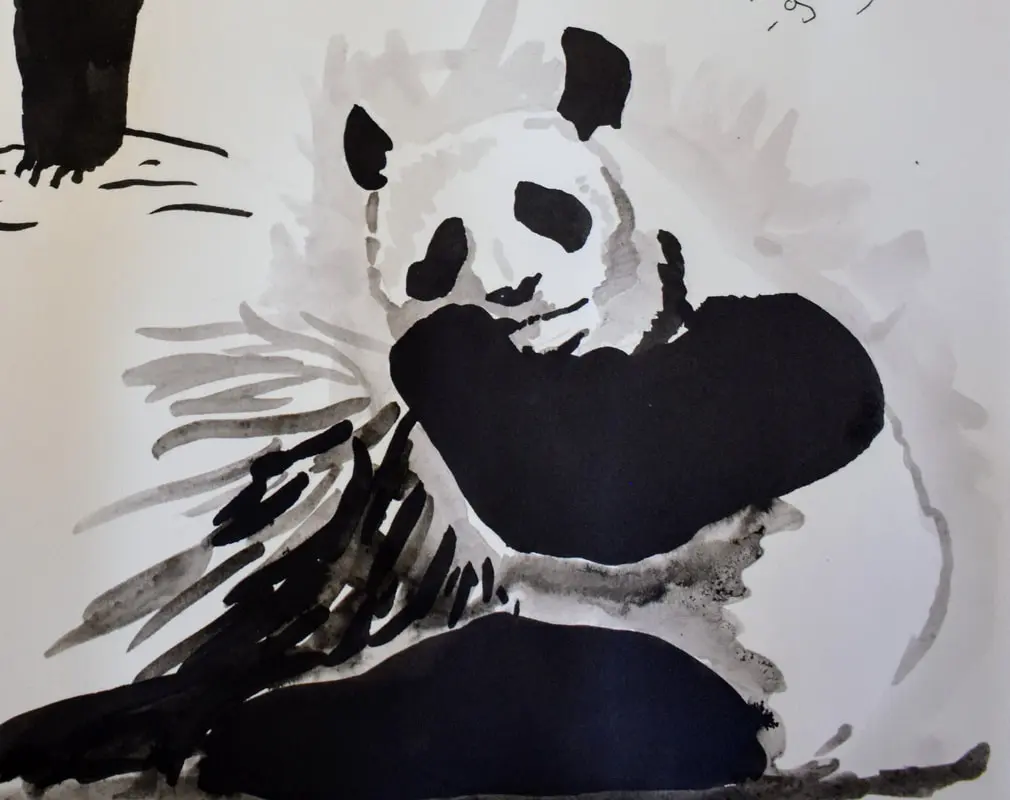
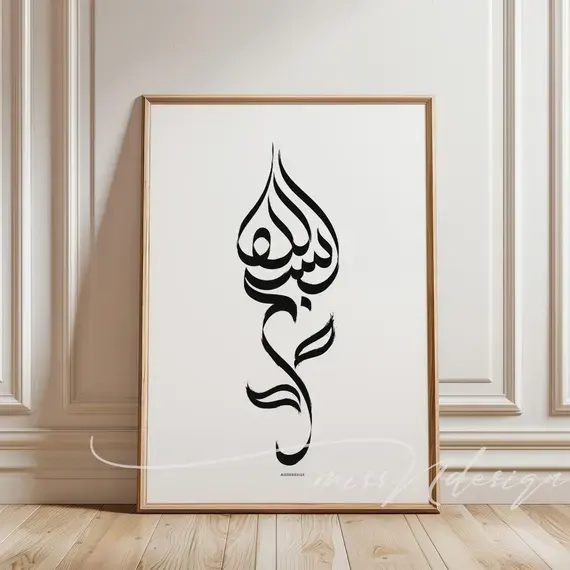
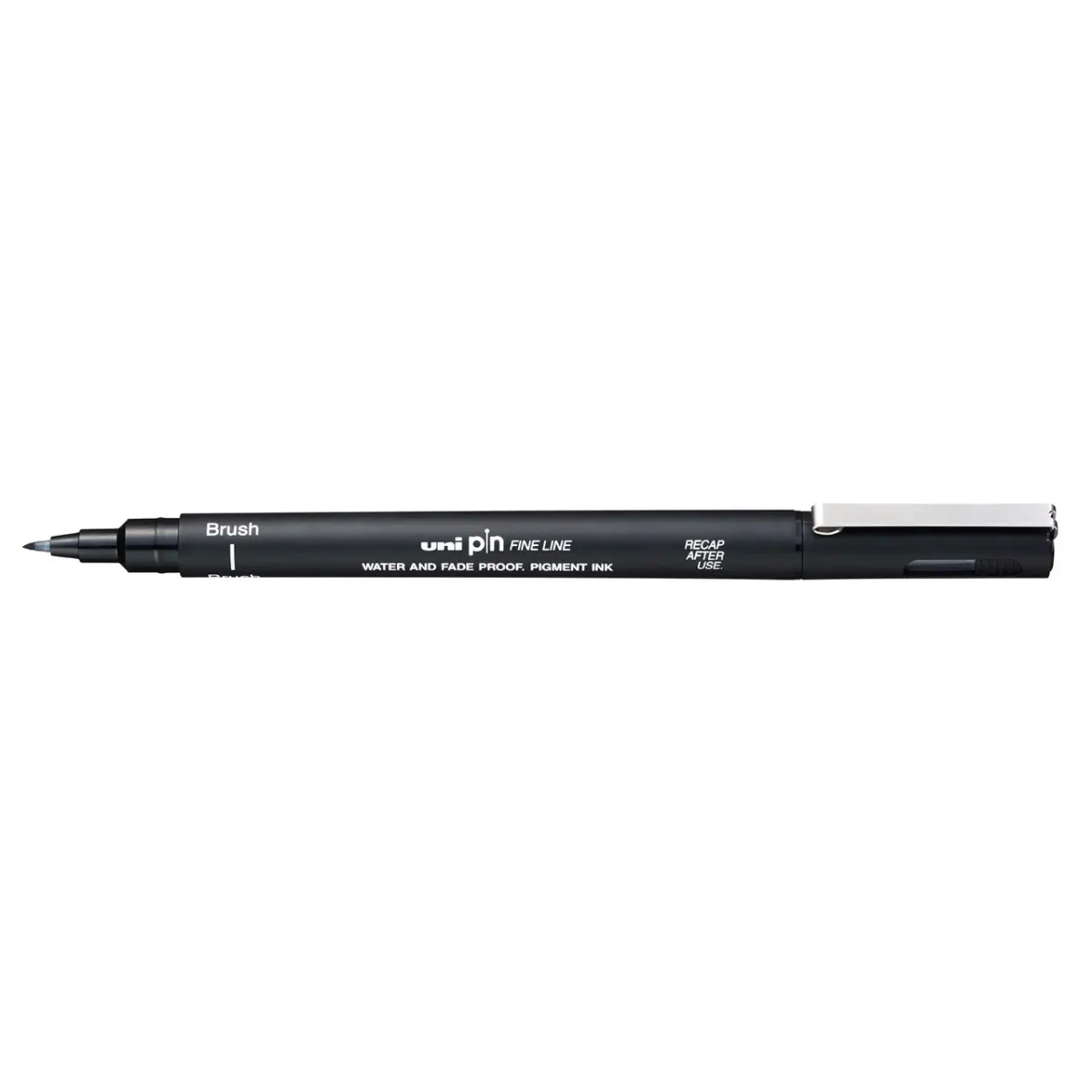
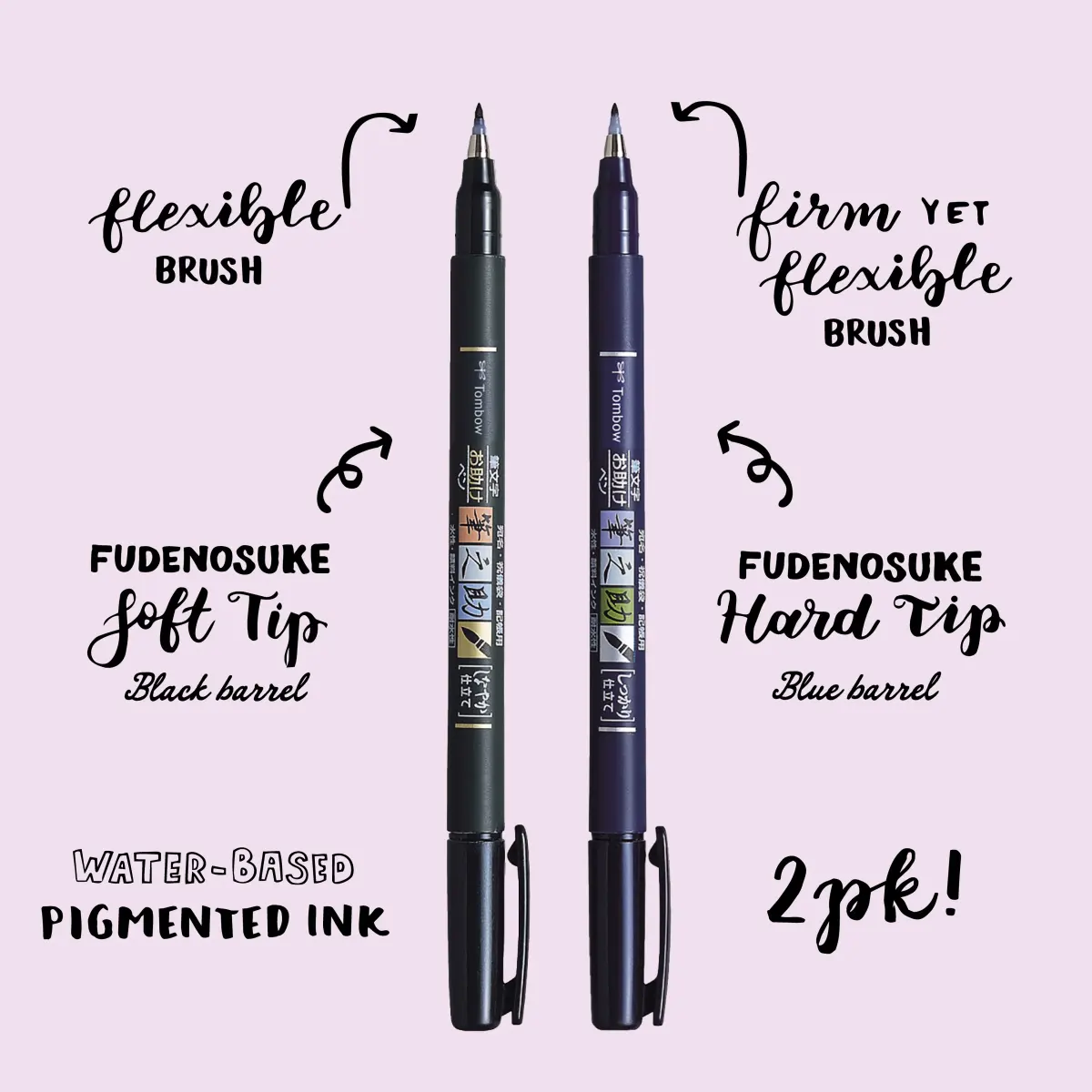
Brush pens, by contrast, mimic the behavior of traditional hair brushes. The nib is typically made of flexible synthetic fibers or a soft, tapered foam. Because the tip is pliable, the width of the stroke is entirely dependent on the pressure exerted by the user. A light touch produces a hairline, while increased pressure causes the nib to splay, creating a thick, bold stroke. This versatility makes brush pens the primary tool for modern lettering and expressive art.
How to choose the right tool for your project
Selecting the appropriate pen depends on the level of precision and stylistic flair required for your work. If your goal is to create clean, legible notes or technical diagrams, a fineliner is the superior choice. If you are interested in hand-lettering, manga illustration, or watercolor-style painting, a brush pen will provide the necessary artistic range.
Consider these factors when making your selection:
- Tip durability: Fineliners can be damaged if pressed too hard against rough paper.
- Ink flow: Brush pens often use more ink, requiring heavier paper to prevent bleeding.
- Control: Fineliners offer high control for beginners, while brush pens require practice to master pressure sensitivity.
- Versatility: Brush pens can cover large areas quickly, whereas fineliners are better suited for cross-hatching and fine detail work.
How to use a brush pen for calligraphy
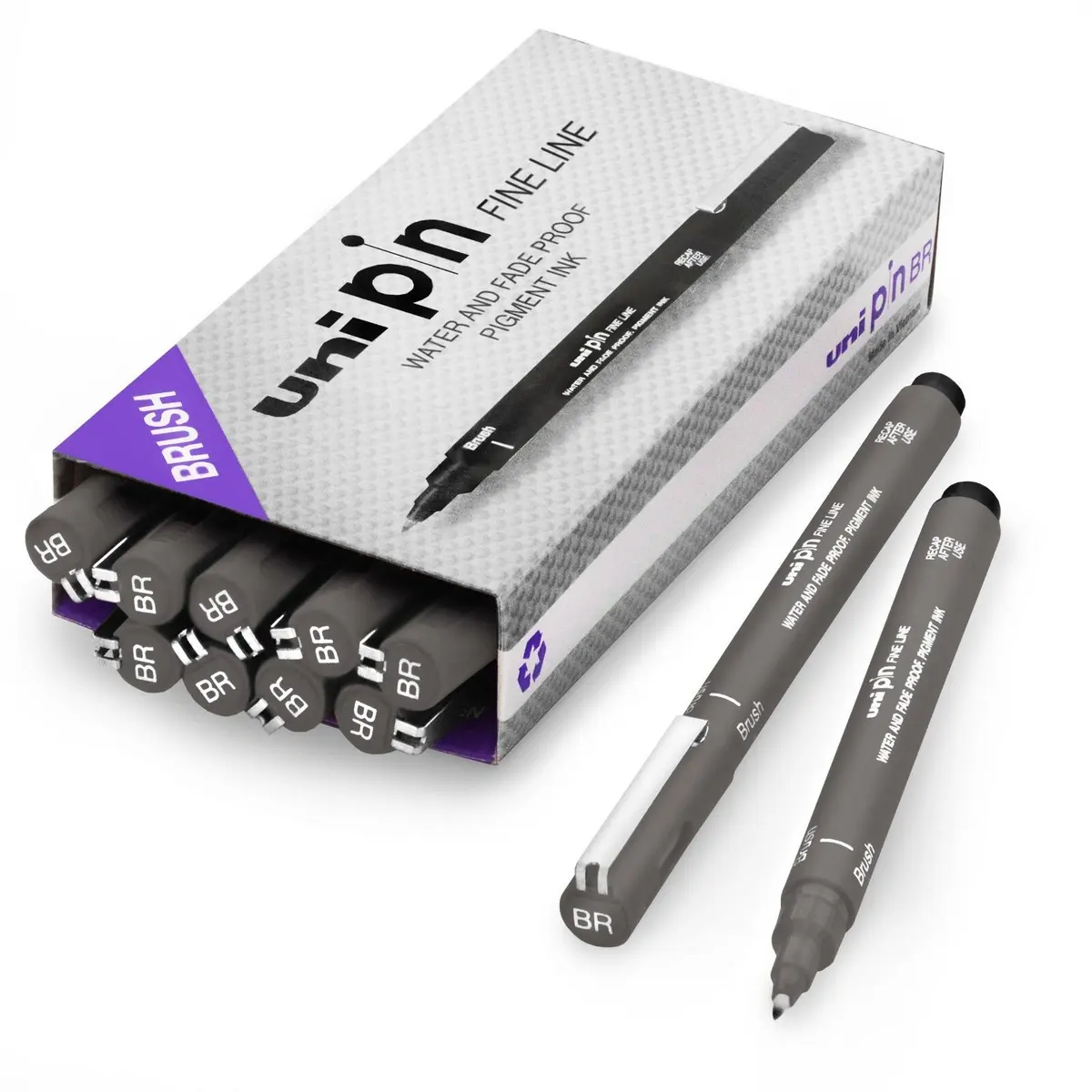
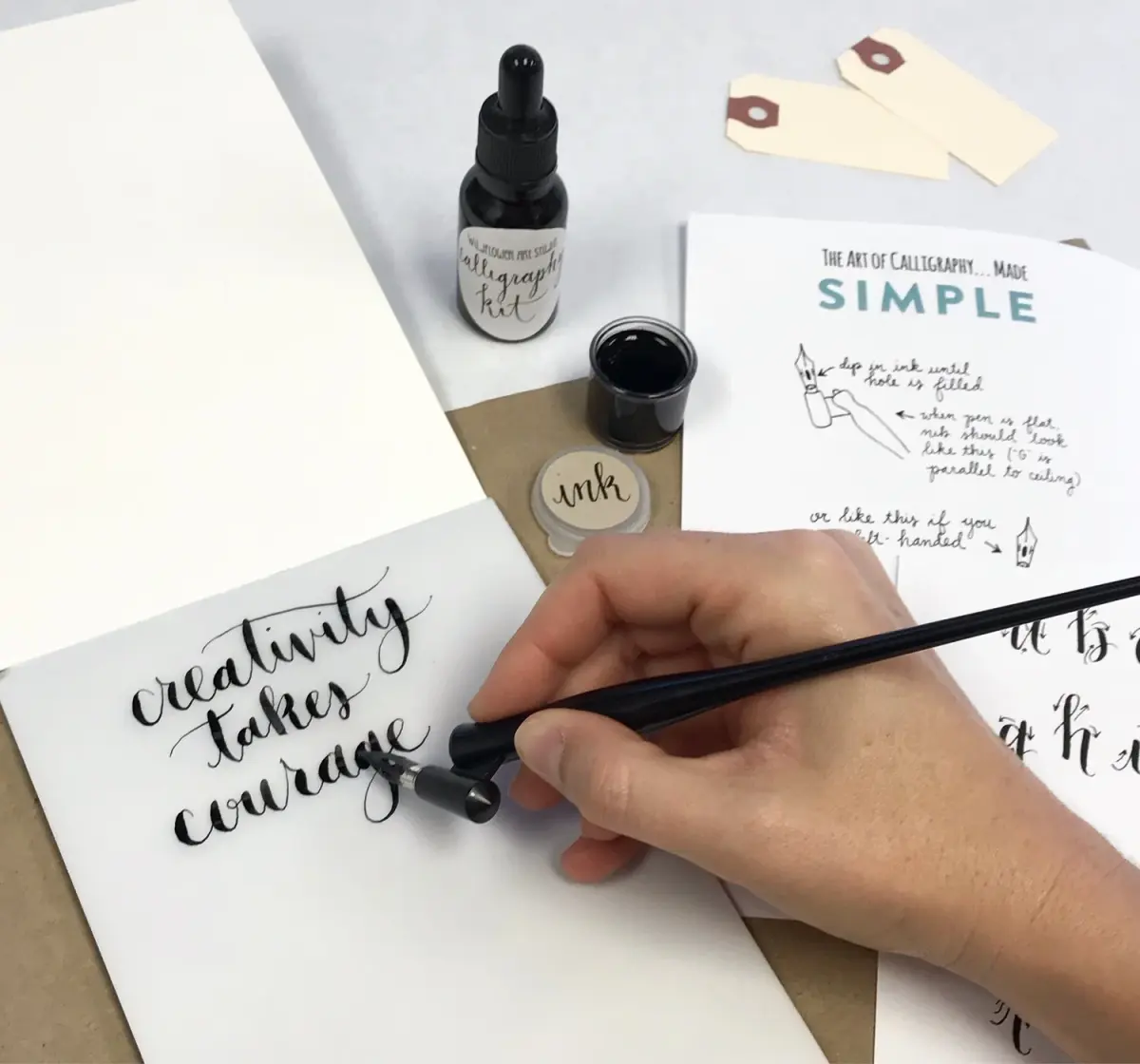
Mastering the brush pen requires a focus on muscle memory and pressure control. Unlike a standard ballpoint pen, the brush pen responds to the physical angle and force applied to the page. Beginners often struggle with shaky lines, but this can be mitigated by maintaining a consistent grip and focusing on the rhythm of the stroke rather than the speed.
Follow these steps to practice basic brush strokes:
- Hold the pen at a 45-degree angle to the paper to allow the side of the nib to make contact.
- Apply light pressure while moving upward to create a thin, elegant upstroke.
- Apply firm, steady pressure while moving downward to create a thick, bold downstroke.
- Lift the pen gradually at the end of each stroke to create a clean, tapered finish.
Common mistakes when using fineliners
Because fineliners have delicate, needle-like tips, they are susceptible to damage if handled improperly. A frequent error is using a fineliner on textured or coarse paper, which can fray the tip or cause the ink to skip. Always use smooth, high-quality stationery to ensure the ink flows evenly and the nib remains sharp for as long as possible.
Another common mistake involves applying excessive pressure. Because the tip is rigid, pushing down hard does not create a thicker line; instead, it risks bending the metal casing or crushing the plastic tip. If you find yourself needing thicker lines, do not press harder; simply switch to a fineliner with a larger point size, such as a 0.8mm or 1.0mm tip, rather than forcing a 0.1mm pen to perform tasks beyond its design specifications.
Best practices for maintaining your pens
Proper maintenance significantly extends the lifespan of both fineliners and brush pens. The most critical rule is to replace the cap immediately after use. Because these pens rely on water-based or pigment-based inks, the tips can dry out rapidly when exposed to air. Storing pens horizontally is also recommended, as this keeps the ink evenly distributed within the reservoir, preventing the nib from drying out or becoming over-saturated.
When cleaning or storing your tools, keep these tips in mind:
- Avoid leaving pens in direct sunlight or extreme temperatures, which can alter ink viscosity.
- Use a dedicated pen case to prevent the nibs from being crushed or bent during transport.
- If a brush pen tip becomes slightly dry, a quick dip in a tiny amount of water can sometimes restore flow.
- Never share your fineliners with others who might press too hard, as the tip will permanently deform to their specific writing style.
Key facts
- Fineliners feature a rigid, needle-like tip made of plastic or metal that produces a consistent, uniform line width regardless of pressure.
- Brush pens utilize a flexible, tapered tip—either synthetic bristles or a felt sponge—that reacts to pressure to create varying line thicknesses.
- Fineliners are ideal for technical drawing, architectural drafting, and detailed journaling where precision and control are paramount.
- Brush pens are primarily used for calligraphy, expressive lettering, and illustration, as they mimic the fluid strokes of a traditional paintbrush.
- To maintain a fineliner, always cap it immediately after use to prevent the ink from drying out in the narrow internal channel.
- When using brush pens, avoid pressing too hard against textured paper, as this can fray the tip and permanently ruin the pen's flexibility.
The bottom line
The fundamental difference between these tools lies in their tips and intended use. Fineliners offer rigid precision, making them perfect for technical work and fine details. In contrast, brush pens provide a flexible, pressure-sensitive tip designed for expressive lettering and artistic strokes. Choosing the right tool depends on whether your project requires consistent, uniform lines or the fluid, dynamic variation characteristic of traditional calligraphy and illustration.
People also ask
Can I use a fineliner for calligraphy?
You can use a fineliner for faux calligraphy, which involves drawing the outlines of letters and filling them in to mimic thick and thin strokes. However, because the tip is rigid, it cannot create natural line variation through pressure alone.
Are brush pens waterproof?
Many professional-grade brush pens use pigment-based, waterproof ink, but others use water-based dye inks that will bleed if they get wet. Always check the label for "archival" or "waterproof" ratings if you plan to use watercolors over your ink work.
What is the best paper for brush pens?
Smooth, non-porous paper is essential for brush pens to prevent the fibers from catching on the paper surface. Rough paper, such as cold-press watercolor paper, will fray the tip of your pen very quickly.
How do I store my pens?
Store fineliners horizontally to keep the ink evenly distributed across the tip. Brush pens should also be stored horizontally to prevent the ink from pooling at the tip or drying out at the base.
Do fineliners come in different sizes?
Yes, fineliners are typically sold in numbered sizes ranging from 0.03mm to 1.0mm. These numbers correspond to the exact width of the line the pen will produce on the page.
Can beginners learn brush lettering easily?
Brush lettering requires muscle memory and control over pressure, which takes practice to master. Beginners should start with small, firm-tipped brush pens before moving on to larger, more flexible felt or bristle brushes.
This answer was created with the help of AI research tools and reference sources. Spotted an error? Let us know — we correct mistakes quickly. See our editorial policy.
![Brush Calligraphy Letters [A-to-Z Analysis + Free Printables]](/img/f6/what-is-brush-lettering-1.webp)