How do you draw with a ballpoint pen?
Short answer
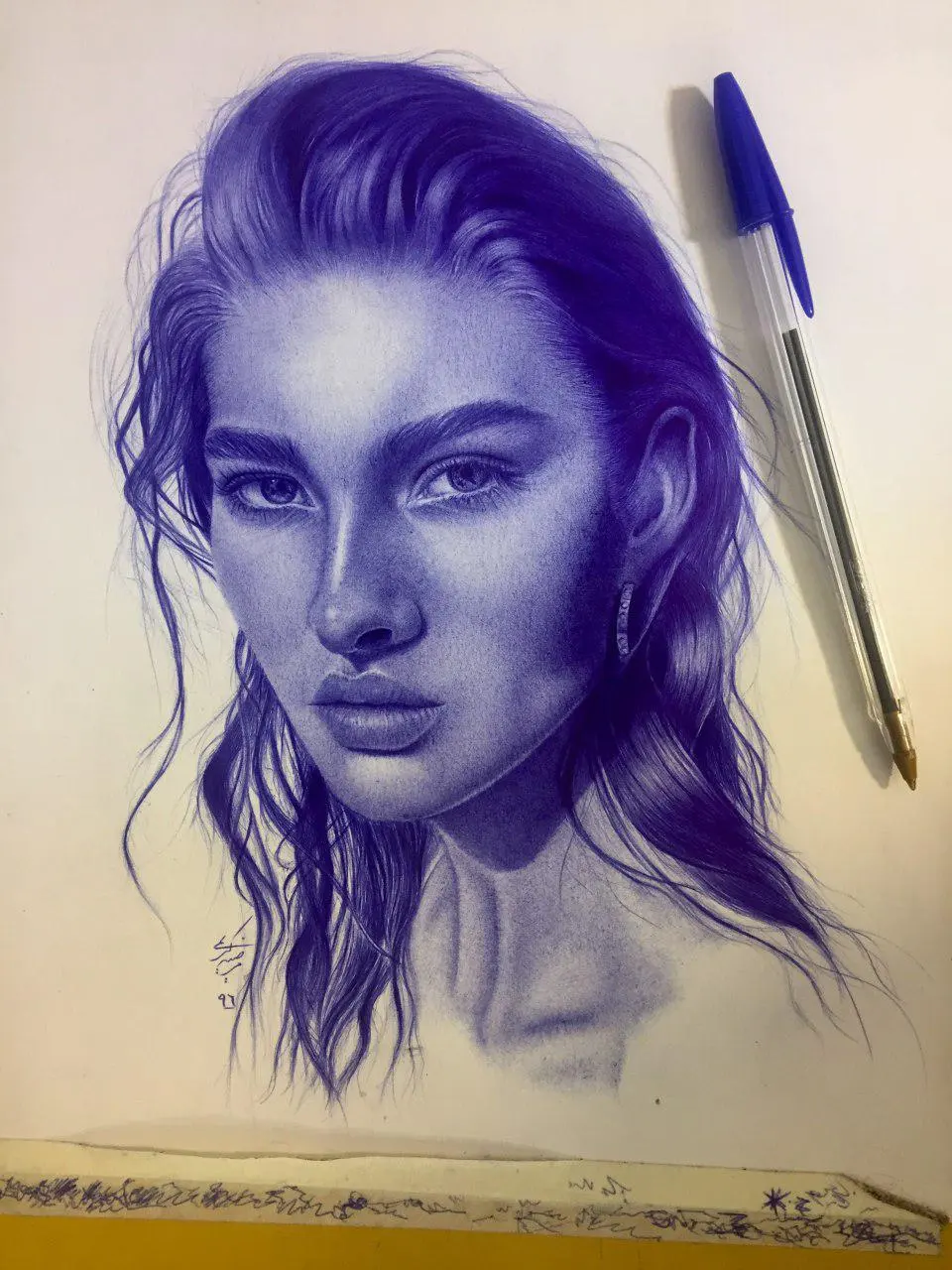
Drawing with a ballpoint pen requires varying pressure to create depth and tone. Unlike pencils, ink is permanent, so artists build values through layering, cross-hatching, and stippling. By controlling the ink flow and using light, controlled strokes, you can achieve remarkable realism and intricate detail in your sketches and portraits.
On this page
How to start drawing with a ballpoint pen
To begin, select a standard, reliable ballpoint pen, such as a classic BIC Cristal. These pens use oil-based ink that dries quickly and allows for smooth, consistent lines. Start by practicing your grip; holding the pen further back from the tip provides a lighter touch, which is essential for initial sketches. You should always keep a piece of scrap paper nearby to test the pen’s flow, as ink can occasionally collect around the ball tip and create unsightly blobs.
When you are ready to draw, follow these foundational steps:
- Sketch your subject lightly using very faint, ghost-like lines to establish proportions.
- Gradually build your values by applying more pressure or adding more layers of ink.
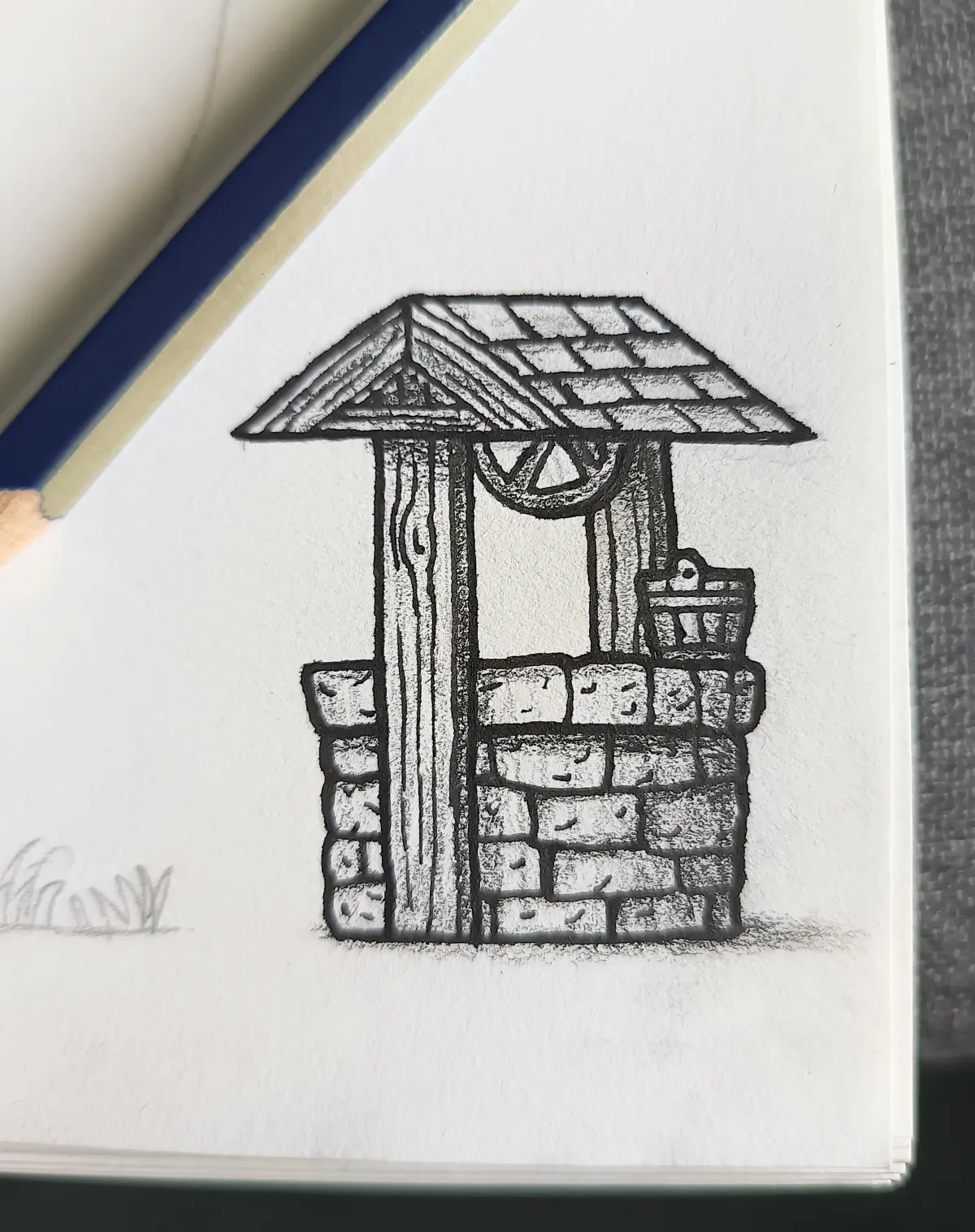
- Use cross-hatching techniques to create shadows, ensuring your strokes follow the contours of the object.
- Keep your hand clean by placing a piece of paper under your palm to prevent smearing the wet ink.
Best pens for beginners
While many artists prefer professional-grade pens, beginners should start with inexpensive, widely available options. The viscosity of the ink in standard ballpoints is ideal for layering, as it does not bleed through most paper types. Avoid gel pens or fountain pens initially, as they release too much ink and make shading difficult to control. Look for pens with a 1.0mm tip for bold lines or a 0.7mm tip for finer, more precise detail work.
Consistency is key when choosing your tools. Once you find a brand that you are comfortable with, stick to it for a while to learn how it reacts to your pressure. Some artists prefer to use a variety of brands to achieve different line weights, but mastering the limitations of a single, basic pen will teach you more about value and texture than switching tools constantly.
How to shade with a ballpoint pen
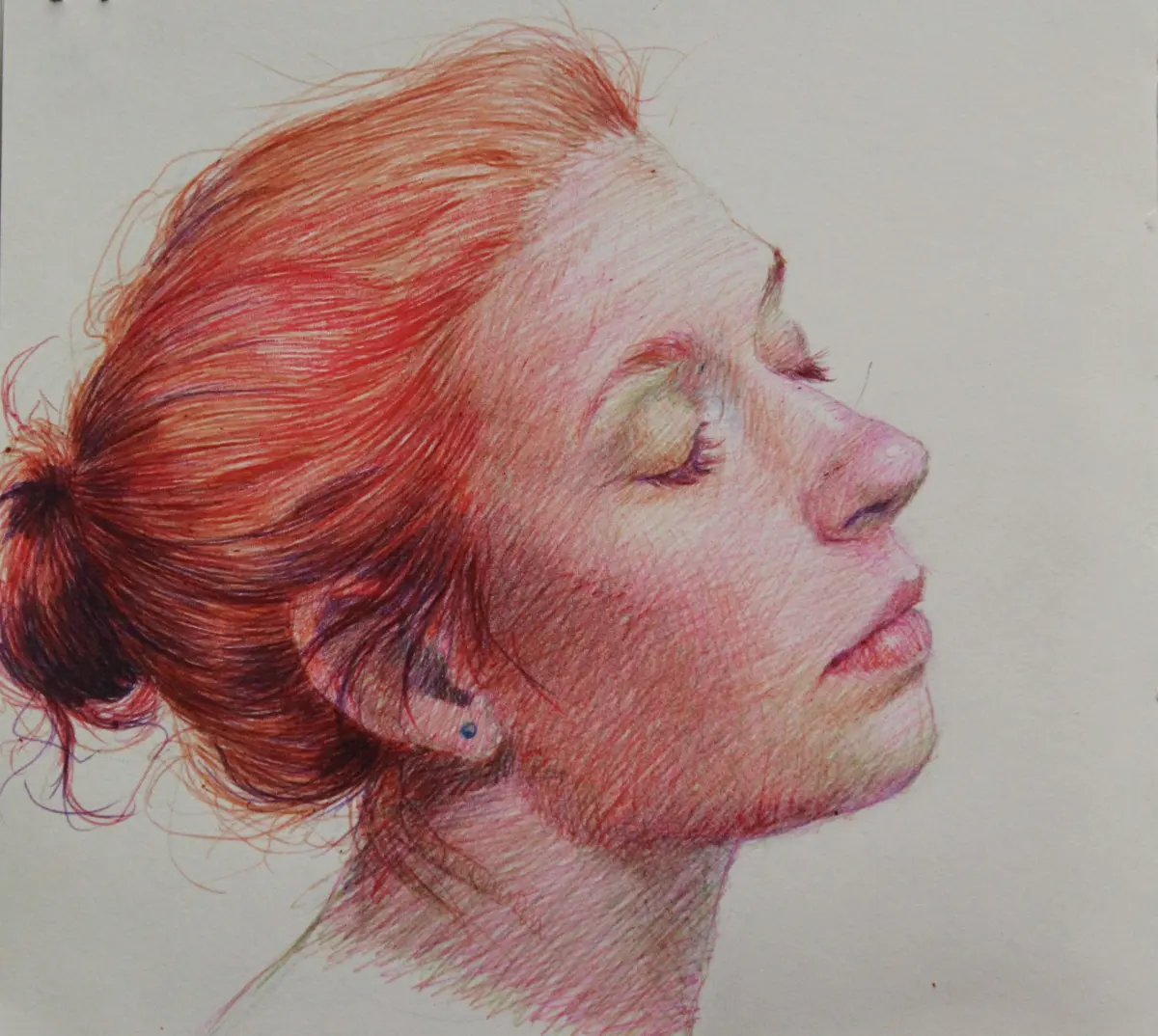
Shading is the most critical skill for creating depth in ballpoint art. Because you cannot erase, you must work from light to dark, gradually darkening areas by increasing the density of your marks. Use techniques like stippling, which involves creating small dots to build tone, or hatching, which uses parallel lines to define shadows. The closer your lines or dots are, the darker the area will appear on the page.
To achieve smooth gradients, try these professional techniques:
- Cross-hatching: Layer lines in different directions to create complex, dark shadows.
- Scumbling: Use small, circular, overlapping scribbles to create soft textures, such as skin or fabric.
- Pressure control: Vary the weight of your hand to create subtle shifts in tone without changing your stroke density.
- Layering: Build up multiple light passes over the same area to darken it slowly rather than pressing hard all at once.
Common mistakes when drawing with pens
The most frequent mistake beginners make is pressing too hard, which leaves deep indentations in the paper and makes the ink look uneven. Another common issue is the "ink blob," which happens when excess ink accumulates on the tip. If you notice a buildup, wipe the tip on a scrap paper immediately. Never try to pick the ink off with your fingers, as this will likely smudge your artwork and ruin the composition.
Another error involves failing to plan the light source. In pencil drawing, you can easily lift highlights with an eraser, but in ballpoint art, you must preserve the white of the paper. Always identify your light source before you begin shading. If you make a mistake, do not panic; incorporate the error into your shading or use it as a darker shadow area. Learning to work around mistakes is a hallmark of an experienced pen artist.
How to maintain your pen for better flow
Ballpoint pens can occasionally skip if the ball becomes clogged with paper fibers or dried ink. To keep your pen performing at its best, store your pens horizontally or with the tip facing downward to ensure the ink remains near the ball. If the pen starts to skip, draw a few quick, aggressive scribbles on a scrap piece of paper to clear the obstruction. This simple action often restores the flow immediately.
If you are working on a long-term project, keep a few identical pens on hand. As a pen runs low on ink, the line quality may change slightly, becoming lighter or scratchier. By rotating your pens, you can ensure the ink flow remains consistent throughout the entire piece. Finally, always cap your pens when not in use to prevent the ink from drying out prematurely. Proper maintenance ensures that your tools remain reliable, allowing you to focus entirely on your creative process and the development of your artistic style.
Key facts
- Ballpoint pens use a viscous, oil-based ink that dries almost instantly, preventing smudges during rapid sketching.
- The ball mechanism at the tip relies on gravity and friction, meaning the pen must be held at an angle rather than perfectly vertical.
- Pressure control is essential; pressing harder deposits more ink, while a light touch creates subtle, ethereal gray tones.
- Cross-hatching is the most effective technique for building value, as ballpoint ink does not blend like graphite or charcoal.
- Keeping a scrap piece of paper nearby is necessary to clear ink blobs that accumulate on the ball tip during long sessions.
- Unlike pencils, ballpoint ink is permanent and cannot be erased, requiring artists to embrace mistakes as part of the final composition.
The bottom line
Drawing with a ballpoint pen is a technique defined by precision, patience, and permanent mark-making. By mastering pressure control and cross-hatching, you can create intricate, high-contrast illustrations that rival traditional graphite drawings. Because the medium is unforgiving, it encourages a deliberate approach to composition. Embrace the unique limitations of the tool, keep your tip clean, and enjoy the distinct, bold aesthetic of ballpoint art.
People also ask
Can you blend ballpoint pen ink?
Ballpoint ink is not water-soluble and dries quickly, so it cannot be blended with a stump or finger. You must create gradients by layering marks closer together or using varying degrees of pressure.
What type of paper works best for ballpoint drawing?
Smooth, high-quality paper with a low tooth is ideal because it allows the ball to glide without snagging. Avoid textured watercolor paper, as the fibers can clog the pen's tiny ball mechanism.
How do you prevent ink blobs from ruining a drawing?
Blobs occur when excess ink pools around the ball. Regularly wipe the tip of the pen on a separate piece of paper to remove these accumulations before they transfer to your artwork.
Should I use expensive pens for drawing?
Standard office pens like the Bic Cristal are often preferred by professionals because their ink flow is consistent and predictable. Expensive pens are often designed for calligraphy or fountain ink, which may behave differently.
How do I fix a mistake in a ballpoint drawing?
Since the ink is permanent, you cannot erase it. Many artists incorporate mistakes into the design by darkening the area or using white gouache or a white gel pen to cover the error.
Why does my pen stop writing while I am drawing?
This usually happens because the ink has dried on the ball or the internal reservoir has an air bubble. Scribbling in tight circles on a scrap paper usually restarts the flow by warming the ink.
This answer was created with the help of AI research tools and reference sources. Spotted an error? Let us know — we correct mistakes quickly. See our editorial policy.