What are the best fineliners for beginners?
Short answer
The best fineliners for beginners are the Sakura Pigma Micron, Staedtler Pigment Liner, and Uni Pin Fineliner. These pens offer reliable, archival-quality ink that resists fading and water. They are ideal for sketching, technical drawing, and journaling because they provide consistent line widths, quick-drying performance, and exceptional control for novice artists.
On this page
Which fineliners are best for beginners?
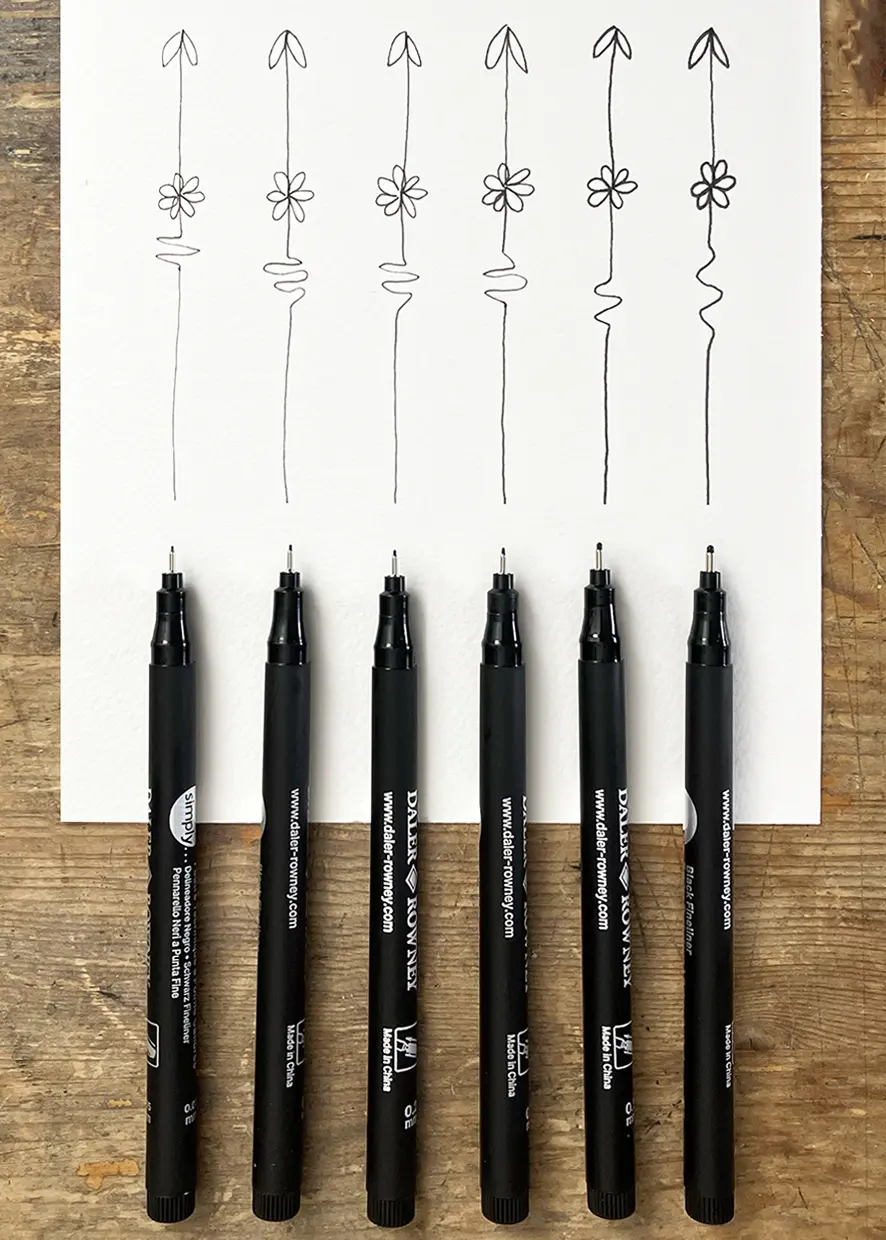
For those starting their artistic journey, the Sakura Pigma Micron is the gold standard. These pens use pigment-based ink that is chemically stable, waterproof, and fade-resistant. They are available in a wide range of nib sizes, from 003 (0.15mm) for fine details to 08 (0.50mm) for bolder lines. The consistent flow makes them forgiving for learners who are still developing their hand pressure.
The Staedtler Pigment Liner is a close competitor, often favored for its durable metal-clad tip. These pens are designed to withstand the pressure of a ruler or stencil, making them excellent for technical work. The Uni Pin Fineliner is another top-tier choice, known for its smooth delivery and "uni-flow" system that prevents skipping. Beginners should start with a set featuring sizes 01, 03, and 05 to experiment with varying line weights.
How to choose the right nib size
Selecting the correct nib size depends on your specific project goals. Smaller nibs are essential for intricate cross-hatching and fine detail work, while larger nibs are better suited for filling in shadows or creating bold outlines. Most beginner sets include a variety of sizes, which allows you to test which thickness feels most natural for your drawing style.
When building your initial collection, consider these common nib applications:
- 003 to 01: Perfect for fine details, hair, or architectural textures.
- 02 to 03: Ideal for general sketching and standard handwriting.
- 05 to 08: Best for bold outlines, calligraphy, or filling in dark areas.
Always keep in mind that smaller nibs are more fragile. If you press too hard, you risk bending or snapping the delicate metal tip, which will permanently ruin the pen's performance.
How to use fineliners for sketching
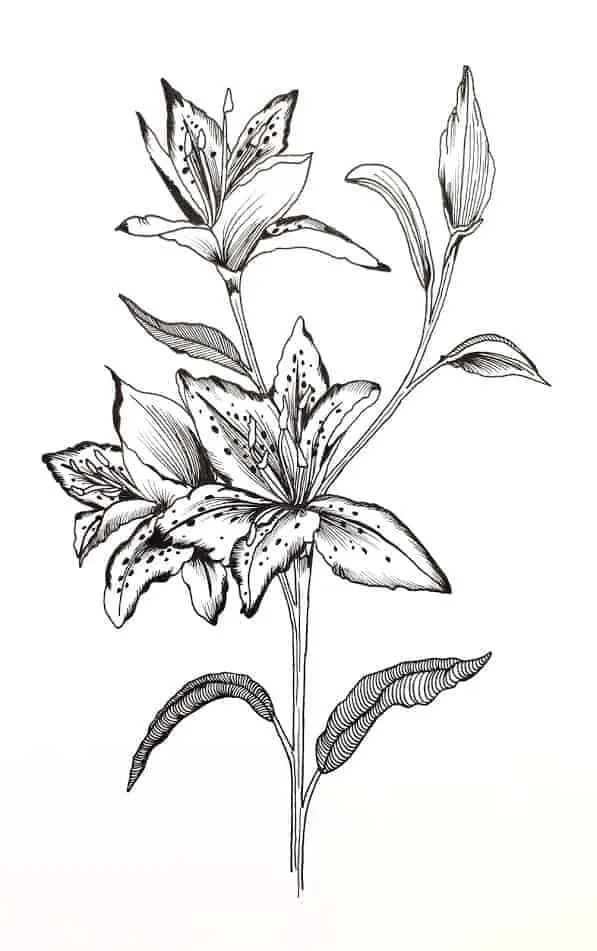
To achieve the best results, hold the pen at a slightly upright angle. This position ensures the ink flows evenly from the internal reservoir to the tip. If you hold the pen too horizontally, you may experience "skipping," where the ink fails to reach the paper consistently. Start with light, tentative strokes to map out your composition before committing to darker, permanent lines.
Follow these steps to master your first fineliner sketch:
- Sketch your initial composition lightly using a graphite pencil.
- Carefully trace your pencil lines with the fineliner, starting from the top of the page to avoid smearing.
- Allow the ink to dry completely for at least one minute before erasing the underlying pencil marks.
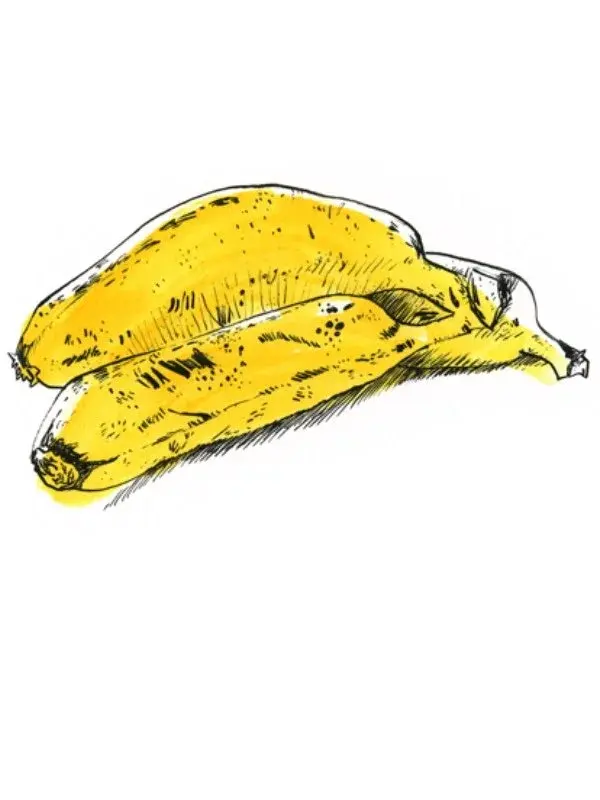
- Add texture or depth by layering short, parallel lines, a technique known as hatching.
Why do fineliners dry out or clog?
Fineliners rely on a precise capillary system to move ink from the cartridge to the paper. If the cap is left off for even a few minutes, the solvent in the ink evaporates, causing the pigment to clump and clog the narrow channel. This is the most common reason for a pen to stop working prematurely. Always listen for the "click" when replacing the cap to ensure an airtight seal.
Another factor is the type of paper used. Rough, fibrous paper can act like sandpaper, pulling tiny fibers into the nib and obstructing the ink flow. For the best longevity, use smooth, high-quality drawing paper or Bristol board. If you notice a pen beginning to skip, try gently scribbling on a piece of scrap paper in a circular motion to clear any debris from the tip.
Common mistakes when using fineliners
Many beginners make the mistake of using fineliners over wet media like watercolor or markers before the ink has fully cured. While many fineliners are labeled as "waterproof," they still require a short drying period to bond with the paper fibers. If you introduce moisture too quickly, the ink may bleed or feather, ruining your clean lines. Always wait until the ink is completely dry to the touch.
Avoid these frequent errors to keep your pens in top condition:
- Pressing too hard: This flattens the nib and ruins the precision of the line.
- Leaving the cap off: This causes the ink to dry out within the nib assembly.
- Using on textured surfaces: Rough paper wears down the delicate tip much faster than smooth paper.
- Storing pens upright: Keep them stored horizontally to ensure the ink stays distributed evenly throughout the reservoir.
By following these simple practices, you will extend the lifespan of your tools and improve the quality of your drawings significantly.
Key facts
- Fineliners use a fiber or plastic tip held in a metal collar to ensure a consistent line width.
- Sizes range from 0.03mm for fine detail to 1.0mm or higher for bold outlines.
- Archival ink is pigment-based, meaning it is waterproof and fade-resistant once dry.
- Dye-based inks are vibrant but may bleed or dissolve if exposed to water or markers.
- Always replace the cap immediately after use to prevent the fine tip from drying out.
- Beginners should start with a 0.5mm or 0.3mm nib for the most versatile drawing experience.
The bottom line
For beginners, the best approach is to invest in a small set of archival, waterproof fineliners featuring a range of nib sizes from 0.1mm to 0.5mm. Brands like Sakura Pigma Micron or Staedtler Pigment Liner offer reliable, consistent results for both sketching and technical work. Focus on maintaining a light touch to preserve the nibs, and always ensure your ink is fully dry before adding other media.
People also ask
Are fineliners the same as felt-tip pens?
While both use fiber tips, fineliners are specifically engineered for precision and technical drawing. Felt-tip pens often have broader, softer tips that fray easily and lack the consistent ink flow of a fineliner.
Can I use fineliners with watercolors?
You must use pens labeled as "waterproof" or "archival" if you intend to paint over your lines. If the ink is not waterproof, it will smear and bleed into your colors when wet.
How do I prevent the nib from bending?
Fineliners are designed for light pressure; pressing too hard will crush or splay the delicate tip. Let the weight of the pen do the work to maintain a crisp, uniform line.
What is the difference between a plastic and a fiber tip?
Fiber tips are softer and offer a slight "give," while plastic tips are rigid and provide more consistent precision. Plastic tips are generally more durable for beginners who may have a heavy hand.
How long do these pens typically last?
Longevity depends on usage, but a high-quality fineliner can last for several thousand meters of line work. Storing them horizontally helps keep the ink evenly distributed across the tip.
Do fineliners work on all types of paper?
They perform best on smooth, non-absorbent paper like Bristol board or high-quality sketchbook paper. Rough or textured paper can cause the tip to snag and may result in feathered, uneven lines.
This answer was created with the help of AI research tools and reference sources. Spotted an error? Let us know — we correct mistakes quickly. See our editorial policy.