Where do elephants live?
Short answer
Elephants live in diverse habitats across sub-Saharan Africa and parts of South and Southeast Asia. African savanna and forest elephants inhabit grasslands, marshes, and dense forests, while Asian elephants reside in scrublands and tropical forests. These intelligent giants require vast territories with consistent access to fresh water and abundant vegetation to survive.
On this page
Where do elephants live in the wild?
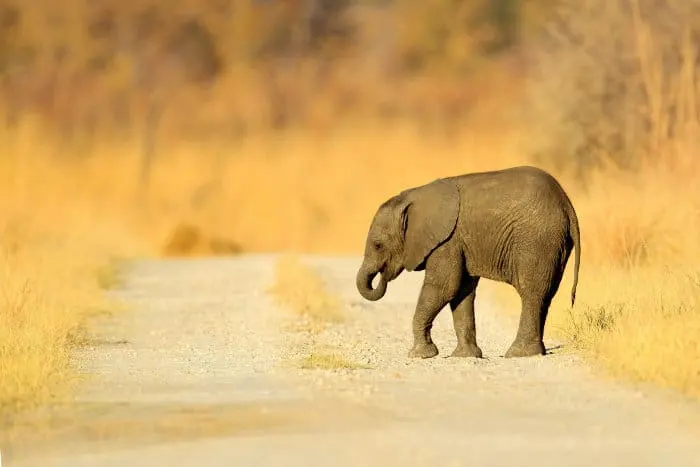
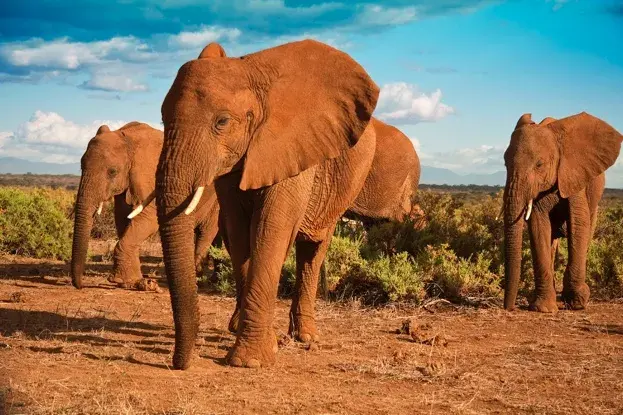
Elephants are currently found in two distinct geographic regions: the African continent and the Asian continent. African elephants are more widespread, roaming across 37 countries in sub-Saharan Africa. They thrive in varied ecosystems including the open savannas of the Serengeti, the dense tropical rainforests of the Congo Basin, and the arid deserts of Namibia. These animals are highly adaptable, moving across vast distances to find food and water.
Asian elephants have a more fragmented distribution, restricted primarily to isolated pockets in 13 countries. Their range spans from India and Nepal in the west to Vietnam and Indonesia in the east. Unlike their African counterparts, Asian elephants are rarely found in open plains. They prefer the cover of dense forests, grasslands, and riparian zones where they can remain hidden from human encroachment. Their habitat is increasingly threatened by deforestation and agricultural expansion, forcing populations into smaller, disconnected areas.
How do elephants choose their habitat?
An elephant's choice of habitat is primarily dictated by the availability of three essential resources: water, food, and shade. Because an adult elephant consumes up to 300 pounds of vegetation and 50 gallons of water daily, they must reside in areas with high primary productivity. They are ecosystem engineers, meaning they actively modify their environment by knocking down trees and clearing brush, which creates pathways for other wildlife and promotes the growth of new grasses.
When selecting a home range, elephants prioritize the following factors:
- Proximity to permanent water sources, such as rivers, lakes, or seasonal waterholes.
- Availability of diverse plant species, including grasses, bark, roots, and fruit.
- Sufficient canopy cover to provide protection from the intense midday sun.
- Minimal human interference to ensure the safety of the herd and its calves.
Why do elephants migrate between regions?
Elephants are migratory animals that follow seasonal changes in rainfall and resource availability. During the wet season, herds often move into lush, green areas where food is abundant and water is plentiful. As the dry season approaches and surface water evaporates, they migrate toward permanent rivers or deep-rooted vegetation zones. This movement is crucial for the survival of the herd, as it prevents the overgrazing of a single area and allows the land to recover.
These migration routes are often passed down through generations, led by the oldest and most experienced female, known as the matriarch. She possesses a "cognitive map" of the landscape, remembering the locations of water sources that may not have been visited for years. Disruption of these traditional corridors due to fences, roads, or settlements can be catastrophic. When elephants are blocked from their historical migration paths, they may struggle to find enough sustenance, leading to increased conflict with local human populations.
How to observe elephants in their natural habitat
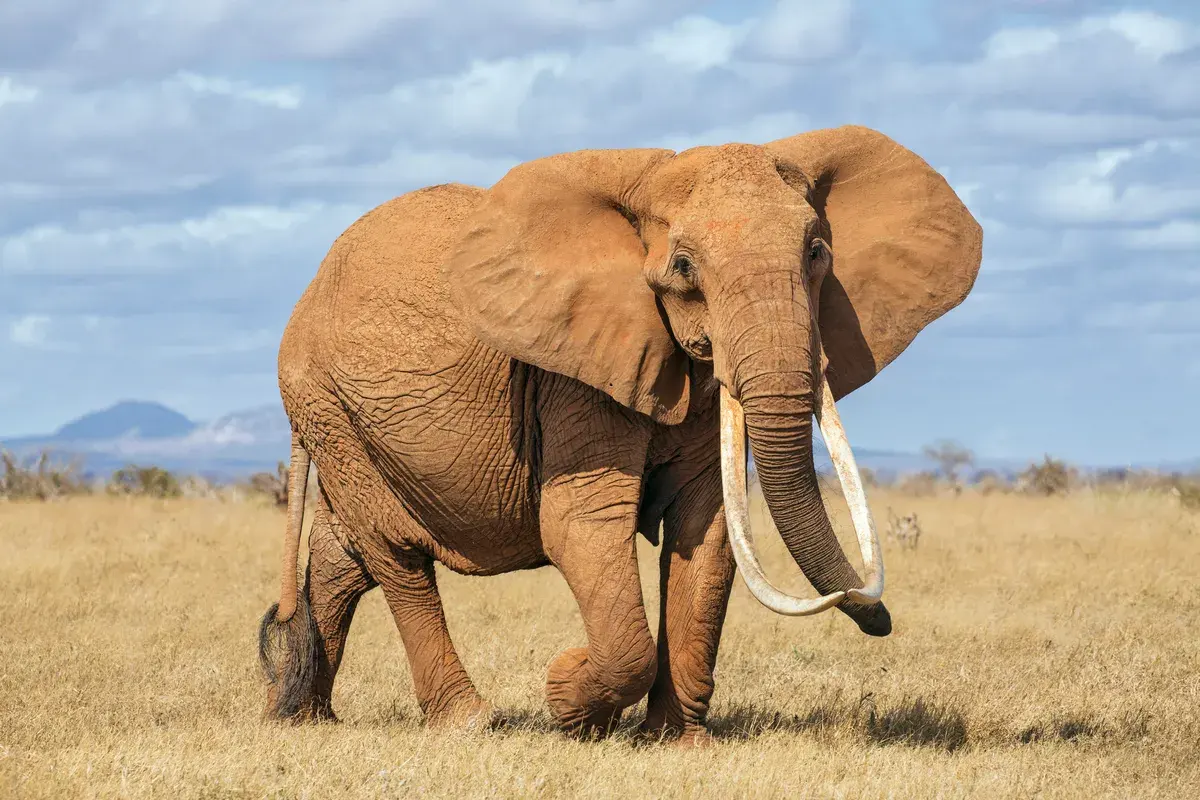
If you plan to visit areas where elephants live, it is essential to prioritize safety and ethical practices. The best way to view these animals is through reputable national parks or private reserves that focus on conservation. Always maintain a significant distance, as elephants are protective of their young and can become aggressive if they feel threatened. Using binoculars or a camera with a telephoto lens allows you to observe their complex social behaviors without disturbing their natural routines.
Follow these steps for a responsible wildlife viewing experience:
- Book a tour with a certified guide who understands elephant behavior and local terrain.
- Remain inside your vehicle at all times unless your guide explicitly states it is safe to exit.
- Keep noise levels to a minimum to avoid startling the herd or causing unnecessary stress.
- Never attempt to feed or approach an elephant on foot, as this is dangerous for both parties.
Common mistakes when tracking elephants
One of the most frequent errors observers make is underestimating the speed and agility of an elephant. Despite their massive size, elephants can move silently through dense brush and reach speeds of up to 25 miles per hour when charging. Another common mistake is assuming that an elephant is calm simply because it is standing still. Elephants often use subtle body language—such as ear flapping, trunk swinging, or tail flicking—to signal agitation or warning long before they act.
Observers should also avoid the following behaviors to ensure a safe experience:
- Ignoring the signs of a "mock charge," which is a defensive bluff used to test threats.
- Pursuing a herd that is clearly trying to move away or hide from human presence.
- Wearing bright clothing or using strong scents that might distract or irritate the animals.
- Failing to respect the matriarch’s lead, as she is the primary decision-maker for the group's safety.
By respecting these boundaries, you can appreciate the majesty of elephants while ensuring their continued protection in the wild.
Key facts
- African elephants inhabit 37 countries across sub-Saharan Africa, ranging from dense rainforests to open savannas.
- Asian elephants are found in 13 countries, primarily across South and Southeast Asia, preferring forested habitats.
- Elephants require massive amounts of water and food, often traveling up to 30 miles in a single day.
- To see wild elephants, visit protected national parks like Chobe in Botswana or Udawalawe in Sri Lanka.
- Avoid supporting elephant tourism operations that offer rides, as these often involve cruel taming practices.
- Always maintain a distance of at least 100 yards from wild elephants to ensure your safety and their comfort.
The bottom line
Elephants are wide-ranging mammals that occupy diverse ecosystems across Africa and Asia, from tropical forests to arid scrublands. Because they require immense territories to find food and water, their survival depends on the protection of large, connected habitats. By avoiding exploitative tourism and supporting reputable conservation initiatives, you can play a vital role in ensuring these intelligent animals continue to thrive in their natural homes.
People also ask
Can elephants survive in the desert?
Yes, specifically the desert-adapted elephants of Namibia and Mali. These populations have developed unique behaviors to locate hidden water sources and survive in harsh, arid climates.
Do elephants live in the same place all year?
Most elephant populations are migratory. They follow seasonal rainfall patterns to find fresh vegetation and water, often moving across vast distances within their home ranges.
Are elephants found in the wild in South America?
No, there are no native elephant populations in South America. Elephants are only indigenous to the continents of Africa and Asia.
How much space does a wild elephant need?
A single elephant herd requires a massive home range, sometimes covering over 1,000 square miles. This space is essential for them to access diverse food sources and social networks.
Do elephants live in zoos?
Many elephants reside in accredited zoos and sanctuaries globally. However, conservationists emphasize that these environments cannot replicate the vast, complex ecosystems required for natural elephant behavior.
How can I help protect elephant habitats?
You can support international conservation organizations that focus on anti-poaching efforts and land preservation. Reducing the demand for ivory products is also a critical step in ensuring their survival.
This answer was created with the help of AI research tools and reference sources. Spotted an error? Let us know — we correct mistakes quickly. See our editorial policy.