Where do salmon live?
Short answer
Salmon are anadromous fish, meaning they live in both freshwater and saltwater environments throughout their life cycle. They hatch in freshwater rivers and streams, migrate to the ocean to mature, and return to their natal freshwater sites to spawn. This journey spans thousands of miles across the Northern Hemisphere’s cold-water ecosystems.
On this page
Where do salmon live throughout their life cycle?
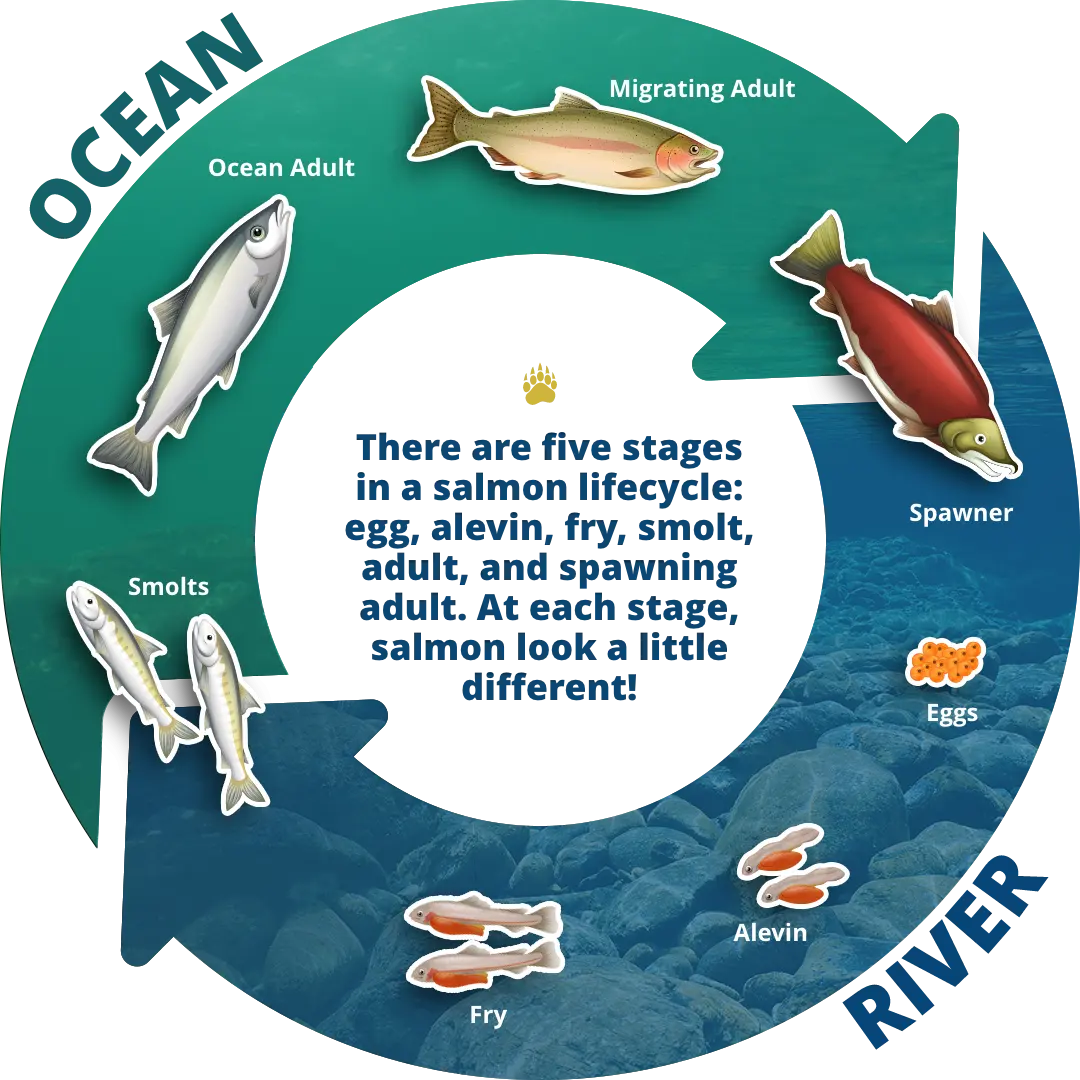
Salmon occupy diverse habitats as they progress through distinct life stages. They begin their lives in freshwater streams, rivers, or lakes, where eggs are deposited in gravel nests called redds. After hatching, the young fish, known as alevin and fry, remain in these nutrient-rich freshwater environments until they are ready to migrate. This period can last from a few months to several years depending on the species.
Once they reach the smolt stage, salmon undergo physiological changes that allow them to transition into saltwater. They migrate downstream to the ocean, where they spend the majority of their adult lives. During this time, they roam vast regions of the North Atlantic or North Pacific oceans. They feed extensively to build the energy reserves necessary for their eventual return to freshwater. The primary habitats for adult salmon include:
- The North Pacific Ocean, spanning from California to Alaska and across to Japan.
- The North Atlantic Ocean, ranging from the northeastern United States and Canada to Northern Europe.
- Coastal estuaries, which serve as critical transition zones for both juveniles and returning adults.
How do salmon return to their home rivers?
The migration of salmon back to their birthplace is one of nature’s most remarkable feats of navigation. Known as homing, this process relies on a combination of sensory inputs that guide the fish across thousands of miles of open ocean. Scientists believe that salmon use the Earth’s magnetic field to orient themselves toward the general vicinity of their home coast. Once they reach the mouth of their natal river, they rely on their highly developed sense of smell.
Each river system possesses a unique chemical signature, or "olfactory map," created by the minerals and vegetation in the watershed. Salmon imprint on this specific scent as juveniles before they head to the sea. When they return, they detect these subtle chemical cues to navigate upstream, bypassing other tributaries to find the exact gravel beds where they were born. This homing instinct ensures that salmon return to environments that have historically proven successful for the survival of their offspring.
Which environments are best for salmon survival?
Salmon require specific environmental conditions to thrive, making them highly sensitive to habitat degradation. Cold, oxygen-rich water is the most critical requirement, as salmon are ectothermic and rely on low temperatures to maintain their metabolic functions. Streams with clean, loose gravel are essential for spawning, as this allows for the proper flow of oxygenated water over the developing eggs.
Riparian zones—the areas of vegetation along riverbanks—play a vital role in maintaining these conditions. These areas provide several benefits:
- Shade: Canopy cover keeps water temperatures low during hot summer months.
- Erosion control: Root systems stabilize banks, preventing sediment from burying spawning gravel.
- Food supply: Overhanging vegetation drops insects into the water, providing a primary food source for juvenile salmon.
- Structural complexity: Fallen logs and root wads create pools that offer refuge from fast currents and predators.
Common mistakes when observing salmon habitats
Many people inadvertently disturb salmon populations by failing to understand the fragility of their environment. A frequent error is walking directly through spawning beds, known as redds. These gravel mounds contain fragile eggs or alevin; stepping on them can crush the developing fish or displace the gravel, leaving the eggs vulnerable to predators and currents. Always remain on designated trails or banks when visiting salmon-bearing streams.
Another common mistake is the introduction of pollutants or the removal of natural debris from streams. Homeowners living near creeks often clear "messy" wood or rocks from the water, believing it improves the stream's appearance. In reality, this wood is essential for creating the deep pools and hiding spots that salmon need to survive. Avoiding these actions is vital for conservation:
- Never wash vehicles or dispose of chemicals near storm drains that lead to local streams.
- Do not remove large woody debris from river channels.
- Keep pets out of the water during spawning seasons to prevent physical disturbance of the fish.
Why do salmon populations fluctuate in different regions?
Salmon populations are dynamic and often fluctuate due to a mix of natural cycles and human-induced factors. Climate change is a significant driver, as rising water temperatures can exceed the physiological limits of salmon, leading to increased mortality rates. Furthermore, altered precipitation patterns can lead to lower stream flows, which prevent salmon from reaching their spawning grounds or cause eggs to dry out in the gravel.
Overfishing and the construction of dams also present major challenges to salmon distribution. Dams act as physical barriers that block migration routes, preventing fish from reaching historical spawning grounds. While fish ladders and bypass systems have been implemented, they are not always effective for every species. Habitat restoration projects, such as removing obsolete dams and replanting native vegetation, are currently the primary tools used by biologists to stabilize these populations. By protecting the integrity of both the ocean and the freshwater pathways, conservationists aim to ensure that salmon continue to inhabit their ancestral waters for generations to come.
Key facts
- Salmon are anadromous, meaning they hatch in freshwater, migrate to the ocean to mature, and return to freshwater to spawn.
- Atlantic salmon (Salmo salar) generally survive spawning and can return to the ocean, whereas most Pacific salmon species die shortly after spawning.
- Salmon rely on their sense of smell to navigate thousands of miles back to the exact stream where they were born.
- Water temperature is critical; salmon thrive in cold, oxygen-rich waters, typically between 45°F and 65°F (7°C to 18°C).
- To identify a healthy salmon habitat, look for gravel-bottomed streams with plenty of shade from overhanging trees to keep the water cool.
- Avoid disturbing salmon spawning beds, known as redds, which look like patches of clean, disturbed gravel in riverbeds.
The bottom line
Salmon are remarkable migratory fish that bridge the gap between freshwater streams and the vast ocean. Their survival depends on pristine, cold-water habitats and the ability to navigate complex river systems. By understanding their unique life cycle and the environmental pressures they face, we can better appreciate their role as a keystone species that sustains diverse ecosystems and supports the health of our natural waterways.
People also ask
Do all salmon live in the ocean?
While most salmon spend their adult lives in the ocean, some populations, such as landlocked sockeye salmon, spend their entire lives in large freshwater lakes. These fish never migrate to the sea but still follow similar life cycles within their lake environments.
How far do salmon travel during their migration?
Salmon can travel incredible distances, often covering over 2,000 miles during their journey from the ocean back to their natal streams. This migration requires immense energy and is one of the most demanding physical feats in the animal kingdom.
Why do salmon change color when they return to rivers?
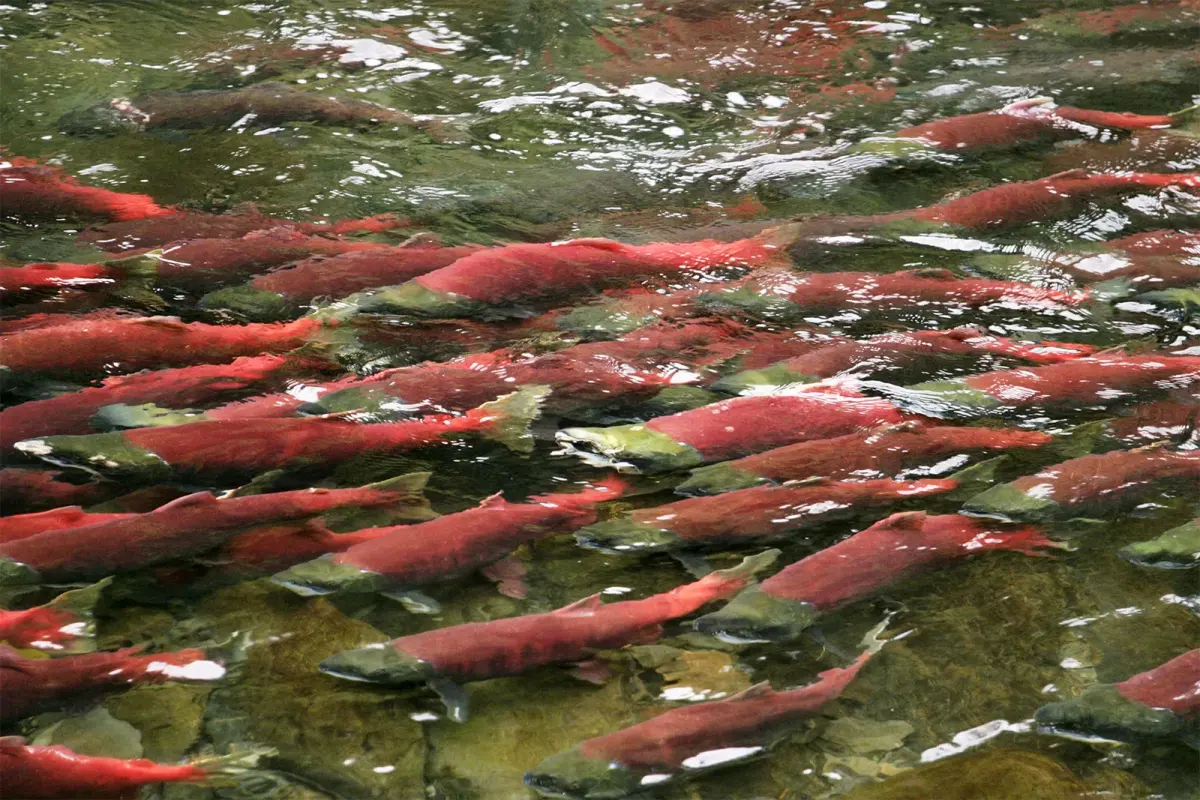
As salmon prepare to spawn, their bodies undergo hormonal changes that cause their skin to change color, often turning bright red, green, or dark purple. This transformation helps them attract mates and signals that they are nearing the end of their life cycle.
What do salmon eat in the ocean?
In the ocean, salmon are opportunistic predators that feed on smaller fish like herring, sand lance, and capelin, as well as crustaceans like krill. This diet is rich in carotenoids, which give salmon flesh its characteristic pink or orange hue.
Can salmon jump over waterfalls?
Salmon are famous for their ability to leap over waterfalls and rapids to reach upstream spawning grounds. They use their powerful tails to propel themselves out of the water, sometimes clearing obstacles several feet high.
Why are salmon considered a keystone species?
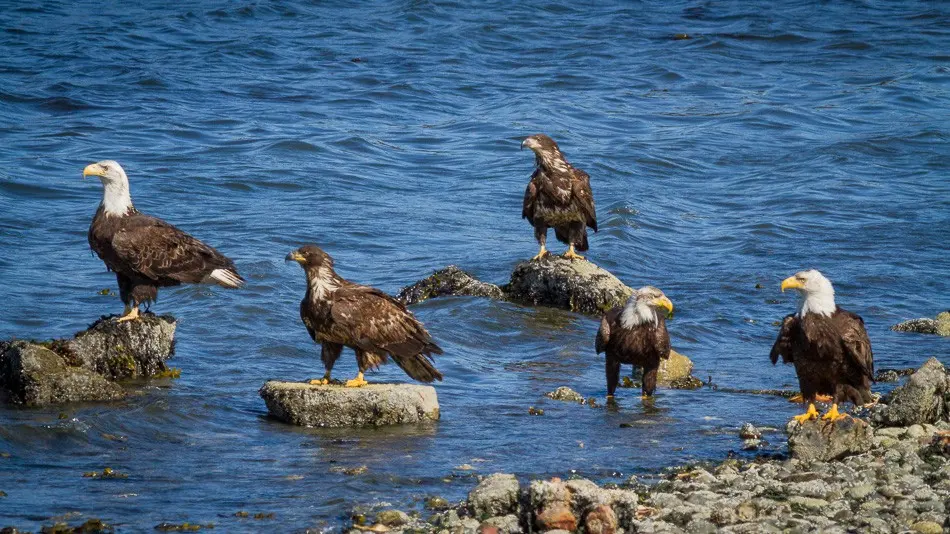
Salmon are vital to their ecosystems because they transport nutrients from the ocean back into freshwater environments. When they die after spawning, their carcasses provide essential nitrogen and phosphorus that nourish trees, insects, and wildlife like bears and eagles.
This answer was created with the help of AI research tools and reference sources. Spotted an error? Let us know — we correct mistakes quickly. See our editorial policy.