What is a baby hedgehog called?
Short answer
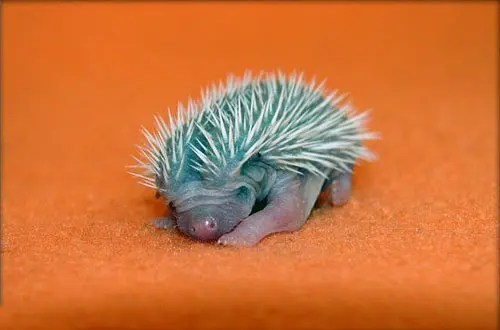
A baby hedgehog is called a hoglet. These small, vulnerable creatures are born blind and hairless, typically in litters ranging from three to five individuals. As they grow, they quickly develop their characteristic spines, transitioning from soft, pale quills to the hardened, protective armor that defines adult hedgehogs in the wild.
On this page
What is a baby hedgehog called?
A baby hedgehog is officially known as a hoglet. While some people colloquially refer to them as pups or kittens, hoglet is the universally recognized term among zoologists and wildlife rehabilitators. These infants are born in a state of extreme vulnerability, relying entirely on their mother for warmth and nourishment during their first few weeks of life.
The development of a hoglet is a rapid and fascinating biological process. Upon birth, their spines are hidden beneath a layer of fluid-filled skin to prevent injury to the mother during the birthing process. Within hours of birth, these soft, white quills begin to emerge and harden, eventually darkening as the hoglet matures. This transformation is essential for their defense, as they lack the ability to roll into a protective ball until they are several weeks old.
How long does it take for a hoglet to grow?
The growth cycle of a hoglet is remarkably fast compared to many other small mammals. By the time they are two weeks old, their eyes begin to open, and they start to explore the immediate vicinity of the nest. By four to six weeks, they are typically ready to begin weaning off their mother’s milk and transitioning to a diet of insects, slugs, and worms.
- Birth: Hoglets are born blind and hairless, weighing only about 10 to 25 grams.
- Two weeks: Eyes open, and the first set of darker, adult-like quills begins to appear.
- Four weeks: The hoglets start venturing out of the nest to forage with their mother.
- Six to eight weeks: They become fully independent and seek out their own territories.
This rapid maturation is crucial for survival in the wild, as it allows the young hedgehogs to build up sufficient fat reserves before the onset of colder weather or hibernation periods.
What do baby hedgehogs eat?
In the wild, a hoglet’s diet is entirely dependent on its mother’s milk for the first month. Once they begin to forage, they are strictly insectivores, consuming a variety of protein-rich invertebrates. Providing the correct nutrition is critical if you encounter an orphaned hoglet, as their digestive systems are highly sensitive to improper food sources.
- Earthworms and beetles
- Slugs and snails
- Caterpillars and millipedes
- Occasionally fallen fruit or bird eggs
It is a common misconception that hedgehogs should be fed bread and milk. In reality, hedgehogs are lactose intolerant, and dairy products can cause severe digestive distress or even be fatal to a young hoglet. If you find a hoglet that appears abandoned, it is vital to contact a local wildlife rescue center rather than attempting to feed it household items that could compromise its health.
Common mistakes when helping an orphaned hoglet
Many well-meaning individuals make errors when they find a hoglet that appears to be alone. The most frequent mistake is assuming that a hoglet found during the day is automatically orphaned. While hedgehogs are nocturnal, mothers may occasionally move their young during the day, or a hoglet may simply be exploring its surroundings. Before intervening, observe the animal from a distance for several hours to see if the mother returns.
If you determine that the hoglet is truly orphaned or injured, avoid these common pitfalls to ensure the best chance of survival:
- Do not handle the hoglet with bare hands, as they can carry parasites or bacteria.
- Do not attempt to keep the hoglet as a pet, as they have complex dietary and environmental needs.
- Do not place the hoglet in a cold environment; they require a warm, quiet box until professional help is available.
- Do not force-feed the animal, as this can lead to aspiration pneumonia if done incorrectly.
Best practices for hedgehog conservation
Protecting the habitat of hedgehogs is the most effective way to ensure the survival of future generations of hoglets. Urbanization and the use of pesticides in gardens have significantly reduced the availability of natural food sources and nesting sites. By creating a hedgehog-friendly environment, you can provide a safe haven for these animals to breed and raise their young throughout the summer months.
To support the hedgehog population, consider implementing the following strategies in your outdoor space:
- Leave a corner of your garden wild with log piles and leaf litter for nesting.
- Avoid using chemical slug pellets, which are toxic to hedgehogs and their prey.
- Create small holes in garden fences to allow hedgehogs to travel between properties.
- Provide a shallow dish of fresh water, especially during dry spells in the summer.
By maintaining these simple, sustainable practices, you contribute to the health of the local ecosystem and help ensure that hoglets have the necessary resources to thrive and reach adulthood safely.
Key facts
- A baby hedgehog is officially called a hoglet.
- Litters typically consist of three to six hoglets, though some can range from one to eleven.
- Hoglets are born blind and with their spines covered by a protective membrane to prevent injury to the mother.
- Within a few hours of birth, the first set of white, soft spines begins to emerge through the skin.
- Weaning usually occurs between four and six weeks of age when the hoglets begin to forage for solid food.
- Never touch a newborn hoglet in the wild, as human scent can cause the mother to abandon or even kill her young.
The bottom line
The term for a baby hedgehog is a hoglet, a name that reflects their small size and distinct appearance. These creatures are born vulnerable and rely heavily on maternal care during their first weeks. If you encounter one in the wild, it is essential to observe from a distance and avoid intervention unless the animal is clearly injured or orphaned, ensuring its survival in nature.
People also ask
How long do hoglets stay with their mother?
Hoglets remain in the nest for about four to six weeks. After this period, they venture out with their mother to learn how to forage before becoming fully independent.
What do hoglets eat once they are weaned?
As insectivores, young hedgehogs feed on beetles, caterpillars, earthworms, and slugs. They also consume fallen fruit and fungi if their primary protein sources are scarce.
Do hoglets have teeth when they are born?
No, hoglets are born toothless. They develop their first set of milk teeth shortly after birth, which are later replaced by permanent adult teeth.
How can you tell if a hoglet is in distress?
A hoglet wandering alone during the day, appearing lethargic, or having visible injuries is likely in trouble. These animals are nocturnal and should not be active in bright sunlight.
What should I do if I find an orphaned hoglet?
Keep the hoglet warm using a towel and a hot water bottle wrapped in fleece, then contact a local wildlife rescue center immediately. Avoid feeding it cow's milk, as it causes severe digestive issues.
How fast do hoglets grow?
They grow rapidly, often doubling their weight within the first week of life. By the time they are two months old, they are usually large enough to survive on their own.
This answer was created with the help of AI research tools and reference sources. Spotted an error? Let us know — we correct mistakes quickly. See our editorial policy.