What is a baby pig called?
Short answer
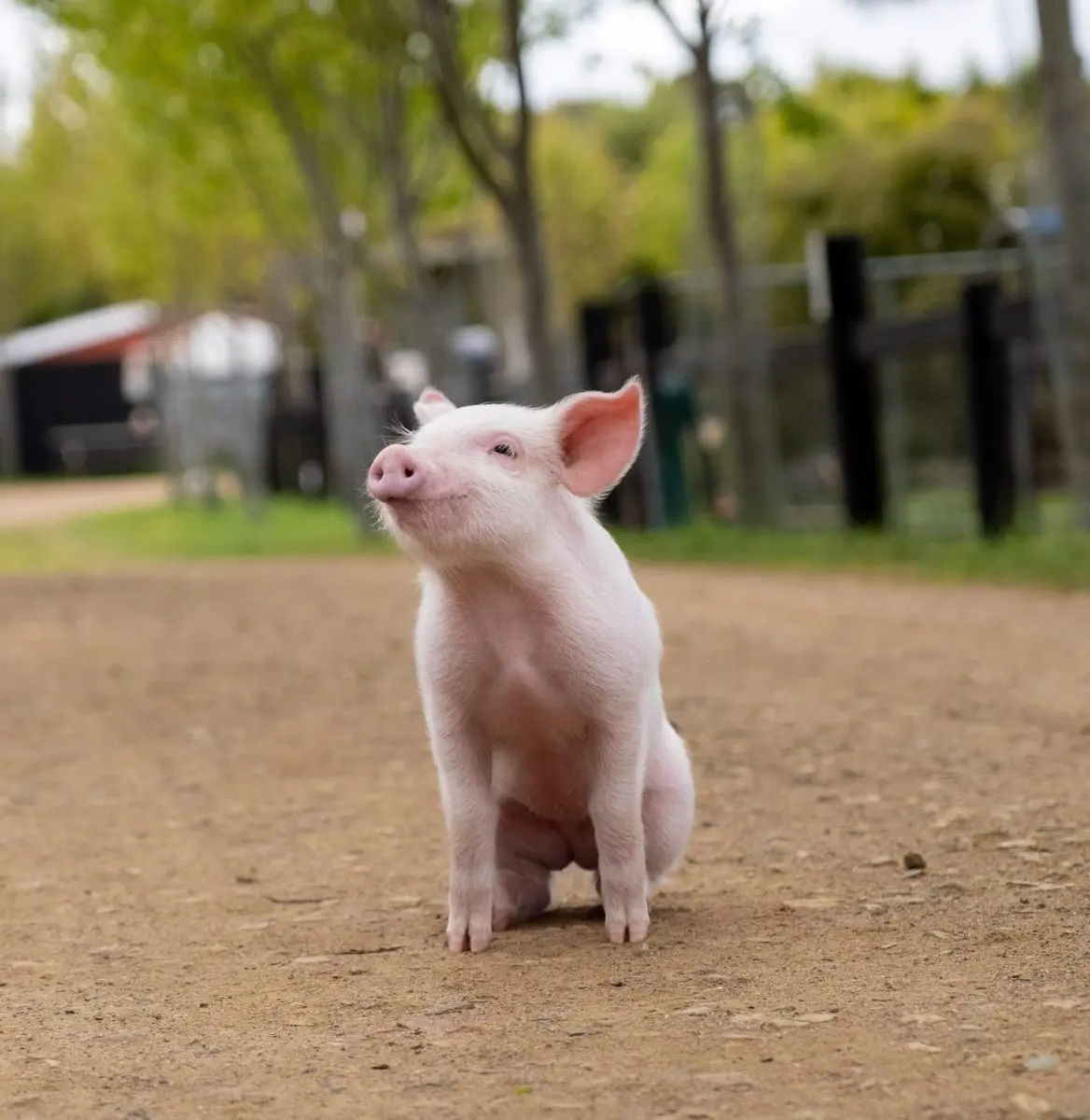
A baby pig is called a piglet. Once a piglet is weaned from its mother, it is often referred to as a shoat or a weaner. These young animals are highly social, curious, and grow rapidly, typically reaching market weight within six months of birth under standard agricultural management practices.

On this page
What is a piglet and how do they grow?
A piglet is the term used for a young pig from birth until it is weaned, which usually occurs between three and five weeks of age. At birth, a healthy piglet typically weighs between two and three pounds. They are born in groups known as litters, which generally consist of eight to twelve individuals, though larger litters are common in modern commercial breeds.
The growth rate of a piglet is remarkably fast compared to many other mammals. With proper nutrition and care, a piglet can double its birth weight within the first week of life. By the time they reach six months of age, they may weigh over 200 pounds. This rapid development is supported by high-protein milk from the sow and, eventually, a nutrient-dense diet consisting of grains and minerals.
How to care for newborn piglets
Caring for newborn piglets requires strict attention to environmental temperature and sanitation. Piglets lack significant body fat at birth and cannot regulate their own body temperature effectively, making them susceptible to cold stress. Providing a warm, dry area—often called a creep area—is essential for their survival during the first few days.
- Ensure the farrowing area is clean and disinfected before the sow gives birth.
- Provide a heat lamp or heated mat in a corner of the pen to keep piglets warm.
- Monitor the piglets to ensure they are nursing from the sow within the first hour of life to receive colostrum.
- Check for any signs of lethargy or weakness, which may indicate the need for supplemental feeding.
What are the stages of pig development?
Pigs transition through several distinct life stages, each requiring different management strategies. Understanding these terms helps farmers and enthusiasts communicate effectively about the animal's needs. The terminology changes as the pig matures and its dietary requirements shift to support skeletal and muscle growth.
- Piglet: From birth until weaning (approximately 3-5 weeks).
- Weaner: A pig that has recently been separated from its mother.
- Shoat: A young pig that has been weaned but has not yet reached maturity.
- Gilt: A female pig that has not yet produced a litter of piglets.
- Sow: An adult female pig that has given birth to at least one litter.
- Boar: An uncastrated adult male pig.
- Barrow: A castrated adult male pig.
Common mistakes when raising piglets
One of the most frequent errors in piglet management is neglecting the importance of colostrum intake. Colostrum is the first milk produced by the sow, and it contains vital antibodies that protect the piglet from diseases. If a piglet fails to nurse during the first few hours, its immune system remains vulnerable, significantly increasing the risk of mortality.
Another common mistake is failing to provide adequate space for the growing litter. As piglets grow, they become more active and require more room to move, play, and interact. Overcrowding leads to increased stress, which can suppress the immune system and lead to behavioral issues like tail-biting. Always ensure that the facility size is adjusted as the pigs gain weight to prevent health complications and ensure proper social development.
Why social interaction matters for piglets
Pigs are highly intelligent, social animals that thrive when kept in groups. From a very young age, piglets establish a hierarchy within their litter through play and physical interaction. This social structure is vital for their mental well-being and helps them learn appropriate behaviors, such as how to communicate with other pigs and how to navigate their environment.
- Allow piglets to remain with their littermates to encourage natural social bonding.
- Provide environmental enrichment, such as straw or safe chew toys, to satisfy their natural curiosity.
- Observe group dynamics to ensure that no single piglet is being bullied or excluded from feeding.
- Maintain consistent daily routines to reduce stress and help the piglets feel secure in their surroundings.
By respecting their social nature and providing a stimulating environment, caretakers can ensure that piglets develop into healthy, well-adjusted animals. Proper handling and consistent care throughout these early stages are the foundations of successful pig husbandry, whether for agricultural production or as part of a small-scale farming operation. Through careful observation and proactive management, the transition from a vulnerable piglet to a robust adult pig can be achieved with minimal complications.
Key facts
- A baby pig is officially called a piglet.
- Newborn piglets typically weigh between 2 and 3 pounds at birth.
- A group of piglets born to the same mother at one time is called a litter.
- Sows usually give birth to litters ranging from 7 to 12 piglets.
- Piglets are born with eight sharp needle teeth that are sometimes clipped by farmers to prevent injury.
- Piglets rely on colostrum from their mother within the first few hours of life to build immunity.
The bottom line
The term for a baby pig is a piglet, a fast-growing animal that requires significant warmth and nutrition during its first few weeks. Whether you are interested in farming or simply curious about animal terminology, understanding the life cycle from piglet to adult is essential. Proper care during the weaning phase ensures healthy development, allowing these animals to thrive as they transition to their mature weight.
People also ask
How long do piglets stay with their mother?
Piglets are typically weaned from their mother between 3 and 5 weeks of age. During this time, they gradually transition from nursing to eating solid feed.
What is a male pig called?
An adult male pig that has not been castrated is called a boar. If the male has been castrated, he is referred to as a barrow.
What is a female pig called?
A female pig that has not yet had a litter is called a gilt. Once she has given birth to her first litter, she is officially known as a sow.
How fast do piglets grow?
Piglets grow very rapidly, often doubling their birth weight within the first week of life. With proper nutrition, they can reach market weight of 250 pounds in about 6 months.
Do piglets need special care in cold weather?
Yes, newborn piglets lack body fat and cannot regulate their temperature well. Farmers use heat lamps or mats to keep the farrowing area between 90 and 95 degrees Fahrenheit.
What do piglets eat when they are weaned?
After weaning, piglets are fed a high-protein, nutrient-dense diet often consisting of corn, soybean meal, and essential vitamins. This specialized feed supports their rapid skeletal and muscular development.
This answer was created with the help of AI research tools and reference sources. Spotted an error? Let us know — we correct mistakes quickly. See our editorial policy.