Who invented the snowboard?
Short answer
Sherman Poppen is widely credited with inventing the modern snowboard in 1965 when he fastened two skis together for his daughters. While earlier precursors existed, Poppen’s "Snurfer" became the first commercially successful board. Later innovators like Dimitrije Milovich, Jake Burton Carpenter, and Tom Sims refined the design into the equipment used today.
On this page
Who invented the first snowboard?
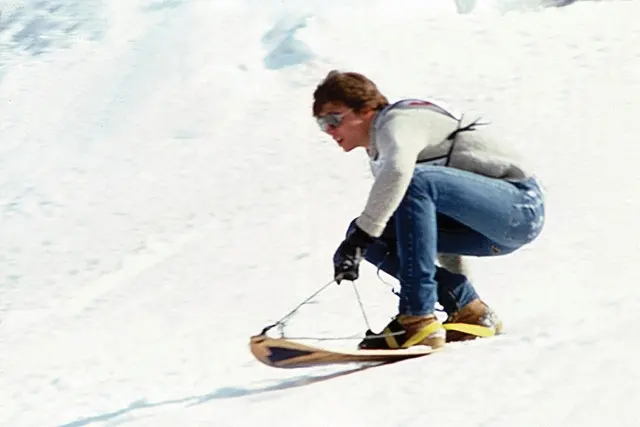
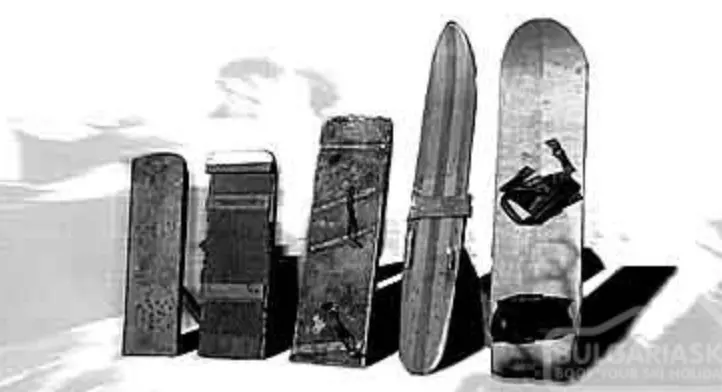
The invention of the snowboard is often attributed to Sherman Poppen, an engineer from Muskegon, Michigan. In the winter of 1965, Poppen bolted two wooden skis together and attached a rope to the front for stability, creating a toy he dubbed the "Snurfer." His wife coined the name by combining "snow" and "surfer." The device lacked bindings, requiring riders to balance solely by shifting their weight while holding the rope.
Poppen licensed the Snurfer design to the Brunswick Corporation, which sold nearly a million units over the next decade. Although it was marketed primarily as a children’s toy, the Snurfer laid the conceptual groundwork for the sport. It introduced the idea of riding a single board sideways on snow, a radical departure from the traditional stance used in skiing. While other inventors had experimented with "monoski" concepts earlier in the 20th century, Poppen’s creation was the first to capture widespread public interest.
How did snowboarding become a sport?
During the 1970s, enthusiasts began modifying Snurfers to improve performance. Dimitrije Milovich, inspired by surfboard designs, founded Winterstick in 1972, creating boards with steel edges and fiberglass to improve grip on hard-packed snow. Simultaneously, Jake Burton Carpenter began refining the Snurfer by adding adjustable straps to keep the rider’s feet attached to the board. This innovation allowed for greater control and the ability to perform more complex maneuvers.
Meanwhile, Tom Sims, a skateboarder, began crafting his own boards in his shop, focusing on maneuverability and flex. The competition between the Burton and Sims brands drove rapid technological advancements throughout the 1980s. These pioneers worked tirelessly to convince ski resorts, which were historically hostile to snowboarders, to allow them on the lifts. By the late 1980s, the sport had gained enough momentum to be recognized by international governing bodies, eventually leading to its inclusion in the Winter Olympics.
What are the essential parts of a snowboard?
Modern snowboards are highly engineered pieces of equipment designed for specific terrain and riding styles. Understanding the anatomy of a board is crucial for any beginner looking to purchase their first setup. The core is typically made of wood, which provides the necessary strength and "pop" for jumping. Surrounding the core are layers of fiberglass and a base material that is waxed to glide smoothly over snow.
Key components include:
- The Core: Usually wood, providing the board's structural integrity and flex pattern.
- The Base: The bottom surface, made of polyethylene, which absorbs wax for speed.
- The Edges: Steel strips along the perimeter that allow the rider to carve into icy snow.
- The Inserts: Threaded holes where bindings are mounted, allowing for stance width and angle adjustments.
- The Top Sheet: The decorative upper layer that protects the internal materials from moisture and impact.
How to choose your first snowboard?
Selecting the right board depends on your height, weight, and intended riding style. Beginners should generally look for a "directional" or "all-mountain" board with a soft-to-medium flex. A softer board is more forgiving, making it easier to initiate turns and less likely to catch an edge. Avoid boards that are too stiff, as they require significant physical strength and technical skill to control effectively.
Follow these steps to ensure a proper fit:
- Determine your weight range: Most manufacturers provide a weight chart for each board size.
- Measure your height: The board should stand somewhere between your chin and your nose when placed vertically.
- Check your boot size: If you have large feet, you may need a "wide" board to prevent your toes or heels from dragging in the snow.
- Test the flex: Press the board against the floor to feel how much it bends; it should feel responsive but not rigid.
Common mistakes when learning to snowboard
Many beginners struggle because they attempt to learn without proper instruction or equipment. One of the most frequent errors is leaning back on the rear foot, which makes the board difficult to steer and causes the rider to lose control. Another common issue is failing to use the edges correctly; beginners often try to ride "flat," which leads to slipping on ice. It is essential to keep your weight centered and commit to the edge during turns.
Avoid these common pitfalls to accelerate your progress:
- Wearing boots that are too loose, which prevents energy transfer to the board.
- Looking down at your feet rather than looking ahead toward your intended path.
- Failing to wear protective gear, such as a helmet and wrist guards, which are vital for safety.
- Attempting to ride on terrain that is too steep before mastering basic speed control and stopping techniques.
- Neglecting to wax your board, which causes the base to dry out and makes turning much more difficult.
Key facts
- Sherman Poppen invented the "Snurfer" in 1965 by fastening two skis together for his children.
- Jake Burton Carpenter refined the design in the late 1970s by adding foot straps and a more flexible board.
- Dimitrije Milovich founded Winterstick in 1972, introducing boards inspired by surfboard shapes for deep powder.
- Early snowboards were often banned from ski resorts because they were considered dangerous and lacked metal edges.
- Modern snowboards utilize a "sidecut" design, which allows the board to carve into the snow during a turn.
- When learning to snowboard, always keep your weight centered over the board rather than leaning back, which is a common beginner mistake.
The bottom line
While Sherman Poppen created the first prototype in 1965, the evolution of the snowboard was a collaborative effort involving innovators like Jake Burton Carpenter and Dimitrije Milovich. By moving from simple backyard toys to high-performance equipment with metal edges and bindings, these pioneers transformed snowboarding into a global sport. Today, it stands as a staple of winter recreation, defined by its unique carving mechanics and culture.
People also ask
What was the first commercially successful snowboard?
The "Snurfer" was the first mass-produced board, selling over half a million units after its 1965 debut. It lacked bindings and was primarily intended for backyard hills.
Why were early snowboards banned at ski resorts?
Resort operators feared that snowboarders lacked the control to navigate crowded slopes safely. Many mountains did not permit snowboarding until the mid-1980s or early 1990s.
What is the difference between a snowboard and a surfboard?
While both rely on balance and carving, snowboards feature steel edges for gripping icy surfaces. Surfboards are designed for buoyancy in water, whereas snowboards are built for sliding on packed snow.
How do you choose the right snowboard size?
Generally, the board should reach between your chin and nose when stood upright. Shorter boards are easier to maneuver for beginners, while longer boards provide stability at higher speeds.
What are the main types of snowboard bindings?
The most common are strap-in bindings, which use ratcheting buckles to secure your boots. Other types include rear-entry bindings for faster access and step-on systems that click directly into the board.
Is it easier to learn to ski or snowboard?
Most instructors agree that snowboarding has a steeper initial learning curve due to the difficulty of balancing on one edge. However, once the basics are mastered, many riders find snowboarding more intuitive for carving.
This answer was created with the help of AI research tools and reference sources. Spotted an error? Let us know — we correct mistakes quickly. See our editorial policy.