Who invented the crossword puzzle?
Short answer
Arthur Wynne, a British-born journalist, invented the modern crossword puzzle. He published the first "word-cross" in the December 21, 1913, edition of the New York World. His design featured a diamond-shaped grid with clues provided for horizontal and vertical words, establishing the fundamental format that remains the standard for puzzle constructors today.
On this page
Who was Arthur Wynne?
Arthur Wynne was a journalist who emigrated from Liverpool, England, to the United States in the late 19th century. He worked for the New York World, a newspaper owned by Joseph Pulitzer, where he served as the editor for the "Fun" section. His primary responsibility was to create engaging content for the Sunday edition, which often included games and puzzles designed to entertain the paper's large readership.
Wynne’s invention was not entirely spontaneous; he drew inspiration from the ancient "magic square," a word game where letters were arranged in a grid to form the same words horizontally and vertically. By adding numbered clues and intersecting black squares to separate words, he transformed a simple word game into a structured challenge. This innovation was initially titled "Word-Cross" before a typographical error in a later issue eventually led to the name "crossword."
How did the first crossword look?
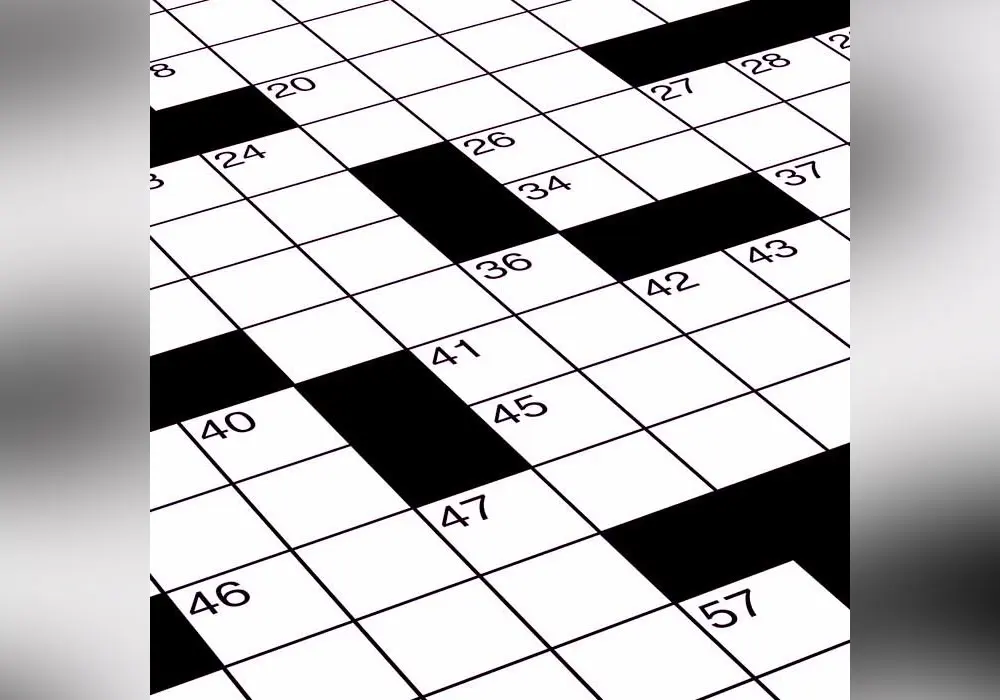
The inaugural crossword puzzle published in 1913 differed significantly from the grids seen in modern newspapers. It lacked the black squares that are now essential for separating words, relying instead on the grid's diamond shape to define the boundaries of the entries. The puzzle was relatively simple, containing only 31 clues, and did not include the complex interlocking patterns that characterize contemporary crosswords.
Despite its primitive appearance, the puzzle was an immediate success with readers. The New York World began publishing them weekly, and other newspapers soon followed suit, recognizing the potential for reader engagement. The evolution of the crossword grid over the next decade included several key design changes:
- The introduction of black squares to allow for more complex, interlocking word patterns.
- The establishment of the "rotational symmetry" rule, where the grid looks the same if turned 180 degrees.
- The standardization of clue numbering systems to improve readability.
- The transition from simple definitions to more cryptic or pun-based wordplay.
Why did crossword puzzles become popular?
The rapid ascent of the crossword puzzle in the 1920s is often attributed to the "crossword craze" that swept across the United States. During this period, the puzzles became a symbol of intellectual curiosity and leisure. Publishers Simon & Schuster recognized this trend and released the first-ever book of crossword puzzles in 1924, which became a massive bestseller and solidified the game's place in American culture.
Several factors contributed to this widespread adoption:
- Accessibility: The puzzles required only a pencil and a newspaper, making them affordable for the general public.
- Social Status: Completing a puzzle was viewed as an indicator of education and vocabulary strength.
- Mental Stimulation: Readers enjoyed the sense of accomplishment that came from solving a difficult grid.
- Standardization: As newspapers adopted consistent rules, players could develop skills and strategies to improve their solving speed.
How to solve a crossword puzzle for beginners
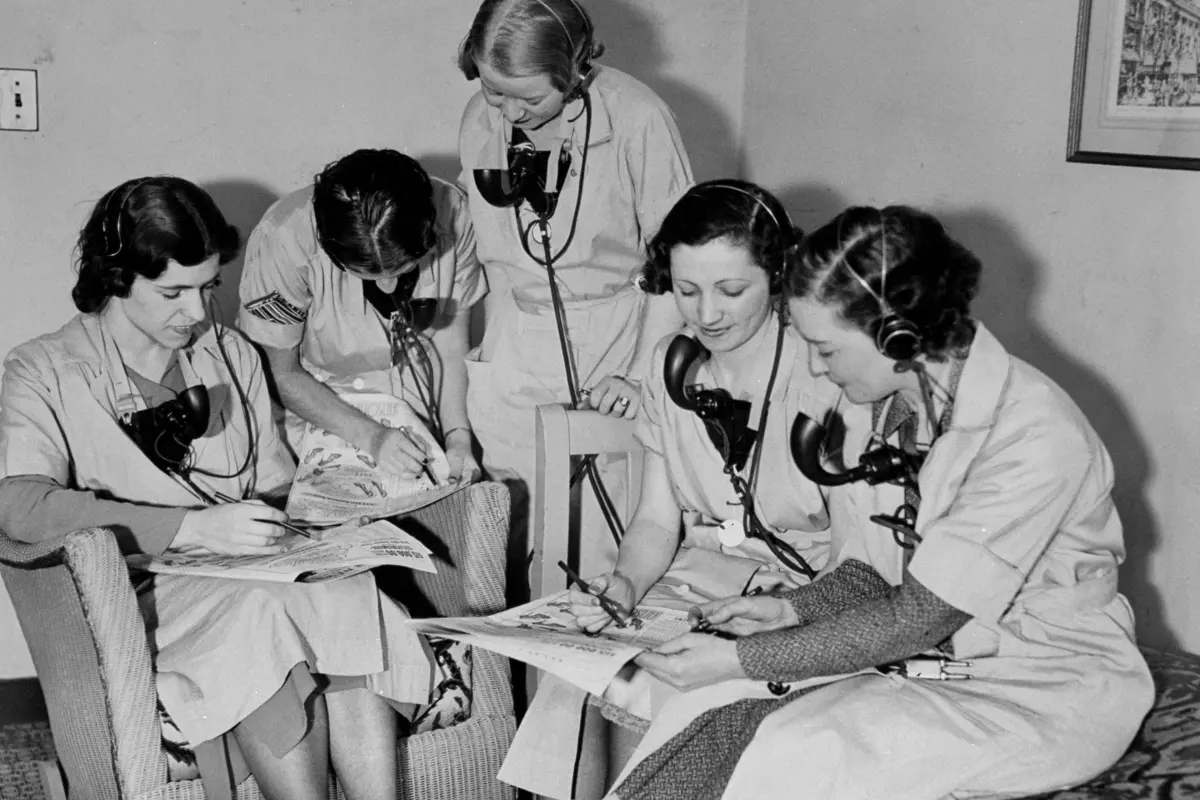
Solving a crossword requires a blend of vocabulary knowledge, lateral thinking, and patience. Beginners should start with smaller grids, such as those found in the Monday editions of major newspapers, which are typically the easiest of the week. Focus on filling in the short, definitive answers first, as these provide the necessary intersecting letters to help solve longer, more difficult clues.
When approaching a puzzle, avoid the common mistake of trying to fill in the grid in perfect order from top to bottom. Instead, scan the entire list of clues for "gimmies"—the ones you know instantly. If you find yourself stuck, move to a different section of the grid entirely. Relying on the intersections of words is the most effective strategy, as every correctly placed letter acts as a hint for the surrounding entries.
Common mistakes when solving crosswords
One of the most frequent errors beginners make is assuming that every clue is a direct definition. Modern constructors often use "misdirection," where a clue might be phrased as a question or a pun to lead the solver toward a wrong answer. For example, a clue like "A spring worker" might not refer to a person but to a "coil" or a "frog." Always check whether the answer fits the grammatical tense of the clue.
Another mistake is failing to verify entries when you are uncertain. If you guess a word, it may prevent you from solving the intersecting clues, leading to a cascade of errors. If a section of the grid seems impossible to complete, it is often better to erase your previous entries and look for a different interpretation of the clues. By remaining flexible and questioning your own assumptions, you will improve your solving speed and accuracy over time.
Key facts
- Arthur Wynne, a British journalist, is credited with inventing the modern crossword puzzle.
- The first "word-cross" puzzle was published in the New York World on December 21, 1913.
- Early puzzles were diamond-shaped and lacked the black squares that characterize modern grids.
- To solve a crossword, always read the clue carefully to identify both the definition and the wordplay.
- Avoid guessing long words early; start by filling in shorter, definite answers to establish a grid foundation.
- A common mistake is assuming every word must be a common noun, as proper names and abbreviations are frequent.
The bottom line
Arthur Wynne transformed word games in 1913, turning a simple pastime into a global cultural phenomenon. By evolving from basic diamond grids into the complex, symmetrical layouts seen today, the crossword has become a staple of intellectual recreation. Whether you are a casual solver or an aspiring constructor, understanding the balance between grid structure and clue design is the key to mastering this enduring puzzle format.
People also ask
Why did crossword puzzles become so popular?
They gained massive popularity because they provided an accessible, inexpensive form of mental stimulation during the Great Depression. Newspapers realized that puzzles increased circulation, leading to a rapid expansion of the format across the United States.
What is the difference between a cryptic and a standard crossword?
Standard crosswords rely on direct definitions, while cryptic crosswords use clues that contain both a definition and a secondary wordplay element. These elements might include anagrams, hidden words, or puns, requiring a different set of analytical skills.
Are there standard rules for crossword grid design?
Yes, professional grids must be rotationally symmetric, meaning the pattern looks the same when turned upside down. Additionally, all words must be at least three letters long and connected to the rest of the grid.
How do constructors ensure a puzzle is fair?
Constructors use specialized software to verify that every intersection of letters forms a valid word. They also avoid obscure vocabulary to ensure the puzzle remains solvable for the average reader.
What is the "New York Times" crossword style?
The New York Times puzzle is considered the gold standard, known for increasing in difficulty from Monday to Saturday. Monday puzzles are the easiest, while Saturday editions are designed to challenge even the most experienced solvers.
Can anyone create their own crossword puzzle?
Yes, anyone can create a puzzle using grid-making software or graph paper. The process involves choosing a theme, placing black squares symmetrically, and writing clues that vary in difficulty to match the intended audience.
This answer was created with the help of AI research tools and reference sources. Spotted an error? Let us know — we correct mistakes quickly. See our editorial policy.