Who invented the Polaroid camera?
Short answer
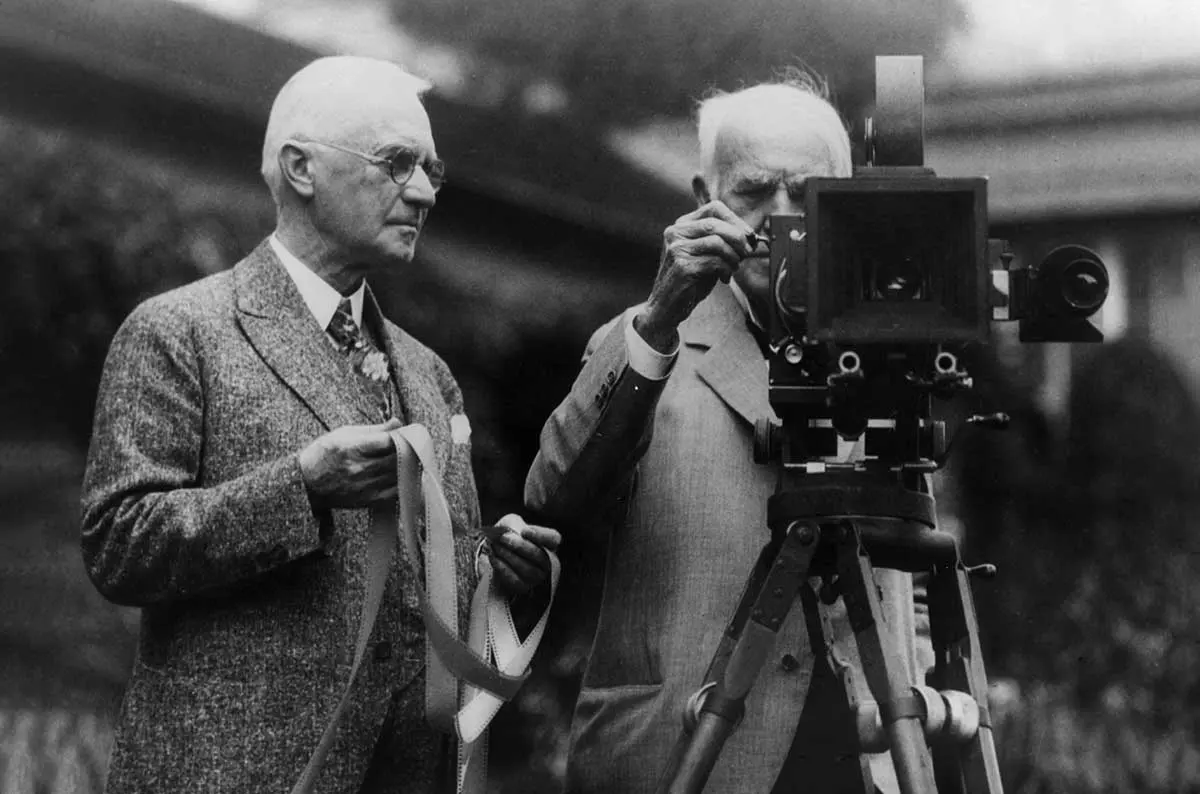
Edwin Land, an American scientist and inventor, invented the Polaroid camera. He unveiled the first instant camera, the Model 95, in 1948. Land’s breakthrough involved a complex chemical process that allowed a photograph to be developed and printed inside the camera within one minute, revolutionizing the way people captured and shared personal memories.
On this page
Who was Edwin Land?
Edwin Land was a brilliant physicist and entrepreneur who founded the Polaroid Corporation in 1937. He is best known for his pioneering work in light polarization, which he initially applied to create glare-reducing sunglasses and filters for cameras. However, his most famous invention was born from a simple question asked by his young daughter during a vacation in 1943: why could she not see the photograph he had just taken of her immediately? This curiosity sparked years of intensive research into chemical photography.
Land was a quintessential innovator who held over 500 patents during his lifetime, second only to Thomas Edison at the time. He approached invention with a philosophy that combined rigorous scientific inquiry with a deep understanding of human needs. By the time he introduced the instant camera, he had already established Polaroid as a leader in optical technology. His ability to synthesize complex chemistry with mechanical engineering made the impossible task of instant development a reality for everyday consumers.
How does instant film work?
The magic of a Polaroid photograph lies in a sophisticated chemical sandwich hidden within the film pack. When you press the shutter, the camera ejects the film through a pair of rollers. These rollers perform a critical mechanical action that is essential for the development process to begin:
- They break a small pod of chemical reagent located at the bottom of the film frame.
- The pressure spreads this reagent evenly across the surface of the negative and the positive sheet.
- The chemicals react to create a dye image that transfers from the negative to the positive layer.
This process happens in the dark, shielded from light by the opaque layers of the film. As the image emerges, the chemicals stabilize the reaction to prevent overexposure. Understanding this mechanism helps users appreciate why the film is sensitive to temperature and handling. If the rollers are dirty or the chemicals do not spread evenly, the resulting image will often show streaks, spots, or empty patches where the development failed to occur correctly.
How to use a vintage Polaroid camera
Operating a vintage Polaroid camera requires a different approach than using modern digital devices. Because these cameras rely on light meters and manual settings, you must be deliberate with your actions to ensure a successful shot. Follow these steps to get the best results:
- Ensure the camera is clean, especially the rollers, which should be wiped with a damp cloth to remove dried chemical residue.
- Check your lighting conditions, as vintage models perform best in bright, natural sunlight.
- Frame your subject carefully, keeping in mind that older viewfinders may not perfectly align with the actual lens perspective.
- Keep the film at a moderate room temperature, as extreme heat or cold can ruin the chemical reaction.
Avoid shaking the photo as it develops. Contrary to popular belief, shaking does not speed up the process and can actually damage the delicate chemical layers before they have fully set. Simply place the photo face down on a flat surface and let it develop naturally in the light.
Common mistakes when using instant cameras
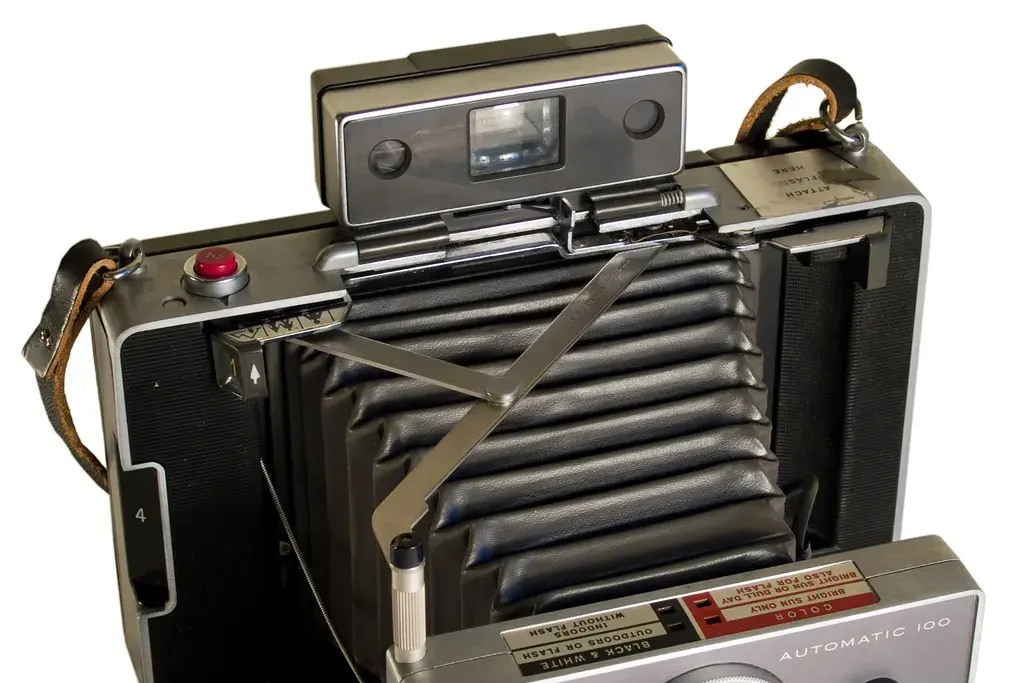
One of the most frequent errors users make is failing to account for the camera's sensitivity to light. Many vintage models lack sophisticated internal light meters, meaning they can easily overexpose in bright sun or underexpose in dim interiors. Always use the "lighten/darken" wheel on the front of the camera to adjust exposure based on your environment. If you are shooting indoors, you must use a flash, or the image will likely be a dark, unusable blur.
Another common mistake involves improper film storage. Polaroid film contains active chemistry that degrades over time, especially if stored in high temperatures. Always keep your film packs in a cool, dry place, such as a refrigerator, but never the freezer. If you use expired film, expect shifted colors, strange chemical artifacts, or a complete failure of the image to appear. Checking the expiration date on the film box is a simple habit that prevents the frustration of wasting expensive film on shots that will never materialize.
Why did Polaroid become so popular?
Polaroid cameras transformed photography from a delayed, professional process into an immediate social experience. Before Land's invention, photographers had to wait days or weeks for film to be developed at a lab. Polaroid provided instant gratification, allowing people to document weddings, parties, and family milestones with the ability to see the result before the event ended. This immediacy fostered a sense of connection and spontaneity that digital photography later adopted but could not replicate in the physical sense.
The cultural impact of the Polaroid camera extended far beyond casual snapshots. Artists and fashion photographers embraced the medium for its unique aesthetic, characterized by soft focus, vibrant colors, and the tactile nature of a physical print. Even in the digital age, the brand remains a symbol of authenticity and tangible memory. By bridging the gap between scientific complexity and artistic expression, Edwin Land ensured that his invention would remain a beloved tool for generations of creators who value the permanence of a printed image.
Key facts
- Edwin Land invented the first instant camera, the Polaroid Model 95, which he demonstrated in 1947.
- The original process required the user to peel apart a negative and a positive print after 60 seconds.
- Color film for Polaroid cameras was not introduced until 1963, 15 years after the initial black-and-white launch.
- To avoid blurry photos, ensure your subject is at least three feet away from the lens, as most vintage models have fixed focus.
- Always store unused film in a cool, dark place to prevent the chemical pods from drying out or reacting prematurely.
- Never shake a developing Polaroid photo, as this can cause the chemicals to distribute unevenly and damage the image.
The bottom line
Edwin Land revolutionized photography in 1947 by inventing the Polaroid camera, an innovation that allowed users to see their images almost instantly. While the technology evolved from messy peel-apart prints to the seamless self-developing film of the SX-70 era, the core appeal remains the tactile, immediate nature of the medium. Today, the enduring popularity of instant film continues to inspire both hobbyists and professional photographers worldwide.
People also ask
How did the original Polaroid camera work?
The camera contained a roll of film with a pod of developing chemicals attached to each frame. When the user pulled the film out, rollers crushed the pod, spreading the chemicals across the negative and positive layers to create an image.
When did Polaroid stop making instant film?
Polaroid Corporation filed for bankruptcy in 2001 and eventually ceased all production of original film by 2008. The brand was later revived by the Impossible Project, which now produces film compatible with vintage Polaroid cameras.
What was the most famous Polaroid camera model?
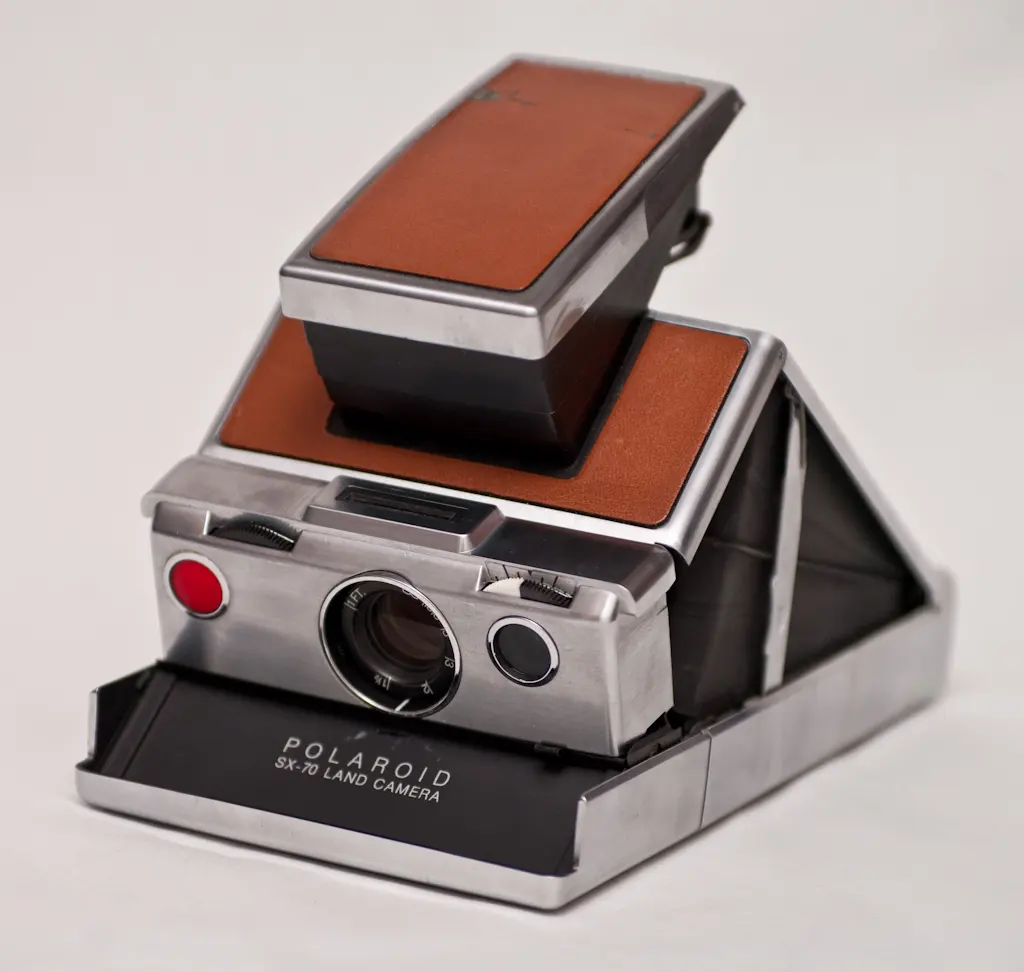
The Polaroid SX-70, released in 1972, is widely considered the most iconic model. It was the first fully folding single-lens reflex camera that ejected the photo automatically, allowing it to develop in the light.
Can you use modern film in an old Polaroid camera?
Yes, provided you purchase film specifically designed for that camera's series, such as 600-type or SX-70 film. Always check the camera's model number inside the film door before buying supplies.
Why do Polaroid photos have a white border?
The iconic white border was originally a functional necessity to house the chemical pod and the rollers that spread the developer. It eventually became a signature aesthetic element of the brand's identity.
Are vintage Polaroid cameras still valuable?
Many vintage models remain highly collectible, especially those in working condition or with unique designs. Their value depends on the rarity of the model and the current demand among analog photography enthusiasts.
This answer was created with the help of AI research tools and reference sources. Spotted an error? Let us know — we correct mistakes quickly. See our editorial policy.