Is a DSLR better than a phone camera?
Short answer
DSLRs are not inherently better than phone cameras; they serve different purposes. DSLRs offer superior image quality, interchangeable lenses, and manual control for professional work. Phone cameras provide unmatched portability, ease of use, and instant sharing. The best choice depends on whether you prioritize creative flexibility or convenience in your daily photography.
On this page
Why do professional photographers use DSLRs?
DSLR cameras utilize large physical sensors, typically APS-C or full-frame, which capture significantly more light than the tiny sensors found in smartphones. This physical advantage results in better dynamic range, improved performance in low-light conditions, and less digital noise. Because these cameras allow for interchangeable lenses, photographers can select specific optics for portraits, landscapes, or sports, providing a level of optical versatility that fixed phone lenses cannot match.
The mechanical nature of a DSLR also provides a tactile experience that many professionals prefer. The physical shutter, dedicated dials for aperture and shutter speed, and an optical viewfinder allow for precise adjustments without navigating through digital menus. This hardware-first approach ensures that the photographer remains in total control of the exposure triangle. While phones have become increasingly capable, they still struggle to replicate the natural background blur, or bokeh, produced by a high-quality prime lens on a large-sensor camera.
How do modern phone cameras compare?
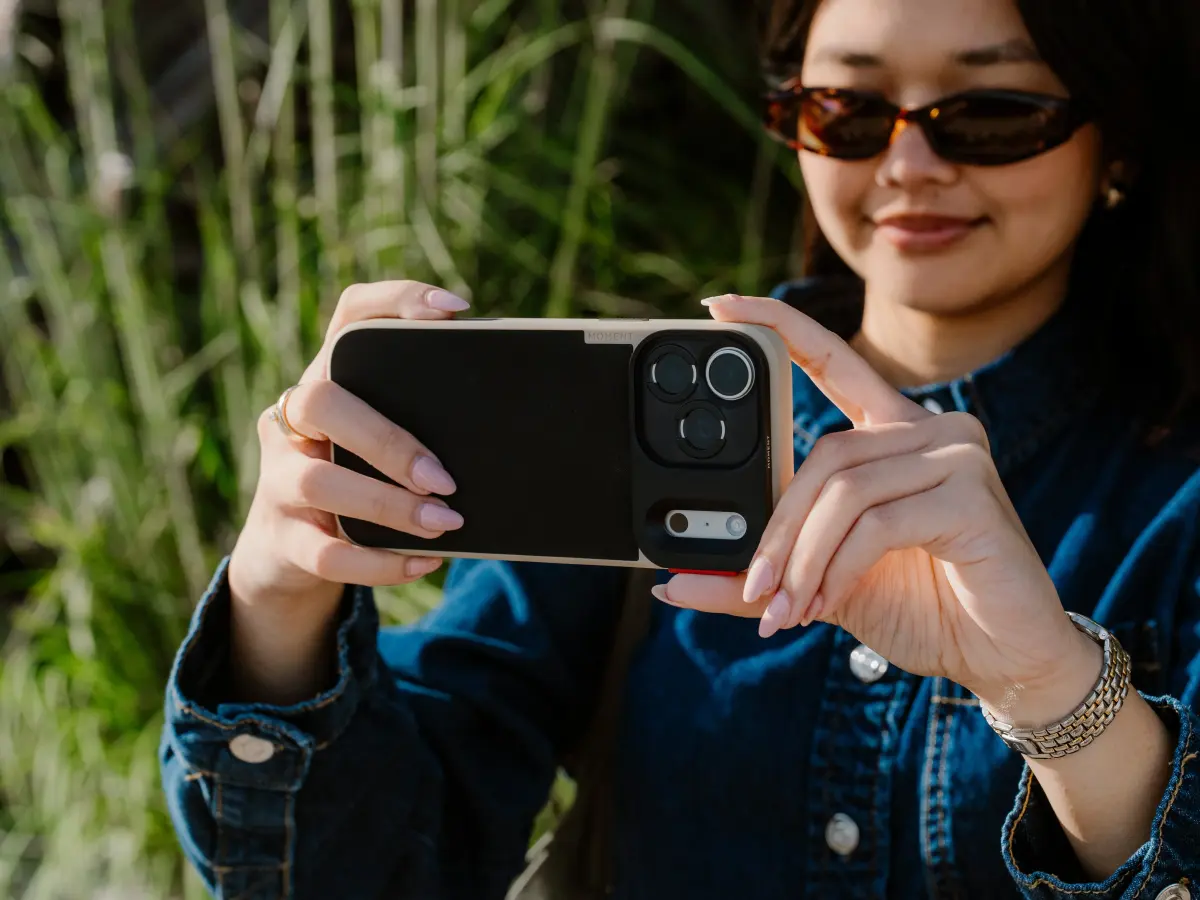
Modern smartphones have revolutionized casual photography through computational power and sophisticated software. By capturing multiple frames simultaneously and merging them, phones can produce images with high dynamic range and sharp details that often rival entry-level dedicated cameras. The convenience of having a high-quality camera in your pocket at all times means you are more likely to capture spontaneous moments that you might otherwise miss if you had to carry a bulky DSLR.
Most flagship phones now include multiple focal lengths, such as ultra-wide, wide, and telephoto lenses, which are integrated seamlessly into the device. This multi-lens system offers a wide range of creative possibilities without the need to carry a camera bag. Furthermore, the ability to edit and share photos instantly via social media applications makes the phone an essential tool for digital content creators. For the vast majority of users, the quality provided by a current-generation smartphone is more than sufficient for prints, social media, and personal archives.
Which camera is better for beginners?
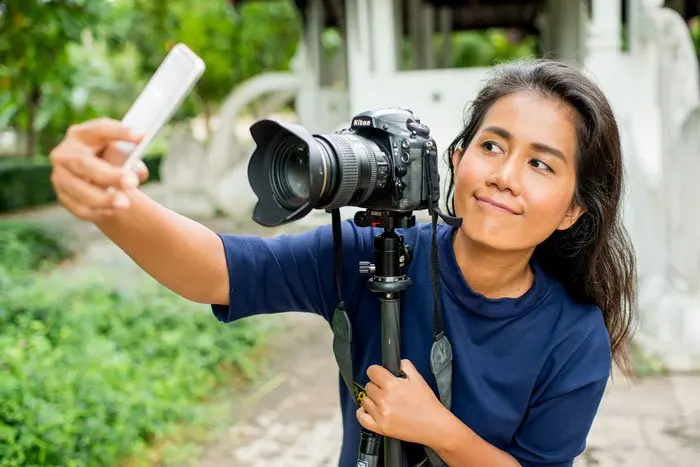
Deciding between a DSLR and a phone depends on your specific goals as a photographer. If you want to learn the fundamentals of photography, such as how shutter speed and aperture affect your final image, a DSLR is an excellent educational tool. It forces you to understand the mechanics of light and composition, which provides a stronger foundation for long-term growth.
- Choose a DSLR if you plan to print large images or shoot in challenging lighting.
- Choose a smartphone if you prioritize ease of use and instant connectivity.
- Consider a mirrorless camera as a middle ground, offering DSLR-like quality in a smaller, more modern body.
Common mistakes beginners make include buying expensive gear before learning exposure basics or assuming that a larger camera automatically guarantees better photos. It is often better to master the device you currently own before investing in professional-grade equipment that may be unnecessarily complex for your needs.
How to improve your photography skills
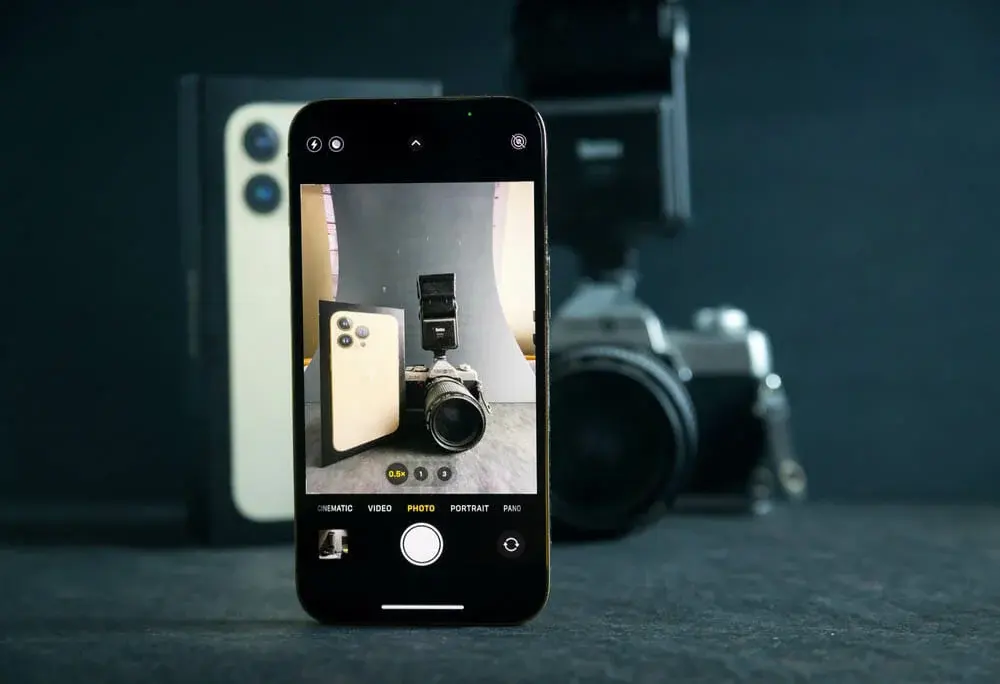
Regardless of the device you choose, improving your photography requires a focus on composition and lighting rather than hardware specifications. Learn the rule of thirds to create balanced images and pay attention to the direction of light, as it defines the mood and texture of your subject. Practice shooting at different times of the day, such as the "golden hour" shortly after sunrise or before sunset, to see how natural light changes the quality of your photographs.
- Use a tripod to stabilize your camera for long exposures or low-light shots.
- Keep your lens clean to prevent smudges and flare.
- Experiment with different angles to find unique perspectives.
- Learn basic editing techniques to enhance contrast and color balance.
If you are using a phone, avoid using the digital zoom, which significantly reduces image quality. Instead, physically move closer to your subject to maintain the full resolution of the camera sensor.
What are the common mistakes when choosing a camera?
A frequent error is prioritizing megapixel count over sensor size or lens quality. Many consumers believe that a higher number of megapixels equates to a better camera, but this is a misconception. A larger sensor with fewer megapixels will often produce cleaner, more vibrant images than a tiny sensor packed with a high number of pixels. Another mistake is failing to consider the long-term cost of ownership, as DSLRs require investments in lenses, batteries, and storage accessories.
Conversely, some people underestimate the limitations of phone cameras, such as their inability to perform well in extreme telephoto situations or their reliance on software processing that can sometimes look unnatural. Before making a purchase, identify your primary subject matter. If you are interested in wildlife or sports, the reach and speed of a DSLR are essential. If your goal is travel documentation or lifestyle photography, the portability of a phone is likely the superior choice. Always research the specific model's performance in your intended use case to ensure your investment aligns with your creative expectations.
Key facts
- DSLRs use physical sensors up to 15 times larger than those found in standard smartphones, allowing for superior light capture and dynamic range.
- Interchangeable lenses on a DSLR provide true optical zoom and specific focal lengths, whereas most phone "zoom" is digital cropping that reduces image quality.
- A DSLR’s mechanical shutter and dedicated autofocus system track fast-moving subjects with significantly less lag than electronic phone shutters.
- Smartphones rely on computational processing to mimic shallow depth of field (bokeh), which often creates edge-detection errors around hair or glasses.
- DSLRs offer full manual control over aperture, shutter speed, and ISO, giving photographers absolute creative authority over the final exposure.
- Smartphones are superior for immediate sharing and portability, as they integrate shooting, editing, and connectivity into a single pocket-sized device.
The bottom line
The choice between a DSLR and a phone depends on your goals. Choose a DSLR if you seek to master manual exposure, require professional-grade optical zoom, or intend to print large photos. Conversely, stick with a smartphone if your priority is portability, ease of use, and instant sharing. Most casual users find that the convenience of a phone outweighs the technical advantages of a dedicated camera.
People also ask
Does a higher megapixel count make a camera better?
Megapixels determine the size of an image, not its quality. Larger physical sensors and high-quality glass lenses are more important for clarity, color accuracy, and low-light performance than pixel density alone.
Why do professional photographers still use DSLRs?
Professionals prefer DSLRs for their reliability, long battery life, and the ability to swap lenses for specific tasks like wildlife or portrait photography. They also appreciate the tactile feel of physical dials and the optical viewfinder for real-time composition.
Can a phone take professional-quality photos?
Modern phones are capable of producing professional-grade images in well-lit conditions for web use or small prints. However, they struggle in challenging lighting or when large-format printing is required due to sensor limitations.
What is the main disadvantage of a DSLR?
The primary drawbacks are size, weight, and the learning curve required to master manual settings. Carrying a camera body and multiple lenses requires a dedicated bag and significantly more physical effort than carrying a phone.
How do I choose between a DSLR and a mirrorless camera?
Mirrorless cameras are the modern successor to DSLRs, offering smaller bodies and electronic viewfinders that show exactly how the exposure will look before you click. DSLRs are often more affordable on the used market and have longer-lasting batteries.
Is it worth buying a DSLR in 2026?
Buying a DSLR is worth it if you want to learn the fundamentals of photography or need specific lenses for specialized work. If you prioritize convenience and social media sharing, a high-end smartphone remains the more practical choice.
This answer was created with the help of AI research tools and reference sources. Spotted an error? Let us know — we correct mistakes quickly. See our editorial policy.