How do you photograph wildlife?
Short answer
Photographing wildlife requires patience, specialized gear, and a deep understanding of animal behavior. Success depends on choosing the right location, using a telephoto lens to maintain distance, and mastering camera settings like high shutter speeds to freeze motion. Ethical practices, such as minimizing disturbance, are essential for both the photographer and animals.
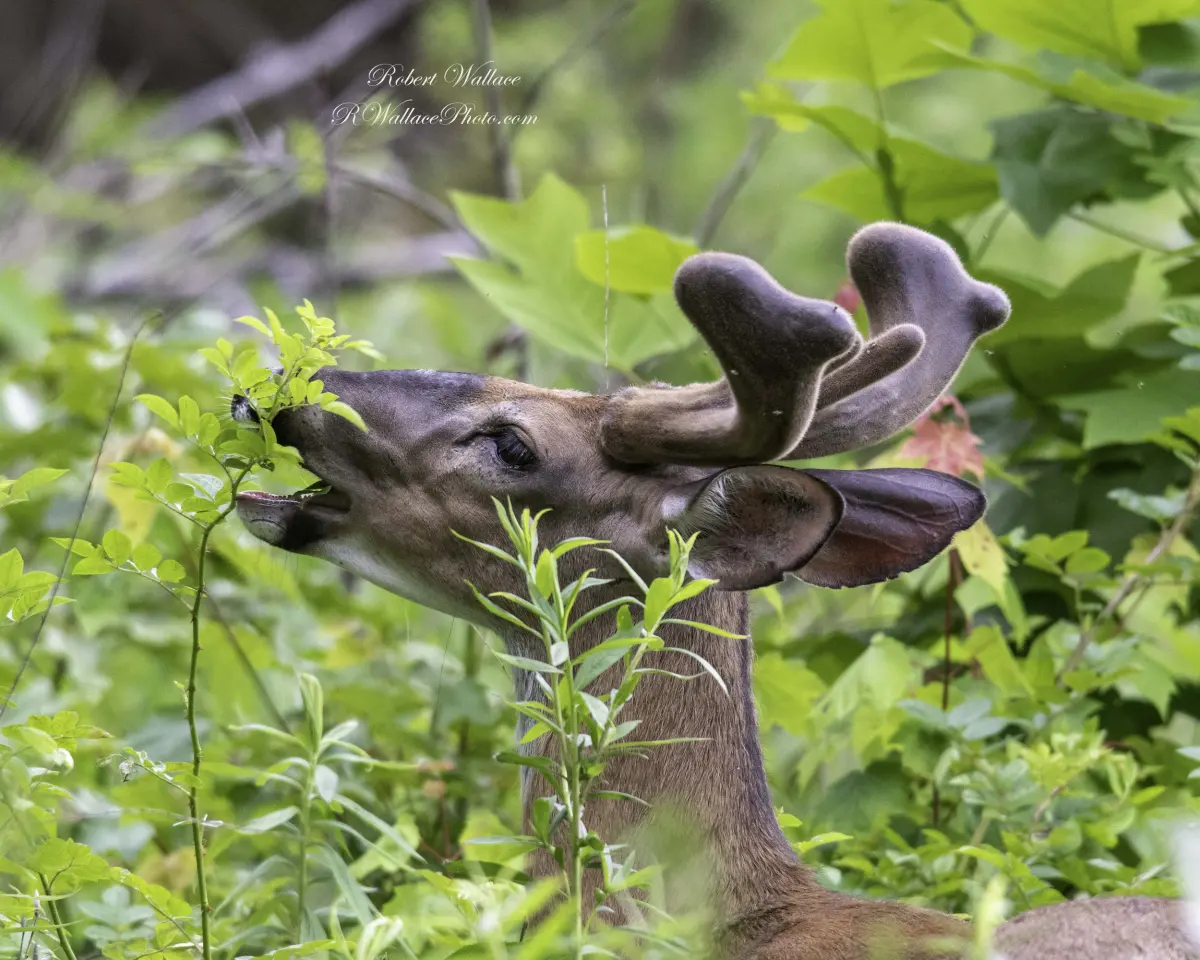
On this page
What gear do I need for wildlife photography?
To capture high-quality images of animals, you need equipment that allows you to work from a distance. The most critical component is a telephoto lens, typically ranging from 300mm to 600mm. A longer focal length enables you to fill the frame with small or skittish subjects without encroaching on their space. You should also prioritize a camera body with a fast burst rate, capable of capturing at least 10 frames per second to ensure you do not miss fleeting moments of action.
Stability is equally important when using heavy telephoto lenses. A sturdy tripod or monopod prevents camera shake, which is often magnified at high zoom levels. If you are shooting in low light, such as during dawn or dusk when animals are most active, a camera with excellent high-ISO performance is necessary to maintain image clarity.
- Telephoto lens (300mm minimum)
- Sturdy tripod or gimbal head
- Weather-sealed camera body
- Extra batteries and memory cards
- Camouflage or neutral-toned clothing
How to find the best wildlife subjects?
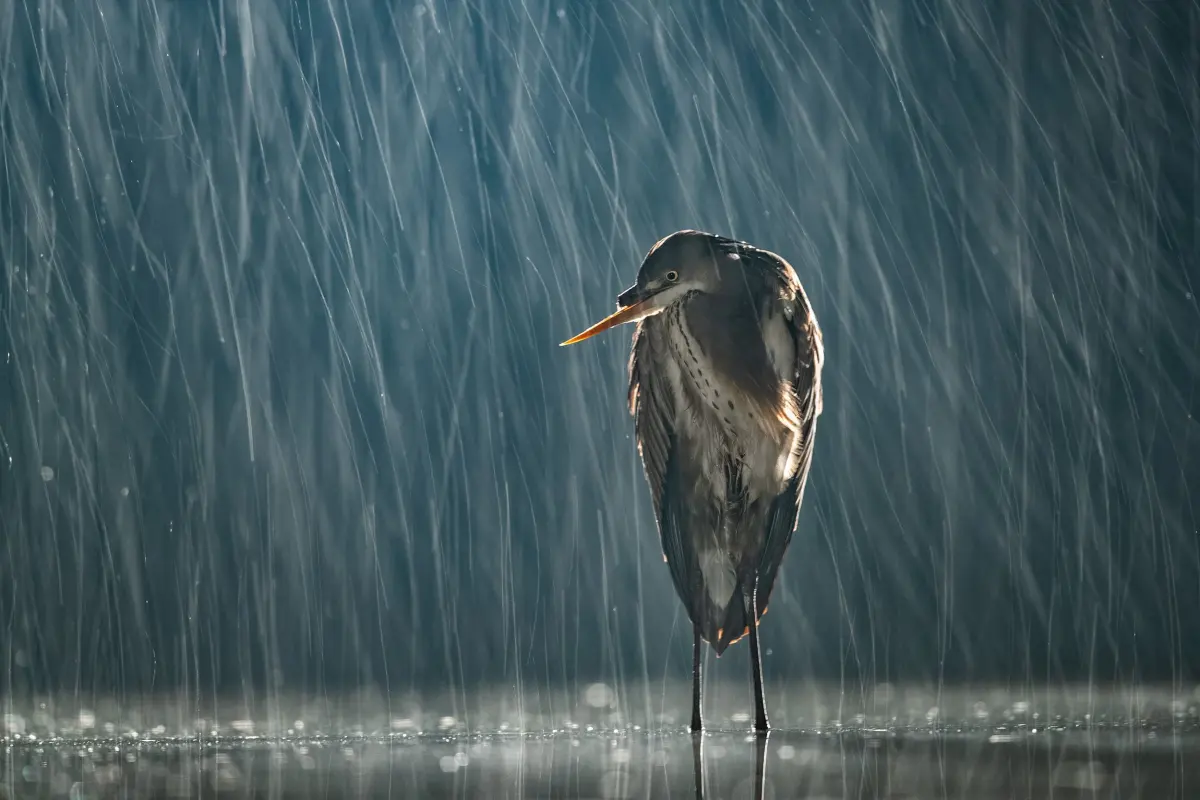
Finding wildlife is less about luck and more about preparation and research. Before heading out, study the habitats, migration patterns, and feeding habits of your target species. Local parks, nature reserves, and national forests are excellent starting points. Use resources like eBird or local naturalist forums to identify recent sightings, which significantly increases your chances of finding specific animals in a particular area.
Once you are in the field, look for signs of life such as tracks, scat, or discarded food. Dawn and dusk, known as the "golden hours," are the most productive times for photography because many animals are most active during these periods. Patience is your greatest tool; find a spot with good visibility, settle in, and remain as still as possible to let the environment return to its natural state around you.
- Research the animal's behavior and seasonal patterns.
- Scout locations during quiet hours to identify animal trails.
- Arrive at your chosen spot well before sunrise or sunset.
- Set up your equipment silently and minimize movement.
- Wait quietly for the wildlife to enter your frame.
What are the best camera settings for wildlife?
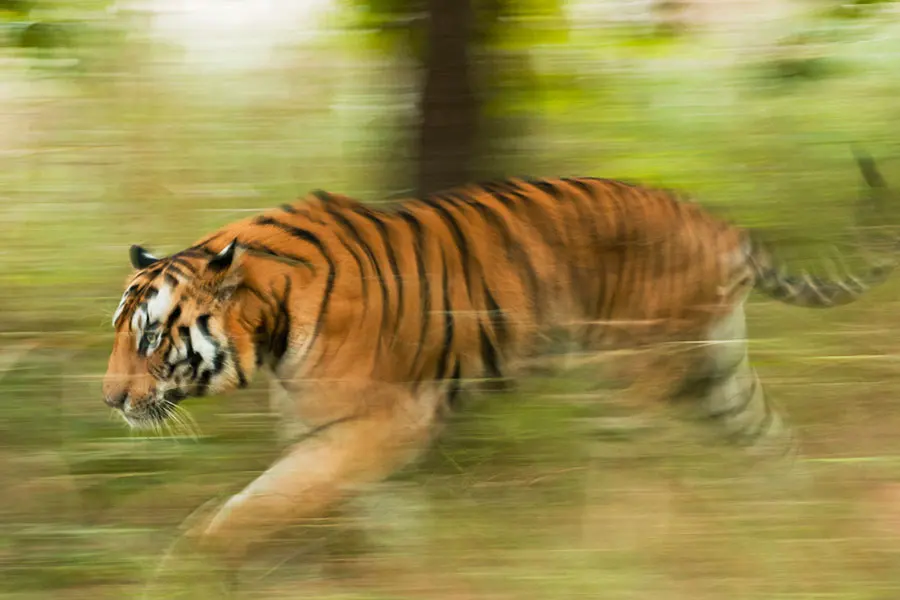
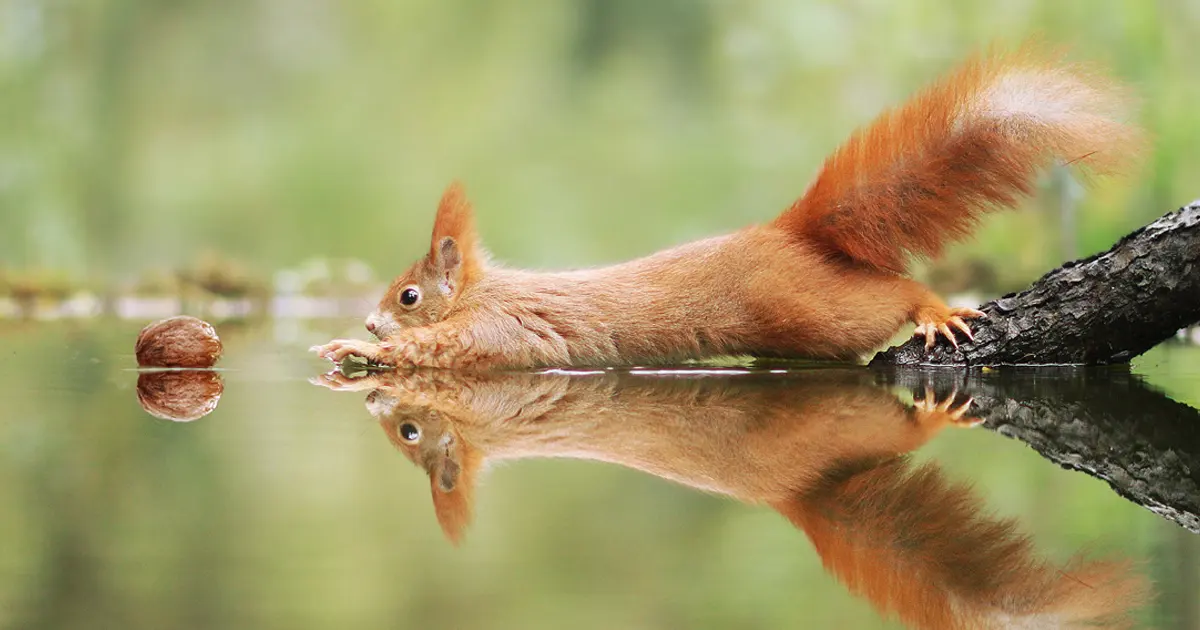
Wildlife photography demands fast shutter speeds to eliminate blur caused by animal movement or camera shake. Aim for a shutter speed of at least 1/1000th of a second for birds in flight, while 1/500th may suffice for resting mammals. To achieve these speeds in various lighting conditions, use "Shutter Priority" mode or manual mode, adjusting your ISO as needed to keep the exposure balanced.
Focusing is another technical hurdle. Use your camera’s continuous autofocus (AF-C or AI-Servo) mode to track moving subjects. Many modern cameras feature animal eye-detection autofocus, which is highly effective at locking onto the subject's face. Keep your aperture wide, such as f/2.8 or f/4, to create a shallow depth of field; this helps isolate the animal from a busy or distracting background, making the subject stand out more effectively in the final composition.
Common mistakes when photographing wildlife?
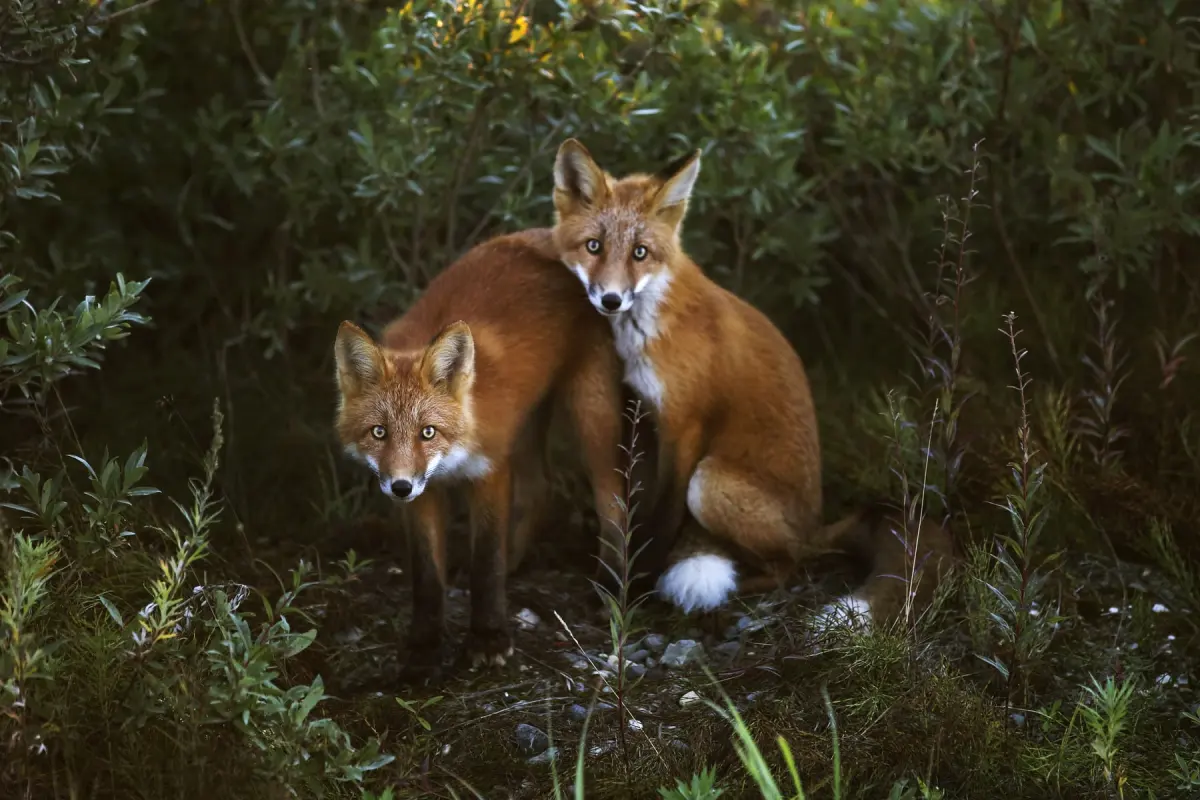
One of the most frequent errors is failing to prioritize the animal's welfare. Getting too close causes stress, which can lead to animals abandoning their young or fleeing their habitat. Always maintain a respectful distance and use your lens to bridge the gap. Another mistake is ignoring the background; a beautiful animal can be ruined by a cluttered or distracting environment. Move slightly to the left or right to find a cleaner, more natural backdrop that complements the subject.
Many beginners also neglect to focus on the eyes. In portrait photography, the eyes are the focal point of the image; if they are soft or out of focus, the entire photograph often feels unsuccessful. Check your focus constantly and ensure your shutter speed is fast enough to compensate for any sudden movements. Finally, do not overlook the importance of composition. Avoid placing the animal dead-center every time; use the rule of thirds to create a more dynamic and professional-looking image.
How to ethically photograph wildlife?
Ethical wildlife photography centers on the principle of "do no harm." Never bait animals with food to lure them closer, as this can alter their natural behavior and make them dependent on humans. Avoid using flash, especially with nocturnal animals, as it can startle them or temporarily blind them in low-light conditions. If you notice an animal showing signs of agitation, such as pacing, vocalizing, or moving away, it is time to back off immediately.
Respecting the environment is also vital. Stay on marked trails to protect sensitive vegetation and nesting sites. By practicing "Leave No Trace" principles, you ensure that the habitat remains intact for the animals and for future photographers. Ultimately, the best wildlife images are those captured when the photographer is a silent, invisible observer. By prioritizing the well-being of the wildlife, you not only improve your chances of capturing authentic behavior but also contribute to the conservation of the species you are documenting.
Key facts
- Use a shutter speed of at least 1/1000th of a second to freeze fast-moving animals.
- Position your focus point directly on the animal's eye to ensure the subject is sharp.
- Research the specific behavior and habitat of your subject before heading into the field.
- Wear neutral-colored clothing to blend into the environment and avoid startling wildlife.
- Approach animals slowly and maintain a respectful distance to prevent causing them stress.
- Shoot during the "golden hour," shortly after sunrise or before sunset, for soft, flattering light.
The bottom line
Successful wildlife photography requires a blend of technical proficiency and immense patience. By mastering your camera settings, such as shutter speed and focus tracking, you can capture crisp, evocative images. However, the most vital skill is understanding animal behavior and respecting their space. When you prioritize the well-being of your subject and wait for the right moment, you will consistently produce compelling and authentic wildlife portraits.
People also ask
What is the best lens for wildlife photography?
A telephoto lens with a focal length of at least 300mm is generally required to capture distant subjects. Prime lenses offer superior sharpness, while zoom lenses provide the flexibility needed to frame unpredictable movements.
Should I use a tripod for wildlife shots?
A tripod or monopod is essential when using heavy telephoto lenses to eliminate camera shake. It also provides stability during long periods of waiting for an animal to appear.
How do I handle low-light conditions?
Increase your ISO setting to allow for faster shutter speeds, though be mindful of digital noise. Using a lens with a wide maximum aperture, such as f/2.8, also helps gather more light.
Is it better to shoot in RAW or JPEG?
Always shoot in RAW format to retain maximum image data. This allows for significantly more flexibility when adjusting exposure, shadows, and white balance during post-processing.
How can I prevent scaring away wildlife?
Move slowly, avoid sudden gestures, and keep your voice low or silent. Using a blind or hiding behind natural cover helps you remain undetected by sensitive animals.
What is the most common mistake beginners make?
Many beginners try to get too close, which causes the animal to flee or behave unnaturally. It is better to use a longer lens and maintain a respectful distance from the subject.
This answer was created with the help of AI research tools and reference sources. Spotted an error? Let us know — we correct mistakes quickly. See our editorial policy.