What is a photo book?
Short answer
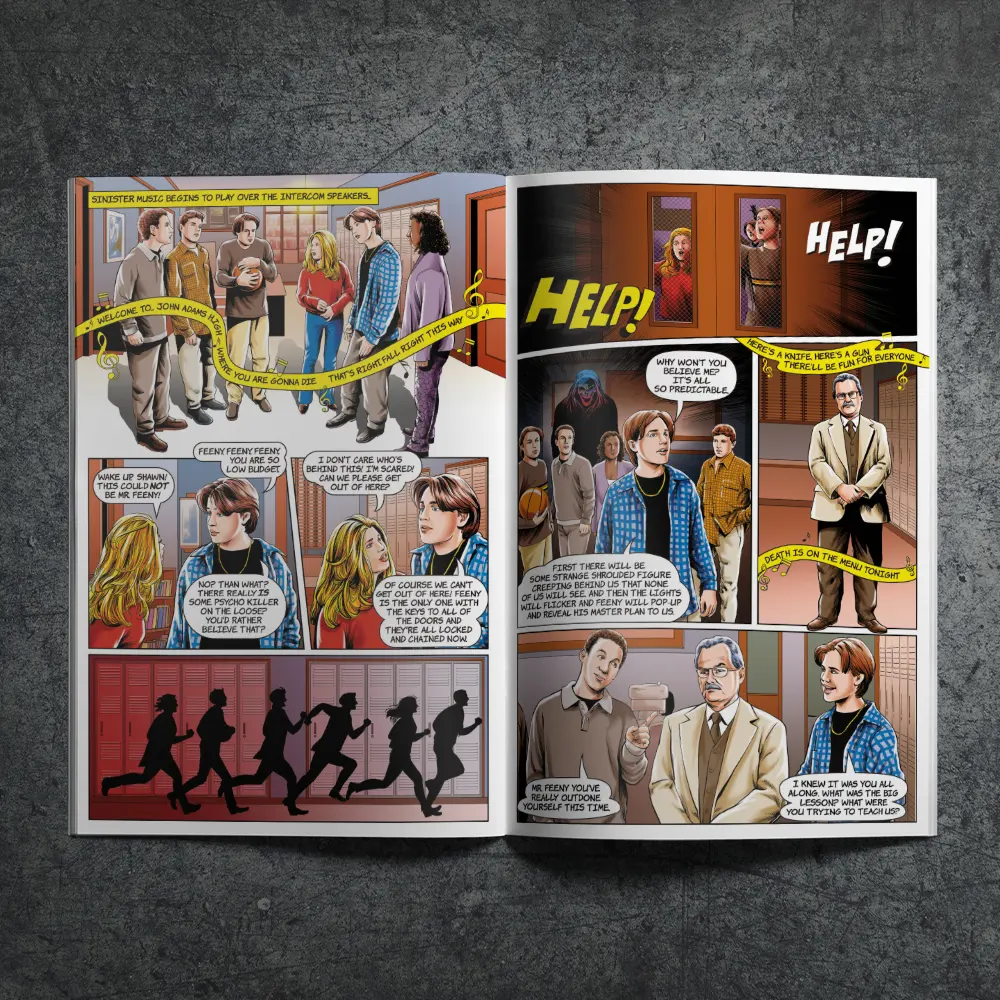
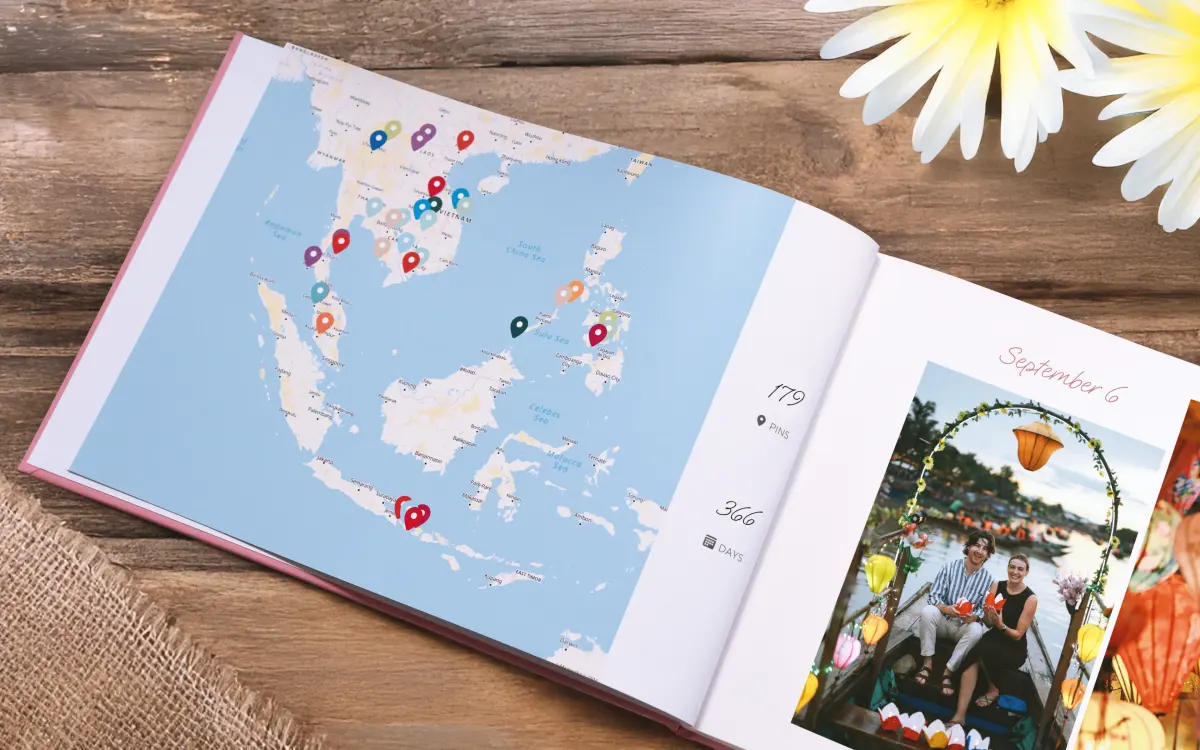
A photo book is a professionally printed, bound volume that displays personal photographs in a curated, book-like format. Unlike traditional scrapbooks, these are digitally designed and printed on high-quality paper using industrial presses. They serve as permanent, high-definition archives for memories, ranging from wedding albums and travel journals to family yearbooks.
On this page
How do photo books work?
Photo books are created through a digital workflow that bridges personal photography and commercial printing. Users typically upload their digital image files to a web-based platform or dedicated software provided by a printing company. Within this interface, they arrange photos onto virtual pages, add text captions, and select background designs or themes. Once the layout is finalized, the digital file is sent to a production facility where it is printed using advanced inkjet or liquid electrophotography technology.
The final product is then bound using various methods, such as perfect binding, lay-flat binding, or traditional Smyth-sewn techniques. This process transforms loose digital files into a physical object that mimics the quality of a bookstore publication. Modern photo books offer a wide array of customization options, including different paper finishes like matte, glossy, or lustre, and various cover materials such as linen, leather, or custom-printed hardcovers.
Best photo book services for beginners
For those new to the process, selecting a service with an intuitive interface is the most critical step. Many companies offer "auto-fill" features that use basic algorithms to organize photos by date or folder, which saves significant time for large projects. Beginners should look for platforms that provide a wide selection of pre-designed templates, as these ensure a professional look without requiring graphic design expertise.
- Choose a service that offers a cloud-based editor to avoid losing progress.
- Select a template that matches the tone of your photos, such as minimalist for weddings or colorful for vacations.
- Use the auto-flow feature to place your images, then manually adjust the layout to highlight your favorite shots.
- Preview the book using the digital flip-through tool before checking out to catch any errors.
Popular services for beginners include Mixbook, Shutterfly, and Blurb, all of which provide extensive support and user-friendly drag-and-drop tools.
How much do photo books cost?
The price of a photo book varies significantly based on size, paper quality, page count, and cover type. A standard 8x8-inch softcover book can cost as little as $15 to $25, while a large, professional-grade 12x12-inch hardcover with premium lay-flat pages can exceed $150. Most services operate on a base price for a set number of pages, with additional fees applied for each extra page added beyond that limit.
- Softcover books: $15–$30 (best for casual projects or gifts).
- Standard Hardcover: $40–$70 (durable and classic).
- Premium Lay-flat Albums: $80–$200+ (ideal for weddings and high-end photography).
To manage costs, look for frequent promotional discounts offered by major printing companies, which often range from 20% to 50% off. Keep in mind that shipping costs and taxes are usually calculated at checkout, so verify the final total before finalizing your order to avoid unexpected expenses.

Common mistakes when making photo books
The most frequent error is neglecting image resolution, which leads to blurry or pixelated prints. Always ensure your photos meet the minimum resolution requirements—typically 300 dots per inch (DPI)—to guarantee sharpness. Another common mistake is overcrowding pages with too many images. A cluttered page distracts the eye and prevents the photos from telling a coherent story, so it is better to use fewer, well-chosen images per spread.
- Ignoring the "bleed" area, which causes important parts of a photo to be cut off during the binding process.
- Failing to proofread captions or dates, which can result in permanent typos in your printed book.
- Using low-quality smartphone screenshots instead of original high-resolution camera files.
- Over-editing photos with heavy filters that may look different on a backlit screen than they do on paper.
By keeping your layout clean and double-checking your image quality, you can avoid these pitfalls and ensure a high-quality result.
Why create a physical photo book?
In an era dominated by cloud storage and social media, physical photo books offer a tangible way to preserve history. Digital files are often forgotten in folders or lost when devices are upgraded, whereas a printed book serves as a permanent, accessible archive. These volumes are designed to last for decades, providing a tactile experience that a digital screen cannot replicate. They are particularly effective for documenting family heritage or significant life events, as they encourage people to sit together and share memories.
Beyond preservation, photo books are highly personal gifts that demonstrate time and effort. They turn a collection of scattered digital files into a thoughtful, curated narrative. Whether you are creating a simple record of a summer vacation or a comprehensive chronicle of a child's first year, the process of organizing your photos helps you appreciate the stories behind them. Ultimately, the value of a photo book lies in its ability to bring digital memories into the physical world, making them a permanent part of your home.
Key facts
- A photo book is a professionally printed collection of images bound into a book format, distinct from a traditional scrapbook or photo album.
- Modern photo books use digital printing technology, allowing for high-resolution images to be printed directly onto paper pages.
- Standard sizes range from small 5x7-inch pocket books to large 12x12-inch coffee table editions.
- Most photo books are created using specialized software or web-based platforms that allow users to drag and drop photos into pre-set layouts.
- Paper quality, such as matte, glossy, or lustre finishes, significantly impacts the durability and visual appearance of the final product.
- To avoid common errors, always use high-resolution files and check for "bleed" areas to ensure images reach the edge of the page without being cut off.
The bottom line
A photo book transforms your digital image collection into a tangible, professional-grade narrative. By choosing appropriate layouts, high-resolution files, and durable materials, you create a lasting keepsake that preserves memories more effectively than loose prints or digital folders. Whether for personal use or as a gift, these books offer a refined, organized way to display your photography while ensuring your most cherished moments remain protected for years.
People also ask
How does a photo book differ from a traditional photo album?
A traditional album requires you to physically slide or glue printed photos into sleeves or onto pages. A photo book is a single, cohesive printed item where the images are part of the page itself.
What is the average cost of creating a professional-quality photo book?
Prices typically range from $20 to over $100 depending on the size, page count, and cover material. Factors like hardcover versus softcover and premium paper upgrades also influence the final price.
How long does it take to design and receive a custom photo book?
Designing a book can take anywhere from a few hours to several weeks depending on your organizational skills. Once ordered, production and shipping usually take between 7 to 14 business days.
Can I include text in my photo book?
Yes, most platforms allow you to add captions, dates, or full stories alongside your images. This makes photo books ideal for documenting weddings, travel journals, or family histories.
What resolution should my photos be for a high-quality print?
Aim for images that are at least 300 dots per inch (DPI) at the size they will be printed. Lower resolution images may appear blurry or pixelated when enlarged on a full page.
Are photo books archival and resistant to fading?
Many modern printing services use archival-quality inks and acid-free paper to ensure longevity. Storing the book in a cool, dry place away from direct sunlight will further prevent fading over time.
This answer was created with the help of AI research tools and reference sources. Spotted an error? Let us know — we correct mistakes quickly. See our editorial policy.