What is cinematography?
Short answer
Cinematography is the art and science of recording motion pictures through the deliberate control of light, camera movement, and composition. It transforms a script into a visual narrative, using technical equipment and aesthetic choices to evoke specific emotions, establish atmosphere, and guide the audience’s attention throughout a film’s duration.
On this page
What does a cinematographer do?
A cinematographer, also known as a director of photography (DP), serves as the primary visual architect of a film. They collaborate closely with the director to translate the written screenplay into a cohesive visual language. While the director manages performances and narrative pacing, the cinematographer is responsible for every frame that appears on the screen, ensuring that the lighting, lens choice, and camera angles align with the film's thematic goals.
The role requires a unique balance of technical expertise and creative vision. A DP must understand the physics of light, the mechanics of camera sensors, and the emotional impact of color theory. They oversee the camera department, the lighting crew (gaffers), and the grip department. By managing these teams, they ensure that the technical execution of a scene supports the director’s artistic intent. Their work defines the "look" of a movie, from the gritty, high-contrast aesthetic of The French Connection (1971) to the lush, vibrant color palettes of In the Mood for Love (2000).
How to choose the right camera and lens
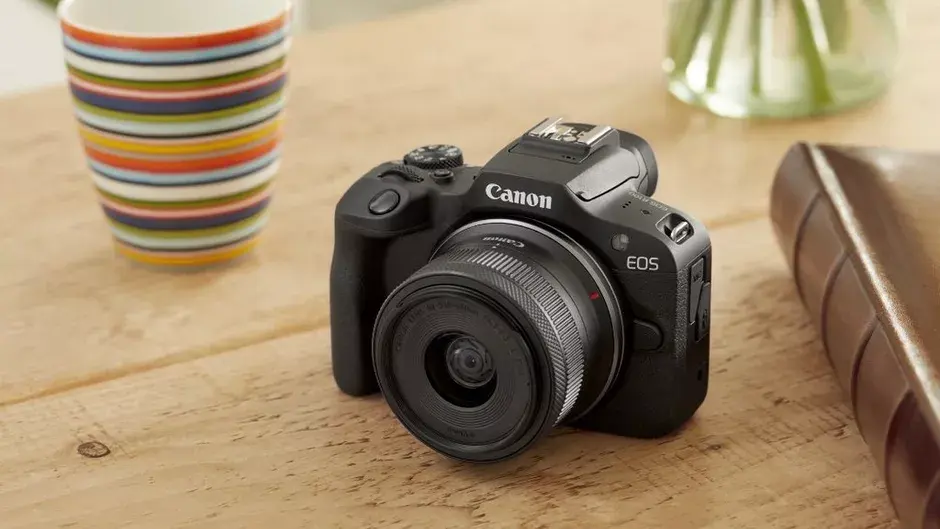
Selecting equipment is one of the most practical decisions a cinematographer makes. The choice of camera sensor size—such as Super 35mm or Full Frame—dictates the field of view and depth of field. Lenses are equally critical, as they determine how the audience perceives space and distance. A wide-angle lens (under 35mm) expands the environment, making spaces feel larger and more immersive, while a telephoto lens (over 85mm) compresses space, often isolating subjects from their background to draw focus to subtle facial expressions.
When selecting gear, consider these essential factors:
- Sensor dynamic range: High dynamic range allows for detail in both deep shadows and bright highlights.
- Lens aperture: A wider aperture (e.g., f/1.4) creates a shallow depth of field, which is ideal for isolating a subject.
- Form factor: The camera’s weight and size determine whether it can be used handheld or requires a complex rig like a Steadicam.
- Color science: Different manufacturers offer unique color signatures that affect skin tones and highlight rolloff.
How to use lighting for storytelling
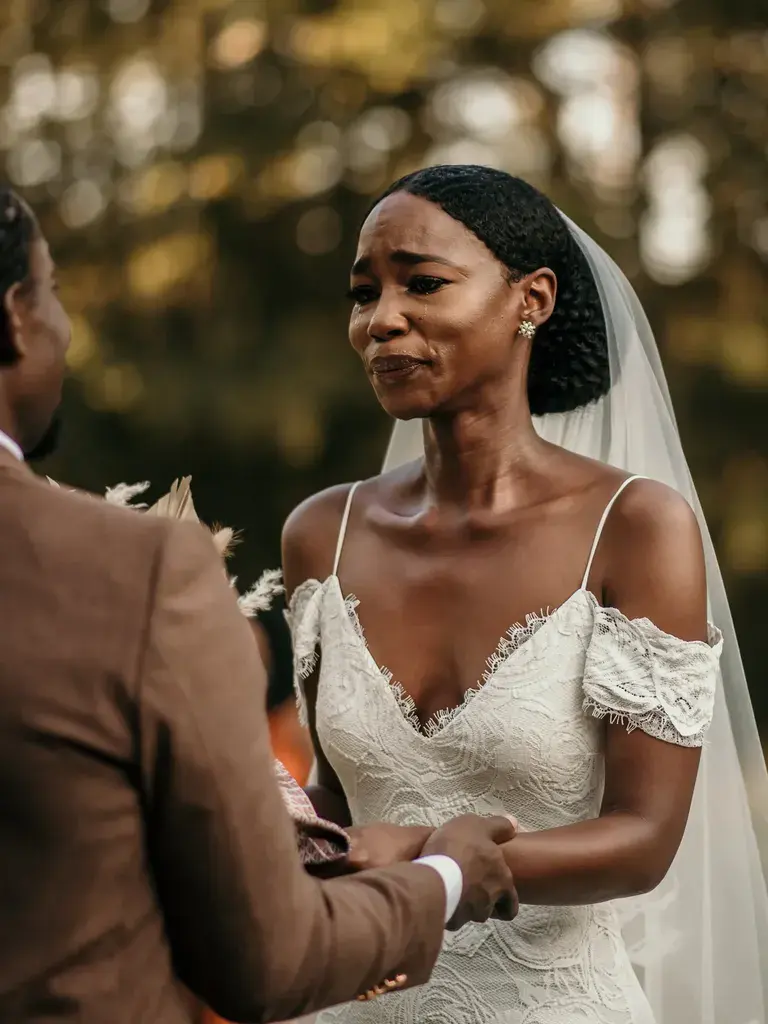
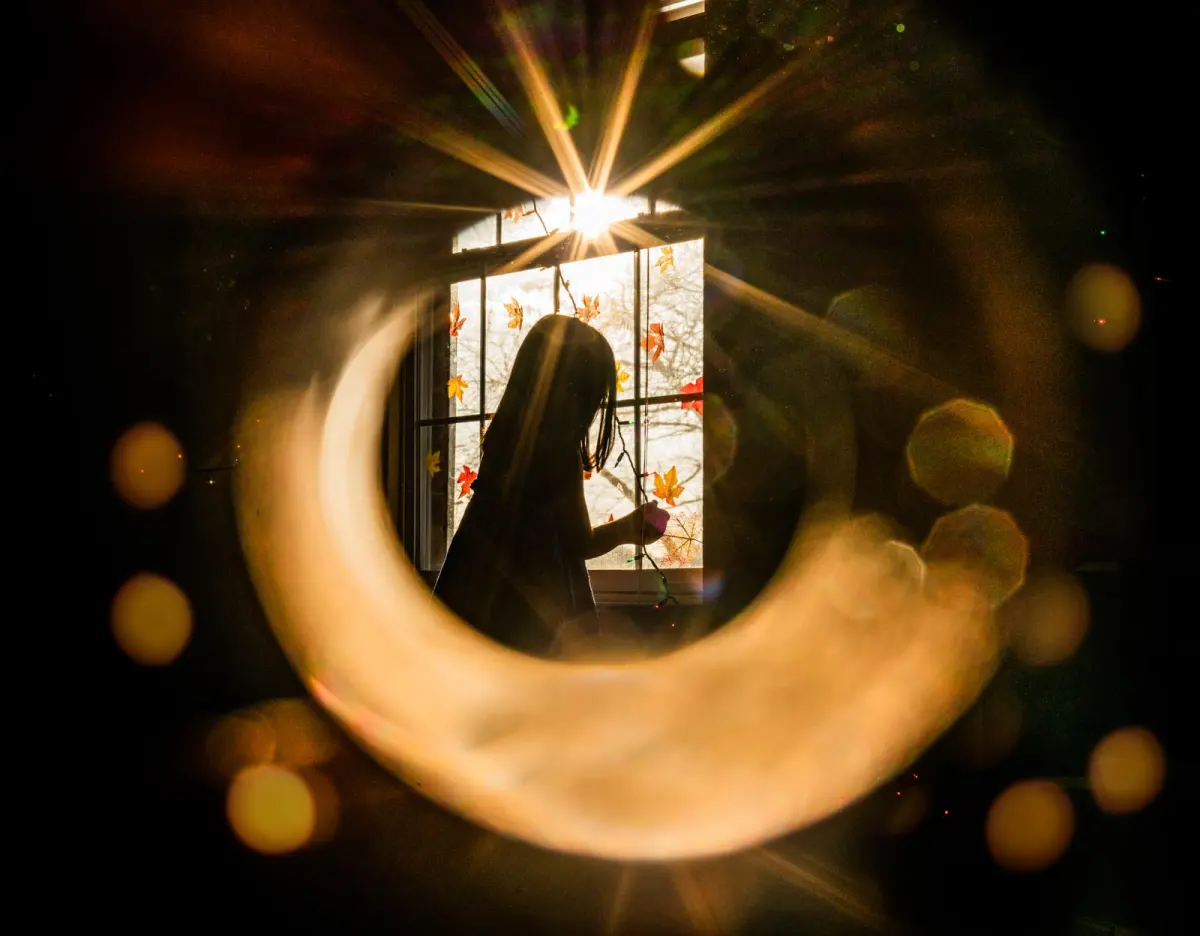
Lighting is the most powerful tool in a cinematographer’s arsenal for establishing mood and directing the viewer's eye. By manipulating the intensity, direction, and quality of light, a DP can turn a mundane location into a dramatic setting. Hard light, characterized by sharp shadows and high contrast, often creates a sense of tension or danger. Conversely, soft light—achieved through diffusion materials like silk or bounce boards—creates a flattering, gentle look often associated with romance or serenity.
To create a professional lighting setup, follow these steps:
- Define the key light: This is the primary source that illuminates the subject and establishes the exposure.
- Add a fill light: Use this to soften or eliminate shadows cast by the key light, controlling the contrast ratio.
- Place a backlight: Position this behind the subject to separate them from the background, adding depth and dimension to the frame.
- Utilize practicals: Incorporate lamps, neon signs, or candles already in the scene to ground the lighting in the environment.
Why camera movement matters
Camera movement is not merely about changing the view; it is a narrative device that dictates how the audience experiences a scene. A static shot can convey stability, stillness, or the feeling of being trapped. In contrast, a moving camera—whether through a dolly, a crane, or a handheld approach—creates a sense of energy, discovery, or urgency. The choice of movement should always be motivated by the story, reflecting a character's internal state or the physical progression of the plot.
Common types of camera movement include:
- Pan: The camera pivots horizontally on a fixed axis, often used to follow action or reveal new information.
- Tilt: The camera pivots vertically, which can emphasize the height of a character or the scale of an environment.
- Tracking: The camera physically follows a subject through space, creating an intimate, observational experience.
- Zoom: A change in focal length that draws the viewer’s attention to a specific detail without moving the camera body.
Common mistakes when filming
Even experienced cinematographers must avoid technical pitfalls that can distract from the narrative. One of the most frequent errors is inconsistent lighting across a scene, which occurs when the sun shifts or the lighting setup changes between shots. This breaks the audience's immersion. Another common mistake is failing to match the "eye line" of characters during dialogue, which can make it confusing for viewers to understand who is looking at whom. Proper preparation and meticulous note-taking on the set are the only ways to prevent these continuity issues.
Avoid these frequent errors to improve your production quality:
- Over-lighting: Adding too many lights can flatten the image, removing the natural shadows that give a frame depth.
- Ignoring white balance: Failing to calibrate the camera for the specific color temperature of the light source leads to unnatural skin tones.
- Neglecting composition: Placing every subject in the center of the frame creates a repetitive look; use the rule of thirds to create more dynamic balance.
- Unmotivated movement: Moving the camera without a narrative reason can make the audience feel dizzy or disconnected from the characters' emotional journey.
Key facts
- Cinematography is the art and science of recording light to tell a story on film or digital sensors.
- The cinematographer, or director of photography (DP), manages the camera, lighting, and lens choices to establish the visual mood.
- The "rule of thirds" is a fundamental composition technique where the frame is divided into a 3x3 grid to place subjects along the lines.
- Color temperature is measured in Kelvins; lower numbers (e.g., 3200K) appear warm/orange, while higher numbers (e.g., 5600K) appear cool/blue.
- Common mistakes include inconsistent white balance between shots and failing to use "practical" lights already present in a scene.
- A standard frame rate for cinema is 24 frames per second (fps), which provides the traditional "motion blur" associated with film.
The bottom line
Cinematography is the deliberate process of shaping light and composition to evoke emotion and narrative clarity. By mastering technical elements like aperture, focal length, and lighting ratios, a cinematographer transforms a script into a visual experience. Whether working on a small project or a major production, understanding how light interacts with the camera remains the most vital skill for anyone telling stories through moving pictures.
People also ask
What is the difference between a cinematographer and a director?
The director oversees the entire creative vision and performances, while the cinematographer focuses exclusively on the technical and artistic execution of the imagery. They collaborate closely to ensure the visual style supports the director's narrative goals.
How do lenses change the look of a film?
Focal length dictates the field of view and depth of field. Wide-angle lenses (under 35mm) capture more of a scene and exaggerate depth, whereas telephoto lenses (over 85mm) compress space and isolate the subject from the background.
What is three-point lighting?
This is a standard method using a key light for primary illumination, a fill light to soften shadows, and a backlight to separate the subject from the background. It provides a balanced, professional look for interviews and dramatic scenes.
Why is exposure important in cinematography?
Exposure determines how bright or dark an image appears by controlling the amount of light reaching the sensor. Proper exposure ensures that detail is preserved in both the brightest highlights and the darkest shadows of the frame.
What is the role of a camera operator?
The camera operator physically handles the camera and executes the movements during a take, such as pans, tilts, or tracking shots. They work under the direction of the cinematographer to achieve specific framing and motion.
How does frame rate affect the viewer's experience?
Standard 24fps creates a cinematic, fluid motion, while higher frame rates like 60fps or 120fps result in hyper-realistic movement. High frame rates are typically used to create slow-motion effects when played back at standard speeds.
This answer was created with the help of AI research tools and reference sources. Spotted an error? Let us know — we correct mistakes quickly. See our editorial policy.