What is the rule of thirds in photography?
Short answer
The rule of thirds is a foundational composition guideline in photography that suggests dividing an image into a three-by-three grid using two horizontal and two vertical lines. By placing key subjects or horizon lines along these intersections or grid lines, photographers create balanced, visually engaging images that naturally guide the viewer’s eye.
On this page
What is the rule of thirds in photography?
The rule of thirds is a compositional technique that involves mentally or digitally superimposing a grid of nine equal rectangles over an image. This grid is created by drawing two equally spaced horizontal lines and two equally spaced vertical lines. The four points where these lines intersect are known as power points, which are considered the most aesthetically pleasing locations for a subject.
This concept is rooted in the principles of balance and visual interest. By shifting the subject away from the dead center of the frame, photographers prevent images from feeling static or symmetrical. Instead, the technique encourages a more dynamic interaction between the subject and the surrounding space. It is a fundamental tool used by professionals and beginners alike to bring order to a scene and ensure that the viewer’s focus is directed exactly where the photographer intends.
How to use the rule of thirds effectively
Applying this technique requires a conscious effort to move away from the habit of centering every subject. Most modern digital cameras and smartphones offer an overlay feature in the settings menu that displays this grid directly on the viewfinder or screen. Using this tool simplifies the process of aligning your composition before you press the shutter button.
- Enable the grid overlay in your camera settings to visualize the lines.
- Identify the main subject or the most important element of your scene.
- Position that subject along one of the two vertical lines or at an intersection point.
- Align the horizon line with the top or bottom horizontal grid line rather than the center of the frame.
- Evaluate the negative space created on the opposite side to ensure the image feels balanced.
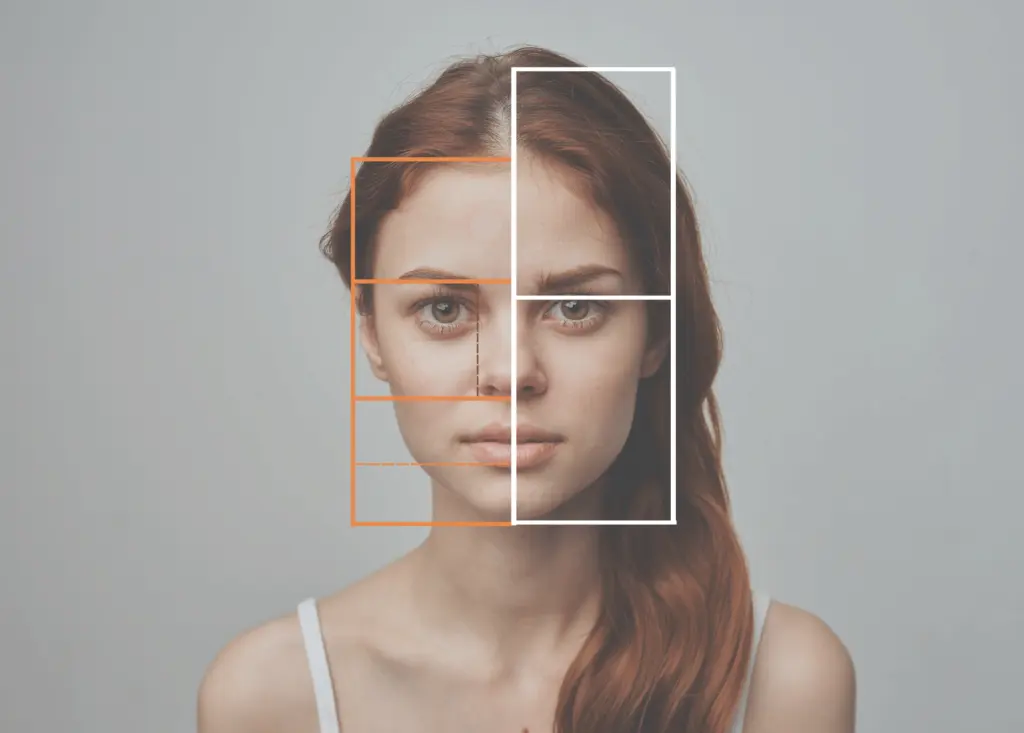
Following these steps helps create a sense of movement and depth. When photographing people, it is often best to align the eyes with the top horizontal line, as this creates a strong connection with the viewer.
Why the rule of thirds improves composition
The primary goal of the rule of thirds is to create a more natural flow for the viewer’s gaze. Human eyes are rarely drawn to the center of an image first; instead, they tend to scan the frame and gravitate toward the intersections of the grid. By placing a subject at these points, you create a stronger visual anchor that keeps the viewer engaged for longer periods.
Furthermore, the rule of thirds helps manage the relationship between the subject and the background. If you place a subject in the center, the background often feels like an afterthought or a distraction. When you shift the subject to one side, you naturally incorporate more of the environment, which adds context and storytelling elements to the photograph. This technique is particularly effective in landscape photography, where placing the horizon on the lower line emphasizes the sky, while placing it on the upper line emphasizes the foreground.
Common mistakes when using the rule of thirds
Even experienced photographers sometimes struggle with applying this rule correctly. One of the most frequent errors is placing the subject too close to the edge of the frame, which can make the composition feel cramped or unbalanced. It is important to leave enough "breathing room" so that the subject does not feel like it is falling out of the photograph.
- Placing the subject too close to the frame edge, leading to a sense of visual tension.
- Ignoring the direction the subject is facing; always leave more space in front of a moving subject or a person’s gaze.
- Over-relying on the grid to the point where the photo loses its unique perspective or creative spark.
- Forgetting that the rule is a guideline rather than a strict law, leading to repetitive and predictable compositions.
Avoiding these pitfalls requires a balance between technical precision and artistic intuition. Always assess whether the placement of your subject serves the narrative of your image.
When to break the rule of thirds
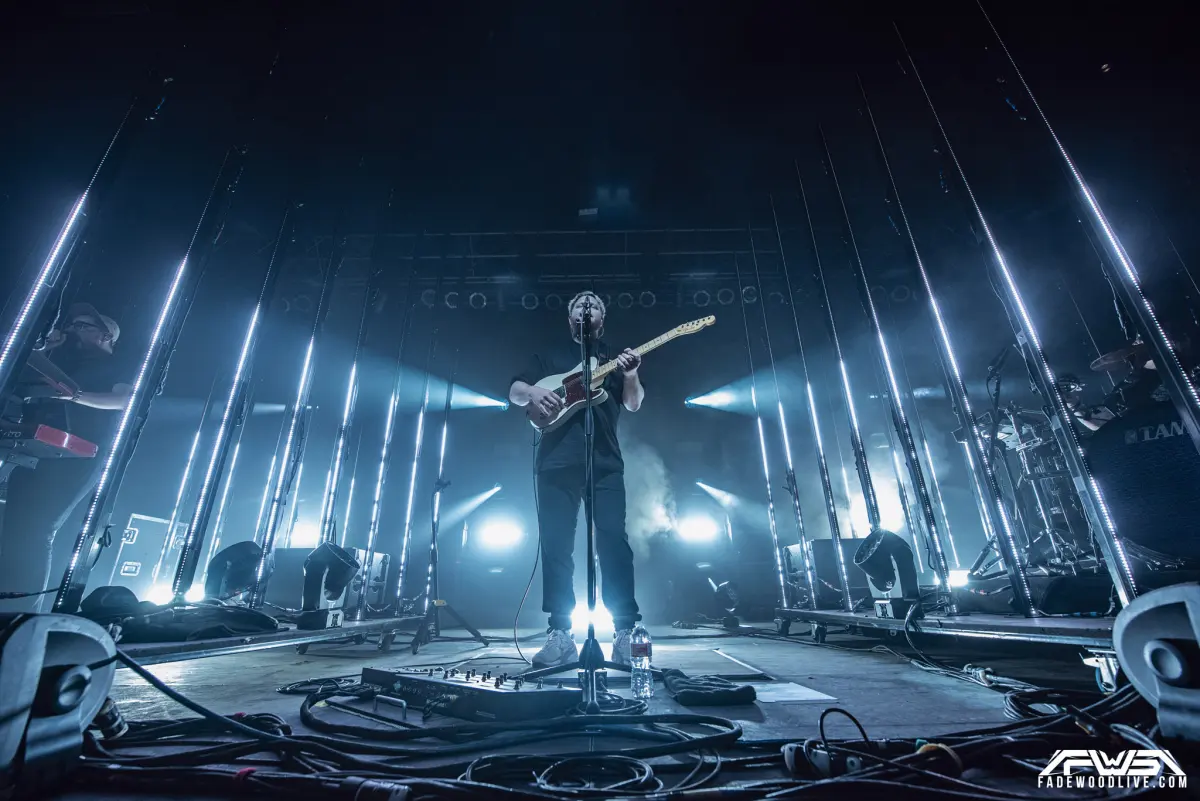
While the rule of thirds is an excellent starting point, it is not a mandatory requirement for every photograph. There are instances where centering a subject is the superior choice, particularly when you want to create a sense of absolute symmetry or formal power. Portraits that aim for a stark, confrontational look often benefit from a centered subject, as do architectural shots that highlight perfect geometric balance.
Ultimately, the rule of thirds is a tool to be used when it enhances your vision. If you find that a composition feels stronger without adhering to the grid, trust your instincts. The most compelling photographs often arise when a photographer understands the rules well enough to know exactly when and why to deviate from them. Use the rule of thirds as a foundation to build your skills, but do not let it limit your creative expression or your ability to capture a unique moment in time.
Key facts
- The rule of thirds divides an image into a 3x3 grid using two horizontal and two vertical lines.
- Placing your subject along these lines or at their four intersection points creates a balanced, professional composition.
- The technique prevents the common mistake of placing the subject dead-center, which can make a photo feel static.
- Use the grid overlay feature found in most digital camera viewfinders and smartphone camera settings to visualize the lines.
- Aligning the horizon line with the top or bottom horizontal grid line helps maintain a straight, stable composition.
- This rule is a foundational guideline rather than a strict law; breaking it intentionally can create tension or drama in a shot.
The bottom line
The rule of thirds is a powerful compositional technique that transforms ordinary snapshots into engaging photographs. By shifting your subject away from the center and onto the grid lines or intersections, you create dynamic balance and visual interest. Master this simple grid system to guide your viewer's eye effectively, but remember to experiment with breaking the rule once you understand how it influences the overall mood.
People also ask
Should I always use the rule of thirds?
No, the rule is a tool, not a requirement. Sometimes placing a subject in the center is more effective for symmetry, portraits, or when you want to emphasize a sense of isolation.
Does the rule of thirds apply to vertical photos?
Yes, the grid applies regardless of whether the camera is held in landscape or portrait orientation. The principle of placing focal points along the lines remains the same.
How do I use the rule of thirds for portraits?
Position the subject's eyes along the top horizontal line. This naturally draws the viewer's gaze to the most expressive part of the face.
Can I use this rule while editing photos?
Absolutely, you can crop your images during post-processing to align subjects with the rule of thirds. Most photo editing software includes a grid overlay tool specifically for this purpose.
Does the rule of thirds work with multiple subjects?
It works well by placing different subjects on different intersection points. This creates a visual balance that guides the viewer's eye across the entire frame.
Is the rule of thirds the same as the golden ratio?
They are related but distinct concepts. While the rule of thirds uses a simple grid, the golden ratio uses a more complex, organic spiral pattern derived from mathematical sequences.
This answer was created with the help of AI research tools and reference sources. Spotted an error? Let us know — we correct mistakes quickly. See our editorial policy.