What is the history of photography?
Short answer
Photography is the process of capturing light to create permanent images. Its history evolved from the ancient camera obscura to the 1839 invention of the daguerreotype. Over two centuries, it progressed through glass plates, flexible film, and digital sensors, fundamentally changing how humanity documents history, art, and personal memories globally.
On this page
When was photography invented?
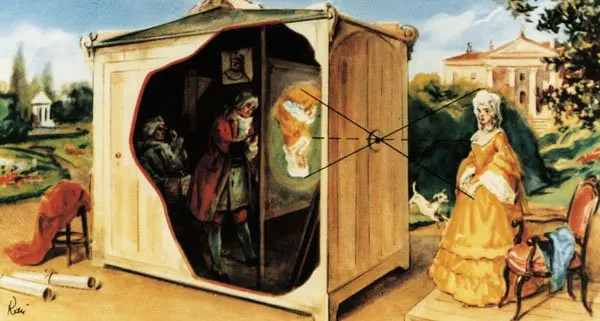
The history of photography began long before the first successful image. Ancient scholars, including Mozi in China and Aristotle in Greece, understood the principles of the camera obscura, a darkened room where light passing through a small hole projects an inverted image of the outside world onto a wall. However, these projections could not be captured permanently until the 19th century.
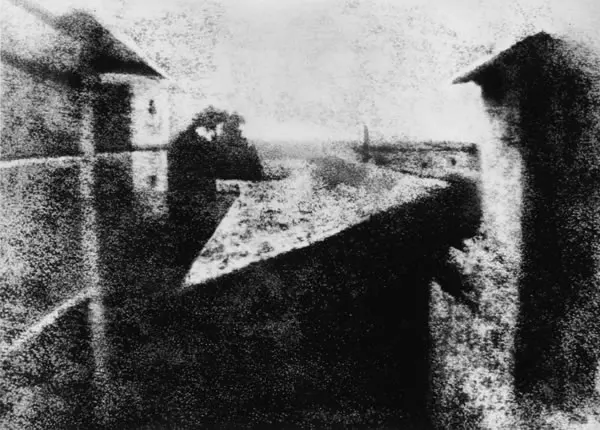
In 1826, French inventor Joseph Nicéphore Niépce produced the first permanent photograph, View from the Window at Le Gras. He coated a pewter plate with bitumen of Judea, a light-sensitive asphalt, and exposed it for eight hours. While the image was blurry and required a long exposure, it proved that light could physically alter a surface to record a scene.
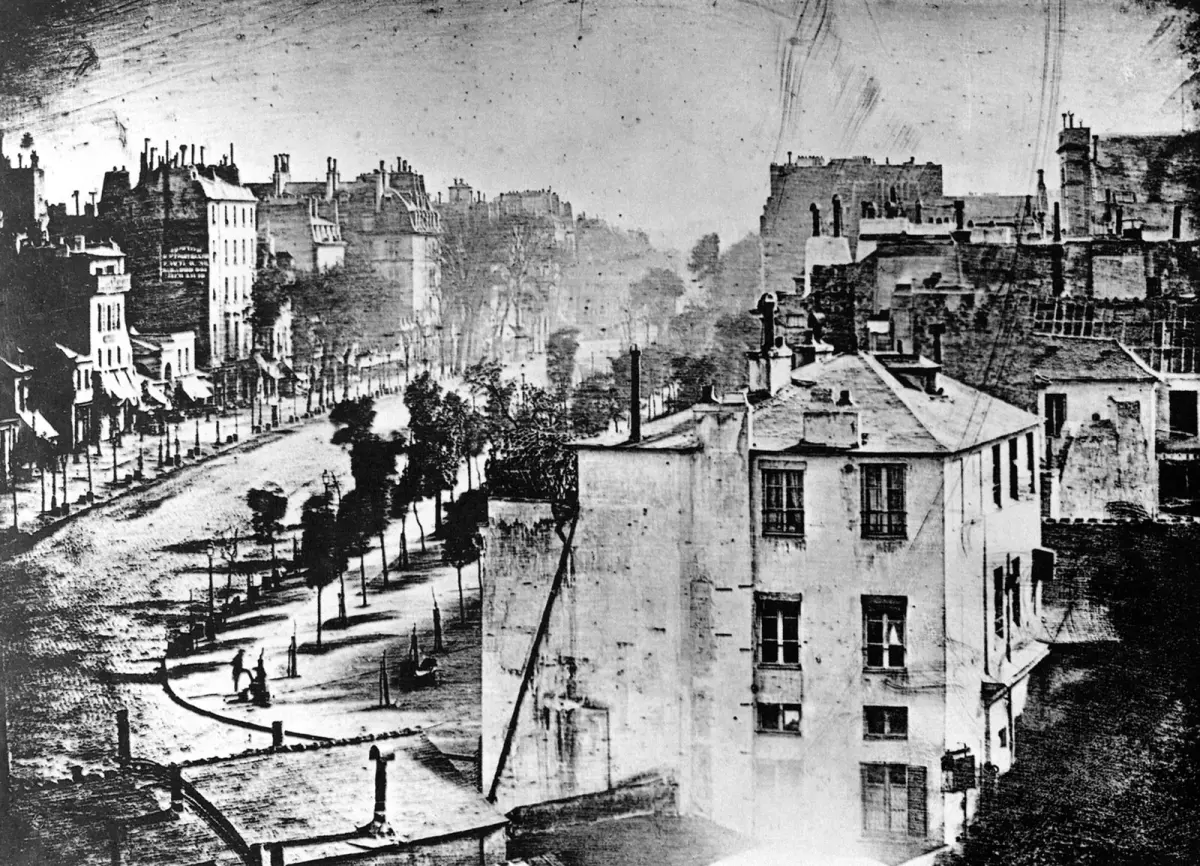
Following Niépce’s death, his partner Louis Daguerre refined the process. In 1839, he introduced the daguerreotype, which used silver-plated copper sheets treated with iodine vapor. This method reduced exposure times to minutes and produced incredibly sharp, detailed images. The French government purchased the patent and released it to the world, sparking a global obsession with portraiture and documentation.
How did film photography evolve?
As the daguerreotype gained popularity, inventors sought ways to make photography more accessible and reproducible. In 1841, William Henry Fox Talbot patented the calotype process, which used paper negatives to create multiple positive prints. This shifted the medium from a single unique object to a process of mass production, laying the foundation for modern printing.
By the 1870s, the "wet plate" collodion process dominated, requiring photographers to coat, expose, and develop glass plates before they dried. This was cumbersome, as it required portable darkrooms. The invention of the "dry plate" in the 1870s changed everything, allowing plates to be prepared in advance and stored. This innovation paved the way for George Eastman to introduce flexible roll film in 1888.
- The Kodak camera was released in 1888, pre-loaded with enough film for 100 photos.
- Users would mail the entire camera back to the factory for development.
- The factory returned the developed prints and the reloaded camera to the customer.
- This "You press the button, we do the rest" slogan democratized photography for the general public.
What are the basics of manual photography?
Understanding the history of photography requires grasping the "exposure triangle," the three settings that control the light entering a camera. These principles remain the foundation for both film and digital photography today. Mastering these allows a photographer to dictate how a scene is rendered, rather than relying on automatic settings.
- Aperture: The size of the lens opening, measured in f-stops. A low number (e.g., f/1.8) creates a shallow depth of field, blurring the background.
- Shutter Speed: The duration the sensor or film is exposed to light. Fast speeds freeze motion, while slow speeds create motion blur.
- ISO: The sensitivity of the medium to light. Lower ISOs produce cleaner images, while higher ISOs allow for shooting in darker conditions but introduce "noise" or grain.
Common mistakes when learning manual photography:
- Ignoring the light meter, which tells you if your image will be too bright or dark.
- Using a shutter speed that is too slow while holding the camera, leading to blurry, shaky images.
- Over-relying on high ISO settings, which degrades image quality unnecessarily in well-lit environments.
Why do photos fade over time?
The longevity of a photograph depends on its chemical composition and storage environment. Early daguerreotypes were delicate and prone to oxidation, while paper prints from the 19th and 20th centuries often suffered from improper chemical washing. Residual chemicals, such as fixer, can slowly eat away at the silver particles that form the image, causing yellowing or fading.
Environmental factors are the primary enemies of physical photographs. UV light, high humidity, and fluctuating temperatures accelerate the breakdown of dyes and paper fibers. To preserve historical photographs, archivists use acid-free sleeves, archival boxes, and climate-controlled storage. By minimizing exposure to light and oxygen, collectors can ensure that images survive for generations without significant degradation.
If you are storing old family photos, follow these practical steps:
- Avoid using magnetic "sticky" albums, as the adhesives are acidic and will damage photos.
- Store prints in a cool, dry place, such as an interior closet, rather than an attic or basement.
- Use white cotton gloves when handling original negatives or prints to prevent oils from skin transferring to the surface.
How to start with film photography today?
Starting with film photography offers a tactile experience that teaches patience and precision. Unlike digital cameras, film requires you to be deliberate with every shot because each frame has a financial cost. This constraint often forces beginners to slow down, compose more carefully, and truly understand the relationship between light and the subject.
To begin, purchase a reliable, fully mechanical 35mm camera, such as a Canon AE-1 or a Pentax K1000. These cameras are robust and feature built-in light meters that simplify the learning process. Pair the camera with a standard 50mm lens, which mimics the field of view of the human eye. Always keep a notebook to record your settings for each roll, as this helps you identify which techniques work best in different lighting conditions.
Common mistakes when starting with film:
- Loading the film incorrectly, which can lead to the film not advancing and resulting in blank rolls.
- Opening the camera back before the film is fully rewound, which exposes and ruins the entire roll.
- Using expired film without adjusting your exposure settings to compensate for the loss of sensitivity over time.
Key facts
- The first permanent photograph, "View from the Window at Le Gras," was captured by Joseph Nicéphore Niépce in 1826.
- Louis Daguerre introduced the daguerreotype in 1839, which used silver-plated copper sheets to create highly detailed images.
- George Eastman revolutionized the industry in 1888 by releasing the Kodak camera, making photography accessible to the general public.
- To avoid blurry photos, always keep your elbows tucked against your body to stabilize the camera or phone while shooting.
- When taking portraits, position your subject so the light source is in front of them rather than behind them to prevent silhouettes.
- Digital sensors perform best at their lowest ISO setting; increasing ISO to brighten images often introduces unwanted digital noise.
The bottom line
Photography evolved from complex chemical experiments in the early 19th century to a ubiquitous digital tool today. By mastering fundamental concepts like lighting, composition, and exposure settings, anyone can elevate their images from simple snapshots to compelling visual stories. Whether using a professional camera or a smartphone, the core principles of light management remain the essential foundation for capturing high-quality, meaningful photographs in any environment.
People also ask
What is the difference between film and digital photography?
Film photography uses light-sensitive chemical emulsions on plastic strips to capture images, requiring physical development. Digital photography uses electronic sensors to convert light into data, allowing for instant review and infinite storage.
How do I improve my composition?
Use the rule of thirds by placing your subject along the grid lines rather than dead center. This creates a more balanced and visually engaging image that draws the viewer's eye naturally.
Why are my indoor photos often yellow or orange?
This is caused by tungsten lighting, which has a warm color temperature. Adjust your camera’s white balance setting to "Tungsten" or "Incandescent" to neutralize these colors and achieve natural skin tones.
What is the purpose of aperture?
Aperture controls the size of the lens opening, which dictates how much light enters the camera. A wide aperture creates a shallow depth of field, blurring the background, while a narrow aperture keeps the entire scene in focus.
How can I keep my camera lens clean?
Use a microfiber cloth specifically designed for optics to gently wipe the glass in a circular motion. Avoid using household tissues or shirts, as these can contain fibers or debris that scratch delicate lens coatings.
What is shutter speed?
Shutter speed is the length of time the camera's sensor is exposed to light. A fast shutter speed freezes motion, while a slow shutter speed creates a blur effect to convey a sense of speed or movement.
Read the full answer →This answer was created with the help of AI research tools and reference sources. Spotted an error? Let us know — we correct mistakes quickly. See our editorial policy.