How do you photograph a concert?
Short answer
Photographing a concert requires mastering low-light settings, fast shutter speeds, and anticipation. Use a wide-aperture lens to capture action in dim venues, prioritize shooting in RAW format for post-processing flexibility, and always respect house rules. Success depends on balancing technical camera proficiency with the ability to capture the energy of live music.
On this page
What camera settings are best for concert photography?
Capturing crisp images in a dark venue requires specific manual settings. Start by setting your aperture as wide as possible, typically f/2.8 or lower, to allow maximum light into the sensor. You must use a fast shutter speed, ideally 1/250th of a second or faster, to freeze the musician's movement and avoid motion blur. If the lighting is particularly dim, increase your ISO, though be mindful of the digital noise that occurs at higher levels. Most modern full-frame cameras can handle ISO settings up to 3200 or 6400 without significant degradation.
To ensure your images are sharp, follow these technical steps:
- Set your camera to Manual Mode to maintain full control over exposure variables.
- Use Back-Button Focus to separate the focusing mechanism from the shutter release, allowing for faster response times.
- Shoot in RAW format to retain maximum data for correcting white balance and shadows during editing.
- Utilize continuous autofocus (AF-C or AI-Servo) to track performers as they move across the stage.
Which lenses should I use for live music?
The choice of lens depends heavily on your proximity to the stage and the venue size. For small clubs where you are close to the action, a 24-70mm f/2.8 zoom lens is the industry standard. This versatile range allows you to capture wide shots of the entire band or tight portraits of the lead singer. In larger arenas or festivals where you are confined to a photo pit or a distance, a 70-200mm f/2.8 lens is essential for reaching the performers on stage.
Prime lenses are also excellent for concert photography due to their superior low-light performance. A 50mm f/1.8 or an 85mm f/1.4 can provide much faster shutter speeds than zoom lenses, which is vital in poorly lit venues. However, prime lenses lack the flexibility of zooms, meaning you must physically move to frame your shot. If you are just starting, prioritize a high-quality 24-70mm lens, as it covers the most common scenarios encountered by professional music photographers.
How do I get access to photograph concerts?
Securing a photo pass is the primary gateway to professional concert photography. Generally, you must be on assignment for a publication, blog, or news outlet to be granted a pass by a band’s publicist or a venue’s management. Reach out to editors at music websites or local newspapers to offer your services. Once you have an assignment, contact the publicist or the tour manager at least one week before the show to request credentials.
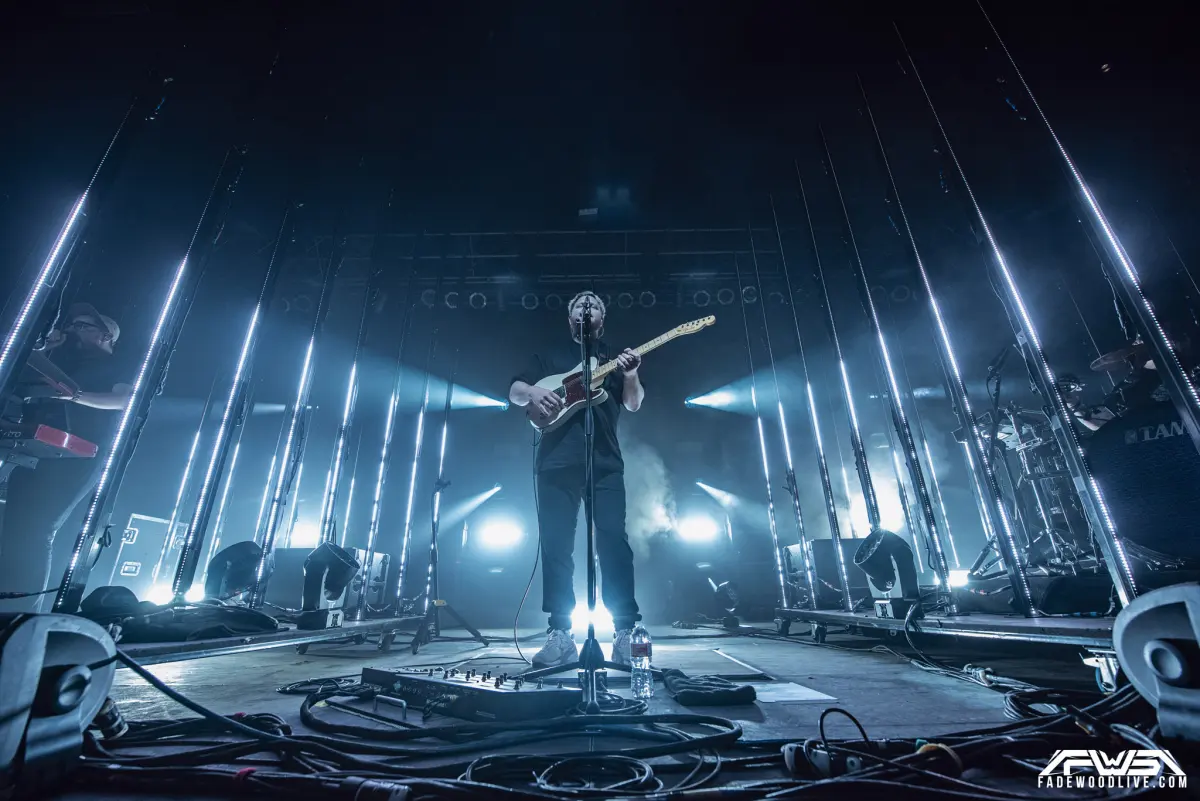
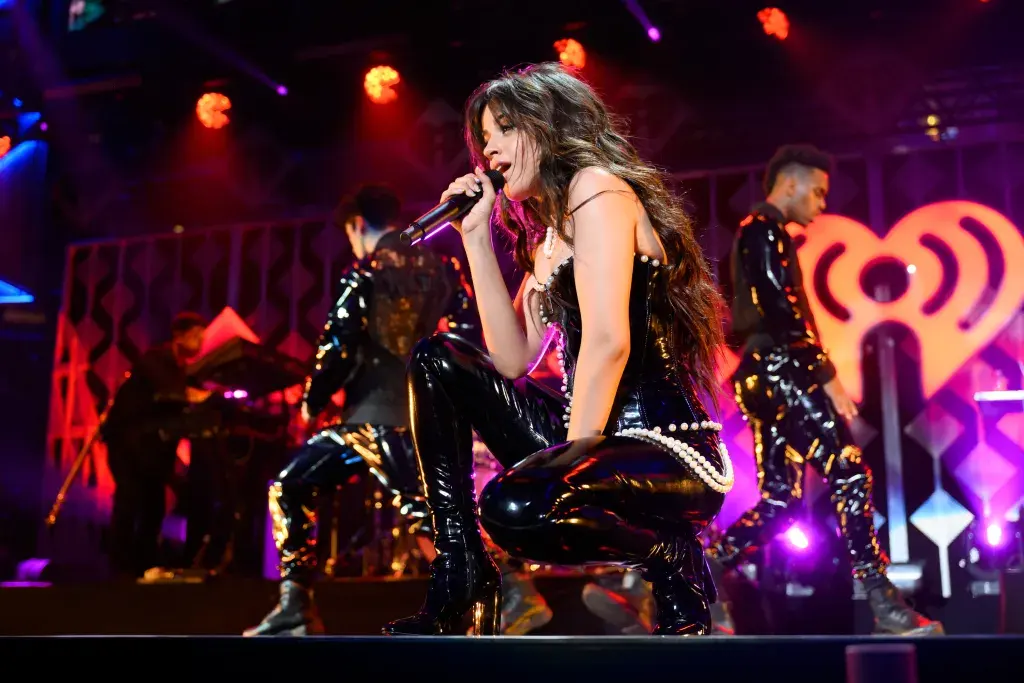
When you are granted a pass, you are typically restricted to shooting from the photo pit during the first three songs. This is the industry-standard "three-song rule," which limits photographers to the first 15 minutes of a performance. During this time, focus on capturing the artist's face, their interaction with the audience, and the overall stage production. Always be professional, stay out of the way of security staff, and ensure you follow the specific guidelines provided by the tour manager regarding flash usage or restricted areas.
What are common mistakes when shooting concerts?
One of the most frequent errors is relying on automatic camera modes. Concert lighting changes rapidly, and automatic modes will often misinterpret the dark background, leading to overexposed subjects or blurry photos. Similarly, using a flash is almost always prohibited and can be distracting to performers. If you find yourself struggling with exposure, check your histogram frequently to ensure you are not clipping your highlights or losing detail in the deep shadows of the stage.
Another common mistake is failing to capture the atmosphere of the event. Many beginners focus exclusively on the lead singer and ignore the drummer, the bassist, or the crowd's reaction. A complete concert portfolio should include wide shots that show the scale of the venue and the lighting design. Avoid these pitfalls by:
- Checking your white balance, as stage lights often create unnatural color casts.
- Avoiding excessive "chimping," or looking at your screen after every shot, which causes you to miss fleeting moments.
- Respecting the personal space of other photographers in the pit to maintain a good working environment.
How do I edit concert photos effectively?
Post-processing is where your raw images are transformed into professional-grade photographs. Start by adjusting the white balance to neutralize the harsh hues often caused by LED stage lights. You will likely need to lift the shadows significantly, as stage lighting creates high-contrast scenes where the performer is lit but the background remains pitch black. Be careful not to over-process, as high-ISO images can quickly develop distracting digital noise if pushed too far in editing software.
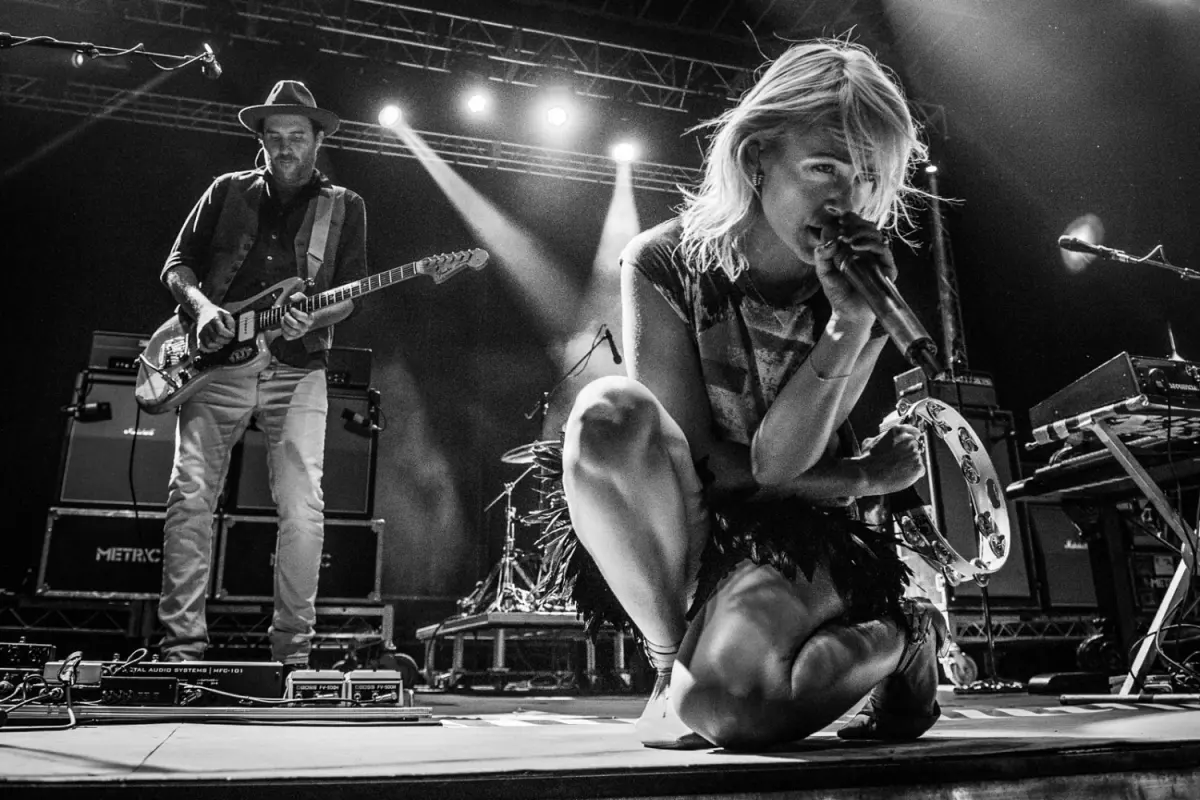
Consistency is key when delivering a set of images for a publication. Ensure that the color grading and exposure levels are uniform across the entire gallery to create a cohesive narrative. If you are shooting in black and white, focus on the contrast and texture of the performer's clothing and expressions. By mastering these editing techniques, you can turn a simple snapshot into a compelling piece of visual storytelling that captures the intensity and emotion of the live musical performance.
Key facts
- Shoot in RAW format to retain maximum detail in shadows and highlights during post-processing.
- Use a fast lens with an aperture of f/2.8 or wider to capture sharp images in low-light conditions.
- Set your shutter speed to at least 1/250th of a second to freeze performer movement and prevent blur.
- Utilize back-button focus to separate the focusing mechanism from the shutter release for faster reaction times.
- Arrive early to secure a favorable position near the stage before the crowd fills the venue.
- Always wear ear protection, as prolonged exposure to high decibel levels at concerts can cause permanent hearing damage.
The bottom line
Photographing a concert requires balancing technical precision with artistic timing. By mastering manual exposure settings and understanding the constraints of stage lighting, you can capture the intensity of a live performance. Prioritize safety, respect venue rules regarding equipment, and focus on the ephemeral moments that define the show. With consistent practice and the right gear, you will develop the skills to produce compelling, professional-grade music photography.
People also ask
Do I need a professional press pass to photograph concerts?
You generally need a press pass for professional cameras with detachable lenses at large venues. Smaller clubs often allow point-and-shoot cameras or smartphones without prior authorization.
What is the "three-song rule" in concert photography?
Most major tours restrict photographers to shooting only the first three songs from the photo pit. This rule limits the time professionals have to capture the artist before they must vacate the area.
Should I use a flash when photographing a live performance?
Avoid using a flash unless specifically permitted, as it is distracting to the performers and disrupts the stage lighting design. Most professional venues strictly prohibit flash photography for this reason.
How do I handle rapidly changing stage lights?
Use manual mode and adjust your ISO frequently to compensate for sudden shifts in brightness. Spot metering on the performer’s face helps ensure the subject remains properly exposed despite harsh spotlights.
What is the best way to capture the energy of a crowd?
Turn your camera toward the audience during the peak of a song or when the artist addresses the fans. A wide-angle lens is ideal for capturing the scale and atmosphere of the venue.
How do I organize my photos after the concert?
Use software like Adobe Lightroom to cull your images immediately by deleting blurry or poorly composed shots. Tag your best images with keywords to make them easier to locate for future portfolios or social media.
This answer was created with the help of AI research tools and reference sources. Spotted an error? Let us know — we correct mistakes quickly. See our editorial policy.