What is ballet?
Short answer
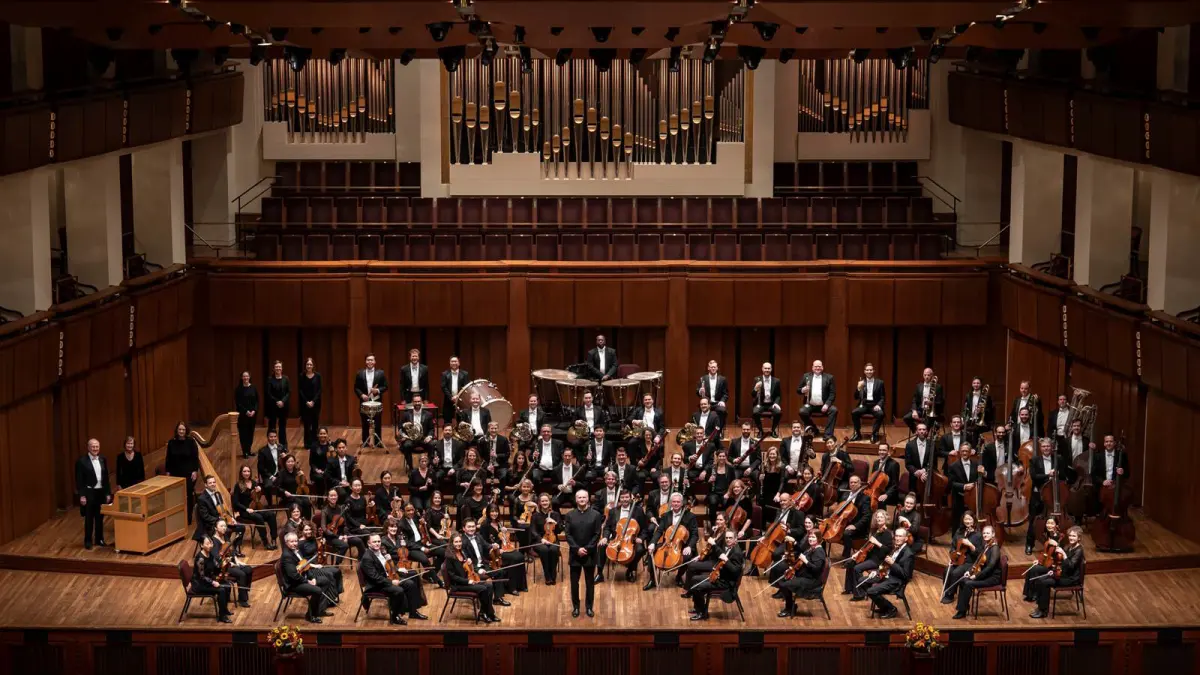
Ballet is a highly technical, formalized style of Western concert dance that originated in the Italian Renaissance courts of the 15th century. It relies on precise choreography, specific body alignment, and turn-out of the legs to create an aesthetic of grace, lightness, and fluid movement, often accompanied by classical orchestral music.
On this page
How did ballet evolve over time?
Ballet emerged during the Italian Renaissance as an elaborate court entertainment, where aristocrats performed dances to display wealth and social status. Catherine de’ Medici, an Italian noblewoman who married King Henry II of France, brought these traditions to the French court in the 16th century. By the reign of King Louis XIV in the late 17th century, ballet transitioned from a social pastime into a professional performance art. Louis XIV founded the Académie Royale de Danse in 1661, establishing the formal vocabulary and positions that define the medium today.
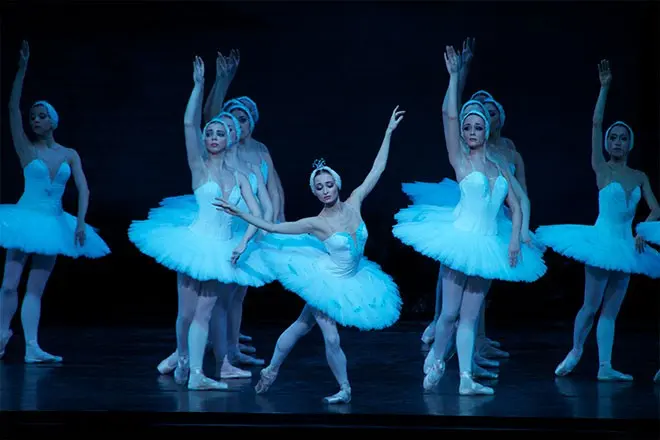
During the 19th century, the Romantic era introduced the iconic pointe shoe, allowing dancers to appear weightless and ethereal. This period produced legendary works such as Giselle and La Sylphide. Later, in the late 19th century, Russian choreographers like Marius Petipa collaborated with composers such as Pyotr Ilyich Tchaikovsky to create grand spectacles like The Nutcracker, Swan Lake, and The Sleeping Beauty. These works established the structure of the classical ballet repertoire that remains the standard for companies worldwide.
What are the basic ballet positions?
The foundation of all ballet technique is built upon five primary positions of the feet and arms. These positions serve as the starting and ending points for nearly every movement, ensuring the dancer maintains proper alignment and balance. Mastering these positions is the first step for any student, as they dictate how the body moves through space.
- First position: The heels touch, and the toes are turned outward to form a straight line.
- Second position: The feet are turned out as in first position but separated by about the length of one foot.
- Third position: One foot is placed in front of the other, with the heel of the front foot touching the arch of the back foot.
- Fourth position: One foot is placed in front of the other, separated by the distance of one foot, with the heel of the front foot aligned with the toe of the back foot.
- Fifth position: The feet are pressed tightly together, with the heel of the front foot touching the toe of the back foot.
How to start learning ballet as an adult
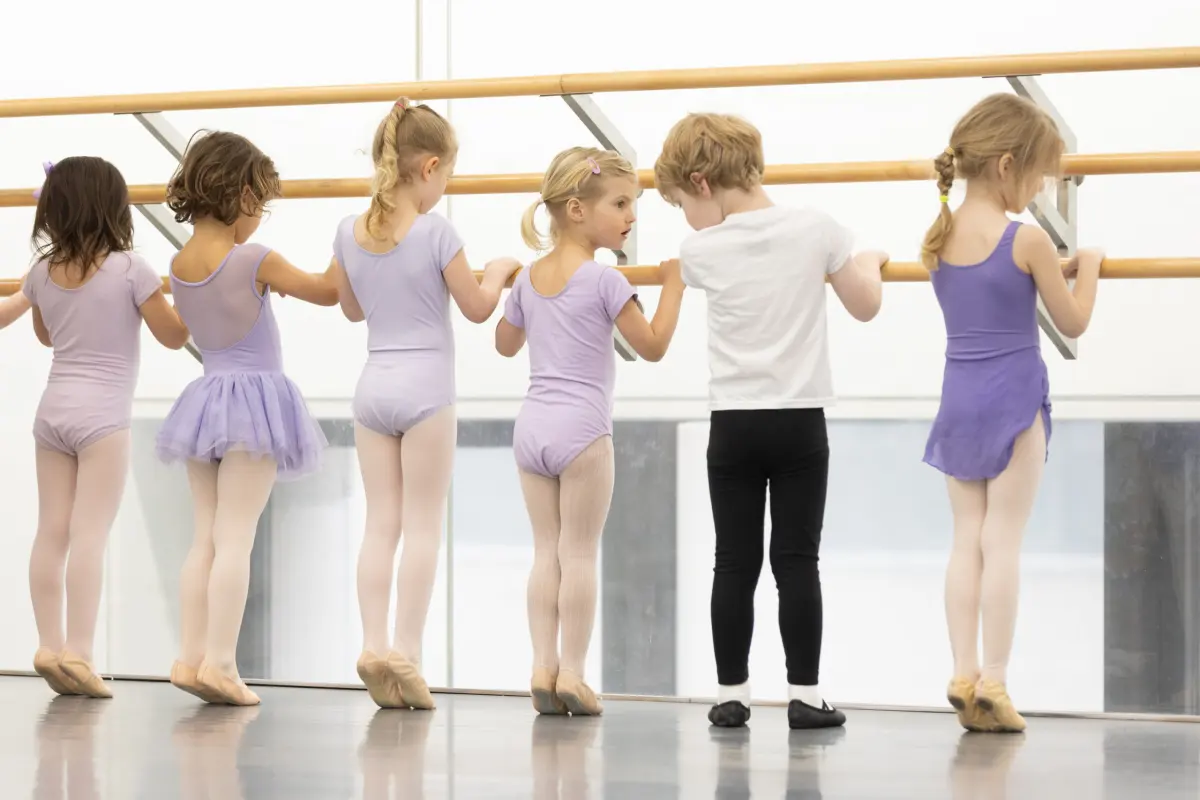
Beginning ballet as an adult is a rewarding way to improve posture, flexibility, and core strength. Many studios offer "Open" or "Adult Beginner" classes that focus on the fundamentals without the pressure of a professional track. You do not need prior experience, but you should look for classes that emphasize anatomical safety and clear technical instruction.
When preparing for your first class, focus on these practical steps:
- Wear form-fitting clothing, such as leggings and a leotard or a fitted t-shirt, so the instructor can see your alignment.
- Purchase proper ballet slippers, which should fit snugly like a second skin without extra room in the toes.
- Arrive at least 15 minutes early to stretch and introduce yourself to the instructor.
- Listen closely to the French terminology, as these terms are universal across all ballet schools.
Do not be discouraged if the coordination feels unnatural at first. Ballet requires a specific type of muscular engagement that takes time to develop. Consistency is more important than intensity; attending one or two classes a week will yield better results than sporadic, heavy training sessions.
Common mistakes when practicing ballet
Even experienced dancers must constantly check their form to prevent injury and maintain aesthetic standards. One of the most frequent errors is "sickling," which occurs when the dancer fails to maintain a straight line from the ankle to the toes, causing the foot to curve inward. This places unnecessary strain on the ankle ligaments and disrupts the visual line of the leg.
Another common mistake involves the "turn-out." Dancers often try to force their feet to turn outward from the ankles or knees rather than rotating the legs from the hip sockets. This can lead to chronic knee pain and long-term joint damage. To avoid this, focus on engaging the deep rotators of the hip and only turn out as far as your anatomy allows. Additionally, many beginners struggle with "rib popping," where the lower ribs flare forward during movement. Keep your core engaged and your ribcage knit together to maintain a stable, vertical spine throughout your exercises.
Why is ballet technique so difficult?
Ballet is physically demanding because it requires the dancer to defy natural human movement patterns. The requirement for extreme external rotation of the hips, known as turn-out, requires significant flexibility and strength in the supporting muscles. Furthermore, dancers must maintain this turnout while executing complex, high-impact movements, which places immense pressure on the joints and feet.
The aesthetic goal of "effortlessness" is perhaps the most challenging aspect of the art form. A dancer must perform strenuous, athletic feats—such as jumping, turning, and balancing—while maintaining a serene facial expression and fluid arm movements. This duality requires years of repetitive training to build the necessary muscular endurance and neuromuscular control. By the time a professional dancer reaches the stage, they have spent thousands of hours refining their balance, coordination, and stamina to make the impossible appear simple and elegant to the audience.
Key facts
- Ballet originated during the Italian Renaissance in the 15th century before evolving into a formal performance art in France under King Louis XIV.
- The five basic foot positions—first through fifth—form the foundation for every movement in classical ballet.
- Professional dancers typically begin training as children and may practice for six to eight hours daily to maintain peak physical condition.
- Pointe shoes are reinforced with glue and fabric to allow dancers to support their full body weight on the tips of their toes.
- Proper alignment, or "placement," is the most critical technical skill, requiring the dancer to keep the spine straight and the core engaged at all times.
- A common mistake for beginners is "sickling," which occurs when the dancer rolls their foot inward toward the ankle, increasing the risk of injury.
The bottom line
Ballet is a highly disciplined performance art that combines rigorous physical technique with expressive storytelling. By mastering the fundamental positions and maintaining strict body alignment, dancers achieve a unique aesthetic of grace and gravity-defying movement. Whether performed on a grand stage or in a local studio, ballet remains a demanding practice that requires years of dedication, structural awareness, and a commitment to constant technical refinement.
People also ask
What is the difference between classical and contemporary ballet?
Classical ballet follows strict, codified techniques and often features traditional narratives, such as Swan Lake. Contemporary ballet blends these traditional movements with modern dance styles, allowing for more fluid, asymmetrical, and expressive choreography.
Do male dancers perform the same movements as female dancers?
While both genders study the same core technique, male dancers typically focus on high jumps, powerful turns, and lifting their partners. Female dancers often specialize in pointe work and delicate, precise footwork, though these roles are increasingly fluid in modern companies.
How long does it take to become a professional ballet dancer?
Most professional dancers train for at least 10 years before joining a company. Many start at age five or six and undergo rigorous daily instruction throughout their teenage years to build the necessary strength and flexibility.
Why do ballet dancers turn their feet outward?
This position, known as "turnout," originates from the hips rather than the knees or ankles. It increases the dancer's range of motion, creates a more aesthetically pleasing line, and allows for easier sideways movement.
Is ballet considered a sport?
While ballet is an art form, it requires the athleticism of a professional athlete. Dancers must possess extreme cardiovascular endurance, muscular power, and flexibility, often performing while managing significant physical pain.
What should a beginner wear to their first class?
Beginners should wear form-fitting clothing, such as leggings and a leotard, so the instructor can observe their alignment. Proper ballet slippers are essential to provide the necessary grip and protection for the feet.
This answer was created with the help of AI research tools and reference sources. Spotted an error? Let us know — we correct mistakes quickly. See our editorial policy.