How do you photograph cars?
Short answer
Photographing cars requires careful attention to lighting, angles, and surface reflections. By shooting during the "golden hour," using a circular polarizer to manage glare, and positioning the vehicle to highlight its design lines, you can capture professional-grade images. Focus on clean backgrounds and consistent camera settings to achieve a polished, high-end look.
On this page
How to choose the best lighting for car photography
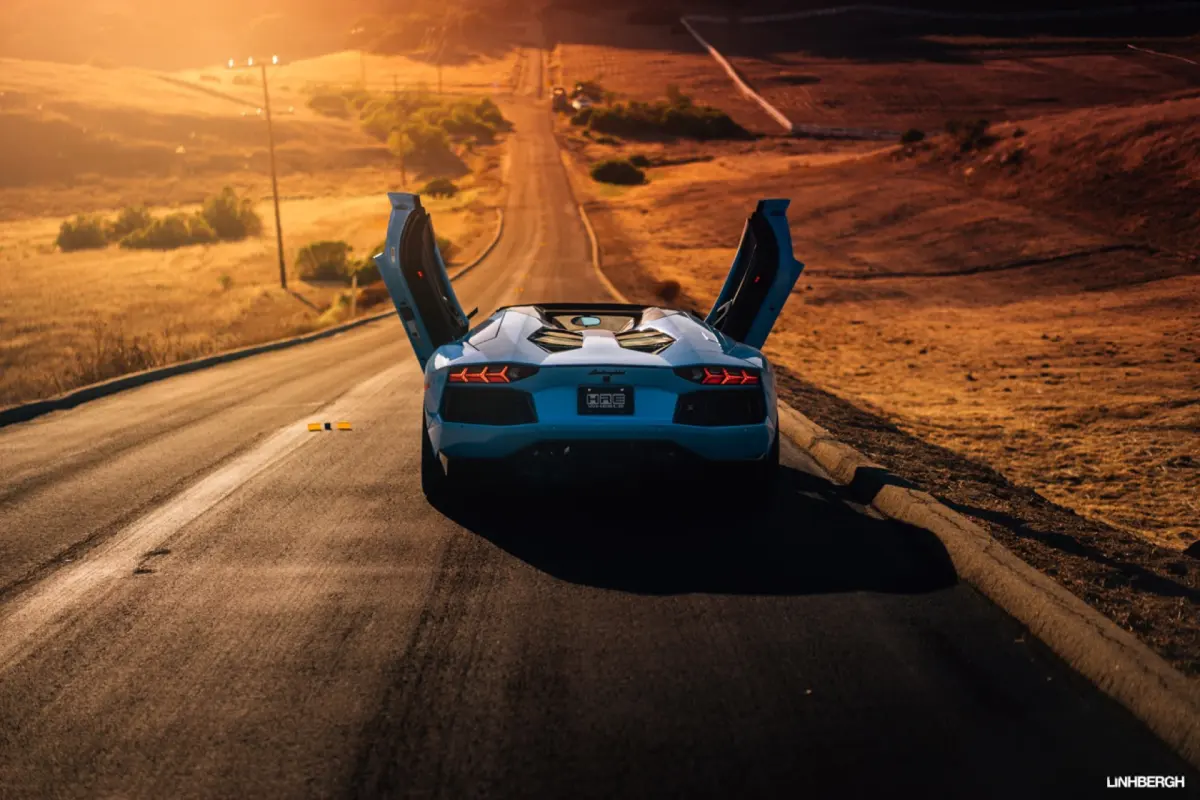
Lighting is the single most important factor in automotive photography because car bodies act like giant mirrors. Direct midday sun creates harsh, unattractive highlights and deep, distracting shadows that obscure the vehicle's curves. Instead, aim to shoot during the golden hour, which occurs during the first hour after sunrise and the last hour before sunset. This soft, directional light enhances the body lines and creates a warm, premium aesthetic.
If you must shoot during the day, look for overcast conditions. Clouds act as a massive natural diffuser, softening the light and preventing intense reflections on the paint. Avoid shooting under trees, as the dappled light creates "zebra stripes" across the car, which are nearly impossible to fix in post-production. If you are shooting indoors, use large softboxes or light panels to create long, smooth light streaks along the side of the vehicle, which emphasize its length and shape.
How to use camera settings for sharp car photos
Mastering your camera settings ensures your images are crisp and professional. Start by setting your camera to a low ISO, typically 100 or 200, to minimize digital noise and ensure the highest possible image quality. Use a narrow aperture, such as f/8 or f/11, to ensure the entire length of the car remains in sharp focus. If you use a wide aperture like f/1.8, parts of the car will blur, which rarely looks good for automotive work.
- Set your camera to Manual or Aperture Priority mode.
- Use a tripod to allow for a slower shutter speed, which keeps the image sharp.
- Utilize a circular polarizer filter to cut reflections on the windshield and paint.
- Keep your shutter speed as low as possible without introducing motion blur.
A common mistake is using a focal length that is too wide, such as 24mm, which can distort the car's proportions. Instead, use a lens between 50mm and 85mm to maintain a natural look that mimics how the human eye sees the vehicle.
How to position a car for the best angles
The angle from which you photograph a car changes its entire personality. Shooting from a low perspective, often with the camera at headlight level, makes the vehicle appear more aggressive and dominant. Standing too high above the car makes it look small and diminishes its presence. Always ensure the wheels are turned slightly toward the camera, as this showcases the rim design and adds a sense of movement to a static shot.
When framing the car, follow these professional guidelines:
- The Three-Quarter View: Position the camera at the front corner of the car to show both the front and the side profile.
- The Side Profile: Ensure the camera is perfectly parallel to the car to highlight its length and silhouette.
- The Detail Shot: Focus on specific elements like the badge, the taillight, or the interior stitching to tell a story.
Avoid clutter in your background. A beautiful car loses its impact if there is a trash can or a distracting sign directly behind it. Always scan the environment before you start shooting to ensure the background complements the vehicle’s color and style.
How to avoid common mistakes when photographing cars
One of the most frequent errors beginners make is ignoring reflections. Because cars are highly reflective, you will often find yourself, your camera, or nearby buildings visible in the paint. Before taking a shot, walk around the car and check every panel for unwanted reflections. If you see yourself in the reflection, move your position slightly or use a longer lens to pull back from the vehicle.
Another common mistake is failing to clean the car before the shoot. Dust, fingerprints, and water spots show up clearly in high-resolution images. Always carry a microfiber cloth and quick-detailer spray to wipe down the bodywork and tires just before you begin. Finally, do not forget to check the steering wheel position. As mentioned, turning the wheels toward the camera is standard practice, but ensure they are not turned so far that the tread of the tire is visible, which can look messy and unpolished.
How to capture motion and rolling shots
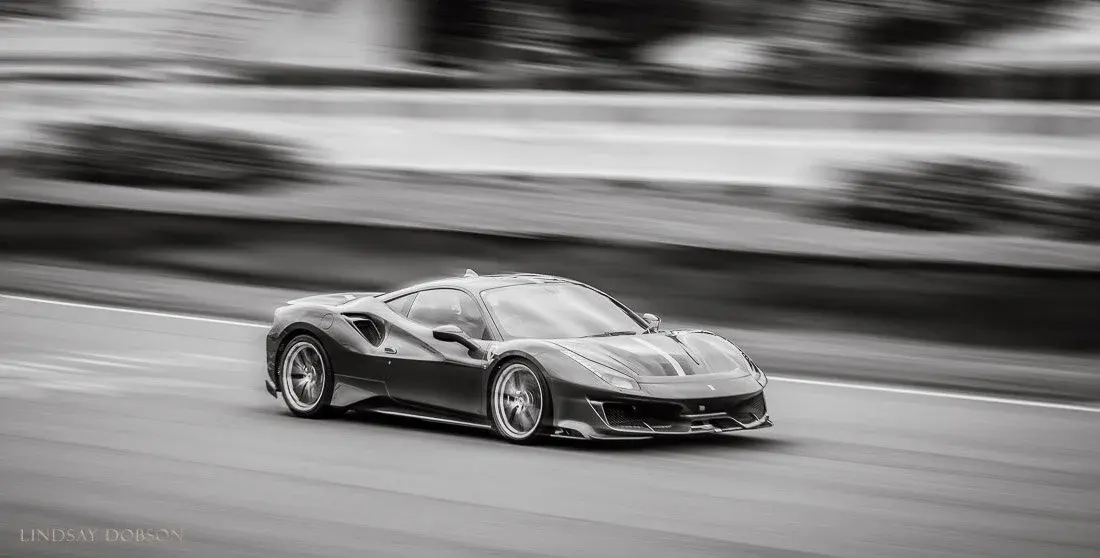
Static shots are essential, but rolling shots convey the speed and excitement of a vehicle. To achieve this, you need a second car to act as a camera platform. The photographer rides in the trunk or a side door of the lead vehicle while the subject car follows at a steady, safe speed. Use a shutter speed between 1/30th and 1/60th of a second to create a motion blur in the wheels and the background while keeping the car body sharp.
- Use a sturdy mount if you are attaching a camera to the exterior of the car.
- Always prioritize safety by wearing a seatbelt and keeping the camera secured with a strap.
- Practice panning, which involves moving your camera at the same speed as the passing car to keep it in focus.
- Communicate with the driver of the subject car using walkie-talkies to coordinate speed and distance.
Patience is key, as it may take many passes to get the perfect amount of blur. Once you master the timing, these dynamic shots will become the most compelling images in your portfolio.
Key facts
- Use a circular polarizing filter (CPL) to eliminate unwanted glare and reflections from the car's bodywork and windows.
- Shoot during the "golden hour," shortly after sunrise or before sunset, to achieve soft, flattering light that avoids harsh shadows.
- Position the camera at a low angle, roughly at the height of the headlights, to make the vehicle appear more aggressive and imposing.
- Turn the car’s front wheels toward the camera so that the wheel rims are visible rather than the flat rubber tread.
- Scout locations with clean, non-distracting backgrounds, such as empty industrial lots or open landscapes, to keep the focus on the vehicle.
- Use a tripod and a slower shutter speed to capture sharp images while maintaining a low ISO for maximum image clarity.
The bottom line
Successful automotive photography relies on controlling light and managing reflections through careful planning. By choosing the right time of day, utilizing a polarizing filter, and focusing on low-angle compositions, you can highlight a vehicle's unique design lines. Always prioritize a clean subject and a simple background to ensure the car remains the focal point, resulting in professional, high-impact images that capture the essence of the machine.
People also ask
What is the best focal length for car photography?
A focal length between 35mm and 70mm is ideal for most shots because it minimizes distortion. Wide-angle lenses below 35mm can make the car look disproportionately stretched, while telephoto lenses compress the background too much.
How do I remove distracting reflections from the paint?
Adjust your CPL filter by rotating the outer ring until the glare on the hood or windows disappears. If reflections persist, use a large white diffuser or a scrim to block direct sunlight from hitting the car’s surface.
Should I photograph the car in the shade or direct sun?
Shade is significantly better than direct sunlight because it provides even, soft lighting across the entire vehicle. Direct sun creates high-contrast shadows that obscure body lines and blow out highlights on the paint.
What camera settings are best for a rolling shot?
Use a shutter speed between 1/30 and 1/60 of a second to create motion blur in the wheels and background. You will need to travel in a camera car alongside the subject vehicle to keep the car sharp while the surroundings blur.
How do I make the car look more professional in photos?
Ensure the car is thoroughly cleaned, including the tires and wheel wells, before the shoot. A clean car reflects light predictably, whereas dirt and water spots create distracting textures that are difficult to fix in post-production.
Is it necessary to shoot in RAW format?
Yes, shooting in RAW is essential because it captures the maximum amount of color and exposure data. This allows you to recover details in deep shadows or bright highlights that would be lost in a compressed JPEG file.
This answer was created with the help of AI research tools and reference sources. Spotted an error? Let us know — we correct mistakes quickly. See our editorial policy.