Who invented the crayon?
Short answer
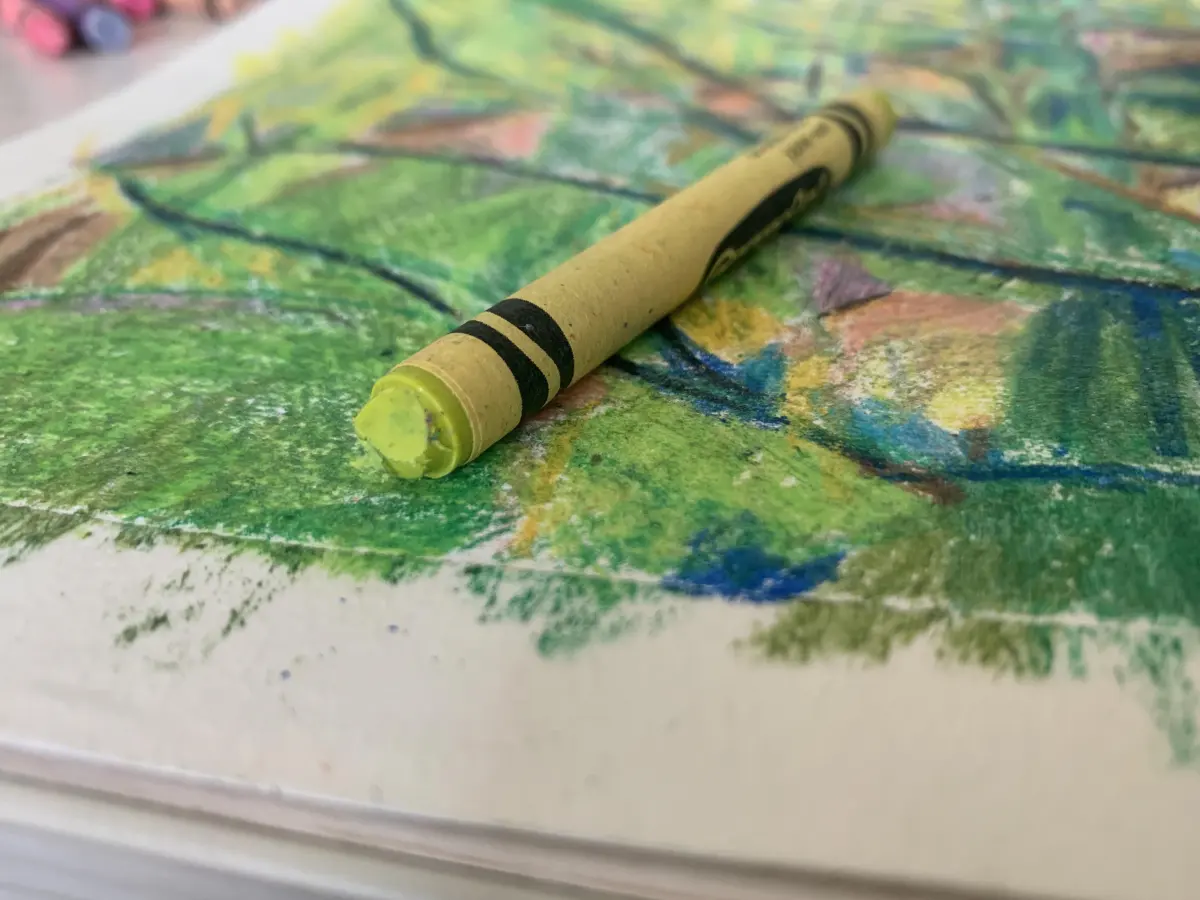
The modern wax crayon was developed by cousins Edwin Binney and C. Harold Smith in 1903. While wax-based drawing tools existed in Europe for centuries, Binney & Smith revolutionized the medium by creating the Crayola brand, which combined non-toxic paraffin wax with safe pigments to provide an affordable, durable tool for children.
On this page
Who invented the modern crayon?
The invention of the modern crayon is credited to Edwin Binney and C. Harold Smith, who operated a pigment business in Pennsylvania. By the turn of the 20th century, the pair recognized a significant gap in the market for affordable, high-quality art supplies for school children. While their company initially produced slate pencils and industrial pigments, their research into safer, more vibrant materials led to the development of the wax-based crayon.
In 1903, the duo launched the first box of Crayola crayons. The name itself was coined by Alice Stead Binney, Edwin’s wife, who combined the French word "craie," meaning chalk, with "ola" from "oleaginous," referring to the oily nature of the wax. This invention was transformative because it replaced the messy, often toxic pastels and chalks previously used in classrooms with a clean, easy-to-grip wax stick that could withstand the rough handling of young students.
How were the first crayons made?
The manufacturing process for the original crayons was a precise blend of paraffin wax and carefully selected pigments. Binney and Smith experimented with various melting points to ensure the sticks were hard enough to resist breaking under pressure but soft enough to leave a vivid mark on paper. This balance of ingredients was crucial for the product's success in educational settings.
The production process involved several key steps to ensure consistency:
- Melting high-grade paraffin wax in large industrial vats.
- Mixing in non-toxic, heat-resistant pigments to achieve specific colors.
- Pouring the molten mixture into specialized molds to create the cylindrical shape.
- Cooling the molds until the wax hardened completely.
- Removing the sticks and applying paper labels to prevent wax from staining fingers.
This method allowed for mass production, making it possible to sell boxes of eight colors for just a nickel, effectively democratizing art education across the United States.
Why did wax crayons become so popular?
Wax crayons gained immediate popularity because they solved the primary frustrations teachers faced with traditional drawing tools. Before the 1903 invention, children often used charcoal, which was messy, or slate pencils, which were limited to monochromatic lines. Crayons offered a vibrant spectrum of colors that did not smear, required no sharpening, and were entirely non-toxic, making them safe for even the youngest students.
The success of the brand was also bolstered by strategic marketing and the standardization of color names. By providing a reliable, consistent product, Binney & Smith established a standard that remains the benchmark for children's art supplies today. The durability of the wax allowed children to experiment with layering and blending, encouraging creative development in a way that previous, more fragile mediums could not support.
How to get the most out of crayons?
Using crayons effectively involves understanding how to manipulate the wax to achieve different artistic effects. Beginners often press too hard, which can cause the wax to flake or the stick to snap. Instead, start with light, circular motions to build up layers of color, which allows for better texture and color depth on the paper.
To improve your technique, consider these tips:
- Use the side of the crayon for shading large areas quickly.
- Layer two different colors to create a new shade or depth.
- Use a white crayon to create a wax-resist effect by drawing on paper before painting over it with watercolors.
- Store crayons in a cool, dry place to prevent the wax from softening or deforming.
By treating the crayon as a versatile tool rather than just a simple coloring stick, artists of all ages can produce surprisingly sophisticated results.
Common mistakes when using crayons
One of the most frequent mistakes is attempting to use crayons on surfaces that are too smooth, such as glossy paper or plastic. Crayons require a "tooth," or a slightly textured surface, for the wax to adhere properly; otherwise, the color will slide off or look faint. Another common error is leaving crayons in direct sunlight or hot cars, which will cause the wax to melt and ruin the shape of the sticks.
Avoid these common pitfalls to keep your tools in top condition:
- Pressing too hard, which leads to waxy buildup and broken tips.
- Mixing different brands, which may have different wax formulations and melting points that do not blend well together.
- Forgetting to peel the paper label, which limits your ability to use the side of the crayon for shading.
- Using crayons on damp paper, which prevents the wax from bonding to the fibers.
By avoiding these simple errors, you ensure that your crayons remain functional and that your artwork maintains its intended vibrancy and texture for years to come.
Key facts
- Joseph Lemercier of France is often credited with creating the first modern wax crayon in the early 19th century.
- Binney & Smith, the company behind Crayola, introduced their iconic wax crayons to the American market in 1903.
- The original 1903 box contained eight colors: red, orange, yellow, green, blue, violet, brown, and black.
- Alice Stead Binney, a former schoolteacher and wife of the company co-founder, coined the name "Crayola" by combining the French words "craie" (chalk) and "ola" (oily).
- Early industrial crayons were made from a mixture of paraffin wax and non-toxic pigments to ensure safety for children.
- To prevent wax crayons from melting, store them in a cool, dry place away from direct sunlight or heat sources.
The bottom line
While early wax-based drawing tools existed in Europe during the 1800s, the modern crayon as we know it was popularized by Binney & Smith in 1903. By combining paraffin wax with safe pigments, they created an affordable, durable, and vibrant tool for education and art. Today, these simple sticks remain a fundamental staple in childhood development, fostering creativity through their accessibility and wide range of colors.
People also ask
What is the difference between a wax crayon and a pastel?
Wax crayons use paraffin wax as a binder, which creates a waxy, translucent finish. Pastels use a gum or resin binder, resulting in a more powdery, opaque texture that is easier to blend.
Why do crayons sometimes develop a white, powdery film?
This phenomenon is called "wax bloom," which occurs when the wax reacts to temperature changes. It is harmless and can be removed by gently wiping the crayon with a soft cloth.
How can you remove crayon marks from walls?
You can often remove marks by using a hair dryer to soften the wax and then wiping it away with a cloth. Alternatively, a magic eraser or a paste made of baking soda and water works well on most surfaces.
Are crayons toxic if a child accidentally eats one?
Modern crayons are generally non-toxic and manufactured to meet safety standards. While they are not food, ingesting a small amount typically does not cause serious harm, though you should contact a doctor if you are concerned.
How are the colors of crayons created?
Manufacturers melt paraffin wax and mix it with specific dry pigments to achieve precise hues. This molten mixture is poured into molds, cooled, and then wrapped in paper labels for distribution.
Can you melt down old crayons to make new ones?
Yes, you can melt broken crayons in a double boiler or a silicone mold in the oven at a low temperature. Avoid using direct heat, as wax is flammable and can easily scorch or ignite.
This answer was created with the help of AI research tools and reference sources. Spotted an error? Let us know — we correct mistakes quickly. See our editorial policy.