Are crayons safe for toddlers?
Short answer
Crayons are generally safe for toddlers when used as intended. Most major brands sold in the United States are non-toxic and conform to ASTM D-4236 standards. While ingestion of a small piece is rarely dangerous, parents should supervise play to prevent choking hazards and ensure toddlers do not treat crayons as food.
On this page
Are crayons non-toxic for toddlers?
Most crayons manufactured by reputable companies are non-toxic, meaning they are formulated to be harmless if accidentally ingested in small quantities. These products undergo rigorous testing to ensure they do not contain harmful levels of lead, mercury, or other heavy metals. In the United States, look for the "AP" (Approved Product) seal from the Art and Creative Materials Institute (ACMI), which certifies that the materials have been evaluated by a toxicologist.
Despite this safety rating, crayons are not food. They are typically made from paraffin wax, stearic acid, and non-toxic pigments. While these ingredients are chemically inert and will likely pass through a child's digestive system without causing harm, they can still pose a risk of intestinal blockage if consumed in large amounts. Always check the packaging for safety certifications to ensure the product meets current health standards before allowing a toddler to use them.
How to prevent choking hazards
The primary danger associated with crayons for toddlers is not toxicity, but rather the physical risk of choking. Toddlers are naturally inclined to explore objects with their mouths, and small, broken pieces of wax can easily become lodged in a child’s airway. To mitigate this risk, parents should select age-appropriate tools and maintain a vigilant presence during art sessions.
- Choose "jumbo" or "palm-grip" crayons that are too large to be easily swallowed.
- Inspect crayons regularly for cracks or small broken tips that could snap off during use.
- Remove any broken pieces from the play area immediately to prevent accidental ingestion.
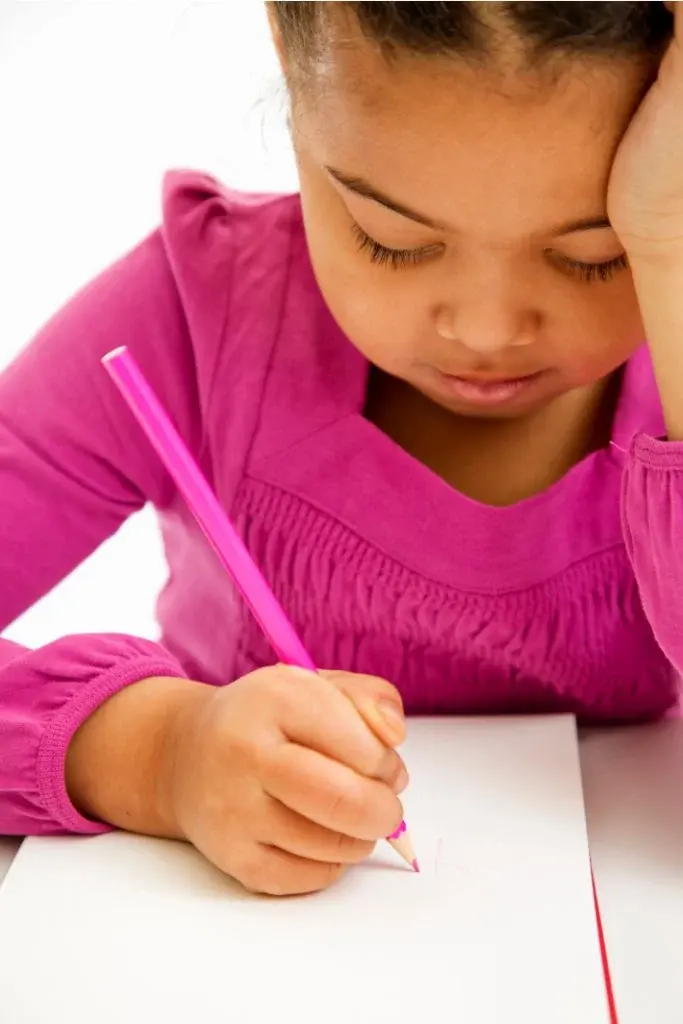
- Encourage toddlers to sit at a table while coloring rather than walking around with the crayons.
By following these steps, you significantly reduce the likelihood of a choking incident. If a child does manage to swallow a piece, remain calm, check their breathing, and contact a pediatrician if you notice signs of distress or if the piece was unusually large.
Best crayon types for toddlers
When selecting art supplies for a toddler, shape and durability are just as important as chemical safety. Traditional thin crayons are often difficult for small hands to control and break easily, creating more potential choking hazards. Instead, look for ergonomic designs that support the development of a toddler’s fine motor skills while minimizing the risk of breakage.
- Egg-shaped crayons: These are designed to fit perfectly in a toddler's palm and are nearly impossible to snap.
- Triangular crayons: The flat sides prevent the crayons from rolling off tables and help toddlers learn the proper tripod grip.
- Beeswax crayons: These are often softer and more durable than paraffin alternatives, making them less likely to splinter.
- Washable crayons: While not strictly a safety feature, these prevent the use of harsh chemical cleaners on walls and furniture, which is safer for the home environment.
Investing in these specialized shapes allows toddlers to express their creativity without the frustration of broken tools or the need for constant supervision of fragile items.
Common mistakes when supervising toddlers
A frequent error parents make is assuming that "non-toxic" means "edible." Even if a product is safe, it is important to teach children that crayons are for paper only. Another common mistake is leaving a toddler unattended with a new box of crayons. A child may decide to peel the paper wrapper off and eat the wax, or they might attempt to use the crayon on surfaces that are difficult to clean, leading to the use of toxic household solvents for removal.
Avoid these common pitfalls by setting clear boundaries from the start. Explain that crayons stay on the paper and are not for eating. If you find your toddler attempting to eat the wax, gently remove the crayon and provide a healthy snack instead. By establishing these routines early, you create a safe environment where art is a positive, controlled activity rather than a source of stress or potential health concerns for your family.
What to do if a toddler eats a crayon
If you discover that your toddler has consumed a crayon, the first step is to assess the situation calmly. In the vast majority of cases, the child will be perfectly fine. Because crayons are designed to be non-toxic, the wax will simply move through the digestive tract. You may notice colored particles in the child's stool over the next day or two, which is a normal and expected outcome of the wax passing through the system.
However, you should monitor the child for any unusual symptoms such as persistent coughing, difficulty swallowing, or signs of abdominal pain. If the child consumed a large amount of wax or if you are unsure about the specific ingredients in a generic or off-brand crayon, do not hesitate to contact your local poison control center or your pediatrician. They can provide specific guidance based on the brand and the amount ingested. Keep the crayon packaging handy so you can provide the manufacturer's information to the medical professional if necessary.
Key facts
- Standard crayons are generally non-toxic and formulated with paraffin wax and color pigments.
- Look for the "AP" (Approved Product) seal from the Art and Creative Materials Institute, which certifies non-toxicity.
- Toddlers often explore with their mouths, so always supervise them during coloring sessions to prevent choking.
- Avoid imported or off-brand crayons, as some have been found to contain traces of lead or asbestos.
- Large, palm-sized "egg" or "rock" shaped crayons are safer and easier for toddlers to grip than thin sticks.
- If a toddler ingests a small piece of a standard wax crayon, it is typically harmless and will pass through the digestive system.
The bottom line
Crayons are generally safe for toddlers when manufactured by reputable companies and used under adult supervision. By choosing non-toxic, thick-grip options and checking for the AP safety seal, you can minimize risks like choking or exposure to harmful substances. While accidental ingestion is rarely dangerous, constant monitoring remains the best practice to ensure a fun, creative, and safe environment for your child’s artistic development.
People also ask
Are there crayons specifically designed for toddlers?
Yes, many companies produce "toddler-safe" crayons that are thicker, easier to grip, and harder to break. These shapes help develop fine motor skills before children have the dexterity to hold standard pencils.
What should I do if my child eats a crayon?
Do not panic, as most crayons are non-toxic and made from paraffin wax. Provide your child with water and monitor them for any signs of choking or unusual behavior, though serious issues are extremely rare.
Do crayons contain lead?
Reputable brands in the United States must meet strict safety standards to ensure they are lead-free. Always check packaging for the AP seal to ensure the product has been independently tested for safety.
Can crayons cause allergic reactions?
While rare, some children may have sensitivities to specific pigments or additives in crayons. If you notice a skin rash or irritation after your child uses crayons, discontinue use and consult a pediatrician.
Are beeswax crayons safer than paraffin ones?
Beeswax crayons are a popular natural alternative often considered safer for those with chemical sensitivities. They are generally non-toxic, though they still pose a minor choking hazard if broken into small pieces.
How can I prevent my toddler from breaking crayons?
Use chunky, ergonomic shapes like spheres or cylinders that are harder to snap. Teaching your child to color on a flat surface rather than holding the crayon in the air also reduces breakage.
This answer was created with the help of AI research tools and reference sources. Spotted an error? Let us know — we correct mistakes quickly. See our editorial policy.