What is an iceberg?
Short answer
An iceberg is a large piece of freshwater ice that has broken off from a glacier or ice shelf and is floating in open, salt-water ocean. These massive structures often extend far below the surface, with only about ten percent of their total volume visible above the waterline at any time.
On this page
How do icebergs form?
Icebergs originate from glaciers, which are massive, slow-moving rivers of ice formed over centuries by the accumulation and compaction of snow. As these glaciers flow toward the coastline, they eventually reach the ocean, where the ice becomes unstable due to tidal forces and the movement of the glacier itself. This process is known as calving, where large chunks of ice fracture and break away from the main glacier mass.
Once a piece of ice breaks off, it enters the sea as an iceberg. These structures are composed entirely of freshwater, as they are derived from terrestrial snowpack. The size of an iceberg depends on the thickness of the glacier from which it calved and the depth of the water it enters. Because the ice is less dense than the surrounding salt water, it remains buoyant, though it continues to melt and erode as it drifts into warmer currents.
Why is most of an iceberg underwater?
The phenomenon where the majority of an iceberg remains hidden beneath the waves is explained by the principles of buoyancy and density. Pure water ice has a density of approximately 917 kilograms per cubic meter, while seawater has a density of about 1,025 kilograms per cubic meter. Because the ice is roughly 90 percent as dense as the salt water, it must displace a volume of water equal to its own weight to stay afloat.
This physical requirement forces the iceberg to sink until the weight of the displaced water matches the weight of the ice. Consequently, only about one-tenth of the iceberg’s total mass protrudes above the surface. This creates a dangerous environment for maritime navigation, as the submerged portion—the "foot"—can extend far beyond the visible perimeter of the ice. Mariners must account for this hidden mass when calculating safe distances from passing icebergs.
How to identify iceberg shapes and types
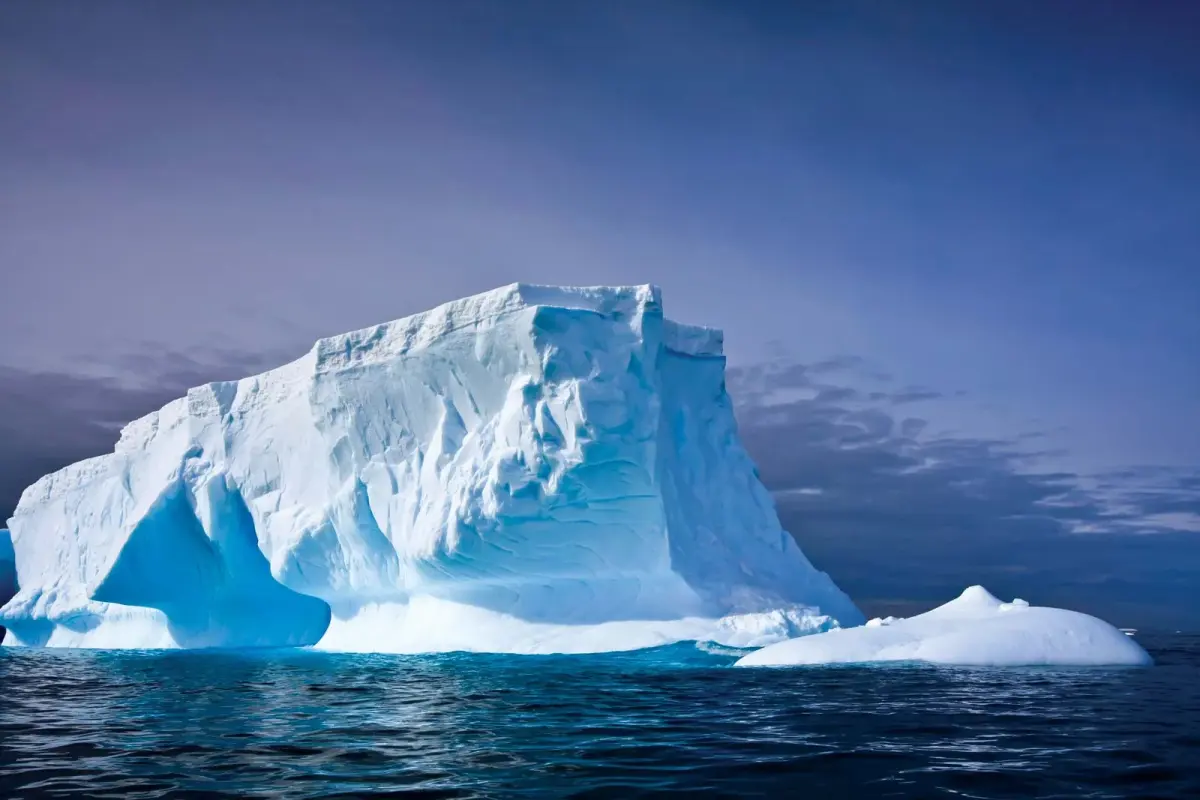
Icebergs are categorized based on their physical shape and size, which helps scientists and sailors track their movement and potential hazards. These classifications provide a standardized way to describe the structural integrity and risk level of a floating ice mass.
- Tabular: These are large, flat-topped icebergs with steep, vertical sides, often breaking off from massive ice shelves.
- Dome: These icebergs have a rounded, smooth top, which can become unstable as they melt and shift.
- Pinnacled: These feature one or more tall, sharp spires or peaks, often created by uneven melting or internal fractures.
- Blocky: These have flat tops but steeper, more vertical sides than tabular icebergs, resembling a solid brick of ice.
- Drydock: These icebergs have a U-shaped slot or channel carved into them, often caused by erosion from wave action.
Common mistakes when observing icebergs
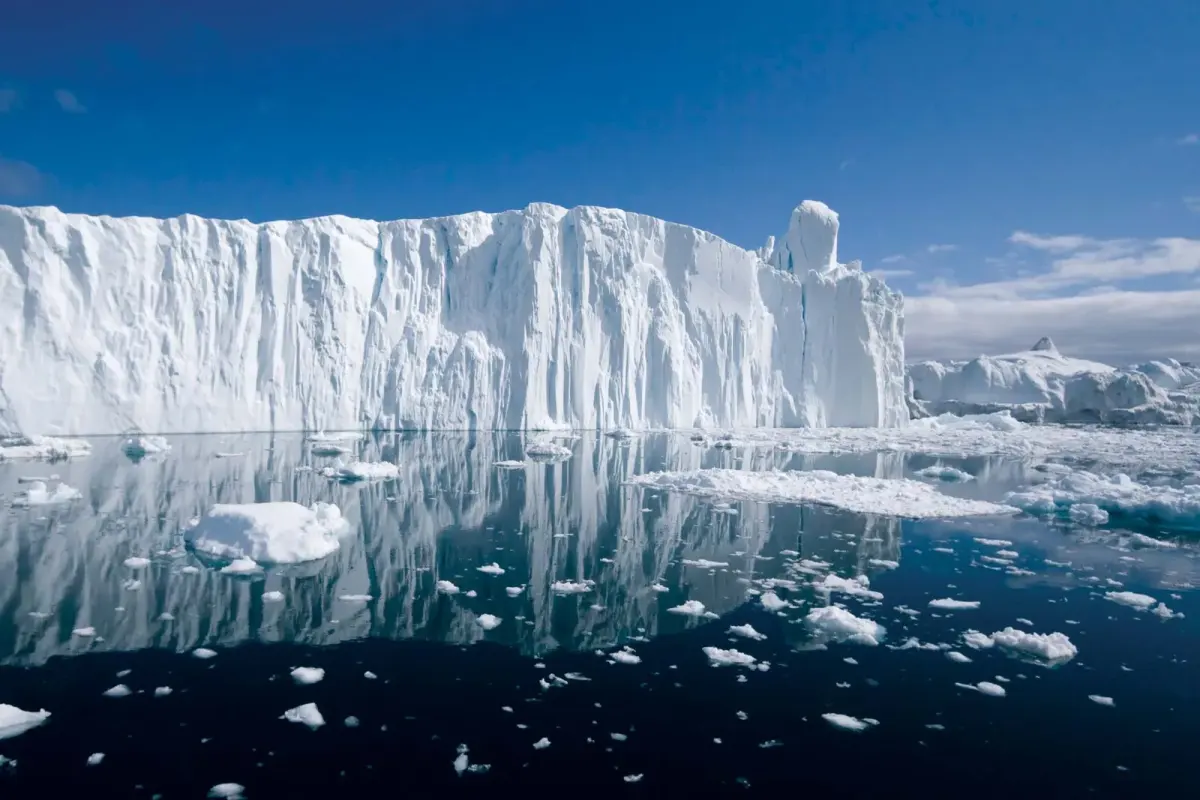
Many people underestimate the volatility of icebergs, leading to significant safety risks. A primary mistake is approaching an iceberg too closely for photography or observation. Because icebergs are constantly melting and shifting, they can become top-heavy or structurally unsound without warning. A sudden change in the center of gravity can cause a massive iceberg to roll over, creating dangerous waves and debris that can easily swamp small vessels.
Another common error is assuming that an iceberg is stationary. While they appear majestic and still, icebergs are driven by powerful deep-ocean currents and wind patterns. They can move at surprising speeds, often against the direction of surface winds. Relying on visual estimates of distance is also a mistake; the atmospheric refraction in polar regions often distorts depth perception, making icebergs appear closer or further away than they actually are.
How to stay safe near icebergs
If you are traveling in regions where icebergs are present, such as the North Atlantic or the waters surrounding Antarctica, you must prioritize safety protocols. Professional mariners and researchers follow specific procedures to minimize the risk of collision or capsizing.
- Maintain a minimum distance of at least two times the height of the iceberg.
- Use radar and sonar equipment to detect submerged ice that is not visible to the naked eye.
- Keep a constant watch for "growlers" and "bergy bits," which are smaller, harder-to-see fragments of ice that can still cause significant hull damage.
- Never attempt to board or climb an iceberg, as they are prone to sudden calving and rotation.
By following these guidelines, you can observe these natural wonders while avoiding the dangers inherent in their unpredictable nature. Always remember that the visible portion of the ice is only a small fraction of the total hazard. Respecting the power and instability of these frozen giants is the most effective way to ensure a safe experience in polar environments.
Key facts
- Icebergs are composed of freshwater, not saltwater, because they originate from land-based glaciers.
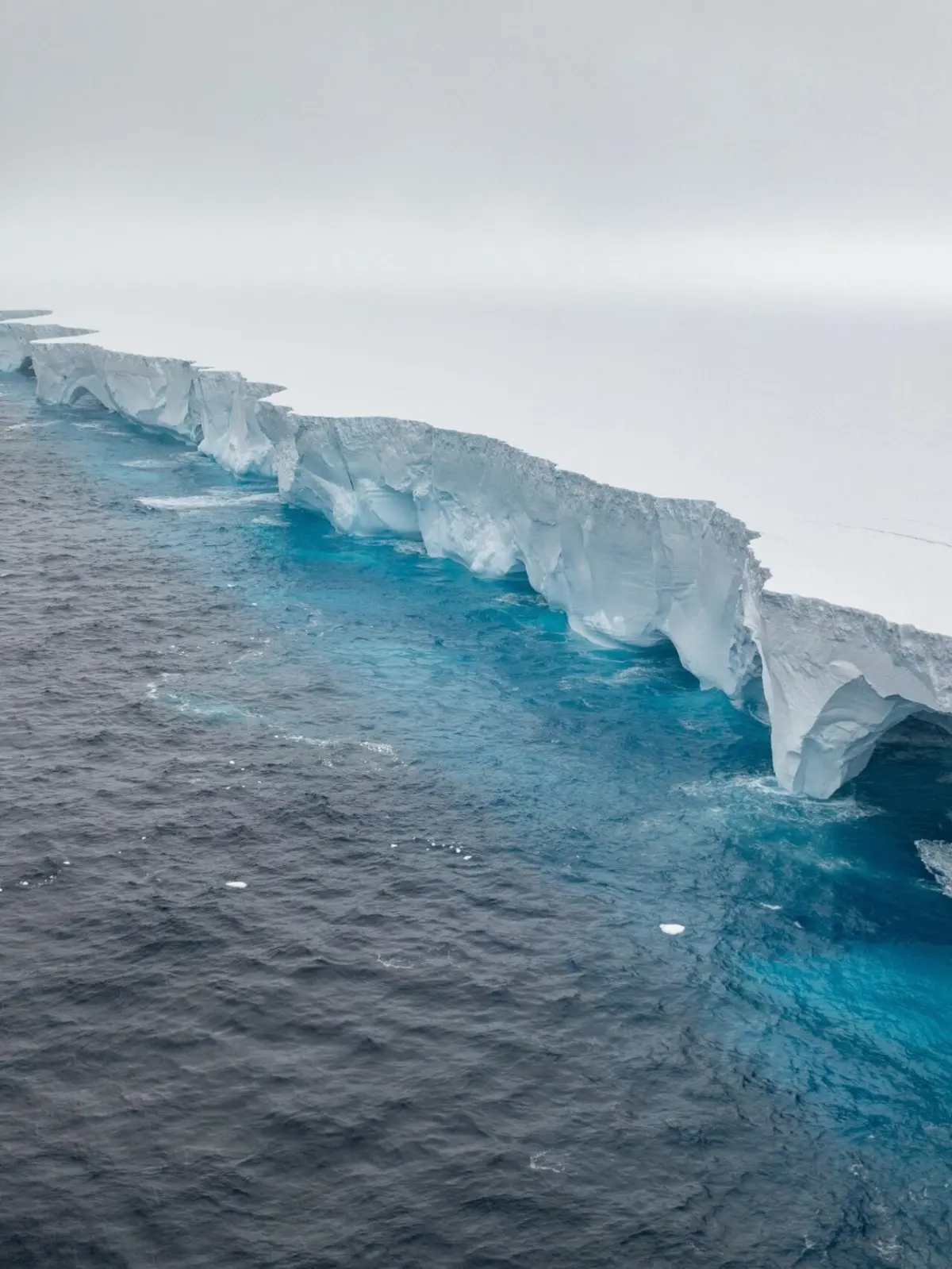
- The largest icebergs can be the size of small countries, such as A23a, which covers roughly 1,500 square miles.
- Only about 10 percent of an iceberg's total volume is visible above the waterline.
- Icebergs are categorized by size, ranging from "growlers" (less than 3 feet high) to "very large" (over 240 feet high).
- A common mistake is assuming icebergs are stationary; they are constantly moved by ocean currents and winds.
- To identify an iceberg safely, look for the distinct blue tint caused by compressed air bubbles being squeezed out of the ice.
The bottom line
Icebergs serve as vital indicators of global climate health, representing the dynamic movement of glaciers into our oceans. While their sheer scale and beauty are captivating, they remain powerful, unpredictable forces of nature that require respect from mariners and researchers alike. Understanding these frozen giants provides essential insight into sea-level rise and the complex, shifting interactions between the Earth’s cryosphere and the warming marine environment.
People also ask
How long do icebergs last before they melt?
An iceberg's lifespan depends on its size and the temperature of the water it encounters. Smaller pieces may melt in a few weeks, while massive tabular icebergs can persist for several years as they drift into warmer latitudes.
Why are some icebergs striped?
Stripes are formed when layers of snow and ice accumulate at different rates or contain varying amounts of sediment. Dark stripes often indicate dirt or volcanic ash trapped during the glacier's formation, while blue stripes appear where seawater has frozen into deep crevasses.
Do icebergs pose a danger to modern ships?
While modern radar and satellite tracking have significantly reduced the risk, collisions remain a threat in remote polar regions. Ships operating in these areas must maintain constant vigilance, as smaller "bergy bits" are often difficult to detect on standard navigation equipment.
Can you drink water from an iceberg?
Yes, iceberg ice is essentially ancient, frozen freshwater and is safe to consume once melted. It is often harvested by commercial companies to create high-end bottled water or clear ice for premium spirits.
What is the difference between an iceberg and an ice shelf?
An ice shelf is a thick, floating platform of ice attached to a landmass, whereas an iceberg is a detached fragment. Ice shelves act as barriers that slow the flow of glaciers into the sea.
Why do icebergs flip over?
As an iceberg melts, its center of gravity shifts, causing it to become unstable. This process can trigger a sudden, violent rotation as the iceberg attempts to regain equilibrium in the water.
This answer was created with the help of AI research tools and reference sources. Spotted an error? Let us know — we correct mistakes quickly. See our editorial policy.