What is a baby whale called?
Short answer
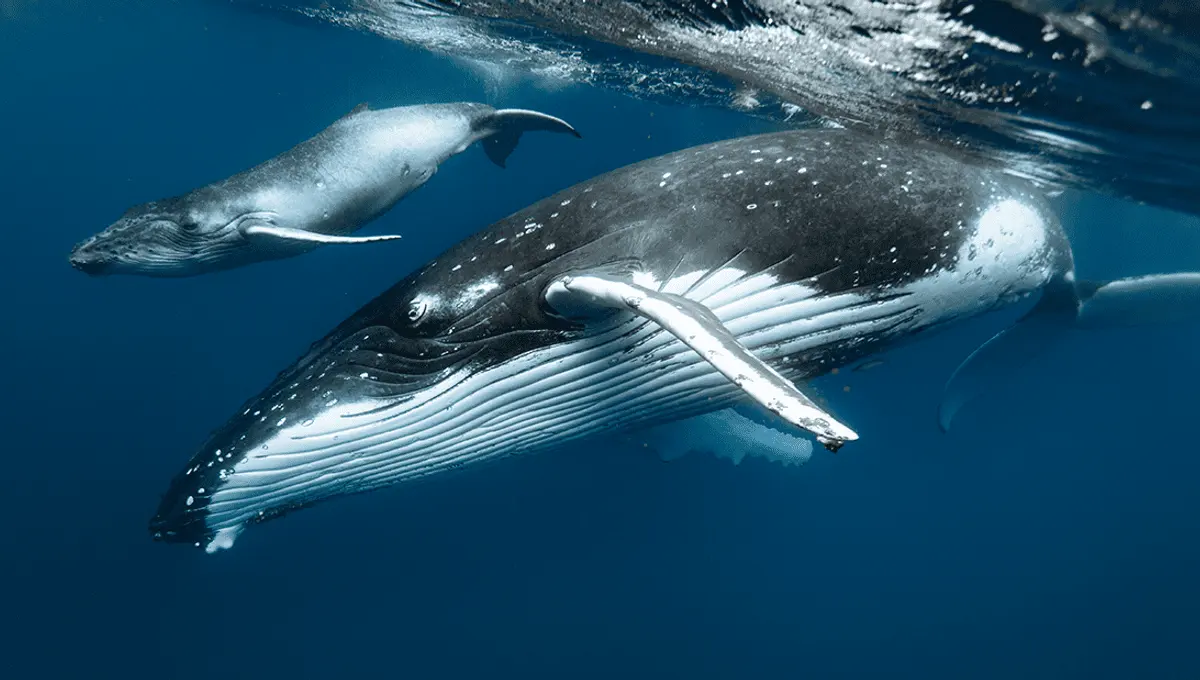
A baby whale is called a calf. This term applies to the young of all whale species, including massive baleen whales like the blue whale and smaller toothed whales like dolphins and porpoises. Calves rely entirely on their mothers for nutrition and protection during the initial months of their development in the ocean.
On this page
What is a baby whale called?
The term "calf" is the universal designation for a young whale, regardless of the species. Whether referring to a colossal blue whale or a relatively small minke whale, marine biologists and researchers consistently use this terminology. This classification is part of a broader naming convention for cetaceans, which are aquatic mammals that give birth to live young rather than laying eggs.
Beyond the general term, scientists sometimes use more specific identifiers based on the whale's age or developmental stage. A newborn is often referred to as a neonate, while a calf that has been recently weaned from its mother might be called a juvenile. Understanding these distinctions helps researchers track population health and growth patterns in wild environments.
How do whale calves grow so fast?
Whale calves experience some of the most rapid growth rates in the animal kingdom. A blue whale calf, for instance, can gain approximately 200 pounds every single day during its nursing period. This incredible growth is fueled by the mother's milk, which is exceptionally rich in fat, often containing between 30% and 50% fat content.
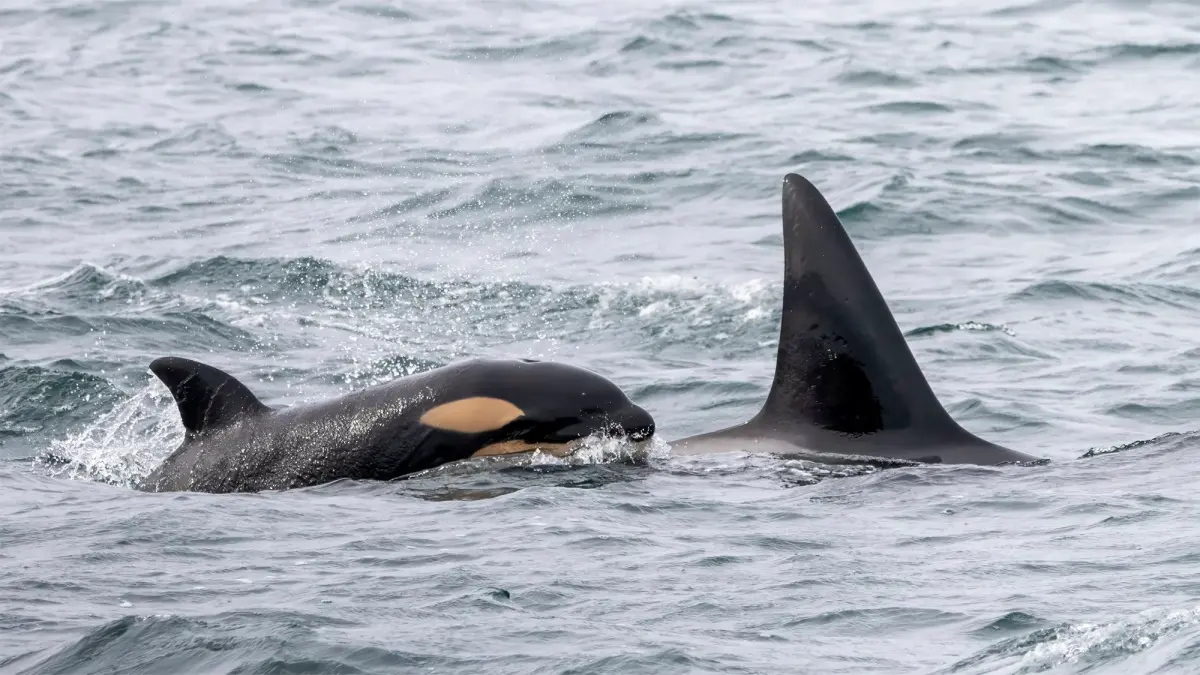
This high-density nutrition allows the calf to build a thick layer of blubber quickly. This insulation is vital for survival in cold ocean waters and provides the energy reserves necessary for the long migrations many whale species undertake. The growth process is highly efficient, ensuring the calf reaches a size that offers better protection against predators like orcas or sharks.
- High fat content in milk promotes rapid tissue development.
- Constant nursing sessions occur throughout the day and night.
- Rapid blubber accumulation provides essential thermal regulation.
- Early growth allows calves to keep pace with migrating pods.
Why do whale calves stay with their mothers?
The bond between a mother whale and her calf is one of the strongest in the marine world. Calves stay with their mothers for extended periods, ranging from six months to several years, depending on the species. During this time, the mother provides constant protection, guidance, and training in essential survival skills.
The mother teaches the calf how to navigate, locate food, and communicate using complex vocalizations. In species like humpback whales, the mother also shields the calf from potential threats. This extended period of maternal care is critical for the calf's social development and ensures it learns the migratory routes and feeding grounds necessary for adulthood.
- The mother provides physical protection from predators.
- Calves learn complex social behaviors through observation.
- Mothers guide their young along traditional migratory paths.
- Social bonding helps the calf integrate into the larger pod.
How to identify a whale calf in the wild
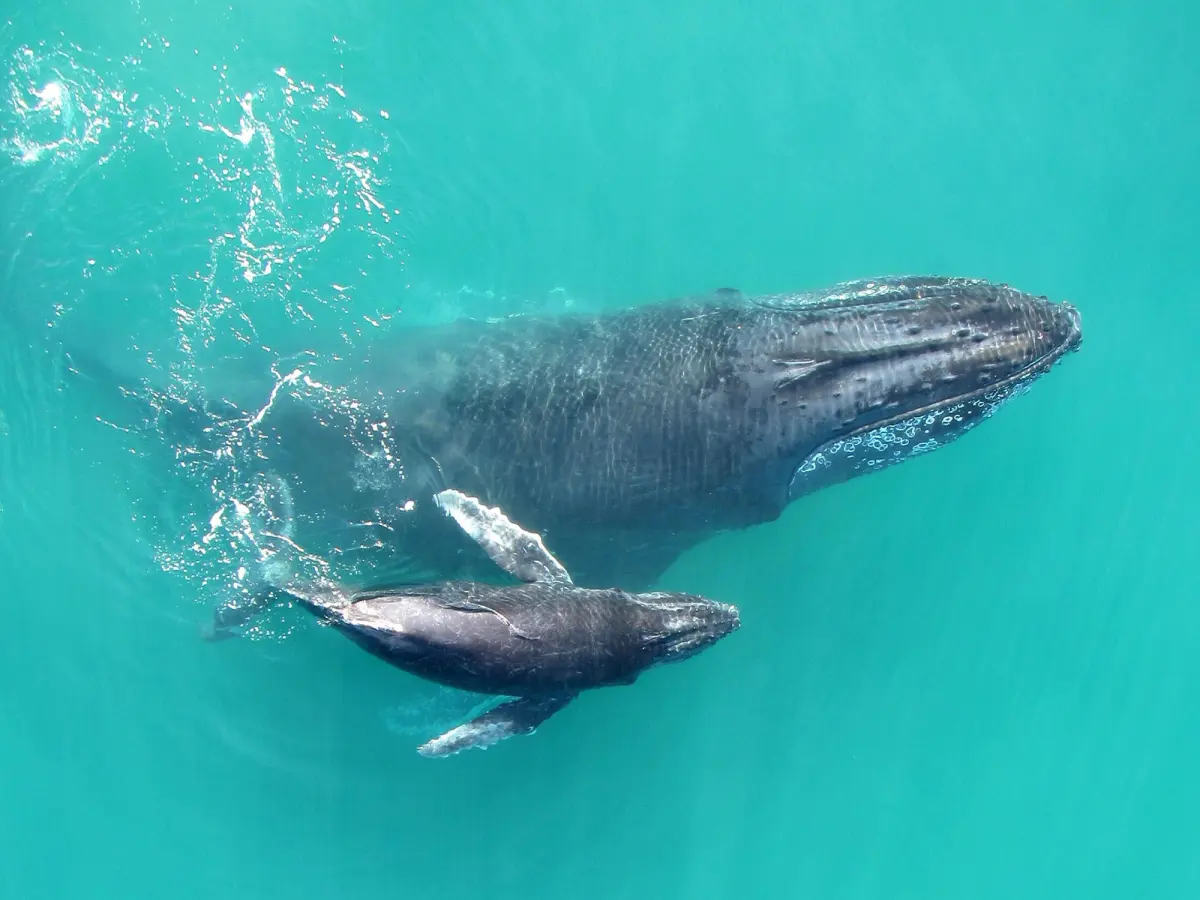
Identifying a calf in the ocean requires careful observation of both size and behavior. Calves are significantly smaller than the adults in their pod and often swim in a "nursing position," which is right alongside the mother's flank. This positioning allows the calf to draft in the mother’s slipstream, saving energy while swimming.
Observers should look for synchronized movements between the adult and the smaller whale. A calf will often surface more frequently than an adult because its lungs are smaller, requiring more regular breaths. If you are watching whales from a boat, keep a respectful distance, as the mother is highly protective and may react defensively if she feels the calf is being threatened or crowded.
Common mistakes when observing whale calves
One of the most frequent mistakes people make is attempting to get too close to a mother and her calf. Approaching a whale pair can cause significant stress, leading the mother to abandon her calf or expend vital energy fleeing. Always maintain a distance of at least 100 yards to ensure the safety of both the animals and the observers.
Another error is assuming that a calf is abandoned simply because it is swimming alone for a few minutes. Mothers often dive deep to feed, leaving their calves near the surface to rest. Never attempt to intervene or assist a calf unless you are a trained professional, as human interference can disrupt natural behaviors and cause long-term harm to the animal's development and survival prospects in the wild.
Key facts
- A baby whale is scientifically referred to as a calf.
- Calves are typically born tail-first to prevent drowning during the birthing process.
- Depending on the species, a newborn blue whale calf can measure up to 25 feet in length.
- Mother whales produce milk that is extremely high in fat, often described as having the consistency of toothpaste.
- A calf may consume over 100 gallons of its mother's milk every single day to support rapid growth.
- Weaning periods vary by species, ranging from six months for some dolphins to two years for certain large whales.
The bottom line
A baby whale is officially known as a calf, a term used across all cetacean species. These remarkable creatures are born ready to navigate the ocean, relying on their mothers for high-fat milk and protection during their formative years. Understanding the development of a calf provides deep insight into the complex social structures and survival strategies that whales employ to thrive in diverse marine environments worldwide.
People also ask
How long do baby whales stay with their mothers?
The duration of maternal care depends on the species, but most calves remain with their mothers for one to two years. During this time, they learn essential survival skills such as hunting, migrating, and communicating within their pod.
Do baby whales have teeth when they are born?
Whether a calf has teeth depends on its suborder. Toothed whales, such as orcas and sperm whales, are born with teeth, while baleen whales are born with baleen plates that develop fully as they mature.
How much does a baby blue whale weigh at birth?
A newborn blue whale calf typically weighs between 5,000 and 6,000 pounds. They are among the largest infants in the animal kingdom and gain weight at an incredible rate of roughly 200 pounds per day.
Can baby whales swim as soon as they are born?
Yes, whale calves are capable of swimming almost immediately after birth. The mother often assists the calf by nudging it to the surface for its first breath of air.
Do baby whales sleep underwater?
Whales are conscious breathers, meaning they must choose to surface for air. Calves often rest by floating near the surface or swimming slowly alongside their mothers, taking short naps while remaining alert.
How do baby whales communicate with their mothers?
Calves communicate using a variety of whistles, clicks, and low-frequency pulses. These sounds help the pair stay in contact, especially in murky waters or during long migrations across the ocean.
This answer was created with the help of AI research tools and reference sources. Spotted an error? Let us know — we correct mistakes quickly. See our editorial policy.