What is a baby deer called?
Short answer
A baby deer is called a fawn. This term applies to the young of many deer species during their first year of life. After reaching one year of age, a young deer is typically referred to as a yearling. Male deer may then be called bucks or stags, while females are called does.
On this page
What is a baby deer called?
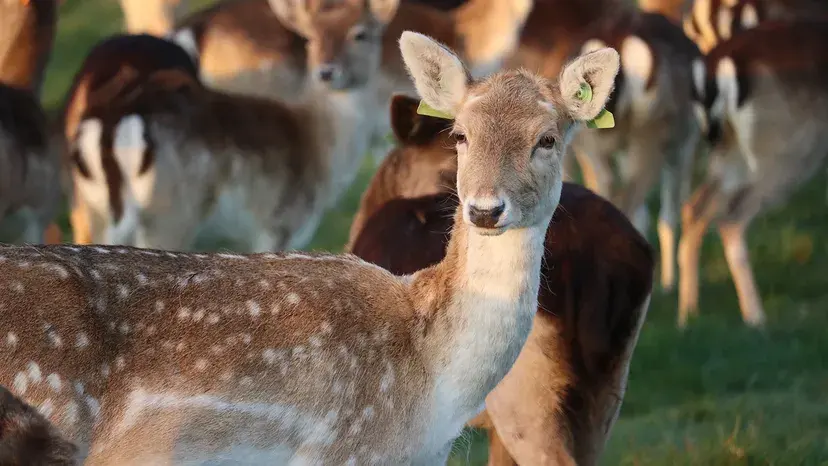
A baby deer is officially known as a fawn. This term is used for the offspring of almost all deer species, including white-tailed deer, mule deer, and elk. The term remains accurate until the animal reaches its first birthday, at which point it transitions into the yearling stage.
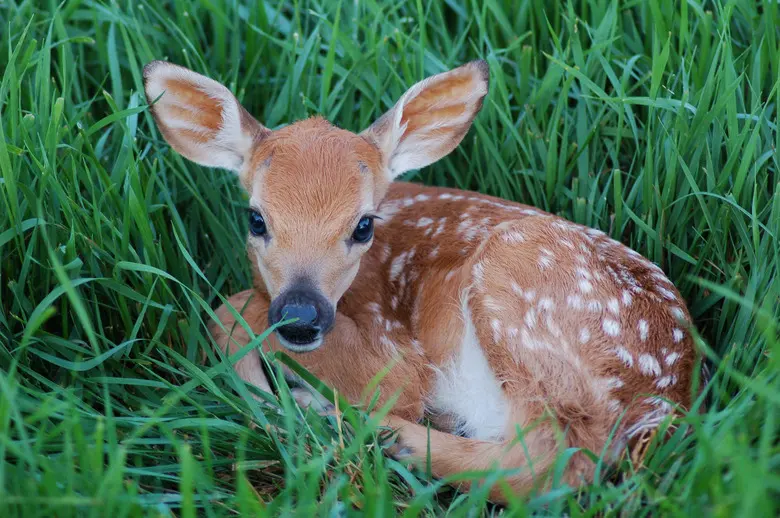
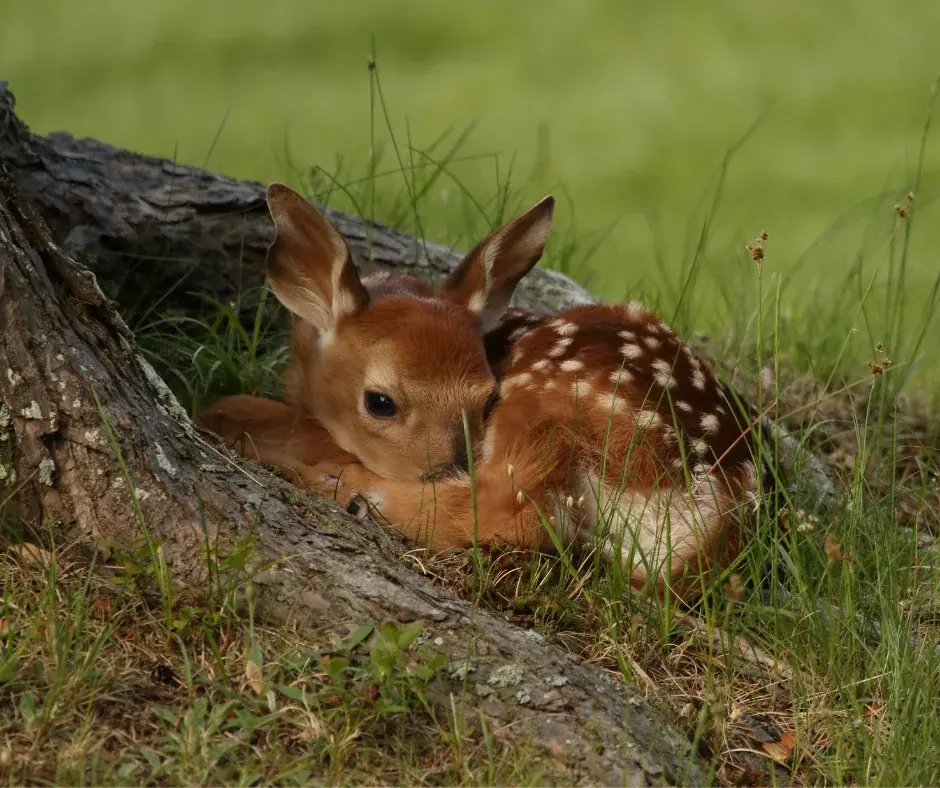
The development of a fawn is rapid and specialized for survival in the wild. Upon birth, a fawn is often scentless, which helps it avoid detection by predators. They are also born with a spotted coat that mimics the dappled sunlight filtering through forest canopies. This natural camouflage is essential because fawns spend much of their first few weeks lying motionless in tall grass while their mothers forage nearby.
How long does a fawn stay with its mother?
Fawns typically remain with their mothers for about one year. During this time, they learn essential survival skills, such as identifying safe food sources and recognizing potential threats in their environment. The mother provides protection and nourishment, though she often leaves the fawn alone for long periods to avoid drawing predators to its hiding spot.
The weaning process usually begins when the fawn is a few months old, as it starts to supplement its diet with vegetation. By the time autumn arrives, the fawn has usually lost its white spots and grown a thicker winter coat. The bond between the doe and her offspring eventually weakens as the next breeding season approaches.
- The fawn begins following the mother on foraging trips at 3 to 4 weeks old.
- Weaning from milk typically concludes by the time the fawn is 4 to 6 months old.
- The young deer becomes fully independent by the following spring, often coinciding with the birth of the mother's next set of offspring.
Why do fawns stay hidden in the grass?
The primary reason a fawn stays hidden is to avoid detection by predators like coyotes, bobcats, and bears. Because a fawn lacks the speed and stamina of an adult deer, its best defense is to remain perfectly still. Its spotted coat breaks up its outline, making it nearly invisible against the forest floor.
During these periods of isolation, the mother deer returns only to nurse the fawn, usually at dawn and dusk. This strategy minimizes the amount of time the mother spends near the fawn, as her own scent could inadvertently lead predators to her offspring. This behavior is a highly evolved survival mechanism that has ensured the success of deer populations across diverse ecosystems for millennia.
- The fawn remains quiet and still to prevent attracting attention.
- The mother keeps her distance to avoid leaving a scent trail.
- The fawn's lack of a strong scent makes it difficult for predators to track it by smell.
Common mistakes when finding a baby deer
One of the most frequent mistakes people make is assuming that a solitary fawn has been abandoned. In reality, it is perfectly normal for a mother deer to leave her fawn alone for hours at a time. If you encounter a fawn lying quietly in the grass, it is almost certainly not in distress and should be left completely undisturbed.
Interfering with a fawn can have serious consequences. Human scent left on the animal may attract predators, and unnecessary handling can cause the fawn extreme stress. Furthermore, removing a fawn from the wild is often illegal and prevents the animal from learning the natural behaviors required for survival. If you are concerned about a fawn, observe it from a significant distance and do not attempt to feed or touch it.
How to identify if a fawn needs help
While most solitary fawns are healthy, there are specific signs that indicate an animal may truly be orphaned or injured. If you observe these symptoms, contact a licensed wildlife rehabilitator rather than attempting to intervene yourself. Professional intervention is the only way to ensure the animal receives appropriate care without becoming habituated to humans.
- The fawn is wandering aimlessly and crying out repeatedly for an extended period.
- There are visible signs of injury, such as bleeding, limping, or broken limbs.
- The fawn is covered in flies or appears lethargic and unresponsive to its surroundings.
- The fawn is found near a deceased mother, confirming that it has been orphaned.
If you suspect an emergency, document the exact location and contact local wildlife authorities or a certified rescue organization. By following these professional guidelines, you ensure the best possible outcome for the animal while maintaining the safety of both the public and the local wildlife population.
Key facts
- A baby deer is most commonly called a fawn.
- Depending on the species, some young deer are also referred to as calves or kids.
- Fawns are born with white spots on their coats, which provide camouflage against dappled sunlight.
- A newborn fawn is typically scentless, a biological adaptation that helps it hide from predators.
- A female deer is called a doe, and a male deer is called a buck or a stag.
- If you find a fawn alone, do not touch or move it, as the mother is likely nearby foraging.
The bottom line
While the term fawn is the standard name for a baby deer, the most important takeaway is the necessity of leaving them undisturbed in the wild. Their spotted coats and scentless nature are sophisticated evolutionary traits designed for survival. If you encounter a fawn resting alone, understand that it is not abandoned; the mother is intentionally keeping her distance to avoid drawing predators to her young.
People also ask
How long do fawns stay with their mothers?
Fawns typically stay with their mothers for about one year. During this time, they learn essential survival skills such as foraging and identifying predators.
Do fawns eat grass immediately after birth?
No, fawns rely exclusively on their mother's milk for the first few weeks of life. They begin to experiment with solid vegetation, such as grass and leaves, at about two to three weeks old.
Why do fawns stay so still when they are young?
Staying perfectly still is a primary defense mechanism against predators. Because fawns lack the speed of adults, freezing in tall grass allows their camouflage to keep them hidden.
How many fawns does a doe usually have at once?
A doe typically gives birth to one or two fawns at a time. In some cases, especially with older, healthy does, triplets can occur, though this is less common.
When do fawns lose their spots?
Most fawns begin to lose their white spots when they molt into their winter coats. This transition usually happens between three and four months of age.
Are fawns dangerous to humans?
Fawns are not aggressive, but they should never be approached or handled by humans. Human interaction can cause the fawn stress or lead the mother to abandon the offspring.
This answer was created with the help of AI research tools and reference sources. Spotted an error? Let us know — we correct mistakes quickly. See our editorial policy.