What is the difference between a piano and a keyboard?
Short answer
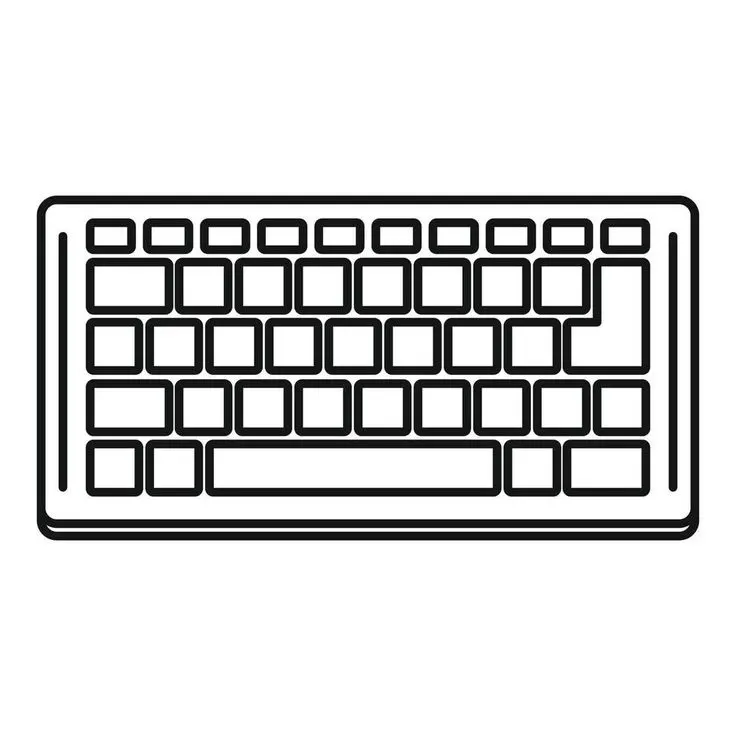
A piano is an acoustic instrument that produces sound through felt-covered hammers striking tensioned steel strings. A keyboard, or electronic digital piano, generates sound through digital synthesis or recorded samples played through speakers. While both share the same 88-key layout, they differ fundamentally in mechanical complexity, sound production, and portability.
On this page
How do pianos and keyboards produce sound?
The acoustic piano is a complex mechanical marvel containing over 12,000 individual parts. When you press a key, a series of levers triggers a felt hammer to strike a specific set of high-tension strings. This physical vibration is amplified by a large wooden soundboard, creating a rich, organic tone that changes based on how hard you strike the keys. Because the sound is produced physically, the player has nuanced control over the timbre and sustain of every note.
Keyboards, conversely, rely on digital technology to emulate these sounds. When a key is pressed, a sensor sends a signal to a processor, which triggers a pre-recorded audio file or a mathematical model of a piano sound. Modern high-end digital pianos use "weighted" actions to simulate the resistance of real hammers, but the sound itself is always electronic. This means keyboards never require tuning and can produce a wide variety of instrument voices, such as organs, synthesizers, or orchestral strings, at the touch of a button.
What are the key differences in maintenance and longevity?
Acoustic pianos are long-term investments that require significant care to maintain their value and performance. Because they are made of wood and metal, they are highly sensitive to changes in humidity and temperature, which cause the strings to stretch and the soundboard to warp. To keep a piano in playing condition, owners must follow a strict maintenance schedule:
- Schedule professional tuning at least twice per year to keep strings at the correct pitch.
- Regulate the action every few years to ensure the mechanical levers function smoothly.
- Keep the instrument away from direct sunlight, heating vents, and drafty windows.
Digital keyboards are essentially computers and do not require tuning or mechanical regulation. However, they have a limited lifespan because electronic components, such as circuit boards and screen displays, eventually fail. While a well-maintained acoustic piano can last for over a century, a digital keyboard typically reaches the end of its useful life within 10 to 20 years. If a key stops working on a keyboard, it often requires a full board replacement or professional electronic repair rather than a simple mechanical adjustment.
How to choose between a piano and a keyboard?
Choosing the right instrument depends on your living situation, musical goals, and budget. If you are a serious student aiming for a career in classical performance, an acoustic piano is the gold standard for developing finger strength and dynamic control. However, if you live in an apartment or have limited space, a digital keyboard offers significant practical advantages. Consider these factors when making your decision:
- Space: Pianos require a dedicated, climate-controlled area, whereas keyboards fit on a desk or portable stand.
- Volume: Keyboards allow for headphone use, which is essential for practicing in shared living spaces without disturbing others.
- Portability: Digital keyboards are lightweight and can be moved easily, making them ideal for gigging musicians.
- Cost: Entry-level keyboards are significantly cheaper than acoustic pianos, which often require expensive moving services and recurring maintenance costs.
Common mistakes when buying your first instrument
Many beginners make the mistake of purchasing an inexpensive, unweighted keyboard that does not replicate the feel of a real piano. These "synth-action" keys feel like plastic buttons and do not provide the necessary resistance to build the muscle memory required for advanced playing. Avoid these common pitfalls to ensure you progress effectively:
- Buying a keyboard with fewer than 88 keys, which limits your ability to play standard classical repertoire.
- Ignoring the importance of the sustain pedal, which is critical for learning proper phrasing and legato techniques.
- Purchasing a used acoustic piano without having a professional technician inspect the soundboard and pinblock for hidden damage.
- Underestimating the cost of accessories, such as a sturdy stand, a comfortable bench, and high-quality headphones for digital models.
Always prioritize "weighted" or "graded hammer action" keys when looking at digital options. This feature mimics the heavy feel of an acoustic keyboard, ensuring that your transition between instruments remains seamless.
Why do professional musicians use both?
Professional musicians often keep both instruments in their repertoire to serve different functions. An acoustic piano is the preferred choice for studio recording and live performances in concert halls, where the natural resonance and aesthetic beauty of the instrument are paramount. The tactile feedback of a real piano simply cannot be replicated perfectly by digital means, making it the primary tool for artistic expression in traditional genres.
Digital keyboards serve as the workhorse for modern production, touring, and education. Their ability to interface with computers via MIDI allows musicians to record, edit, and layer sounds with infinite flexibility. Furthermore, a keyboard can simulate various piano types—from bright, percussive uprights to mellow, concert-grade grand pianos—all within a single unit. By understanding the unique strengths of both, players can leverage the acoustic instrument’s soul and the digital instrument’s versatility to achieve a well-rounded musical education. Whether you choose the timeless craftsmanship of the acoustic piano or the modern convenience of the keyboard, your journey in music will be defined by the hours of practice you dedicate to your chosen craft.
Key facts
- A piano produces sound through physical hammers striking metal strings inside a wooden case.
- Electronic keyboards generate sound digitally through speakers, often using recorded samples of real instruments.
- Acoustic pianos require professional tuning at least twice a year to maintain correct pitch.
- Digital keyboards offer volume control, headphone jacks, and the ability to mimic hundreds of different sounds.
- Standard acoustic pianos have 88 weighted keys that provide resistance to mimic the feel of a mechanical action.
- Beginners should prioritize "weighted" or "hammer-action" keys on a keyboard to build proper finger strength and technique.
The bottom line
The primary difference lies in the sound production method: acoustic pianos rely on mechanical hammers and strings, while keyboards use digital technology. For serious students, an 88-key weighted keyboard is a practical, space-saving alternative to an acoustic instrument. While pianos offer unmatched tonal depth and longevity, keyboards provide versatility, portability, and volume control, making them ideal for modern living spaces and diverse musical experimentation.
People also ask
Do keyboards ever need to be tuned?
No, electronic keyboards do not require tuning because their pitch is determined by digital software. They remain at the correct pitch regardless of temperature or humidity changes.
Can a keyboard replace an acoustic piano for learning?
Yes, provided the keyboard has 88 full-sized, weighted keys. This ensures the student develops the necessary muscle memory and finger strength required for a real piano.
How much space does each instrument typically occupy?
An upright piano usually requires a dedicated space of about 5 feet wide and 2 feet deep. A keyboard can be placed on a portable stand and stored in a closet when not in use.
Are there differences in the maintenance of these instruments?
Pianos are sensitive to environment and require climate control to prevent wood warping and string rust. Keyboards are low-maintenance and only require occasional dusting and battery or power cable checks.
What is the lifespan of a piano compared to a keyboard?
A well-maintained acoustic piano can last for 50 to 100 years or more. Most electronic keyboards have a functional lifespan of 5 to 15 years due to technological obsolescence or component wear.
Is it harder to play on a keyboard than a piano?
It is generally easier to play on a keyboard due to the lighter touch of the keys. However, this can make transitioning to an acoustic piano difficult if the player has not practiced on weighted keys.
This answer was created with the help of AI research tools and reference sources. Spotted an error? Let us know — we correct mistakes quickly. See our editorial policy.