How long do snails live?
Short answer
Snails typically live between two and five years in the wild, though their lifespan varies significantly by species and environment. While many common garden snails live less than three years due to predation, some larger species kept in captivity can thrive for over a decade with proper care and stable conditions.
On this page
How long do common garden snails live?
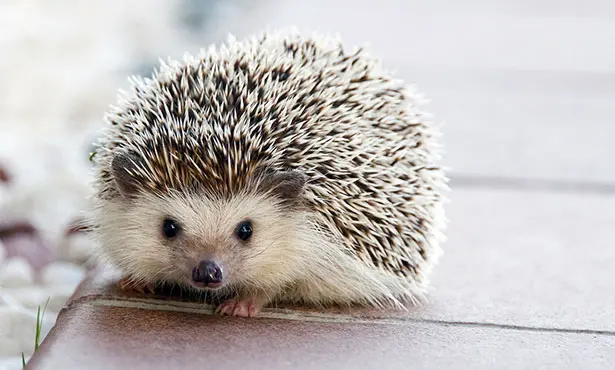
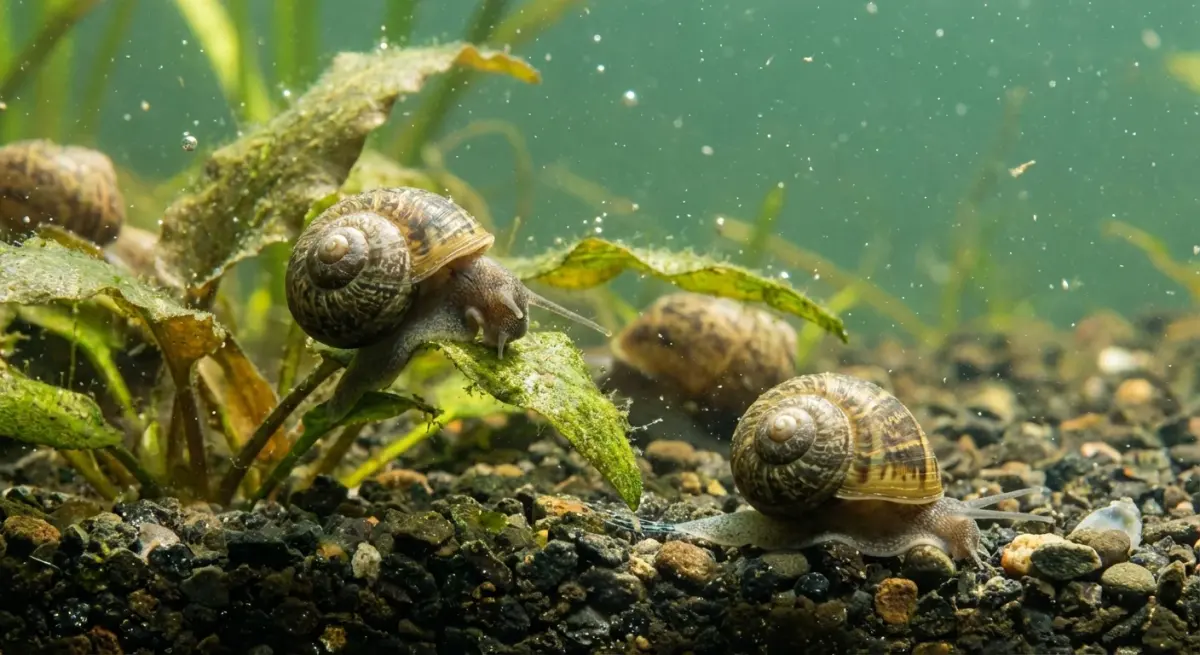
The common garden snail, scientifically known as Cornu aspersum, generally has a lifespan of two to three years in natural habitats. These mollusks face constant threats from predators such as birds, beetles, hedgehogs, and rodents, which significantly shorten their life expectancy. Environmental factors like extreme drought or freezing temperatures also play a crucial role in determining whether a snail reaches its full biological potential.
In protected environments, however, these snails often live longer, frequently reaching five years or more. Without the pressure of predators and with a consistent supply of food and moisture, their metabolism remains steady. If you are observing snails in your backyard, you will notice that their shells often show signs of wear or damage over time, which serves as a visible indicator of their age and the harshness of their surroundings.
What factors affect snail lifespan?
Several biological and environmental variables dictate how long a snail lives. Genetics play a foundational role, but external stressors are often the deciding factor in survival rates. The most significant influences on longevity include:
- Humidity levels: Snails require moisture to prevent dehydration and to facilitate movement.
- Calcium availability: Essential for maintaining shell integrity and health.
- Temperature stability: Extreme fluctuations can force snails into aestivation or hibernation.
- Predator density: High populations of natural enemies reduce average survival rates.
Dietary quality is another critical component. Snails that have access to a diverse range of leafy greens, vegetables, and calcium-rich sources are far more resilient than those scavenging in barren areas. When a snail lacks necessary minerals, its shell becomes thin and brittle, leaving it vulnerable to infections and physical trauma. Maintaining a consistent environment is the primary way to ensure a snail reaches its maximum potential age.
How long do giant African land snails live?
Giant African land snails, such as Achatina achatina, are among the longest-lived species, often reaching 10 years of age in captivity. Some well-documented specimens have even lived beyond 15 years when provided with optimal housing and specialized care. Because these snails grow to impressive sizes, they require significant space and a highly regulated climate to avoid health complications associated with aging.
Unlike smaller garden varieties, these large snails are often kept as exotic pets, which allows owners to monitor their health closely. Providing a high-quality diet and maintaining a proper substrate depth helps prevent common issues like shell rot or respiratory infections. If you are considering keeping these snails, keep in mind that their long lifespan requires a significant commitment to ongoing maintenance and environmental control.
Common mistakes when caring for pet snails
Many people accidentally shorten the lives of their pet snails by neglecting subtle environmental needs. One of the most frequent errors is failing to provide a consistent source of calcium, such as a cuttlebone, which is vital for shell development. Without this, the snail’s shell will eventually crack or deform, leading to internal organ damage.
Another common mistake involves improper humidity and temperature regulation. Owners often place enclosures in direct sunlight or drafty areas, causing the snail to dry out or enter stress-induced dormancy. To ensure a healthy life for your pet, follow these basic steps:
- Research the specific humidity requirements for your species.
- Provide a constant source of calcium in the enclosure.
- Clean the tank regularly to prevent mold and bacterial growth.
- Avoid using chemical pesticides or detergents near the habitat.
How to identify a healthy snail
Determining the age and health of a snail involves looking at the condition of its shell and its overall activity levels. A healthy, younger snail will have a smooth, vibrant shell with a firm, unbroken edge known as the lip. As a snail ages, the shell may become duller, and you might notice small, repaired cracks or patches of discoloration, which are normal signs of a long life.
Behavioral cues are equally important when assessing longevity. A healthy snail should be active during its preferred hours, usually at night, and react quickly when touched. If a snail remains retracted in its shell for extended periods or shows a lack of appetite, it may be suffering from environmental stress or illness. By monitoring these physical and behavioral signs, you can better understand the life stage of your snail and provide the necessary adjustments to support its health.
Key facts
- Most garden snails live between 2 and 5 years in the wild, though some species can survive much longer in captivity.
- Large species like the Giant African Land Snail can live for up to 10 years if provided with optimal conditions.
- Environmental stressors such as drought, extreme cold, and predators significantly shorten the lifespan of wild snails.
- Snails enter a state of dormancy called estivation during dry periods to conserve moisture and extend their survival.
- A consistent calcium supply is essential for shell health and longevity in both wild and pet snail populations.
- Avoid using chemical pesticides in your garden, as these are the leading cause of premature death for common land snails.
The bottom line
While the lifespan of a snail varies greatly by species and environment, most common varieties live for several years under stable conditions. Whether observing them in your garden or keeping them as pets, providing a moist, calcium-rich habitat is the most effective way to ensure their longevity. By avoiding chemical fertilizers and maintaining consistent humidity, you can help these resilient mollusks thrive throughout their natural life cycle.
People also ask
Do snails die after they lay eggs?
No, snails are hermaphrodites and do not die after reproducing. They can lay multiple clutches of eggs throughout their lives depending on the species and environmental conditions.
How can I tell how old a snail is?
It is difficult to determine the exact age of a snail, but you can estimate it by the size and thickness of their shell. Older snails often have more worn, thicker shells with clearly defined growth rings.
What is the primary cause of death for pet snails?
The most common cause of death for pet snails is improper habitat maintenance, specifically poor humidity control and lack of calcium. Dehydration or shell degradation often leads to fatal health complications.
Can snails live in water and on land?
While some snails are aquatic and others are terrestrial, they generally cannot survive outside of their specific environment. Moving a land snail into an aquarium will cause it to drown quickly.
Do snails hibernate during the winter?
Yes, many land snails hibernate during cold weather by sealing their shell opening with a layer of dried mucus called an epiphragm. This protects them from freezing temperatures until spring arrives.
What do snails eat to stay healthy?
Snails require a diet rich in calcium, such as cuttlebone, alongside fresh vegetables like kale, lettuce, and carrots. Avoid feeding them citrus or salty foods, as these can be toxic to their systems.
This answer was created with the help of AI research tools and reference sources. Spotted an error? Let us know — we correct mistakes quickly. See our editorial policy.