How long do moose live?
Short answer
In the wild, moose typically live between 10 and 15 years. While some individuals may survive into their late teens under ideal conditions, environmental stressors often shorten their lifespans. Moose in captivity can occasionally reach 20 years of age, as they are protected from predators, harsh winters, and food scarcity.
On this page
How long do moose live in the wild?
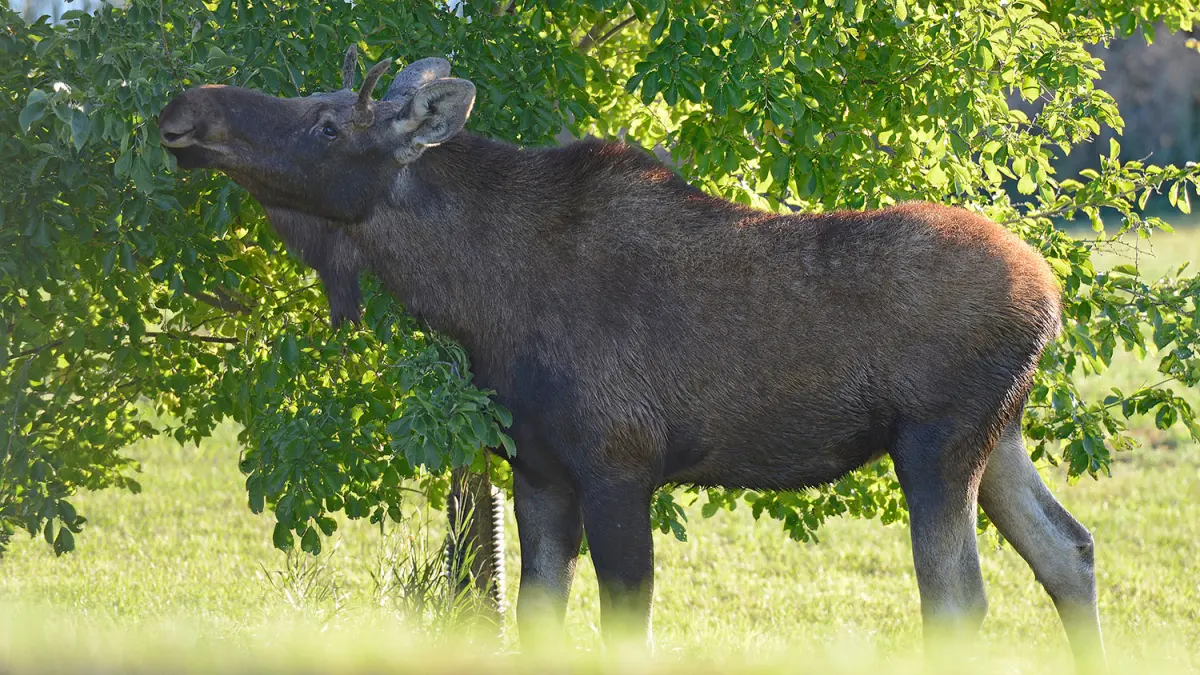
The average lifespan of a moose in its natural habitat is significantly influenced by environmental factors and predation. Most moose reach maturity between three and five years of age, entering their prime reproductive years shortly thereafter. By the time they reach 10 to 12 years old, many moose begin to show signs of physical decline, including tooth wear and reduced agility.
Survival rates fluctuate based on the quality of their habitat and the severity of local winters. In areas with high predator density, such as regions inhabited by wolves or grizzly bears, moose may not reach their full potential lifespan. Conversely, in protected areas with abundant forage, they are more likely to survive into their mid-teens. The following factors primarily determine their longevity:
- Availability of high-quality aquatic and terrestrial vegetation.
- Severity of winter conditions and snow depth.
- Density of apex predators like gray wolves and bears.
- Prevalence of parasites, such as winter ticks and brain worms.
Why do moose die young?
Many moose do not survive past their first year due to predation and the difficulty of navigating their first winter. Calves are particularly vulnerable during the spring and early summer when they are small and lack the defensive capabilities of adults. If a calf fails to accumulate sufficient fat reserves during the autumn, it may succumb to starvation or cold stress before the spring thaw.
Adult moose face different challenges, primarily related to health and injury. As moose age, their teeth wear down from grinding tough woody browse, making it increasingly difficult to maintain the caloric intake required for survival. This nutritional deficit leaves them susceptible to disease and less capable of escaping predators. Common causes of mortality include:
- Predation by wolves, which often target the young, the sick, or the elderly.
- Severe winter tick infestations that cause anemia and hair loss.
- Accidents, such as vehicle collisions, which are a leading cause of death in populated areas.
- Chronic wasting disease or other neurological ailments.
How does captivity affect moose longevity?
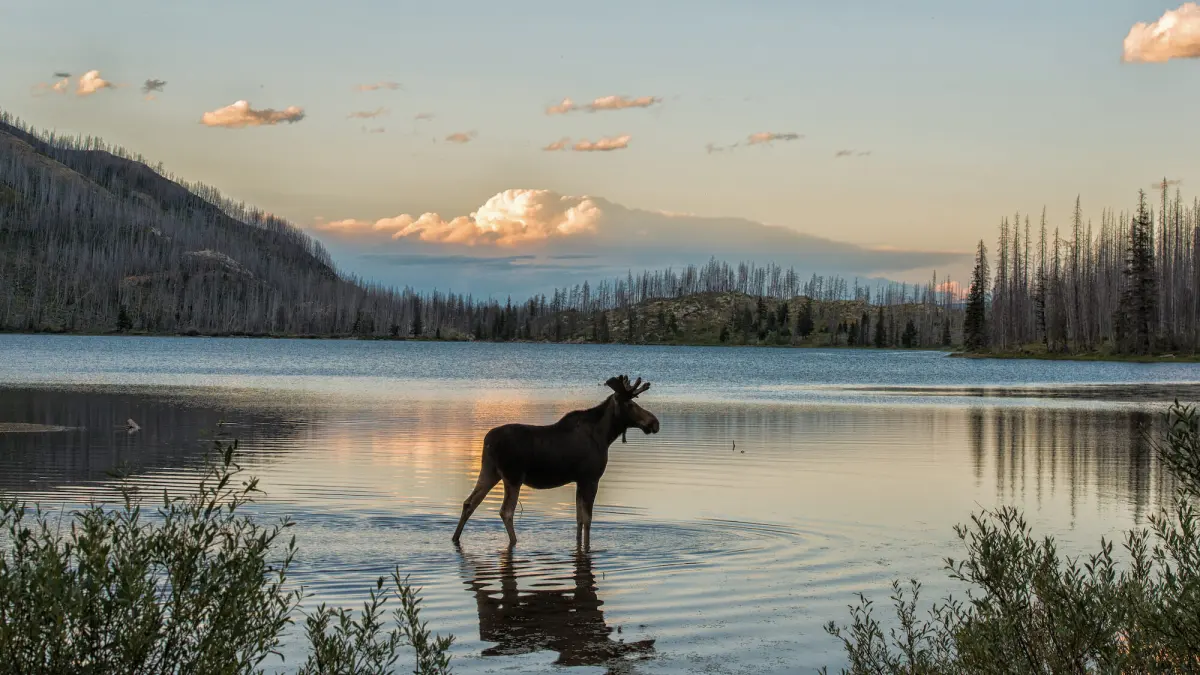
Moose kept in zoos or wildlife sanctuaries often live longer than their wild counterparts. In these controlled environments, animals are provided with a consistent, nutrient-dense diet and receive regular veterinary care. This eliminates the primary threats of starvation, severe parasite loads, and predation, allowing some individuals to live into their late teens or early twenties.
However, keeping moose in captivity presents unique challenges. They are notoriously difficult to maintain because they require vast amounts of specific browse and are highly susceptible to stress and heat. Captive moose often struggle with the lack of space and the inability to engage in natural migratory behaviors. Despite these hurdles, the absence of environmental stressors remains the key factor in extending their lives beyond the wild average.
Common mistakes when estimating moose age
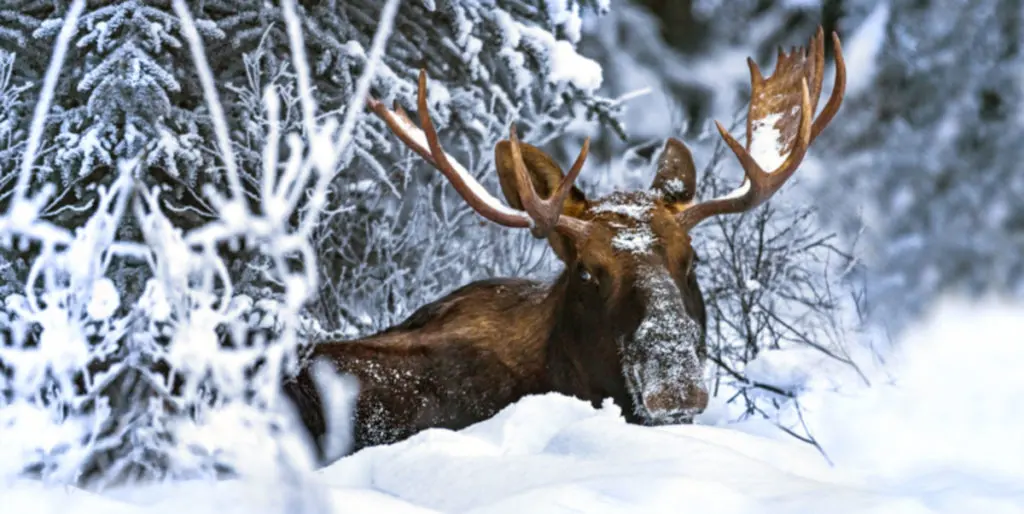
Observers often misjudge the age of a moose by relying solely on size or antler development. While a large bull with an impressive rack might appear to be in its prime, it could be an older animal that has already passed its peak physical condition. Conversely, a smaller moose might simply be a younger individual that has not yet reached its full growth potential.
To accurately estimate age, biologists typically examine the cementum annuli—the growth rings found in the roots of teeth. Relying on visual cues alone leads to several common errors:
- Assuming that larger antlers always indicate an older, healthier animal.
- Ignoring the condition of the coat, which can indicate parasite load rather than age.
- Misinterpreting the presence of a "bell" or dewlap as a sign of maturity.
- Failing to account for regional differences in size, which vary by subspecies.
How to protect moose populations
Conservation efforts focus on habitat preservation and reducing human-wildlife conflict to ensure moose populations thrive. Protecting vast tracts of boreal forest and willow-rich wetlands is essential for providing the necessary forage for all life stages. By maintaining these corridors, wildlife managers help reduce the pressure on individual moose, allowing them to live out their full natural lifespans.
Public awareness also plays a critical role in moose survival, particularly regarding road safety. Drivers in moose-heavy regions should remain vigilant, especially during dawn and dusk when these animals are most active. By respecting their habitat and minimizing human interference, we can reduce preventable deaths and support the long-term stability of the species. Following these simple guidelines helps protect the animals:
- Reduce vehicle speeds in known moose crossing areas during winter months.
- Avoid feeding moose, as human food can cause digestive issues and habituation.
- Support local land trusts that preserve critical wintering grounds and wetlands.
- Report injured or sick wildlife to local environmental agencies rather than approaching them.
Key facts
- Wild moose typically live between 10 and 15 years in their natural habitat.
- Captive moose can live significantly longer, sometimes reaching 20 years or more.
- Predators such as wolves, grizzly bears, and black bears are the primary causes of death for calves and weakened adults.
- Severe winters and heavy snowfall significantly reduce a moose's lifespan by limiting food access and increasing energy expenditure.
- Parasites, such as winter ticks and brain worms, are leading causes of mortality in many North American moose populations.
- To avoid dangerous encounters, always maintain a distance of at least 25 yards from a moose, as they are unpredictable and defensive.
The bottom line
The lifespan of a moose is a delicate balance between environmental conditions and biological stressors. While they can live up to 15 years in the wild, most succumb to predation, disease, or accidents much earlier. Understanding these factors highlights the importance of habitat conservation and road safety. Ultimately, the survival of these iconic mammals depends on maintaining healthy ecosystems that mitigate the impact of climate-driven threats.
People also ask
Do male or female moose live longer?
Female moose, or cows, generally have a higher survival rate than males, or bulls. Bulls face higher stress and physical injury risks during the intense breeding season, known as the rut, which can shorten their overall lifespan.
What is the biggest threat to older moose?
As moose age, their teeth wear down, making it difficult to process the woody browse they require for nutrition. This leads to malnutrition, leaving them vulnerable to harsh weather and disease.
Can moose die from human activity?
Yes, vehicle collisions are a leading cause of premature death for moose living near roadways. These accidents are particularly common at dawn and dusk when moose are most active.
Do moose live in groups?
Moose are primarily solitary animals and do not form herds like deer or elk. This solitary nature means they do not have the protection of a group, which can make them more susceptible to predation.
How can I tell how old a moose is?
Biologists determine the age of a deceased moose by examining the rings in the cementum of their teeth, similar to counting tree rings. In the field, observers estimate age based on body size and the wear on their antlers or coat.
Are moose populations currently declining?
In some southern parts of their range, such as New England and the Rocky Mountains, moose populations are declining. Factors like climate change, which allows for larger tick populations, are significantly impacting survival rates in these areas.
This answer was created with the help of AI research tools and reference sources. Spotted an error? Let us know — we correct mistakes quickly. See our editorial policy.